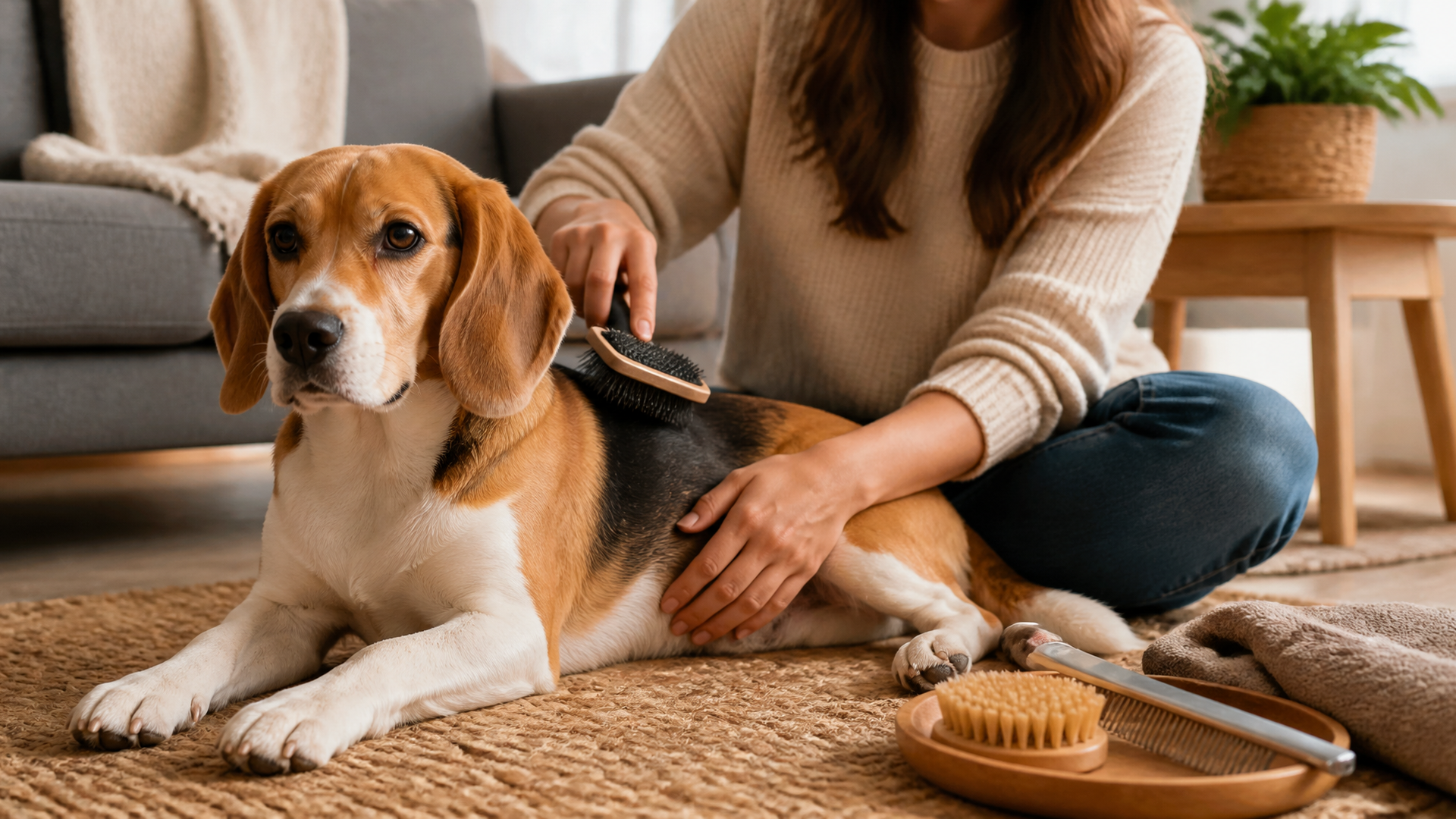
Understanding the Coat Types of Beagles
Beagles are a beloved breed known for their friendly demeanor and keen sense of smell, but their coats are often a subject of curiosity among potential and current owners. Understanding the various coat types of beagles is essential for proper care and maintenance, as these can greatly influence grooming needs and shedding patterns. A common question arises: do beagles have double coats, and if so, what implications does this have for the breed? In this article, we will explore the distinct characteristics of short-coated and long-coated beagles, as well as the significance of coat variations in color and texture. Additionally, we will discuss the environmental factors that can impact the condition of a beagle’s coat, ensuring that owners are well-equipped to maintain their dog’s health and appearance.
Free Dog Training Workshop
How to train your dog to be as calm and obedient as a service dog.
k9ti.org
Key Takeaways
Beagles come in various coat types, including short-haired and long-haired, each requiring different grooming needs and maintenance routines.
Common coat colors include tri-color, lemon, and red and white, with unique patterns and rare colors enhancing desirability.
Seasonal shedding and environmental factors significantly influence coat health, necessitating regular grooming and a high-quality diet for optimal maintenance.
Understanding the specific needs of different coat types is essential for selecting a Beagle that fits a potential owner’s lifestyle and activity level.
Types of Beagle Coats
The types of Beagle coats vary significantly, showcasing a range of textures and patterns that contribute to the breed’s distinctive appearance. Common coat types include smooth, short-haired varieties that provide a sleek look, as well as slightly longer-haired options that may exhibit a more rugged texture. Additionally, Beagles can exhibit various color combinations such as tri-color, lemon, and red and white, each adding to their unique visual appeal. The coat’s density and softness can also vary, influencing not only aesthetic qualities but also factors like grooming requirements and comfort. Overall, the diversity in Beagle coats reflects the breed’s rich heritage and adaptability.
Characteristics of Short-Coated Beagles
Short-coated Beagles are characterized by their sleek, smooth fur that lies close to the body, providing a distinctive appearance and facilitating easy grooming. This coat type typically exhibits a dense undercoat that contributes to the dog’s overall insulation and protection. The short hair is often water-resistant, which aids in outdoor activities and varying weather conditions. Color patterns in short-coated Beagles can vary widely, including combinations of tri-color, lemon, and red and white. Overall, their coat requires minimal maintenance, making them an appealing choice for pet owners seeking a low-maintenance breed.
Features of Long-Coated Beagles
Long-coated Beagles exhibit a distinctive and luxurious fur texture that sets them apart from their short-coated counterparts. Their longer fur provides an elegant appearance, often giving them a more refined look. This coat type requires regular grooming to maintain its health and prevent matting. Long-coated Beagles tend to have a softer and silkier feel to their fur, enhancing their overall appeal. Additionally, their coat can come in a variety of colors and patterns, contributing to their unique aesthetic.
Understanding the Double Coat
A double coat consists of a dense undercoat that provides insulation and a protective outer coat that repels moisture, making it essential for certain breeds to thrive in varying climates. This coat type is particularly prevalent in working and hunting breeds, including some varieties of Beagles. The undercoat serves as a thermal barrier, helping to maintain a stable body temperature in both cold and warm weather. Regular grooming is crucial for double-coated Beagles to prevent matting and to remove loose hair, particularly during shedding seasons. Understanding the characteristics and care requirements of a double coat is vital for ensuring the overall health and well-being of Beagles.
Color Variations in Beagle Coats
Color variations in Beagle coats play a significant role in their overall appearance and breed identification. These variations not only encompass common colors but also rare combinations that can be quite striking. Understanding these coat types is essential for breeders and enthusiasts alike, as they contribute to the breed’s diverse visual appeal.
Common Beagle Coat Colors
Common Beagle coat colors include tri-color, lemon, and chocolate, each contributing to the breed’s distinctive characteristics and appeal. The tri-color coat typically features a combination of black, white, and tan, creating a striking visual contrast. Lemon Beagles are characterized by their light tan and white coats, exuding a softer appearance. Chocolate Beagles, on the other hand, showcase rich brown hues, often paired with white markings. These color variations not only enhance the breed’s aesthetic appeal but also serve as identifiers for breed enthusiasts and breeders.
Rare Color Variations
Rare color variations in Beagles can enhance their uniqueness and often attract the interest of both breeders and potential owners seeking distinctive traits. These variations can include striking combinations such as lilac and tan or blue and white, which stand out from the more commonly recognized colors. Additionally, some Beagles may exhibit unique patterns, such as brindle or merle, further adding to their allure. The rarity of these color combinations can often increase their desirability and market value. Consequently, understanding these rare variations is essential for those involved in breeding and showing Beagles.
Understanding Tri-Color Patterns
Understanding tri-color patterns in Beagles involves recognizing the distinct combinations of black, tan, and white that define this particular coloration and its significance in breed standards. This pattern typically features a predominance of black, with tan markings on the face, ears, and legs, complemented by white patches on the chest and belly. The tri-color variation is one of the most popular and widely accepted colorations within the breed. Breeders often strive to maintain these color standards, as they are crucial for conformation shows and overall breed recognition. The distinct tri-color pattern not only enhances the Beagle’s aesthetic appeal but also serves as a hallmark of its lineage and breed integrity.
Solid Coat Options
Solid coat options in Beagles provide a distinct alternative to the more traditional multicolored patterns, showcasing a sleek and unified appearance that appeals to many dog owners. These coats can come in various shades, including black, brown, and lemon, each contributing to the breed’s aesthetic versatility. Solid-colored Beagles often exhibit a unique charm that can set them apart in a crowd. Additionally, the simplicity of a solid coat can accentuate the Beagle’s expressive features and personality. This variety adds to the overall allure of the breed, attracting both casual dog lovers and dedicated fanciers.
Grooming Needs for Different Coat Types
Grooming needs for beagles vary significantly between the different coat types, necessitating tailored care routines to maintain their health and appearance. Smooth-coated beagles generally require less frequent grooming, relying mainly on occasional brushing to remove loose hair and dirt. In contrast, beagles with rough or wire-haired coats need regular brushing to prevent matting and ensure proper skin health. Additionally, beagles with longer fur may necessitate more extensive grooming sessions, including baths and trimming, to keep their coats manageable. Ultimately, understanding these grooming requirements is essential for ensuring the overall well-being of beagles across various coat types.
Shedding Patterns in Beagles
Shedding patterns in Beagles are influenced by their coat type and environmental factors. Understanding these patterns is essential for effective grooming and maintenance of their coat. This leads us to explore the seasonal shedding trends and strategies for managing shedding effectively.
Seasonal Shedding Trends
Seasonal shedding trends in Beagles typically occur in the spring and fall, driven by changes in daylight and temperature. During these periods, Beagles may lose a significant amount of their undercoat, leading to increased shedding. Regular grooming during these times can help manage the excess hair and maintain a healthy coat. It is also important to monitor environmental factors, such as humidity, which can influence shedding patterns. Understanding these seasonal trends is crucial for Beagle owners to ensure optimal coat care and hygiene.
Managing Shedding Effectively
Effective management of shedding in Beagles requires a combination of regular brushing, appropriate dietary considerations, and environmental adjustments to minimize the impact of loose fur in the home. Consistent grooming sessions can help remove loose hair and distribute natural oils, promoting a healthier coat. Incorporating high-quality dog food rich in omega fatty acids can enhance coat condition and potentially reduce shedding. Additionally, maintaining a clean living environment, including frequent vacuuming and the use of washable pet bedding, can mitigate the accumulation of fur. By implementing these strategies, Beagle owners can effectively manage shedding and maintain a more comfortable living space.
Impact of Environment on Coat Condition
Environmental factors, such as humidity and temperature fluctuations, play a crucial role in determining the overall condition and maintenance of a beagle’s coat. High humidity can lead to increased oil production in the skin, resulting in a greasy appearance and potential matting of the fur. Conversely, low humidity levels may cause the coat to become dry and brittle, exacerbating shedding. Additionally, extreme temperature variations can stress the beagle’s skin, affecting its ability to maintain a healthy coat. Regular grooming and appropriate environmental management are essential for preserving the integrity of a beagle’s fur.
Health Considerations Related to Coat Types
Health considerations related to coat types in beagles can significantly influence their susceptibility to skin conditions and overall well-being. The density and texture of a beagle’s coat can affect its ability to regulate body temperature, potentially leading to overheating or excessive cold exposure. Allergies, both environmental and food-related, may manifest differently depending on the coat type, necessitating tailored care routines. Regular grooming practices can mitigate the risk of skin infections and promote healthy skin by removing debris and dead hair. Furthermore, understanding the specific needs associated with each coat type can enhance the effectiveness of preventative health measures.
Tips for Choosing the Right Beagle for You
Selecting the right beagle involves careful consideration of individual coat types and their implications for grooming and maintenance. Potential owners should assess their lifestyle and preferences regarding coat management, as some beagles may require more frequent grooming than others. It is essential to consider the beagle’s activity level, as those with thicker coats may be less suited for warmer climates. Furthermore, prospective owners should evaluate the health history associated with specific coat types, as certain genetic predispositions can impact overall well-being. Ultimately, making an informed decision will lead to a more harmonious relationship between the owner and their new beagle.
Frequently Asked Questions
How do different coat types affect a beagle’s temperament and behavior?
The relationship between coat types and a dog’s temperament and behavior is a nuanced topic that warrants careful consideration. While coat type may not directly influence temperament, it can affect the dog’s comfort level in various environments, which may indirectly impact behavior. For example, breeds with thicker coats may be more prone to overheating in warm climates, potentially leading to irritability or lethargy. Conversely, dogs with shorter coats may be less tolerant of cold weather, which could affect their willingness to engage in outdoor activities. Additionally, grooming requirements associated with certain coat types can influence the owner’s approach to training and socialization, thereby affecting the dog’s overall demeanor. Ultimately, while coat type can play a role in a beagle’s well-being, it is crucial to recognize that temperament and behavior are predominantly shaped by genetics, environment, and training.
Are there any specific nutritional requirements related to coat health in beagles?
Beagles, like all dog breeds, have specific nutritional requirements that can significantly impact their overall health, including the condition of their coats. Essential fatty acids, particularly omega-3 and omega-6, play a crucial role in promoting skin health and enhancing coat shine and texture. Additionally, high-quality protein sources are vital for the repair and growth of hair follicles, ensuring that the coat remains vibrant and resilient. Vitamins and minerals, particularly biotin, zinc, and vitamin E, are also important, as they contribute to maintaining skin integrity and preventing common dermatological issues. It is advisable for owners to consult with a veterinarian to tailor their beagle’s diet to meet these specific needs, considering any individual health concerns. Ultimately, a balanced diet rich in these nutrients not only supports coat health but also contributes to the overall well-being of the beagle.
What are the common misconceptions about beagle coats?
Common misconceptions about the coats of beagles often stem from a lack of understanding of their unique characteristics. One prevalent myth is that all beagles have the same coat type, when in fact, they can exhibit a range of textures and patterns. Another misconception is that their coats are low-maintenance, leading some owners to neglect regular grooming, which is essential for maintaining coat health. Additionally, many believe that a shiny coat is solely indicative of good health, overlooking the importance of overall nutrition and care. Some individuals may also assume that beagle coats are hypoallergenic, which can lead to disappointment for those with allergies. Finally, there is a tendency to underestimate the impact of environmental factors, such as climate and exposure to elements, on the condition of a beagle’s coat.
If you’re looking to expand your knowledge about dog breeds, I highly recommend checking out the article on "Bichon Frise Exercise Needs: Keeping Your Fluffy Friend Fit & Happy." Understanding the exercise requirements of different breeds is essential for ensuring their overall well-being. You can read more about it here.