5 Best Dog Vitamins Recommended by Vets Vet-Approved Picks for 2025

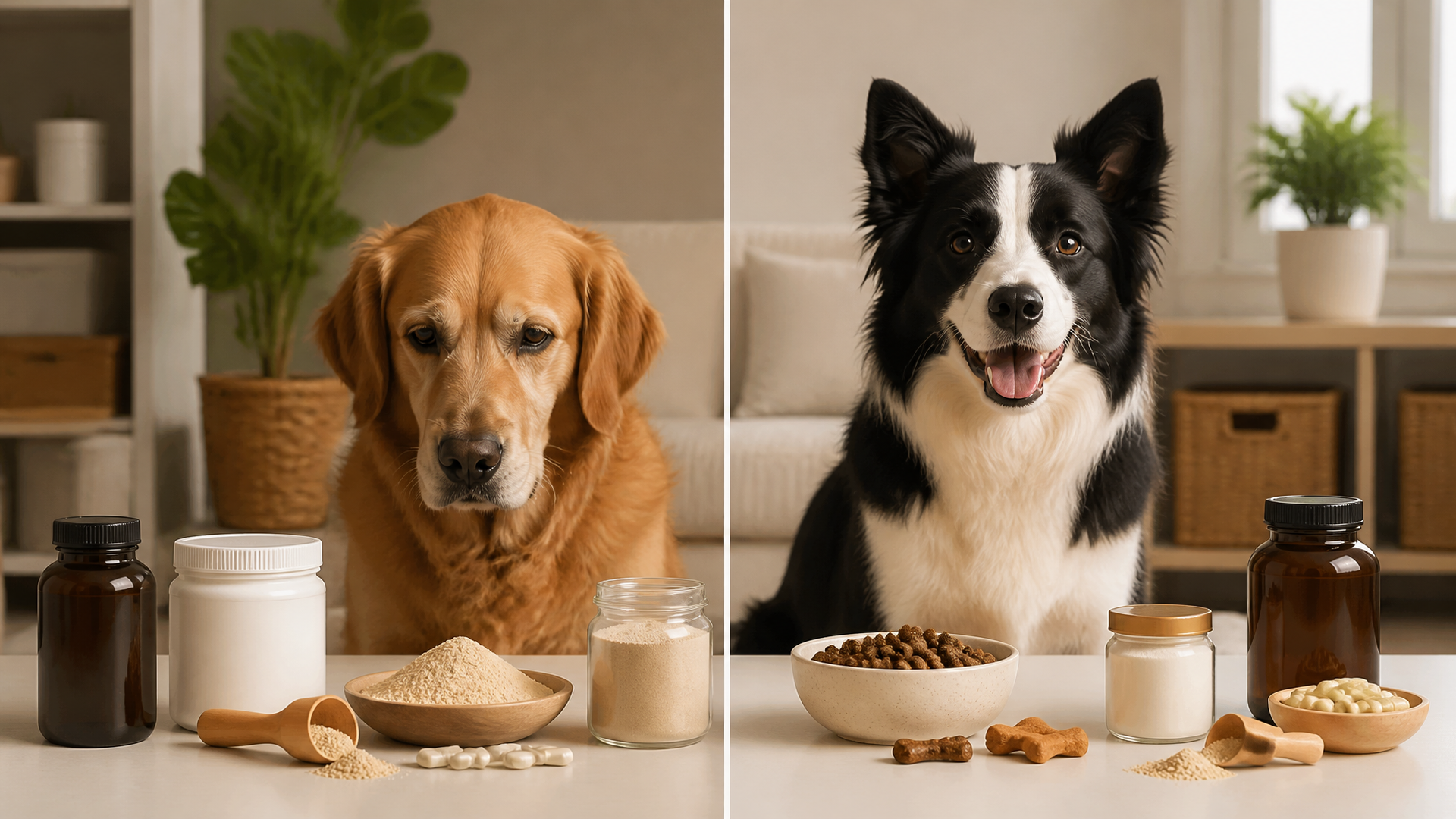
Pet owners often want clear, vet‑backed choices for dog vitamins. The tone is calm and helpful, with simple steps and a dash of humor to ease worry. It covers digestion, joints, omegas, and full‑spectrum needs, with dosing and safety tips. Which option fits a picky eater or an arthritic senior? Keep going.

Free Dog Training Workshop

Learn the secret methods that service dog trainers use to housebreak dogs in under 2 weeks.

k9ti.org

Key Takeaways

  • Vets Best Probiotic Soft Chews once-daily 1.5 billion CFU plus kelp for gas, stool firmness, and post‑antibiotic recovery.
  • Vet’s Best Hip & Joint Supplement glucosamine, MSM, bromelain and white willow for mobility support in aging or active dogs.
  • Multivitamin with Glucosamine, Probiotics & Omega daily chicken soft chew for joints, digestion, skin/coat, and overall vitality.
  • Salmon Oil Soft Chews EPA/DHA, biotin, zinc and probiotics for shinier coat, reduced itching, and skin support.
  • Pet VETriScience 27+ Multivitamin 27+ nutrients, NASC‑certified, formulated for all life stages and homemade/raw diets.

Vets Best Probiotic Soft Chews for Dogs (90 Day Supply)

Vet’s Best Probiotic Soft Chews are a smart pick for pet owners who want an easy, once-a-day way to help dogs with tummy troubles—think gas, irregular stools, or recovery after antibiotics. The 90-count jar supplies three months of soft, chicken-liver flavored chews, made in the USA and veterinarian-formulated for absorption. Each chew delivers 1.5 billion CFU and lists five and six strains of beneficial bacteria, with patented stability so cultures reach the gut. Ocean kelp adds natural prebiotics and antioxidants. One chew daily, fresh water, suits all breeds and life stages; many owners report firmer stools and more energy.

Best For: Pet owners seeking an easy, once-daily, palatable probiotic chew to help dogs with occasional digestive upset, stool irregularity, or recovery after antibiotics.

Pros:

  • Convenient soft, chicken-liver flavored chew (once daily) that many dogs accept as a treat.
  • Delivers 1.5 billion CFU per chew with patented stability tech and ocean kelp prebiotics to support digestion, gut flora, and immune/nutrient absorption.
  • Made in the USA and veterinarian-formulated for optimal absorption.

Cons:

  • Product copy inconsistently lists five vs. six bacterial strains, which may confuse buyers.
  • Some customers report occasional crushed/soft packing on arrival.
  • Limited publicly available detail on long-term safety/duration of use prompted buyer questions.

Vet’s Best Dog Pain Relief Supplement for Hip & Joint Support (150 Count)

A natural, plant-based pain reliever made for dogs with stiff hips or sore joints, this supplement works well for aging pups and active breeds that need gentle, everyday support. Vet’s Best Aches + Pains offers 150 pineapple‑flavored chewable tablets, veterinarian formulated with glucosamine HCL, MSM, bromelain, white willow bark and yucca. It supports mobility, joint flexibility and normal inflammatory response. Give with food, dosing twice daily by weight, and adjust for high-maintenance dogs. Crafted in the USA and NASC‑backed, it earns strong user praise for improved movement. Palatability varies; some owners crush tablets into food when needed over time.

Best For: Aging, active, or large-breed dogs needing gentle, plant-based support for stiff hips, sore joints, and occasional mobility issues.

Pros:

  • Veterinarian-formulated blend (glucosamine HCL, MSM, bromelain, white willow bark, yucca) to support joint flexibility and normal inflammatory response.
  • Tasty pineapple-flavored chewables made in the USA and NASC-backed for quality; easy to give with food.
  • Large 150-count supply and widely praised by users for improved mobility and reduced stiffness.

Cons:

  • Palatability can vary by batch or dog; some owners need to crush tablets into food.
  • Not a replacement for prescription pain meds for severe arthritis or acute injuries—may be insufficient alone.
  • Some dogs may require days to weeks to see benefits, and occasional mild stomach sensitivity is possible.

Multivitamin Dog Supplement with Glucosamine, Probiotics & Omega Fish Oil (Chicken, 90 ct)

For dog owners looking for an all-in-one daily boost, this chicken-flavored multivitamin chew is a smart pick—especially for pets that need joint support, better digestion, and shinier coats. The soft chews (90 count) combine vitamins A, C, D3, glucosamine with chondroitin, probiotics (1 billion CFU), pumpkin, and omegas from krill oil and eggshell meal. Made in the USA in a GMP facility, NASC-member Pet Honesty avoids corn, wheat, soy, and artificial additives. One chew daily replaces a multivitamin treat; split or halve for small or sensitive dogs. Users report more energy, mobility, and healthier coats and improved stool consistency.

Best For: Dog owners seeking a single, daily all-in-one supplement to support joints, digestion, skin/coat, and overall vitality in dogs of all ages.

Pros:

  • Combines multivitamins, glucosamine + chondroitin, probiotics (1 billion CFU), pumpkin, and omegas (krill oil + eggshell meal) in one palatable chicken-flavored chew.
  • Made in the USA in a GMP-compliant facility by an NASC-member company, and formulated without corn, wheat, soy, or artificial preservatives/colors/flavors.
  • Soft, easy-to-chew texture suitable for splitting or halving for small or sensitive dogs; many users report improved energy, mobility, coat shine, and stool consistency.

Cons:

  • Contains krill and eggshell meal (egg-derived), so may not be suitable for dogs with seafood or egg allergies.
  • Some dogs may refuse the chew or require it chopped/mixed with food; starting with a half-dose is sometimes necessary.
  • Probiotic amount is modest per chew (1 billion CFU); dogs with specific GI issues may need veterinary-recommended probiotic dosing.

Salmon Oil Soft Chews for Dogs (180 Count)

Dogs with dry, itchy skin or dull coats will find this Salmon Oil Soft Chews pack especially helpful, because it combines omega-rich fish oil with vitamins and probiotics in a tasty, easy-to-give treat. Chew + Heal Labs180-count soft chews supply EPA, DHA, biotin, zinc, vitamins C and B, plus prebiotics and digestive enzymes to support skin, coat, and gut. Dosing follows weight guidelines and one bottle lasts months for small dogs. Reviews note shinier fur, less itching, and occasional regrowth; results vary. Palatable chicken flavor and minimal fishy smell make daily use simple and encouraging for pet health.

Best For: dog owners seeking an easy-to-administer, palatable omega-rich soft chew to support skin and coat health and reduce itching for small to large breeds.

Pros:

  • Supports shinier, softer coats and may reduce itching, dandruff, and excessive shedding through EPA/DHA, biotin, zinc, and vitamins.
  • Includes digestive support (prebiotics, probiotics, enzymes) and antioxidants for overall skin/gut health.
  • Tasty chicken-flavored soft chews with minimal fishy smell and a large 180-count bottle that lasts multiple weeks.

Cons:

  • Effectiveness varies by individual; not all dogs experience significant improvement and severe skin conditions may require veterinary care.
  • Some picky dogs may still refuse chews or need them broken into food.
  • Contains multiple active ingredients (fish oil, flax, vitamins, minerals) that could pose allergy or interaction risks—consult your vet if your pet has sensitivities or is on medication.

VetriScience 27+ Active Health Chewable Multivitamin for Dogs (Duck, 90 Count)

Pet owners feeding homemade or raw diets will find VetriScience 27+ Active Health especially useful, since it packs more than two dozen vitamins, minerals, and fatty acids into a single, duck-flavored chew. VetriScience Canine Plus offers 27+ nutrients, vitamins A, C, E, B complex, biotin, methionine, zinc, magnesium, and omega-3/6 from fish oil, to support heart, brain, immune, skin, coat, joint, digestion, energy, and mood. Chewables suit all breeds and life stages; dosing is weight-based. NASC certified and third-party tested, the formula avoids hidden additives. Many dogs enjoy the flavor, though some owners report a fishy odor, occasionally noted.

Best For: Pet owners who feed homemade or raw diets or want an all‑in‑one, vet‑formulated multivitamin to support overall health across all breeds and life stages.

Pros:

  • Provides 27+ vitamins, minerals, biotin, methionine and omega/6 to support heart, brain, immune, skin/coat, joints, digestion, energy and mood.
  • NASC‑certified and third‑party tested, with a vet‑formulated recipe that avoids hidden additives.
  • Chewable, duck flavor that many dogs find palatable.

Cons:

  • Some owners report a strong fishy odor (fish oil content), which some pets/people may dislike.
  • Weight‑based dosing may require splitting tablets for very small dogs.
  • Contains fish oil (potential allergen) and price may vary by retailer/subscription.

Before picking a supplement, a veterinary consultation should come first, since a vet can spot deficiencies, recommend tests, and prevent risky overlaps with existing medications. Owners should then check ingredient quality and purity, confirm appropriate nutrient levels for the dog’s needs, and choose formulas made for the correct life stage to avoid under- or overdosing. Breed and size matter too—small breeds and giant breeds have different needs—so consult labels, ask the vet, and feel confident that a well-chosen vitamin can help a happy, healthy tail wag.

Veterinary Consultation First

Although well-meaning owners want the best for a furry friend, a veterinary checkup is the smart first step when thinking about vitamins. A vet performs a health assessment—examining the dog, reviewing diet and medical history—to decide if supplements are needed and which nutrients fit the life stage. Ask for targeted tests such as CBC, chemistry panel, thyroid checks and fecal screening to spot deficits or problems that change choices or doses. Discuss current medicines; some vitamins or herbs can affect thyroid drugs, NSAIDs, anticoagulants or steroids. Request evidence-based recommendations with clear dosing by weight, and avoid “more is betterthinking because fat‑soluble nutrients can build to toxic levels. Plan follow-up exams and repeat bloodwork to track benefits and adjust or stop accordingly.

Ingredient Quality and Purity

When choosing vitamins, owners should focus on ingredient quality and purity so they can feel confident about what goes into a dog’s body. Owners should pick products made in GMP‑compliant facilities and tested by third parties like USP, NSF, or independent labs, so label claims are real. They can request certificates of analysis showing checks for heavy metals, mycotoxins, pesticides, and microbes, with metals kept at very low ppm levels. Prefer named, bioavailable forms—glucosamine HCl or sulfate, methylated B‑vitamins—over vague proprietary blends. Look for purity statements—no artificial colors, flavors, preservatives—and absence of allergens if needed. For probiotics, verify guaranteed CFU at end of shelf life, specific strains, and reliable encapsulation to survive digestion. This due diligence helps protect pet health and gives owners peace.

Appropriate Nutrient Levels

Because dogsneeds change as they grow, owners should pick vitamins that match the dog’s life stage—puppy, adult, or pregnant/nursing—so the amounts of each nutrient are just right. They should favor formulas aligned with AAFCO or NRC profiles, and watch mineral ratios. Calcium and phosphorus ought to stay near a 1:1 to 2:1 Ca:P ratio, and too much calcium can harm large‑breed puppy bones. Fat‑soluble vitamins (A, D, E, K) build up in tissues, so labels must not exceed safe limits. Trace minerals like selenium, copper, and iron have narrow windows, so avoid megadoses. When a dog already eats complete, balanced food, select targeted supplements, for example omegas or joint support, rather than broad multivitamins. Check amounts by weight, ask a vet if unsure, always

Life Stage Requirements

Every dog has different needs at each stage of life, so owners should choose vitamins that match growth, maintenance, pregnancy, or senior care. Puppies need higher protein, more energy and omega DHA for brain and eye growth, plus carefully controlled calcium and phosphorus to protect developing bones. Adult maintenance formulas focus on balanced vitamins and minerals to fill gaps, with dosing scaled to weight. Pregnant and nursing dogs require more calories, folate and extra calcium late in gestation and during lactation, under veterinary supervision. Senior dogs often benefit from glucosamine, chondroitin, extra antioxidants and B vitamins to support joints, cognition and reduce oxidative stress. Vets recommend stage‑appropriate products, regular reassessment and adjustments as the dog’s needs change. Owners should consult their vet regularly, too.

Breed and Size Considerations

How big a dog is makes a big difference in choosing vitamins, and that’s not just about pill size. Larger and giant breeds need more of some nutrients—especially joint support like glucosamine and calories—so doses often must be proportionally higher than for small dogs. Small and toy breeds do well with concentrated formulas or chews that can be safely split, because full tablets for big dogs can overdose tiny pets. Growing large‑breed puppies need careful calcium and phosphorus balance; too much supplemental calcium or rich multivitamins can harm bone growth. Active working or sporting dogs typically benefit from extra antioxidants, protein support, and omegas for recovery and joint resilience. Always dose by current body weight, not breed alone, consult a veterinarian for breed‑specific risks.

Formulation and Bioavailability

When choosing dog vitamins, attention to formulation and bioavailability matters more than the pretty label or cute chew. Readers should pick nutrient forms that dogs actually absorb: vitamin D3 beats D2, and marine EPA/DHA outperform plant ALA for inflammation support. Minerals in chelated forms, such as zinc or iron bound to amino acids, absorb better and upset stomachs less than oxides or sulfates. Fat‑soluble vitamins (A, D, E, K) need dietary fat, so give supplements with a fatty meal. For joints and digestion, form matters—glucosamine HCl and chondroitin sulfate differ, and probiotics depend on the right strains, viable CFU at expiration, and delivery tech like enteric coating. Choose products with stabilization, encapsulation, third‑party testing, and clear guaranteed potency through shelf life and labeled amounts.

Allergies and Sensitivities

After focusing on formulation and bioavailability, dog owners should watch for allergies and sensitivities—these can turn a helpful supplement into an unhappy day for a pet. Common triggers include proteins like beef, chicken and eggs, dairy, and fillers such as wheat, soy or corn, so ingredient lists matter. Labels should list everything, including artificial colors, flavors and preservatives, because those can cause reactions too. For dogs with known food allergies or atopic dermatitis, limited‑ingredient or single‑source vitamins are safer than mixed protein blends. Introduce any new vitamin slowly—try half a dose and observe for two weeks for itching, hives, vomiting, diarrhea, facial swelling or breathing changes. When sensitivities are suspected, consult a veterinarian, who may suggest allergy testing or hypoallergenic options tailored to dog.

Third-Party Testing

Because supplements can vary a lot, pet owners should rely on independent, third‑party testing to know what’s really in a vitamin and whether it is safe. Trusted products publish batch‑level Certificates of Analysis (CoAs) from accredited labs, showing actual vitamin and mineral amounts per serving, not just company promises. Testing should screen for heavy metals (lead, arsenic, cadmium, mercury), pesticides, mycotoxins and microbes, with results within safe limits. Stability or shelf‑life studies confirm potency to expiration under labeled storage. Preference goes to items made under good manufacturing practices and verified by groups like USP, NSF or NASC. A usable CoA includes a testing date, lab accreditation or contact, and a matching lot number so owners know the report applies to that specific batch confidently.

Frequently Asked Questions

Can Human Vitamins Harm My Dog?

Yes, human vitamins can harm dogs. Excessive iron, vitamin D, or xylitol-containing supplements may cause toxicity, gastrointestinal upset, organ damage, or death. Owners should consult a veterinarian before giving any human supplement to dogs immediately

How Long Before I See Improvement?

Improvement often appears within two to six weeks, though some issues require longer. Owners should expect gradual changes, monitor condition, follow the veterinarian’s plan, and contact clinic if no progress or adverse effects appear soon.

Do Supplements Interact With Prescription Medications?

Yes, supplements can interact with prescription medications. Owners should consult the veterinarian, provide a medication list, avoid combining supplements and drugs without professional guidance due to potential absorption changes, enhanced effects, or harmful side effects.

How Should I Store Opened and Unopened Supplements?

Opened supplements should be stored tightly sealed in a cool, dry place away from light and moisture; refrigerated if label directs. Unopened bottles should remain in original packaging, per label, away from heat and humidity.

Can Puppies Safely Take Adult Dog Vitamins?

No: novice notions notwithstanding, puppies generally should not take adult dog vitamins; differing developmental demands and nutrient dosages risk harm. They require puppy-specific formulations or veterinary guidance to guarantee safe, suitable supplementation and monitored closely.

Conclusion

Owners, armed with vet advice and a chewable arsenal, march into supplement season like earnest generals, clipboard in paw. They test, weigh, dose, and verify purity, watching coats shine and tails conduct standing ovations. When a tummy grumbles, probiotics step in like polite mediators. The tone is practical, calm, slightly amused; vets guide the way, and owners feel capable, supported, ready to make smart, safe choices for their dogs, with checkups and common sense always.

Similar Posts