Why do Poodles Bite so Hard
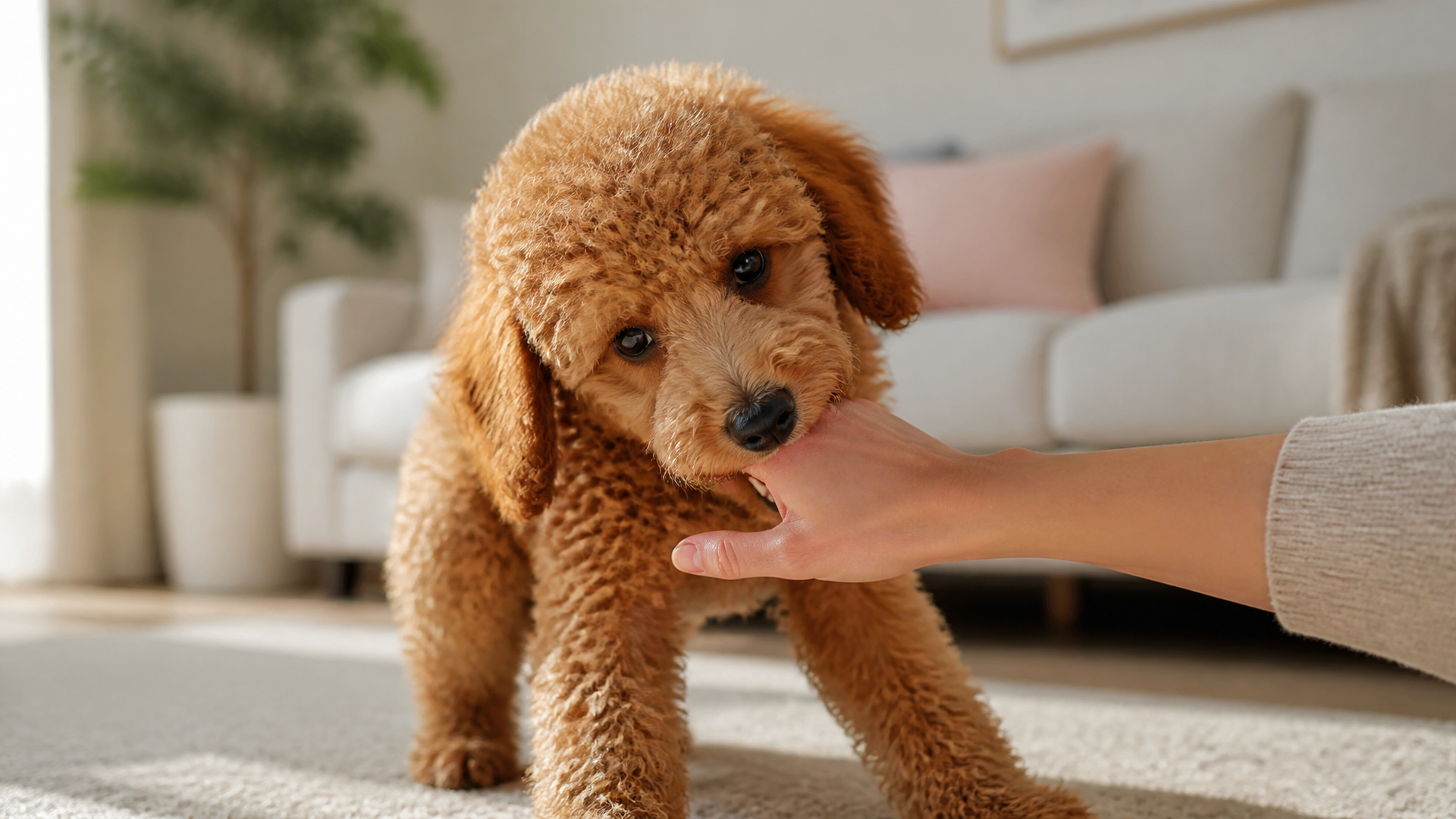
Poodles bite hard because they’re a mouthy, sensitive breed with high energy — and as puppies, they explore everything with their teeth. But the force behind those bites isn’t aggression; it’s often teething pain, overexcitement, or lack of bite inhibition training. The good news: you can teach a Poodle to soften its bite, and the earlier you start, the faster it works.

What this means for you right now: Don’t assume your Poodle is being aggressive. Most hard bites are fixable with training and the right management. Your first move is to rule out pain and then start the yelp-and-pause method below. Avoid punishment — it backfires with this breed.
The Real Reason Poodles Bite Hard
Poodles were originally bred as water retrievers, so they’re naturally inclined to carry things in their mouths — including your hands. That instinct, combined with their high intelligence and sensitivity, creates a dog that may bite hard when:
- Teething (puppies under 6 months) – Sore gums make them clamp down harder. A teething Poodle puppy can leave bruises without meaning to.
- Overexcitement – Poodles get revved up fast. During play, they lose impulse control and bite with more force than they intend.
- Fear or pain – A sensitive breed, Poodles may bite hard if startled, cornered, or hurt (e.g., during grooming or ear cleaning).
- Resource guarding – Food, toys, or even a favorite spot can trigger a hard snap.
- Lack of bite inhibition training – If they never learned as a puppy that human skin is delicate, they won’t naturally moderate their jaw pressure.
Counter-intuitive angle: Many owners assume a hard bite means aggression. In most Poodles, it’s actually the opposite — they’re so excited or focused that they forget to be gentle. Your job is to teach them when to turn the volume down.
How to Stop Your Poodle from Biting So Hard
Training a Poodle to reduce bite force works best with consistent, calm steps. Punishment backfires with this sensitive breed. Here’s the operator flow.
Step 1: Teach Bite Inhibition with the “Yelp and Pause”
When your Poodle bites too hard during play, let out a high-pitched yelp (like a puppy would) and immediately stop interacting. Turn away, cross your arms, and ignore them for 10–15 seconds. This mimics how littermates would react. After the pause, resume play — if they bite hard again, repeat.
How to verify it’s working: After each play session, note how many times you had to yelp. If that number decreases over a week, the method is working. If it stays the same, you may need to extend the pause to 20 seconds or check for underlying triggers like teething pain.
Step 2: Provide the Right Chew Toys for a Poodle’s Mouth
Poodles need outlets for their mouthiness. Choose toys that are durable and safe for their jaw strength:
- Kong Classic – Stuff with peanut butter or yogurt, then freeze for teething relief.
- Nylabone Puppy Teething Keys – Designed for small-to-medium mouths, with soft ridges that soothe gums.
- Benebone Bacon-Flavored Chew – Long-lasting and easy for Poodles to grip with their dexterous paws.
Rotate toys to keep them interesting. If they mouth your hand, immediately redirect to the toy. Trade-off: Some Poodles prefer softer textures — if your dog ignores hard nylon chews, try a fabric-based toy like a Tug-a-Jug or a rope toy instead.
Step 3: Manage Teething Pain (Puppies Up to 6 Months)
Frozen washcloths (twist and freeze), ice cubes, or frozen Kongs can numb sore gums. Also try Petstages Cool Teething Stick — it’s filled with water and stays cold for hours. Avoid metal or hard plastic that could damage baby teeth.
When this doesn’t apply: If your Poodle is over 7 months and still biting hard, teething is likely not the cause. Move to steps 4 and 5 below.
Step 4: Burn Off That Poodle Energy
A tired Poodle is less likely to bite hard. Aim for:
- 30–45 minutes of structured exercise daily (fetch, swimming, or brisk walks). Adjust by size: Toy Poodles may only need 20 minutes, Standards need 45+.
- 15–20 minutes of mental stimulation (puzzle toys, scent games, or training sessions). Bored Poodles often resort to nipping.
Checkpoint: If your Poodle is still mouthy after a full exercise session, the issue is probably not energy — it’s likely habit or lack of bite inhibition.
Step 5: Early Socialization with Puppy Classes
Gently introduce your Poodle to other dogs, people, and handling (ears, paws, mouth). Puppy classes with a certified trainer provide controlled environments where they learn bite inhibition from other puppies. This is especially important for Poodles, who can become sensitive or defensive if not socialized before 16 weeks.
Mismatch to watch for: If your Poodle is already over 6 months and has not been socialized, don’t throw them into a group class — they may feel overwhelmed and bite harder. Start with one-on-one sessions with a force-free trainer.
Quick Checklist: Is Your Poodle’s Biting Normal or a Problem?
Use this checklist to decide your next step. Mark “pass” or “fail” for each item.
| Check Item | Pass ✓ | Fail ✗ |
|---|---|---|
| Puppy is under 6 months old (teething phase) | ✅ | ❌ |
| Biting only happens during active play, not when still or approached | ✅ | ❌ |
| Your Poodle stops when you yelp and turn away | ✅ | ❌ |
| No growling, snarling, or stiff-legged posture during bites | ✅ | ❌ |
| No broken skin (bruises or red marks are typical for hard puppy bites) | ✅ | ❌ |
| You can safely touch their food bowl, toys, or paws without a reaction | ✅ | ❌ |
| Energy needs are being met (exercise + mental games) | ✅ | ❌ |
If you have 4 or more fails: It’s time to bring in a positive-reinforcement trainer. Hard bites that happen outside play, with warning signs, may require professional evaluation.
Verification step for resource guarding: To confirm whether guarding is an issue, try approaching your Poodle while they eat a high-value treat (like a bully stick). If they tense up or freeze, that’s a red flag.
When to Call a Trainer or Vet
Escalate if:
- Biting breaks skin repeatedly (especially with adult Poodles over 1 year).
- Your Poodle freezes, growls, or shows whale eye before biting.
- The biting only happens during grooming or handling — this is common in Poodles and may indicate pain (e.g., ear infection, dental issue).
- You’ve tried the steps above for 3 weeks with no improvement.
A vet check can rule out medical causes. A certified behavior consultant (apply through IAABC) can address fear or resource guarding.
Understanding Size Differences in Poodle Biting
Not all Poodles bite the same way. Size matters bite force and management.
- Toy Poodles (under 10 pounds) – Their bites hurt less physically, but they can be more reactive due to small-dog syndrome. Toy Poodles often bite out of fear because the world feels bigger to them. Focus on confidence-building and gentle handling.
- Miniature Poodles (10–15 pounds) – Moderate bite force. They’re often the most mouthy of the three sizes, especially during adolescence (6–18 months). Consistent training during this window is critical.
- Standard Poodles (40–70 pounds) – Their bites can cause real damage, even during play. Standards need the strongest bite inhibition training early. A Standard that hasn’t learned gentle mouthing by 6 months can be a liability.
Practical takeaway: If you own a Standard Poodle, you cannot afford to skip bite inhibition training. The consequences of a hard bite from a 50-pound dog are much more serious than from a Toy. Start step 1 the day you bring your puppy home.
Why Punishment Won’t Work with a Poodle
Poodles are one of the most sensitive dog breeds. They shut down with harsh corrections. If you yell, hit, or use a shock collar to stop biting, your Poodle will likely:
- Become fearful of your hands (making grooming harder)
- Suppress growling (a warning sign you actually want to hear)
- Bite harder next time out of anxiety
What to do instead: Use only positive reinforcement and removal of attention. The yelp-and-pause method works because it mimics natural puppy feedback. Poodles respond to calm, consistent leadership — not force.
A Note on Adult Poodles That Bite Hard
If your Poodle is over 18 months and still biting hard, the cause is different than with puppies. Adult hard biting is usually:
- Fear-based – Something in their environment triggers a defensive response.
- Pain-related – Dental disease, arthritis, or ear infections can make a Poodle snappish.
- Learned habit – They were never taught bite inhibition as a puppy.
What to do: Rule out pain first with a vet visit. Then work with a certified behavior consultant. Adult Poodles can still learn, but it takes more time and patience. The same steps above apply, but you may need weeks instead of days to see progress.
Save This Guide — Poodles aren’t naturally “hard-biters.” They’re mouthy, sensitive, and need clear training to learn gentle pressure. Start with the yelp-and-pause method, stock up on the right toys, and rule out pain. Most Poodles outgrow hard biting by 9 months with consistent training. Bookmark this guide so you can come back to the checklist each time your Poodle’s behavior changes.
Disclosure: Some product links are affiliate links. We only recommend items we’ve used or researched for this breed.