Why do Chihuahuas Clap Their Ears?
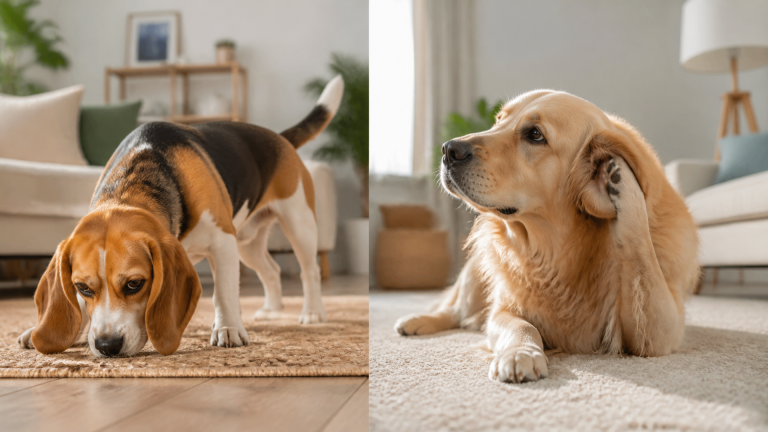
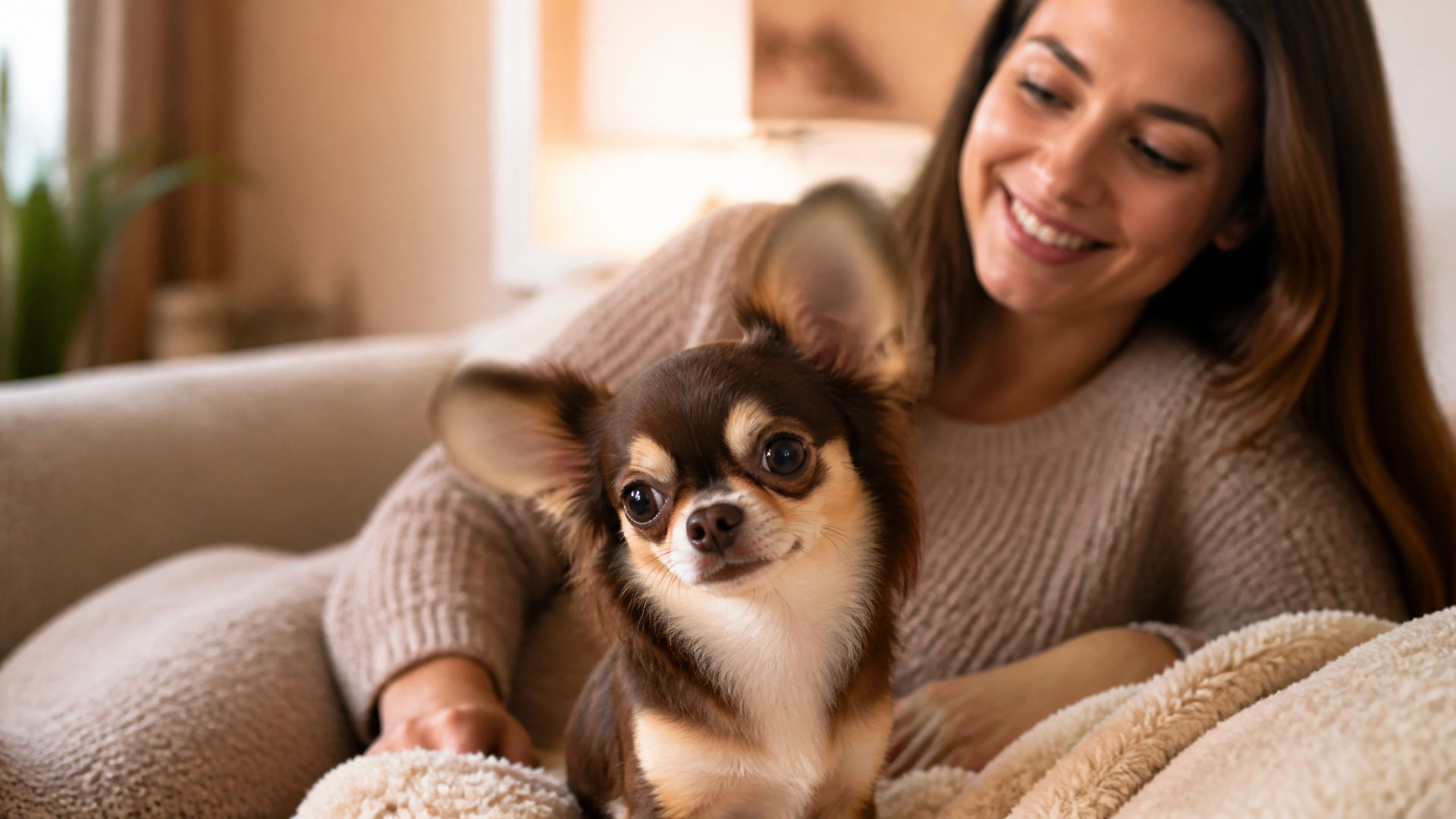
If you’ve ever heard a soft slap from across the room and turned to see your Chihuahua flicking one ear back and forth, you’ve witnessed the “ear clap.” It’s not actual clapping — it’s a voluntary ear movement that creates a distinct sound when the ear flap snaps against the head. The most common reason: your Chihuahua is shaking or flicking an ear to dislodge moisture, debris, or an itch. But it can also signal an ear infection, allergies, or something as simple as a stray hair.

Here’s the practical takeaway: A single ear clap after a bath or nap is normal and harmless. Multiple claps per day — especially when paired with head shaking or pawing — mean something is irritating the ear canal and needs your attention. Start with a quick visual check, then decide whether to clean at home or call the vet.
What Triggers Ear Clapping in Chihuahuas
Chihuahuas have large, upright ears that are highly mobile. That anatomy makes the sound possible — and also makes them more prone to trapping moisture and debris than floppy-eared breeds. Common triggers include:
- Moisture – After a bath, swim, or wet grass, water trapped in the ear canal prompts a shake.
- Debris – Dust, grass seeds, or ear wax buildup.
- Itch from allergies – Food or environmental allergies often cause ear irritation. Chihuahuas are prone to chicken and beef protein allergies.
- Fly or insect bother – A quick slap to flick away a bug.
- Ear infection – Bacterial or yeast infections cause inflammation and discharge. This breed’s narrow ear canals make infections more likely.
- Stretching – A single lazy ear flick during a full-body stretch (rarely repeated).
Counter-intuitive truth: Many owners interpret ear clapping as happiness or approval. In reality, it’s almost always a response to discomfort. The exception is a single, lazy flick during a stretch — but repeated claps mean “pay attention.”
When ear clapping is normal vs. when it’s not
The boundary is frequency and duration. If your Chihuahua claps one ear once or twice and then stops, and the ear looks clean and smells neutral, it’s almost certainly harmless — a stray hair or mild dryness. But if the clapping repeats multiple times a day for more than two days, or happens every time they shake their head, the cause is likely an active irritant or infection that needs intervention. No discharge and no odor usually means it’s not an infection yet, but that doesn’t mean you should ignore it — persistent clapping without gunk could be dry skin or allergies.
How to Check Your Chihuahua’s Ears at Home — and Confirm the Cause
A quick weekly inspection prevents small problems from becoming costly vet visits. Here’s how to verify what’s going on:
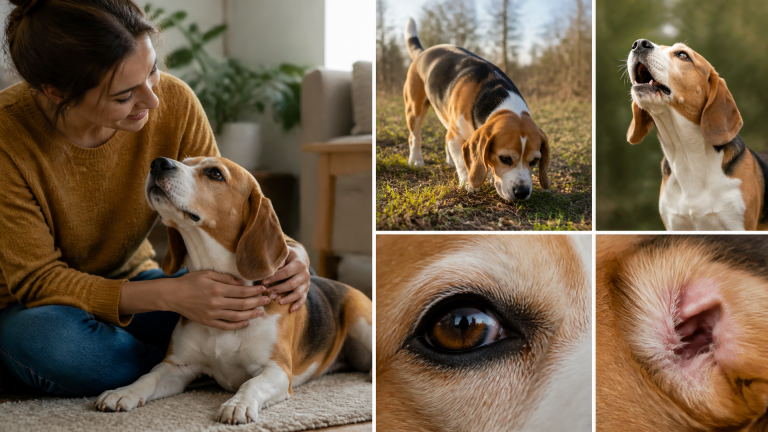
1. Look – Lift the ear flap and shine a flashlight into the canal. Healthy skin is pale pink and dry. Redness, swelling, or dark discharge means infection or allergy. Chihuahua ears often have more hair growth near the opening — that hair can trap wax, so check closely.
2. Smell – A yeasty or musty odor is a strong sign of infection. No odor is a good sign. If the smell is metallic or foul, that could mean a bacterial infection.
3. Feel – Run your finger along the base of the ear canal. Any heat, swelling, or flinching means inflammation. Chihuahuas are sensitive; if your dog pulls away, stop and see the vet.
4. Wipe (if needed) – Use a vet-recommended ear cleaner on a cotton ball. Never use Q-tips — they push debris deeper and can rupture the eardrum. Also avoid hydrogen peroxide, which can damage delicate tissue.
Verification step: If you suspect moisture, tilt your Chihuahua’s head gently and look for water droplets near the ear opening. Then let them shake naturally after a bath and see if the clapping stops. If it doesn’t, move to inspecting for debris or infection. Repeat clapping 10+ minutes after drying means something else is wrong.
Product tip: Alcohol-free ear cleaners like Virbac Epi-Otic or Zymox are widely trusted for gentle cleaning. For Chihuahuas, choose a solution that’s labeled for sensitive ears. Only clean if you see visible dirt or wax — over-cleaning can strip protective oils and worsen irritation.
Why Over-Cleaning Can Backfire (The Trade-Off You Need to Know)
Here’s a mistake many owners make: They see ear clapping and immediately reach for ear wipes or cotton swabs. But cleaning too often or too aggressively can cause its own problems. Over-cleaning strips the ear canal’s natural protective barrier, leading to dryness, inflammation, and even secondary infections. The ear may start itching more, prompting more clapping — a vicious cycle. Chihuahuas with thin, sensitive skin are especially vulnerable to this.
A better approach: Clean only when you see visible dirt or wax, or after water exposure. If the ear looks clean and smells normal, leave it alone. When you do clean, use the proper technique (fill, massage, let shake — see below). If clapping continues despite clean, dry ears, the problem isn’t debris — it’s likely allergy or infection that needs a vet’s diagnosis. And don’t forget: Some dogs produce more ear wax naturally — that’s normal as long as it’s not excessive.
Expert Tips for Healthy Chihuahua Ears
Tip 1: Dry ears thoroughly after water exposure
Actionable step: After baths or swimming, gently blot the ear canal opening with a dry cotton ball. Then let your Chihuahua shake naturally before you release them. Repeat with a fresh cotton ball if needed.
Common mistake: Wiping the inside of the ear with a towel — that can leave lint and bacteria. Use cotton balls only. Also, avoid getting water in the ears during baths by plugging them with a cotton ball (loosely).
Tip 2: Use a proper cleaning technique, not “just wipe”
Actionable step: Fill the ear canal with a cleaning solution, massage the base for 30 seconds, then let your dog shake out the excess. Wipe the outer ear with a clean pad.
Common mistake: Skipping the massage — that step loosens debris, making the shake more effective. Also, using too much solution can cause temporary muffled hearing, making your dog shake more aggressively. For small Chihuahua ears, use only a few drops.
Tip 3: Rule out food allergies before assuming infection
Actionable step: If your Chihuahua has recurring ear clapping without discharge, try an 8-week elimination diet with a novel protein (e.g., duck or rabbit) and a single carbohydrate (e.g., sweet potato). Track symptoms daily.
Common mistake: Switching to “grain-free” kibble. Many dogs are allergic to specific proteins (chicken, beef, dairy), not grains. Work with your vet or a veterinary nutritionist to identify the trigger. Also, some Chihuahuas react to corn or soy fillers.
Tip 4: Add omega-3 fatty acids to their diet
Actionable step: A daily fish oil supplement (vet-approved dosage based on weight) can reduce overall inflammation, including in the ears.
Common mistake: Overdosing — too much fish oil can cause loose stools. Stick to the label’s weight-based recommendation or ask your vet.
Quick Decision Aid: Ear Clap Cheat Sheet
Use this checklist when you notice your Chihuahua clapping their ears:
- [ ] Is the clapping accompanied by head shaking, pawing, or rubbing?
- [ ] Is there a bad odor or visible discharge from the ear?
- [ ] Does the inner ear flap look red, swollen, or scabbed?
- [ ] Has the clapping been happening more than 2 days straight?
- [ ] Is your dog tilting their head or seeming off-balance?
- [ ] Have you recently changed food or treats?
Pass (all no): Likely harmless — dry or itchy ear. Try a gentle ear wipe and monitor for 48 hours.
Fail (any yes): Schedule a vet visit this week. If balance issues, go today. Also, if the answer to the last question is yes, consider a food allergy trial.
FAQ About Chihuahua Ear Clapping
Q: Can ear clapping be a sign of happiness?
A: Rarely. A single lazy flick during a stretch or yawn might be coincidental, but repeated clapping is almost always a response to irritation, not a happy gesture.
Q: My Chihuahua only claps one ear — should I be worried?
A: Not necessarily. A single ear can trap moisture or debris just as easily. Check that ear thoroughly. If both ears clap equally, the cause is more likely systemic (allergies).
Q: How often should I clean my Chihuahua’s ears?
A: Once a week for inspection, but only clean the interior when you see wax or dirt. For most healthy Chihuahuas, cleaning once a month is enough unless they swim or get bathed weekly.
Save This Guide
Chihuahua ear clapping is normal when occasional — but repeated claps are a clue, not a quirk. Check ears weekly, dry after water, and never clean deeper than the visible canal. Over-cleaning can make things worse, so err on the side of leaving clean ears alone. When in doubt, a quick vet exam saves you (and your pup) a lot of discomfort. Keep this page bookmarked for your next ear check — your Chihuahua will thank you.
Disclosure: We may earn a commission if you purchase products through links on this page, at no extra cost to you.