Grooming Essentials for Scottish Terriers
Grooming is a crucial aspect of maintaining the health and appearance of Scottish Terriers, known for their distinctive wiry coats and charming personalities. Proper grooming not only enhances their aesthetic appeal but also contributes to their overall well-being by preventing skin issues and matting. To effectively care for these unique dogs, it is essential to understand their coat types and select the appropriate tools to manage them. This article will provide a comprehensive guide on how to trim a Scottish Terrier, including techniques for bathing, trimming, and addressing shedding. By following these grooming essentials, owners can ensure their Scottish Terriers remain healthy, comfortable, and looking their best.
Free Dog Training Workshop
How to train your dog to be as calm and obedient as a service dog.
k9ti.org
Choosing the Right Brush
Selecting the appropriate brush is crucial for maintaining the coat of a Scottish Terrier. Different brush types serve specific purposes and can significantly impact the grooming process. Understanding these tools, along with effective brushing techniques, will ensure optimal care for your pet’s unique grooming needs.
Brush Types Explained
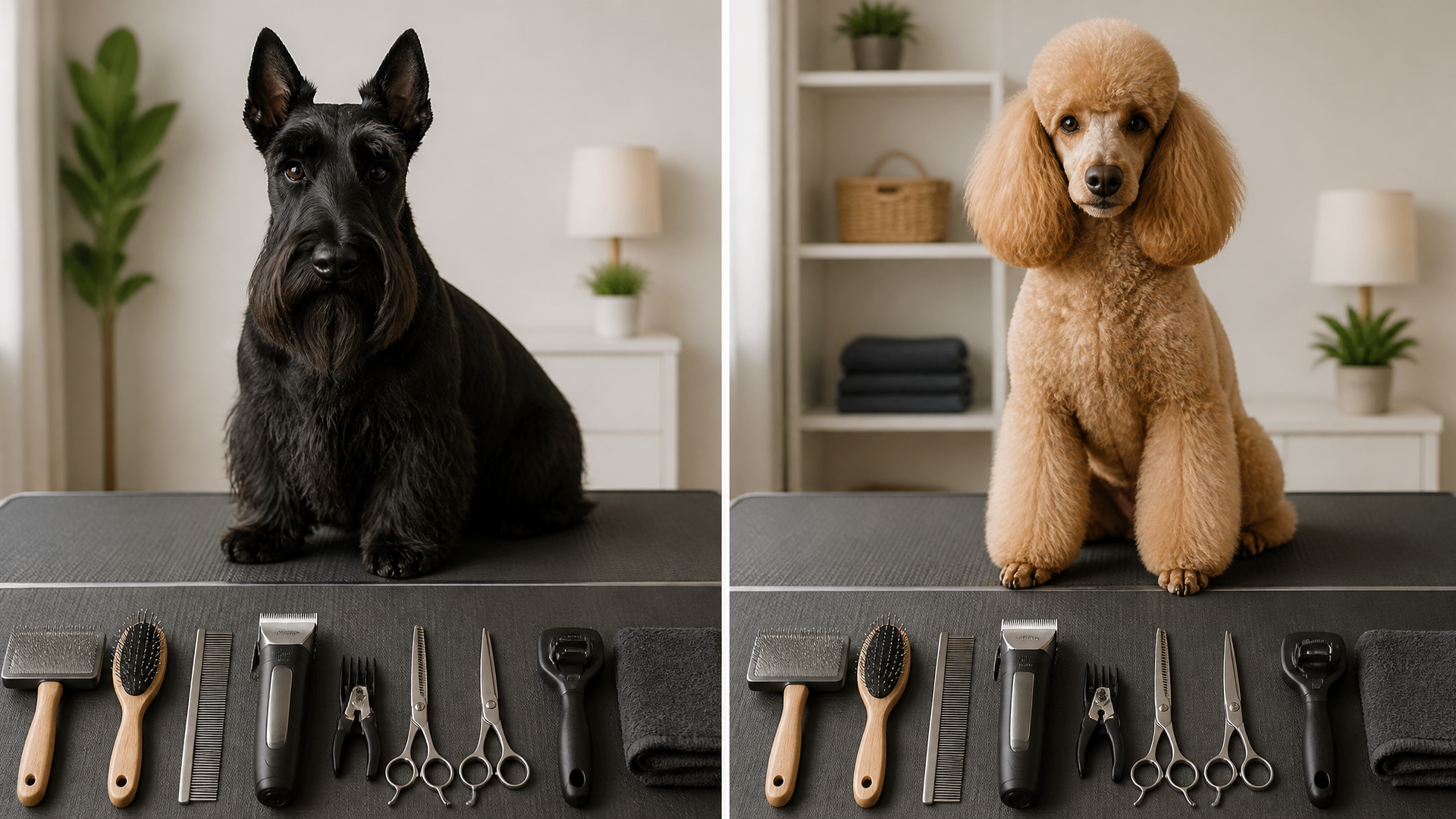
An understanding of various brush types is essential for effectively managing the specific coat characteristics of a Scottish Terrier. The slicker brush is ideal for detangling and removing loose hair, making it a popular choice among groomers. A bristle brush, on the other hand, is useful for smoothing the coat and distributing natural oils, promoting a healthy appearance. For more extensive grooming needs, a comb can help to access hard-to-reach areas and remove any remaining debris. Lastly, a stripping knife is employed to maintain the distinctive texture of a Scottish Terrier’s coat, ensuring it remains in optimal condition.
Brushing Techniques Tips
Effective brushing techniques are essential for removing loose hair and preventing matting in a Scottish Terrier’s coat. To achieve optimal results, it is important to brush in the direction of hair growth, ensuring that the undercoat is adequately addressed. Using a slicker brush can effectively remove tangles, while a bristle brush helps distribute natural oils throughout the coat. Regular grooming sessions should be scheduled to maintain coat health and minimize shedding. Additionally, incorporating a gentle touch during brushing will make the experience more enjoyable for the dog.
Understanding Coat Types
Understanding coat types is crucial for effective grooming and maintenance of Scottish Terriers. Each coat type presents unique characteristics that influence grooming techniques and frequency. Recognizing these differences allows owners to tailor their grooming approach to meet specific needs.
Coat Characteristics Overview
Coat characteristics of Scottish Terriers include a dense, wiry outer layer and a softer undercoat, which together contribute to the breed’s distinctive appearance and require specific care considerations. The outer coat provides protection against harsh weather and elements, while the undercoat offers insulation. Regular grooming is essential to prevent matting and to maintain the coat’s health and appearance. Furthermore, the texture and thickness of the coat can vary among individual dogs, impacting grooming frequency and methods. Understanding these characteristics lays the groundwork for exploring the various types of Scottish Terrier coats.
Types of Scottish Terrier Coats
The types of Scottish Terrier coats primarily include the rough, which features a dense and wiry texture, and the soft, characterized by a smoother and less coarse feel. The rough coat is known for its resilience and ability to withstand harsh weather conditions, making it suitable for outdoor activities. In contrast, the soft coat tends to be more prone to matting and requires different maintenance techniques. Each coat type also varies in terms of shedding patterns and seasonal grooming needs. Understanding these distinctions is essential for determining the appropriate grooming needs based on the specific coat type.
Grooming Needs by Coat
Grooming needs vary significantly based on the specific coat type of Scottish Terriers, necessitating tailored approaches to maintain their health and appearance. For example, wire-haired coats require regular hand-stripping to remove dead hair and promote healthy growth, while softer coats may benefit from frequent brushing to prevent matting. Additionally, the frequency of baths can differ, with some coat types needing more attention due to oil accumulation or dirt. Proper grooming techniques not only enhance the dog’s aesthetic appeal but also contribute to their overall skin health. Understanding these specific grooming requirements leads seamlessly into the discussion of essential grooming tools necessary for effective maintenance.
Essential Grooming Tools
Essential grooming tools for Scottish Terriers include high-quality brushes, clippers, and combs designed to manage their unique coat texture. The bristle brush is essential for removing loose hair and preventing matting, while a slicker brush helps to detangle and smooth the coat. For trimming and shaping, a set of clippers with adjustable blades is necessary to maintain their distinctive silhouette. Additionally, a comb with both wide and fine teeth allows for thorough grooming, reaching both the undercoat and the outer layer. Nail clippers or grinders are crucial for keeping their nails at an appropriate length, preventing discomfort and potential injury. Ear cleaning tools, such as cotton balls and ear cleaner solution, help maintain ear health and hygiene. It is also beneficial to have grooming scissors on hand for precise touch-ups around sensitive areas. A grooming apron can protect clothing while grooming, ensuring a cleaner process overall. Following the grooming routine, understanding the proper bathing techniques for Scottish Terriers is essential for maintaining their overall coat health and appearance.
Bathing Techniques for Scottish Terriers
Effective bathing techniques are crucial for maintaining the hygiene and coat quality of Scottish Terriers. Understanding the specific needs of this breed ensures a positive bathing experience that promotes their overall health and well-being. The following points outline key considerations for achieving the best results during bath time.
Choosing the Right Shampoo
Choosing the right shampoo specifically formulated for Scottish Terriers is vital to address their unique skin and coat requirements. It is essential to select a product that is gentle and free from harsh chemicals to avoid irritation. Look for shampoos that contain natural ingredients, such as oatmeal or aloe vera, which help soothe the skin and maintain moisture. Additionally, a formula designed for long-haired breeds will help prevent matting and tangling in their distinctive coat. Regular use of the appropriate shampoo contributes to a healthier, shinier coat and overall well-being for your Scottish Terrier.
Preparing for Bath Time
Preparation for bath time involves gathering all necessary supplies and creating a calm environment that will help reduce stress for the Scottish Terrier. It is essential to ensure that the bathing area is free from distractions and that the temperature is comfortable for the dog. Having all required items, such as shampoo, towels, and brushes, within reach will streamline the process. Additionally, using positive reinforcement can help the dog associate bath time with a pleasant experience. Following these steps will facilitate a smoother transition into the drying methods explained.
Drying Methods Explained
Various drying methods can greatly influence the comfort and coat condition of Scottish Terriers following their bath. Toweling is a gentle method that absorbs excess moisture while minimizing stress for the dog. Forced air dryers are effective for thorough drying but should be used with caution to avoid overheating the skin. Air drying can be a natural alternative, though it may take longer and lead to a damp smell if not properly managed. Selecting the right drying technique is essential to maintain the health and appearance of the coat.
Frequency of Baths
The frequency of baths for Scottish Terriers should be carefully managed to prevent skin irritation while ensuring that their coat remains clean and healthy. Ideally, these dogs should be bathed every 4 to 6 weeks, depending on their activity level and exposure to dirt. Overbathing can strip the natural oils from their skin, leading to dryness and potential dermatological issues. It is important to monitor their coat condition and adjust the bathing schedule accordingly. Consulting with a veterinarian or a professional groomer can provide tailored recommendations for individual dogs.
Trimming and Clipping Guidelines
Effective trimming and clipping are essential components of grooming for Scottish Terriers, ensuring their coats remain healthy and well-maintained. Understanding the appropriate tools and techniques can lead to optimal results, while adhering to a regular maintenance schedule is crucial for the breed. The following points will outline key aspects of trimming and clipping guidelines to enhance your grooming routine.
Trimming Tools Overview
An overview of trimming tools highlights the importance of selecting the right equipment to achieve precise grooming results for Scottish Terriers. High-quality scissors, specifically designed for dog grooming, are essential for detailed trimming around sensitive areas. Clipper blades come in various sizes, allowing for versatility in achieving different coat lengths and styles. Additionally, combs and brushes play a vital role in preparing the coat for trimming, ensuring that tangles are addressed beforehand. Investing in the right tools not only enhances the grooming experience but also contributes to the overall health and appearance of the Scottish Terrier’s coat.
Clipping Techniques Explained
Clipping techniques play a pivotal role in achieving a polished and well-groomed appearance for Scottish Terriers, necessitating a thorough understanding of the specific needs of their unique coat type. Proper clipping not only enhances the dog’s aesthetic appeal but also promotes skin health by preventing matting and tangling. It is essential to use high-quality clippers designed specifically for dog grooming, ensuring a smooth and comfortable experience for the animal. Additionally, approaching the clipping process with a structured routine can minimize stress for both the groomer and the dog. Regularly assessing the coat condition will help in determining the appropriate clipping frequency and technique for optimal results.
Maintenance Frequency Recommendations
Maintenance frequency recommendations for grooming Scottish Terriers typically suggest a schedule of every six to eight weeks to maintain coat health and appearance. Regular grooming prevents matting and tangling, which can lead to skin issues if left unaddressed. It is advisable to establish a routine to ensure that the coat remains in optimal condition and to promote a healthy skin environment. Additionally, adhering to this schedule allows for early detection of any potential skin problems or parasites. Following this maintenance plan is also essential when considering methods for effectively dealing with shedding.
Dealing with Shedding
Dealing with shedding is a crucial aspect of grooming that every Scottish Terrier owner should be prepared for. Recognizing the specific shedding patterns of this breed allows for more effective management and maintenance of their coats. By implementing targeted solutions, owners can minimize the impact of shedding on their homes and maintain the health of their pets.
Understanding Shedding Patterns
Understanding shedding patterns in Scottish Terriers is essential for optimizing grooming routines and enhancing the overall well-being of the breed. Scottish Terriers typically exhibit a unique shedding cycle influenced by factors such as seasonal changes and hormonal fluctuations. Regular brushing can help manage loose hairs, reducing the amount that falls onto furniture and floors. Additionally, monitoring diet and health can play a significant role in the condition of their coats and shedding behavior. Implementing a consistent grooming schedule not only aids in controlling shedding but also promotes skin health and coat vitality.
Effective Shedding Solutions
Effective shedding solutions encompass a variety of grooming tools and techniques tailored to the unique coat structure of Scottish Terriers, ensuring optimal coat health while minimizing hair loss in the home environment. Regular brushing with a slicker brush and a comb can help remove loose hair and prevent matting, which is essential for this breed. Additionally, incorporating de-shedding tools can effectively reduce excess fur, particularly during seasonal changes. Bathing with suitable canine shampoos also contributes to coat vitality, supporting the shedding process and maintaining skin health. As part of a comprehensive grooming regimen, addressing shedding is integral to overall pet care, which seamlessly transitions into the importance of maintaining ear and eye health.
Maintaining Ear and Eye Health
Maintaining ear and eye health is crucial for the overall well-being of Scottish Terriers. Regular attention to these areas can prevent common issues and enhance their quality of life. The following points outline essential practices and considerations for effective ear and eye care.
Regular Cleaning Techniques
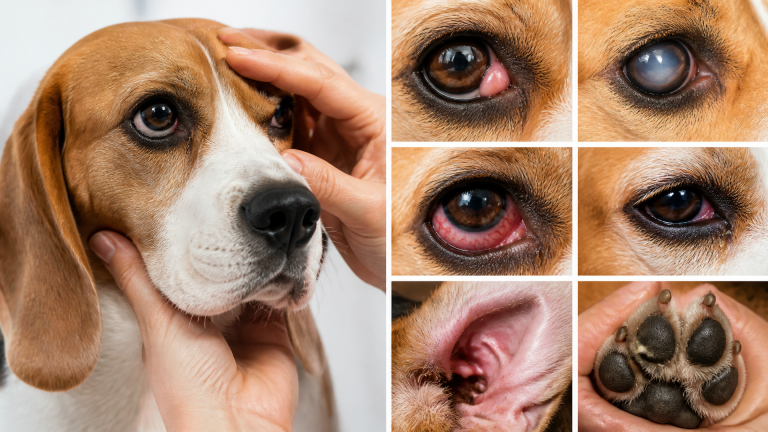
Regular cleaning techniques play a vital role in preventing infections and ensuring the longevity of ear and eye health in Scottish Terriers. Routine examination of the ears and eyes allows for early detection of any abnormalities or signs of infection. Utilizing appropriate cleaning solutions specifically designed for pets is essential to avoid irritation or damage. Gentle wiping of the outer ear and surrounding areas should be performed regularly to maintain hygiene. Additionally, monitoring tear production and removing discharge from the eyes can significantly contribute to the overall health of these areas.
Signs of Infection
The presence of swelling, discharge, or excessive scratching often indicates an infection in the ears or eyes of Scottish Terriers. These symptoms can lead to discomfort and may require immediate veterinary attention to prevent further complications. It is essential for owners to recognize these signs early to ensure prompt treatment. Regular inspections can help identify potential issues before they escalate. To effectively manage ear and eye health, specific grooming tools are required to maintain cleanliness and prevent infections.
Grooming Tools Required
Grooming tools required for Scottish Terriers include high-quality brushes, combs, and clippers to ensure a well-maintained coat and overall hygiene. Additionally, specialized grooming scissors are essential for trimming around sensitive areas while maintaining the breed’s distinctive appearance. Nail clippers or grinders are also necessary to keep their nails at a manageable length, preventing discomfort and potential injury. Ear cleaning solutions and cotton balls are vital for maintaining ear health and preventing infections. To ensure the overall health of your Scottish Terrier, regular veterinary check-ups are equally important.
Veterinary Check-Up Importance
Veterinary check-ups play a vital role in identifying health concerns early and ensuring that Scottish Terriers receive appropriate care throughout their lives. Regular examinations facilitate the detection of potential ear and eye issues, which are common in this breed. Furthermore, these visits allow for timely vaccinations and preventative treatments, contributing to a longer lifespan. Veterinarians can also provide guidance on grooming practices that promote optimal health in these areas. Ultimately, consistent veterinary care is essential for maintaining the overall well-being of Scottish Terriers.
Nail Care Best Practices
Nail care best practices for Scottish Terriers involve routine trimming to prevent discomfort and potential injury, ensuring the dog’s overall well-being. Regular nail checks should be incorporated into the grooming routine, ideally every three to four weeks. The use of appropriate nail clippers, whether scissor-type or electric, is essential for a clean and effective cut. It is crucial to avoid cutting into the quick, which can cause pain and bleeding. Filing the nails after trimming can also help smooth any sharp edges. Keeping treats on hand can assist in creating a positive experience for the dog during nail care. If the dog is resistant to nail trimming, gradual desensitization techniques should be employed. Regular walks on hard surfaces can naturally help wear down the nails, reducing the need for frequent trims. Overall, consistent nail care contributes significantly to the health and comfort of Scottish Terriers.
Grooming Frequency and Schedule
Establishing an appropriate grooming frequency and schedule is essential to maintain the health and appearance of Scottish Terriers. Regular grooming helps to prevent matting and tangling of their distinctive wiry coat. A bi-weekly brushing is recommended to remove loose hair and debris while distributing natural oils. Bathing should occur approximately every six to eight weeks, using a dog-specific shampoo to preserve coat quality. Additionally, ear cleaning should be performed monthly to prevent infections associated with moisture buildup.
Teeth brushing is also vital; it is advisable to incorporate this into the grooming routine at least two to three times a week. Nail trimming should be conducted every 3 to 4 weeks to ensure comfort and mobility. It is important to observe your dog’s individual needs, as some may require more frequent grooming based on activity level and coat condition. Developing a consistent grooming schedule fosters a positive experience for both the owner and the dog.
Frequently Asked Questions
What are the common health issues associated with scottish terriers that might affect grooming needs?
Scottish Terriers, like many dog breeds, are predisposed to certain health issues that can significantly influence their grooming requirements. One common concern is skin allergies, which can lead to increased itching and discomfort, necessitating more frequent bathing and specialized shampoos to alleviate symptoms. Additionally, conditions such as ear infections may arise, requiring regular cleaning and inspection of the ears to prevent buildup and promote hygiene. Dental issues are also prevalent in this breed, highlighting the importance of routine dental care, which can be integrated into grooming practices. Furthermore, obesity can lead to exacerbated skin problems, necessitating a careful management of diet and exercise, which may also impact grooming frequency. Addressing these health concerns through tailored grooming regimens is essential to maintaining the overall well-being of Scottish Terriers.
How can i tell if my scottish terrier is stressed during grooming sessions?
Identifying signs of stress in dogs during grooming sessions is crucial for ensuring their well-being. Common indicators of stress in a Scottish Terrier may include excessive panting, vocalizations such as whining or barking, and attempts to escape or resist handling. Furthermore, a stressed dog may exhibit rigid body language, including tensed muscles or a lowered posture. Additionally, the dog may display behaviors such as licking its lips frequently, yawning excessively, or showing signs of aggression, such as growling or snapping. It is essential to monitor these behaviors closely, as they can signal discomfort or anxiety. By recognizing these signs, owners can modify their grooming approach to create a more positive and calming experience for their pet.
Are there any specific dietary recommendations that can improve my scottish terrier’s coat health?
To enhance the health of a Scottish Terrier’s coat, specific dietary recommendations can be beneficial. A balanced diet rich in high-quality protein is essential, as it supports the growth and maintenance of healthy fur. Incorporating omega-3 and omega-6 fatty acids, found in fish oil or flaxseed oil, can also significantly improve coat texture and shine while reducing inflammation. Additionally, antioxidants such as vitamins E and C play a crucial role in protecting the skin and fur from oxidative stress. It is advisable to consult with a veterinarian to determine the appropriate dietary supplements and ensure they align with the dog’s overall health needs. Ultimately, a well-rounded diet not only promotes a vibrant coat but also contributes to the general well-being of the pet.
Conclusion
Effective grooming practices are essential for maintaining the health and appearance of Scottish Terriers. A tailored approach, considering individual coat types and specific needs, ensures optimal outcomes in preventing matting and skin issues. Regular bathing, nail trimming, and ear and eye care play crucial roles in promoting overall well-being. Moreover, a balanced diet coupled with awareness of stress signals during grooming sessions enhances both comfort and vitality. Ultimately, consistent grooming routines contribute significantly to the longevity and quality of life for Scottish Terriers.
If you’re looking to expand your grooming knowledge beyond Scottish Terriers, I highly recommend checking out the webpage on Basic Grooming Techniques for Pomeranian Puppies. This resource offers valuable tips tailored specifically for Pomeranian puppies, ensuring your furry friend remains well-groomed and happy. Don’t miss the chance to enhance your grooming skills!