Common Reasons Why Is My Poodle’s Hair Falling Out
Understanding the reasons behind a poodle’s hair loss is crucial for maintaining their overall health and well-being. Many pet owners often find themselves asking, "why is my poodle’s hair falling out?" This concern can stem from various factors, including allergies, skin infections, and nutritional deficiencies. Additionally, stress, hormonal imbalances, and improper grooming techniques may contribute to this troubling issue. By identifying and addressing these common causes, poodle owners can help ensure their beloved pets maintain a healthy and vibrant coat.
Dog always misbehaving?
Learn how service dogs are trained to never bark out of excitement. Free workshop!
k9ti.org
Key Takeaways
Allergies, both food-related and environmental, are significant contributors to hair loss in Poodles, requiring targeted treatments such as antihistamines and specialized diets.
Skin infections and parasites can cause severe itching and irritation, necessitating the use of topical medications, oral antibiotics, and antiparasitic drugs.
Stress and hormonal imbalances can exacerbate hair loss, highlighting the importance of identifying stressors and ensuring regular veterinary check-ups for early detection.
Proper grooming practices and environmental monitoring are essential for maintaining coat health and preventing excessive hair loss.
Allergies and Sensitivities
Allergies and sensitivities can significantly impact a poodle’s health and well-being, often manifesting in various physical symptoms. Understanding the underlying causes is essential for effective management and treatment of these conditions. By examining the types of allergies, symptoms to watch, common allergens identified, and available treatment options, pet owners can better support their poodle’s needs.
Types of Allergies
Various types of allergies can affect poodles, including food allergies, environmental allergies, and contact allergies, each presenting unique challenges for diagnosis and treatment. Food allergies often arise from specific proteins or additives in commercial dog food, leading to gastrointestinal or dermal issues. Environmental allergies typically stem from pollen, mold, or dust mites, causing respiratory problems and skin irritations. Contact allergies occur when poodles have direct exposure to certain materials, such as plastics or fabrics, resulting in localized reactions. Recognizing these allergies is crucial, as specific symptoms to watch can help identify the underlying issue.
Symptoms to Watch
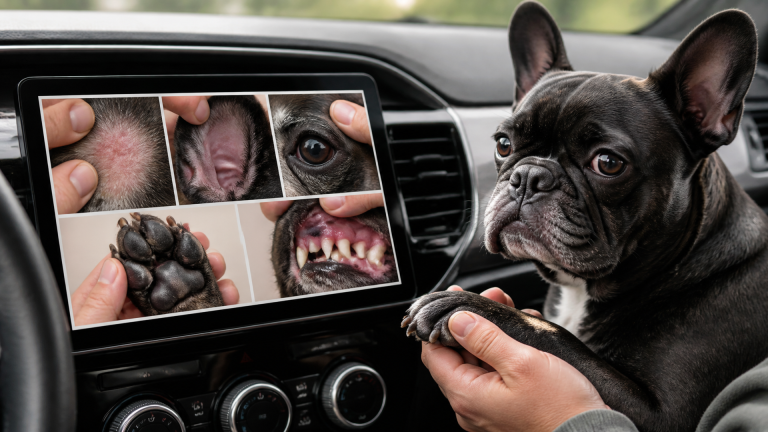
Identifying symptoms associated with allergies and sensitivities is crucial for early intervention and effective management in poodles. Common signs include excessive scratching, biting at the skin, and noticeable hair loss. Additionally, poodles may exhibit symptoms such as redness, swelling, or lesions on the skin, as well as watery eyes or sneezing. Gastrointestinal issues like vomiting or diarrhea can also indicate underlying sensitivities. Recognizing these symptoms is the first step in determining the common allergens identified that may be affecting your poodle’s health.
Common Allergens Identified
Frequent allergens affecting poodles include environmental factors such as pollen, dust mites, and mold, as well as food components like proteins found in certain meats and grains. Seasonal allergies are common, with symptoms often exacerbated during spring and fall. Additionally, some poodles may exhibit sensitivities to specific ingredients in their diets, which can lead to skin irritations and hair loss. Flea allergies are another prevalent issue, where a reaction to flea saliva causes significant discomfort. Identifying and managing these allergens is crucial for maintaining the health and coat integrity of poodles.
Treatment Options Available
Treatment options available for managing allergies in poodles include antihistamines, corticosteroids, and specialized diets tailored to reduce exposure to specific allergens. Antihistamines can alleviate itching and discomfort associated with allergic reactions. Corticosteroids may be prescribed for more severe allergic responses, providing quick relief from inflammation. Specialized diets, often hypoallergenic, help identify and eliminate food-related allergens. Additionally, immunotherapy may be an option for long-term management, gradually desensitizing the poodle to specific allergens.
Skin Infections and Parasites
Skin infections and parasites are significant factors that can contribute to hair loss in poodles. Understanding the underlying issues related to these conditions is crucial for effective diagnosis and treatment. The following points will provide a comprehensive overview of skin infections, common parasites, associated symptoms, and available treatment options.
Skin Infections Overview
An overview of skin infections reveals a range of conditions that can affect poodles, often leading to discomfort and potential complications if left untreated. These infections can manifest as bacterial, fungal, or yeast-related issues, each presenting unique symptoms that require careful evaluation. Common indicators may include redness, itching, and the presence of lesions or discharge, which can exacerbate hair loss. Early intervention is essential to prevent the progression of these infections and to alleviate the associated discomfort. Understanding the role of skin infections sets the stage for exploring how common parasites can further impact a poodle’s health and well-being.
Common Parasites Impact
Common parasites, such as fleas, ticks, and mites, can significantly impact the health and well-being of poodles, leading to various complications including hair loss and skin irritation. These parasites can cause intense itching and discomfort, prompting excessive scratching and biting that further exacerbates hair loss. In addition, some parasites may introduce secondary infections, compounding the issue and complicating treatment. Regular grooming and preventive treatments are essential to mitigate the risk of infestations and protect the poodle’s coat. Early identification and intervention are vital to restore the health of affected poodles and prevent long-term damage.
Symptoms of Infections
Symptoms of infections in poodles can manifest as excessive itching, redness, and the presence of lesions, indicating the need for prompt veterinary evaluation. Other signs may include a foul odor emanating from the skin, hair loss in localized areas, and increased sensitivity upon touch. Additionally, poodles may exhibit changes in behavior such as restlessness or increased grooming habits. In some cases, secondary infections may arise due to scratching or biting at affected areas. Timely diagnosis and treatment are essential to prevent further complications and promote recovery.
Treatment Options Available
A range of treatment options is available to address hair loss in poodles resulting from skin infections and parasites. Topical treatments, such as medicated shampoos and ointments, can effectively target localized infections. Oral antibiotics may be prescribed to combat systemic bacterial infections. Additionally, antiparasitic medications can eliminate infestations caused by fleas, ticks, or mites. Regular veterinary check-ups are essential to monitor the condition and adjust treatment as necessary.
Poor Nutrition and Diet
Poor nutrition and diet can significantly contribute to hair loss in poodles, as deficiencies in essential nutrients may lead to weakened hair follicles and overall coat health. A lack of protein in the diet can hinder the production of keratin, a crucial protein for hair structure and growth. Essential fatty acids, particularly omega-3 and omega-6, play a vital role in maintaining skin health and promoting a shiny coat. Additionally, vitamins such as biotin, vitamin E, and zinc are necessary for optimal hair growth and strength. When these nutrients are lacking, poodles may experience increased shedding and thinning of their fur. Poor quality commercial dog foods often lack the balanced nutrition required for a healthy coat. Furthermore, sudden changes in diet can lead to digestive upset, exacerbating skin issues that contribute to hair loss. Regularly monitoring a poodle’s dietary intake can help prevent nutritional deficiencies. Consulting with a veterinarian or a pet nutritionist can ensure that a poodle receives a well-rounded diet to support healthy hair growth.
Stress and Anxiety
Stress and anxiety can significantly contribute to hair loss in poodles, often manifesting as excessive grooming or changes in behavior. These emotional disturbances can arise from various triggers, including changes in the household environment, loss of a companion, or loud noises. Poodles are particularly sensitive to their surroundings, making them more susceptible to stress-related issues. When experiencing anxiety, a poodle may engage in compulsive behaviors, such as licking or biting at their coat, leading to hair thinning or bald patches.
Additionally, prolonged stress can result in hormonal imbalances that exacerbate hair loss. Regular exposure to stressful situations may also lead to a decreased immune response, making the poodle more vulnerable to skin infections that further complicate hair loss. It is crucial for pet owners to identify potential stressors and implement strategies to mitigate their impact. Creating a calming environment, providing mental stimulation, and ensuring consistent routines can help alleviate anxiety in poodles. Consulting with a veterinarian or animal behaviorist may be beneficial for developing tailored solutions to address these concerns.
Hormonal Imbalances
Hormonal imbalances can significantly affect a Poodle’s overall health and well-being, often manifesting in troubling symptoms such as hair loss. Understanding the underlying hormonal disorders is crucial for addressing these issues effectively. Among the common causes are thyroid issues, which play a pivotal role in regulating various physiological functions.
Hormonal Disorders in Poodles
Understanding the various hormonal disorders in Poodles is essential for developing effective treatment strategies and improving the quality of life for affected animals. These disorders can lead to a range of symptoms, including changes in coat condition, behavior, and overall health. Conditions such as hyperadrenocorticism and hypothyroidism are particularly prevalent in this breed and warrant careful attention. Early detection and appropriate intervention can mitigate the negative effects on the animal’s quality of life. The subsequent discussion will delve into the specific impact of thyroid issues on Poodles.
Impact of Thyroid Issues
Thyroid issues can lead to a range of health complications in Poodles, including lethargy, weight fluctuations, and changes in coat quality. These hormonal imbalances can disrupt the normal growth cycle of hair follicles, resulting in noticeable hair loss. Additionally, the immune system may be compromised, further exacerbating the problem. Regular veterinary check-ups are essential for early detection and management of thyroid dysfunction. Understanding these conditions also helps in differentiating between thyroid-related hair loss and natural seasonal shedding.
Seasonal Shedding
Seasonal shedding is a natural phenomenon observed in various dog breeds, including poodles, as they adjust to changes in temperature and daylight. This process can lead to noticeable hair loss, prompting pet owners to seek clarity on its causes and management. Understanding the dynamics of seasonal shedding is essential for maintaining your poodle’s coat health and overall well-being.
Understanding Seasonal Shedding
The phenomenon of seasonal shedding in dogs, particularly in poodles, is influenced by environmental changes that affect their coat cycle. As daylight hours increase or decrease, hormonal shifts occur, triggering the shedding process. This natural cycle typically aligns with the transition between seasons, particularly in spring and fall. Poodles, known for their dense, curly coats, may exhibit increased hair loss during these periods as they adapt to temperature fluctuations. Recognizing this pattern can help owners differentiate between normal shedding and potential underlying health issues.
Managing Shedding Phases
Effective management of shedding phases requires a combination of regular grooming, appropriate nutrition, and environmental adjustments to minimize discomfort and maintain coat quality. Regular brushing helps remove loose hair and prevents matting, while a balanced diet supports healthy skin and fur. Additionally, creating a comfortable living environment can reduce stress, which may exacerbate shedding. Monitoring seasonal changes and adjusting grooming routines accordingly can also greatly benefit the poodle’s coat. However, neglecting proper grooming techniques can lead to further complications that must be addressed.
Improper Grooming Techniques
Improper grooming techniques can significantly impact the health and appearance of a Poodle’s coat, leading to excessive hair loss. Factors such as the selection of grooming tools, the frequency of grooming sessions, and the methods employed for brushing can all contribute to these issues. Additionally, the misuse of bathing products may further exacerbate the problem, highlighting the importance of proper grooming practices.
Grooming Tool Selection Issues
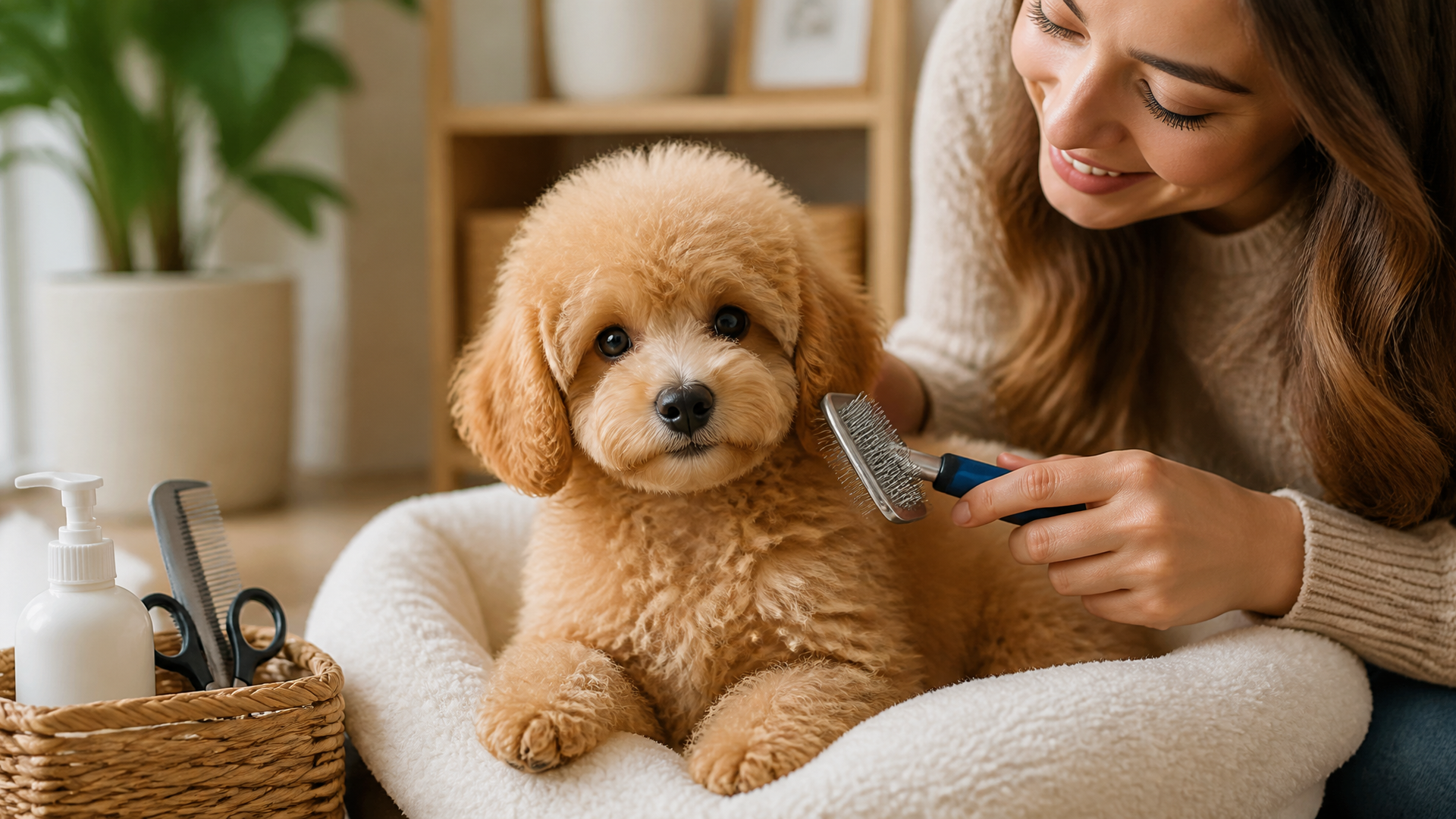
Grooming tool selection issues can lead to inadequate coat maintenance, ultimately affecting the overall health and aesthetics of a Poodle’s fur. The use of inappropriate brushes or combs can result in breakage and matting, exacerbating hair loss. Additionally, tools that are not designed for Poodles’ unique coat texture may fail to effectively remove loose hair and debris. This oversight can create an environment conducive to skin irritation and infections. Consequently, selecting the right grooming tools is essential for preserving the integrity of a Poodle’s luxurious coat.
Frequency of Grooming Sessions
Regularity in grooming sessions plays a crucial role in maintaining the health and appearance of a Poodle’s coat, helping to prevent matting and promoting overall hygiene. Insufficient grooming frequency can lead to the accumulation of dead hair and debris, which may contribute to skin irritation and hair loss. A consistent grooming schedule allows for the timely identification of potential skin issues or parasites that could affect the coat’s integrity. Moreover, frequent grooming helps distribute natural oils throughout the fur, enhancing its luster and texture. Ultimately, adhering to an appropriate grooming frequency is essential for preserving the overall condition of a Poodle’s coat.
Brushing Techniques to Avoid
Certain brushing techniques, such as using excessive force or employing tools with harsh bristles, can lead to discomfort and damage to a Poodle’s delicate coat. Additionally, using the wrong type of brush for a Poodle’s specific coat type can contribute to tangling and breakage. Failing to detangle knots gently before brushing can also cause stress and pain for the dog. Frequent brushing without allowing for proper rest periods may irritate the skin and exacerbate hair loss. Finally, neglecting to clean grooming tools regularly can result in the transfer of dirt and bacteria, further compromising coat health.
Bathing Products Misuse
The misuse of bathing products can lead to skin irritation and diminished coat quality in Poodles, underscoring the necessity for selecting appropriate formulations tailored to their specific needs. Utilizing products not designed for Poodles can strip natural oils, resulting in dryness and increased shedding. Additionally, over-bathing can disrupt the skin’s natural barrier, making the coat more susceptible to environmental stressors. It is essential to choose shampoos and conditioners that are gentle and pH-balanced to maintain coat integrity. Regularly reviewing the ingredients of bathing products will ensure the continued health and vitality of a Poodle’s coat.
Medical Conditions and Illnesses
Medical conditions and illnesses can significantly impact the health and well-being of poodles, often manifesting as changes in their coat condition. Understanding the underlying causes of hair loss is crucial for proper diagnosis and treatment. The following points outline some common medical issues that may contribute to this concern in poodles.
Hormonal Imbalances in Poodles
Hormonal imbalances in poodles often lead to various health issues, including coat thinning and changes in texture, which require careful assessment and management. Conditions such as hypothyroidism can result in significant hair loss and alterations in the quality of the coat. Cushing’s disease is another hormonal disorder that may cause excessive shedding and skin changes. Additionally, fluctuations in hormone levels during heat cycles can affect coat appearance and health. Identifying and addressing these hormonal issues is essential for restoring the poodle’s coat vitality.
Skin Infections and Allergies
Skin infections and allergies are prevalent issues in poodles, often leading to discomfort and further complications if not addressed promptly. These conditions can result in itching, inflammation, and ultimately, significant hair loss. Common allergens include environmental factors, such as pollen or dust mites, as well as food sensitivities that can trigger reactions. Additionally, bacterial or fungal infections may develop secondary to skin irritations, exacerbating the problem. Understanding these factors is essential, as they may also intersect with more complex health issues, such as autoimmune disorders in dogs.
Autoimmune Disorders in Dogs
Autoimmune disorders in dogs can lead to a variety of symptoms, including hair loss, inflammation, and skin lesions, which may require comprehensive veterinary intervention for management and treatment. These disorders occur when the immune system mistakenly attacks the body’s own tissues, resulting in chronic conditions that can affect the skin and coat. Poodles, due to their genetic predispositions, may be particularly susceptible to certain autoimmune diseases, such as pemphigus or lupus. Prompt diagnosis and tailored treatment plans are essential to mitigate the impact of these disorders on the dog’s overall health. Regular veterinary check-ups can facilitate early detection and improve the prognosis for affected poodles.
Environmental Factors
Environmental factors play a significant role in the health and appearance of a poodle’s coat. Various external influences can contribute to hair loss, reflecting changes in both the natural environment and the dog’s living conditions. Understanding these factors is essential for addressing the underlying causes of shedding and maintaining optimal coat health.
Seasonal Shedding Patterns
Seasonal shedding patterns are influenced by changes in temperature and daylight hours, leading to variations in the frequency and volume of coat loss in poodles throughout the year. During spring and fall, poodles typically experience more pronounced shedding as they transition between their winter and summer coats. This process is often marked by an increase in loose hair, necessitating more frequent grooming sessions. Additionally, individual poodles may exhibit different shedding behaviors based on their specific environments and health conditions. Understanding these seasonal patterns can aid in the effective management of a poodle’s grooming needs.
Allergens in the Environment
Allergens in the environment can significantly impact a poodle’s coat health, leading to increased shedding and potential skin irritations. Common allergens include pollen, dust mites, mold, and pet dander, all of which can trigger allergic reactions in sensitive dogs. Exposure to these allergens may result in inflammation and discomfort, prompting the poodle to scratch, leading to further hair loss. Additionally, environmental changes such as humidity and temperature fluctuations can exacerbate allergic reactions, affecting coat vitality. Therefore, monitoring and managing allergen exposure is crucial for maintaining a poodle’s overall coat health.
Temperature and Humidity Effects
Temperature and humidity levels significantly influence the condition of a poodle’s coat, affecting both the texture and the frequency of shedding. High humidity can lead to a frizzy coat, while low humidity often causes dryness and brittleness. Conversely, extreme temperatures can contribute to stress-related shedding as the poodle’s body attempts to adapt to its environment. Regular grooming and proper care can help mitigate these effects, promoting a healthier coat. However, environmental stressors are not the sole contributors to coat health; poor nutrition also plays a critical role in maintaining a poodle’s overall well-being.
Impact of Poor Nutrition
The impact of poor nutrition on a poodle’s coat can lead to deficiencies that manifest as brittle hair and excessive shedding, ultimately compromising the dog’s overall health and appearance. An inadequate intake of essential fatty acids can result in a dry, dull coat that lacks luster. Additionally, insufficient protein levels may impede the growth of strong, healthy hair follicles. Micronutrient deficiencies, such as those in vitamins A, E, and biotin, can further exacerbate coat issues and contribute to skin irritations. Therefore, ensuring a balanced diet is crucial for maintaining the integrity and vitality of a poodle’s coat.
Age-Related Hair Loss
Age-related hair loss in poodles can be attributed to a gradual decline in the production of hair follicles as they mature. This condition often becomes noticeable as the dog ages, typically around the age of seven or eight. The thinning of the coat may be accompanied by changes in hair texture and color. Hormonal changes, including fluctuations in estrogen and testosterone levels, can further contribute to this process. Additionally, older poodles may experience a decrease in the overall health of their skin, leading to increased shedding.
Genetic predisposition also plays a role, with some poodles being more susceptible to age-related alopecia than others. Nutritional deficiencies, particularly in essential fatty acids and vitamins, may exacerbate hair loss in senior dogs. Regular veterinary check-ups are essential to monitor the health of aging poodles and address any underlying issues. Ultimately, understanding the causes of age-related hair loss can assist pet owners in providing appropriate care and support for their beloved companions.
Frequently Asked Questions
Are there specific breeds of poodles that are more prone to hair loss?
Certain breeds of poodles may exhibit varying susceptibilities to hair loss due to genetic predispositions and environmental factors. Standard, Miniature, and Toy Poodles all share similar coat characteristics; however, individual health conditions and grooming practices can influence their overall coat health. Additionally, factors such as hormonal imbalances, allergies, and skin infections may affect hair loss across different poodle sizes. It is essential for owners to monitor their poodles’ coat conditions and consult with a veterinarian if significant hair loss occurs.
How can i tell if my poodle’s hair loss is temporary or permanent?
Determining whether a poodle’s hair loss is temporary or permanent involves a careful observation of several factors. Assessing the pattern and duration of the hair loss, alongside any accompanying symptoms such as itching or skin irritation, can provide valuable insights. Additionally, consulting with a veterinarian is essential for a proper diagnosis, as they can identify potential underlying health issues or environmental factors contributing to the condition. Regular grooming and monitoring can also help track changes and inform discussions with your veterinarian regarding your poodle’s health.
What home remedies can i try to help with my poodle’s hair loss?
To address your poodle’s hair loss, several home remedies may prove beneficial. Ensuring a balanced diet rich in essential fatty acids can promote healthy fur and skin, while regular grooming helps remove dead hair and stimulates the skin. Additionally, applying natural oils, such as coconut or olive oil, can provide moisture and nourishment to the coat. However, it is crucial to monitor the condition closely and consult a veterinarian if hair loss persists, as it may indicate an underlying health issue.
If you’re interested in learning more about unique pet characteristics, I highly recommend visiting this informative page on the Scottish Fold’s unique ear structure. Understanding how these distinct features develop can enhance your appreciation for these adorable cats. Check it out here: scottish fold.