Are Sphynx Cats Hypoallergenic: Warning Signs & What To Do
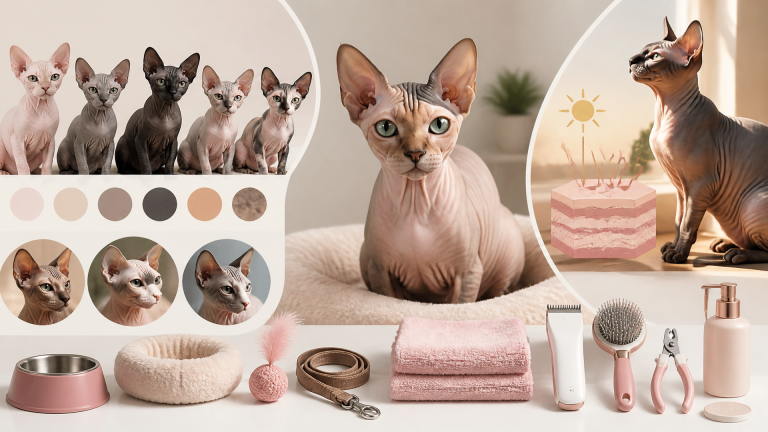
No, Sphynx cats are not hypoallergenic. Despite having no fur to trap dander, these hairless cats produce the same Fel d1 protein in their skin oils and saliva that triggers allergies in most cat-allergic people. In fact, because their skin is exposed and they produce more oil than furred breeds, some owners report worse allergy reactions to Sphynx cats than to coated breeds.

But here’s the catch: individual Sphynx cats vary widely in how much Fel d1 they produce. A neutered female might cause only mild symptoms, while an unneutered male high-producer can trigger severe reactions. Hairlessness itself doesn’t lower allergen output — genetics and hormone levels do. So the answer “not hypoallergenic” applies to the breed as a whole, but your actual experience depends on the specific cat you bring home.
If you’re already living with a Sphynx and noticing symptoms, or you’re considering one and want to know what you’re getting into, here’s what you need to watch for and what actually works.
Why Sphynx Cats Still Trigger Allergies
Most people assume “no fur = no allergies.” That’s the biggest misconception in the breed.
The actual allergy culprit is a protein called Fel d1, which Sphynx cats produce in their:
- Sebaceous glands (skin oil)
- Saliva (spread when they groom)
- Urine and feces
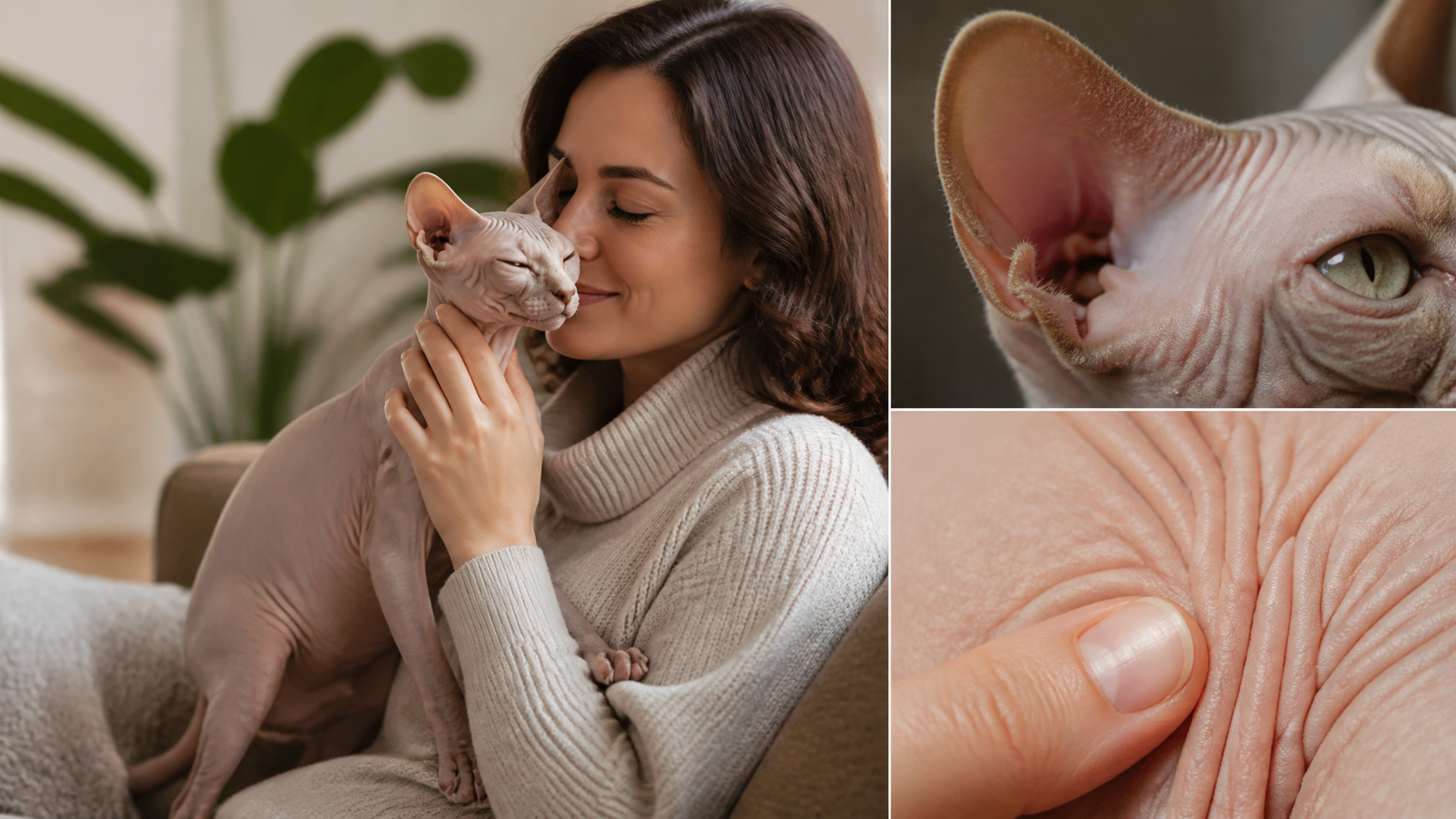
Here’s the Sphynx-specific problem: these cats have a naturally oily skin texture because they lack fur to absorb and distribute their oils. They coat your couch, bed, and skin with Fel d1 every time they rub against you. And because they groom constantly, their saliva dries and becomes airborne as fine particles.
What this means for you: If you’re allergic to cats, you should expect to react to a Sphynx. Do not assume hairless equals safe. Your next step is to test your reaction with the actual cat you plan to adopt — not just a breeder visit where you only see kittens for 15 minutes.
Warning Signs Your Sphynx Is Affecting Your Allergies
The symptoms of cat allergy don’t change because the cat is hairless. Watch for:
- Itchy, watery eyes within 30 minutes of being near the cat
- Runny or stuffy nose that clears when you leave the house
- Sneezing fits — especially in the room where your Sphynx sleeps
- Skin reactions (hives, red patches, itching) where the cat has touched bare skin
- Wheezing or chest tightness, which can escalate quickly in people with asthma
When to escalate: If you’re waking up with congestion every night, developing asthma symptoms, or getting hives from casual contact, over-the-counter antihistamines are a stopgap, not a solution. See an allergist for testing and a personalized plan.
What To Do If You’re Allergic to Your Sphynx
You have three practical paths:
1. Manage symptoms with environmental changes and medication
2. Reduce allergen load through grooming and cleaning
3. Rehome as a last resort if symptoms are severe and unmanageable
Expert Tip #1: Master the Bathing Routine — But Don’t Overdo It
Actionable step: Bathe your Sphynx weekly using a cat-safe, hypoallergenic shampoo formulated for sensitive skin (like Hylyt or DermAllay). This removes the surface oils where Fel d1 concentrates. Follow with a warm damp cloth wipe-down every 2–3 days between baths.
(We may earn a commission from purchases made through links in this article.)
Common mistake to avoid: Over-bathing. Bathing more than once a week strips natural oils, causing the skin to overcompensate and produce more oil — which means more allergen. Stick to a consistent weekly schedule unless your vet advises otherwise.
The tradeoff you need to know: Even the perfect bathing routine only reduces allergen load temporarily. Within 24–48 hours, oil and allergen levels return to baseline. You cannot bathe your way to an allergy-free home.
Expert Tip #2: Create an Allergen-Free Zone in Your Bedroom
Actionable step: Keep your bedroom completely off-limits to your Sphynx. Use a HEPA air purifier rated for the room size (look for CADR over 200 for a standard bedroom) and run it continuously. Wash your bedding in hot water (130°F+) weekly.
Common mistake to avoid: Only running the purifier when you’re home. Allergens accumulate 24/7, and the purifier needs to run continuously to maintain low levels. Also, if you let the cat in the bedroom even once, it can take days for the purifier to catch up.
Expert Tip #3: Choose the Right Air Purifier for Your Space
Actionable step: Place a HEPA air purifier in the main living area and one in the room where the cat spends the most time. Choose models with a pre-filter that catches the heavier skin oil particles before they reach the main filter.
Common mistake to avoid: Buying an undersized unit. A purifier rated for 200 sq ft will not clean a 500 sq ft open-concept room. Check the clean air delivery rate (CADR) and match it to your actual room size.
How to Verify a Sphynx’s Allergen Level Before You Commit
You can’t rely on a short breeder visit. Here’s how to test fit:
1. Spend 2+ hours in the home of someone who already owns that specific cat. Kittens at a breeder’s cattery are often washed frequently and exposed to other cats, so your reaction can be misleading.
2. Ask the owner if the cat is neutered. Unneutered males produce significantly more Fel d1. If you’re allergic, adopt a neutered adult female for the lowest allergen load.
3. If possible, have an allergist do a skin prick test with the cat’s dander. Some clinics can test your reaction to a specific cat’s allergens.
Reliability note: Even a good test visit doesn’t guarantee how you’ll react after months of constant exposure. Allergies can intensify with repeated contact.
Sphynx Allergy Readiness Checklist
Use this before you bring a Sphynx home — or as a quick evaluation if you’re already living with one.
- [ ] Spent 2+ hours in a home with the specific cat (not just a breeder visit)
- [ ] Bathing schedule is realistic — weekly baths plus 2–3 wipe-downs per week
- [ ] HEPA purifiers installed — at least one in main living area and one in bedroom, running 24/7
- [ ] Bedroom is off-limits — cat banned from the room to give your immune system an 8-hour break
- [ ] Allergist consulted — discussed prescription antihistamines, nasal sprays, or immunotherapy
How to score it: 5 yeses = good management potential. 3–4 yeses = moderate control, but expect symptoms. 0–2 yeses = you will likely have persistent allergy problems with this breed.
FAQ
Can I develop an allergy to my Sphynx even if I wasn’t allergic before?
Yes. Allergies can develop at any age after repeated exposure, even to a cat you’ve lived with for years. Sphynx owners are not immune to this.
Do male Sphynx cats produce more allergens than females?
In general, unneutered male cats produce higher levels of Fel d1 than neutered males or females. Neutering reduces the protein level but does not eliminate it.
Will bathing my Sphynx more often solve the problem?
No. Bathing removes surface allergens temporarily but does not change the amount of Fel d1 the cat produces. Within 24–48 hours, levels return to baseline. Over-bathing also irritates the skin and can increase oil production.
Save This Guide: Sphynx cats are not hypoallergenic — their hairless bodies still produce Fel d1 protein through skin oils and saliva. Use this checklist and bathing routine to manage symptoms, or test your reaction before adopting. Key takeaway: A clean bedroom, weekly baths, and HEPA purifiers are your best tools, but no amount of grooming will make a Sphynx truly allergy-free.