Understanding Crimped Hair in Golden Retrievers

Understanding crimped hair in Golden Retrievers is essential for both breeders and pet owners who wish to maintain the breed’s distinctive appearance. This unique coat texture, characterized by its wavy and loosely curled strands, can be influenced by several factors, including genetics and environmental conditions. Differentiating between crimped and straight hair is crucial for proper grooming and care, as each requires specific techniques to maintain optimal health and appearance. Additionally, awareness of breed standards and health considerations associated with coat texture can significantly impact the overall well-being of these beloved companions. This article aims to provide comprehensive insights into the causes, grooming strategies, and care tips for Golden Retrievers with crimped hair, ensuring that owners are well-equipped to support their pets.

Dog always misbehaving?

Learn how service dogs are trained to never bark out of excitement. Free workshop!


k9ti.org

Causes of Crimped Hair in Golden Retrievers

The causes of crimped hair in Golden Retrievers can be attributed to genetic factors, environmental influences, and variations in grooming practices. Genetic predisposition plays a significant role, as certain bloodlines may exhibit a tendency for crimped fur due to inherited traits. Environmental factors, such as humidity and temperature, can also impact the texture of a dog’s coat, leading to variations in appearance. Additionally, the use of specific grooming products and techniques can either enhance or diminish the natural curl in a Golden Retriever’s fur.
Improper grooming routines may result in matting, which can contribute to the appearance of crimped hair. Nutritional deficiencies may affect the overall health of the coat, leading to changes in texture and curl patterns. Stress and hormonal changes can also influence coat quality, potentially resulting in crimped hair. Regular veterinary check-ups are essential to address any underlying health issues that may affect coat characteristics. Understanding these factors can assist owners in managing and maintaining the desired coat quality in their Golden Retrievers.

Genetic Factors Influencing Coat Texture

The texture of a Golden Retriever’s coat is significantly influenced by genetic factors that dictate inherited traits. Specific genes play a crucial role in determining whether a dog’s fur will exhibit crimping or remain straight, with the interplay of dominant and recessive alleles further shaping these characteristics. Additionally, breeding practices can have a profound impact on the transmission of these genetic traits, influencing the overall coat texture within the breed.

Inherited Traits Overview

Inherited traits encompass a range of characteristics passed down from parent to offspring, significantly influencing various aspects of an organism’s phenotype. These traits are encoded in the organism’s DNA and can manifest in physical attributes such as coat texture, color, and pattern. The genetic basis for these inherited traits involves multiple genes, each contributing to the overall phenotype in complex ways. Environmental factors may also interact with these genetic predispositions, but the foundational characteristics are rooted in heredity. Understanding these inherited traits is essential for breeders aiming to maintain or enhance specific features within dog breeds, including Golden Retrievers.

Role of Specific Genes

Specific genes such as KRT71 and RSPO2 are integral in determining the coat texture of Golden Retrievers, influencing traits such as curliness and straightness through their expression and interaction. The KRT71 gene is associated with the formation of keratin, a key protein that contributes to the structure and integrity of hair. Meanwhile, RSPO2 is involved in the regulation of hair follicle development, affecting the overall pattern and texture of the coat. Variations in these genes can lead to a diverse range of coat types within the breed, from smooth and straight to wavy and crimped. Understanding these genetic components is essential for breeders aiming to selectively enhance desirable coat characteristics.

Dominant vs. Recessive Alleles

Dominant and recessive alleles interact to determine the phenotypic expression of coat characteristics in Golden Retrievers, influencing traits such as texture and color. The presence of a dominant allele can result in the expression of crimped hair, while the recessive allele may lead to a straight coat. This genetic interplay is crucial in defining the variability of coat types observed within the breed. Furthermore, the combination of alleles inherited from both parents plays a significant role in determining the final coat phenotype. Understanding these genetic mechanisms is essential for breeders aiming to achieve desired coat characteristics in their Golden Retrievers.

Impact of Breeding Practices

Breeding practices significantly affect the expression of coat texture traits in Golden Retrievers, often determining the prevalence of certain genetic characteristics within the population. Selective breeding can enhance the frequency of desired traits, such as crimped hair, by favoring specific parental genotypes. Conversely, indiscriminate breeding may lead to a dilution of these traits, resulting in more uniform coat textures. The emphasis placed on coat texture during breeding decisions can either perpetuate or diminish genetic diversity among Golden Retrievers. Ultimately, the choices made by breeders play a critical role in shaping the future of coat traits within the breed.

Differences Between Crimped and Straight Hair

The differences between crimped and straight hair in Golden Retrievers are notable, particularly in terms of texture and appearance. Each hair type contributes uniquely to the breed’s overall aesthetic and has distinct grooming requirements. Understanding these characteristics is essential for proper care and maintenance.

Crimped Hair Characteristics

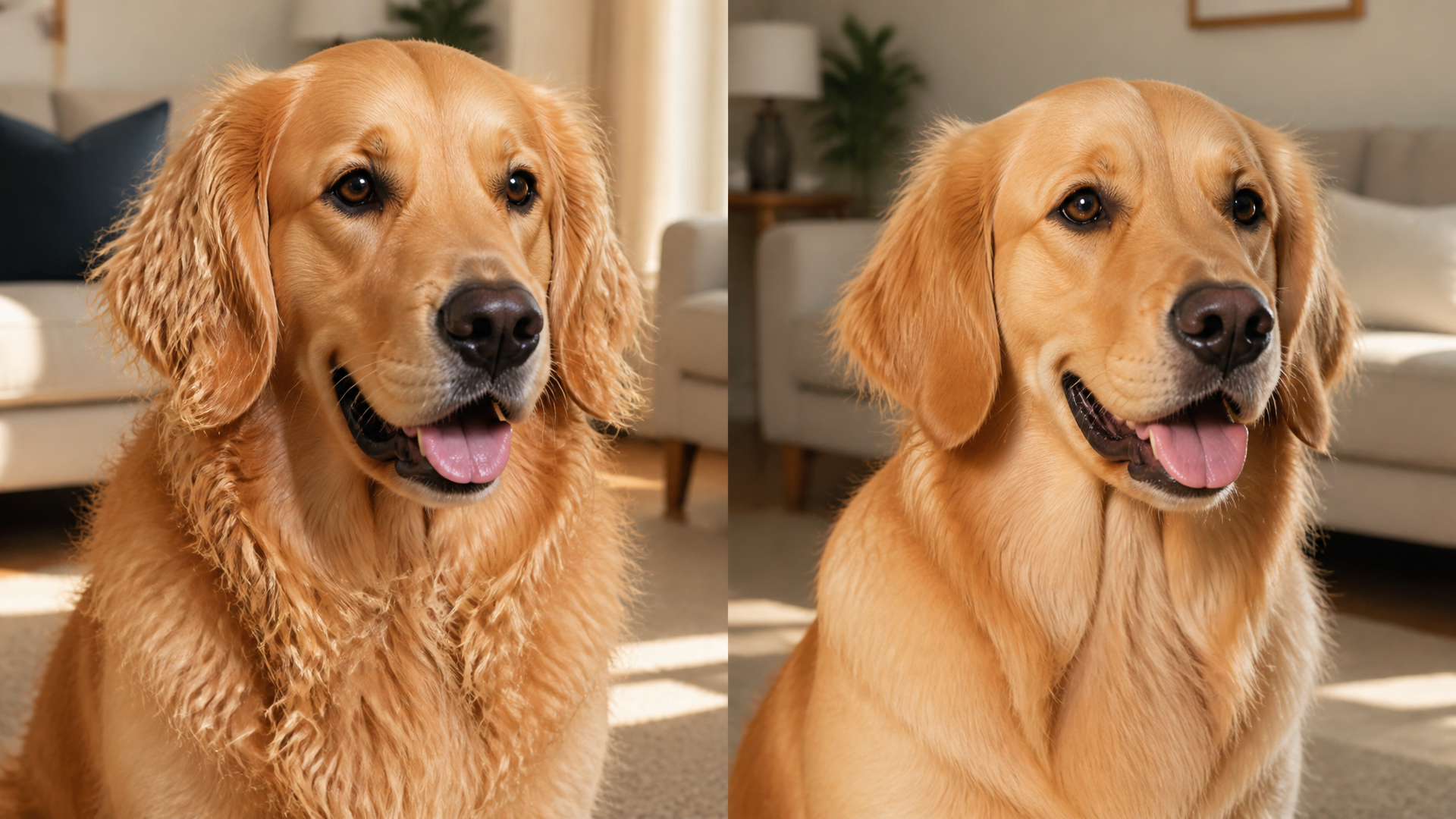
Crimped hair characteristics in Golden Retrievers often feature a wavy texture that enhances their overall appearance and requires distinct grooming techniques to maintain its health and vitality. This texture provides an additional layer of insulation, making the breed well-suited for various weather conditions. The crimped hair is typically denser and may appear more voluminous than straight hair, contributing to a fuller look. Regular brushing is essential to prevent matting and to keep the coat looking its best. Additionally, specific shampoos and conditioners formulated for wavy coats can further support the maintenance of crimped hair.

Straight Hair Features

Straight hair features in Golden Retrievers are characterized by a smooth texture that often appears sleek and shiny, contributing to a polished and elegant look. This type of coat typically lies flat against the body, enhancing the dog’s well-proportioned silhouette. The straight hair is less prone to tangling compared to crimped hair, simplifying grooming routines. Additionally, the straight fur often reflects light beautifully, adding to the breed’s charm. Regular brushing and maintenance are essential to preserve the coat’s health and appearance.

Grooming Variations Explained

Grooming variations for Golden Retrievers are influenced by their unique hair types, necessitating tailored approaches to maintain coat health and appearance. Crimped hair requires specific brushing techniques to prevent matting and tangling, often necessitating the use of slicker brushes and combs. In contrast, straight hair may demand less frequent grooming but still requires regular maintenance to remove loose fur and debris. The choice of grooming products, such as shampoos and conditioners, should also be aligned with the hair type to ensure optimal results. Ultimately, adopting a grooming regimen that accommodates both crimped and straight hair will enhance the dog’s overall well-being and aesthetic appeal.

Impact of Environment on Coat Appearance

The appearance of a dog’s coat is significantly influenced by environmental factors that can alter its texture and luster. Elements such as humidity, temperature, and seasonal changes all play crucial roles in determining the overall health and aesthetics of fur. Additionally, grooming practices, often dictated by environmental conditions, further impact the coat’s appearance and maintenance.

Humidity Effects on Fur

Humidity levels can significantly affect the texture and manageability of a dog’s fur, leading to variations in frizz and shine. High humidity can cause the fur to absorb moisture, resulting in a more voluminous appearance and increased frizz, particularly in breeds like Golden Retrievers with crimped hair. Conversely, low humidity can lead to drier fur, which may appear dull and less resilient. Additionally, fluctuations in humidity can affect the effectiveness of grooming products, altering their ability to control frizz and enhance shine. Understanding these environmental impacts is essential for maintaining the optimal appearance of a dog’s coat.

Temperature Influence on Coats

Temperature plays a pivotal role in determining the thickness and insulation properties of a dog’s coat, influencing its overall comfort and protection against the elements. In colder climates, dogs may develop a denser undercoat, providing additional warmth and insulation. Conversely, higher temperatures can lead to a reduction in coat density, promoting airflow and cooling. The adaptability of a dog’s coat to varying temperatures is essential for maintaining skin health and preventing overheating. Ultimately, the balance of temperature and coat characteristics is crucial for a dog’s well-being and performance in different environments.

Seasonal Changes in Appearance

Seasonal changes significantly affect a dog’s coat, leading to variations in color, thickness, and overall condition as they adapt to fluctuating environmental conditions. During warmer months, golden retrievers often shed their undercoat, resulting in a lighter and less dense appearance. Conversely, colder months typically promote the growth of a thicker undercoat, enhancing warmth and protection. Additionally, the change in humidity levels can influence the coat’s texture, affecting its crimp and curl patterns. Regular grooming practices are essential during these transitions to maintain optimal coat health and appearance.

Grooming Practices and Environment

Effective grooming practices are essential for maintaining a dog’s coat, especially when environmental conditions can exacerbate issues such as matting and dryness. Regular brushing helps to remove loose hair and prevent tangles, which can be more pronounced in humid or wet climates. Bathing frequency should be adjusted based on the dog’s activity level and exposure to dirt, with care taken to use appropriate shampoos that do not strip natural oils. Seasonal changes may necessitate different grooming tools and techniques to accommodate variations in coat texture and density. Ultimately, a proactive grooming regimen tailored to environmental conditions can enhance both the appearance and health of a dog’s coat.

Grooming Techniques for Crimped Hair

Effective grooming techniques are essential for maintaining the health and appearance of crimped hair in Golden Retrievers. Specific methods tailored to this unique coat type can help prevent matting and enhance the natural texture. The following points will outline key grooming strategies, including brushing methods, bathing tips, drying techniques, and solutions for matting issues.

Brushing Methods Explained

Brushing methods play a crucial role in maintaining the integrity of crimped hair by preventing tangles and promoting a healthy shine. Utilizing a slicker brush can effectively remove loose hair and debris while minimizing breakage. It is advisable to start brushing from the roots and work towards the tips to ensure thorough detangling. Regular brushing sessions should be scheduled to keep the coat in optimal condition and to enhance the natural wave of the crimped texture. Additionally, incorporating a comb after brushing can help to reach areas that may be prone to matting, ensuring a well-groomed appearance.

Bathing Tips and Tricks

Thorough bathing techniques play a crucial role in maintaining the cleanliness and health of crimped hair in Golden Retrievers. It is essential to use a high-quality, sulfate-free dog shampoo specifically designed for their coat type. Ensuring that the coat is thoroughly wet before applying shampoo allows for better distribution and cleansing. After rinsing, a conditioner should be applied to help retain moisture and enhance the natural curl. Proper drying methods, such as air drying or using a low-heat dryer, further support the maintenance of healthy crimped hair.

Drying Techniques for Coats

Proper drying techniques for coats play a crucial role in preserving the coat’s texture and preventing damage after bathing. Utilizing a high-velocity dryer can effectively remove excess water while minimizing the risk of frizz and matting. It is advisable to dry the coat in sections, gently working through the crimped areas to maintain their natural shape. Additionally, using a microfiber towel can aid in absorbing moisture without causing friction that may disrupt the coat’s texture. Finally, allowing some air drying can enhance the coat’s natural sheen and reduce the likelihood of overheating.

Dealing with Matting Issues

Matting issues can significantly impact the comfort and aesthetics of crimped hair in Golden Retrievers, necessitating prompt and appropriate intervention to restore the coat’s integrity. Regular grooming sessions should be scheduled to identify and address mats before they become problematic. Utilizing a combination of detangling sprays and appropriate grooming tools, such as slicker brushes and combs, can effectively manage existing mats. In severe cases, professional grooming may be required to safely remove mats without causing harm to the skin or coat. Implementing a consistent grooming routine will help prevent further matting and maintain the health of the dog’s crimped hair.

Health Considerations Related to Coat Texture

The texture of a dog’s coat, particularly in breeds like Golden Retrievers, can significantly influence their overall health and well-being. Understanding the unique characteristics of crimped hair is essential for addressing potential health risks and grooming requirements. This knowledge allows for a proactive approach in maintaining the dog’s coat and skin health.

Health Risks of Crimped Coats

Health risks associated with crimped coats include increased susceptibility to skin infections, matting, and reduced ability to regulate body temperature, necessitating vigilant grooming and care practices. Crimped hair can trap moisture and debris, leading to a conducive environment for bacterial and fungal growth. Moreover, the unique texture may hinder the effective removal of loose fur and dander, exacerbating potential allergic reactions in both dogs and humans. Additionally, improper grooming of crimped coats can result in painful tangles, causing discomfort and stress for the animal. Therefore, understanding the specific needs of crimped coats is crucial for maintaining the overall health of Golden Retrievers.

Grooming Needs for Crimped Hair

Grooming needs for crimped hair require specialized techniques to prevent tangling and to maintain the coat’s natural texture. Regular brushing with appropriate tools is essential to remove debris and prevent matting. It is advisable to use a conditioner specifically formulated for crimped coats to enhance manageability. Bathing should be done with care, ensuring that the products used do not strip the coat of its natural oils. Additionally, routine inspections for skin issues are crucial, as crimped hair may conceal underlying problems.

Breed Standards and Crimped Hair

Breed standards play a crucial role in defining the appearance and characteristics of various dog breeds, including the Golden Retriever. Among these specifications, hair texture, including crimped hair, is a significant factor that influences breed aesthetics and functionality. Understanding these guidelines is essential for breeders, judges, and enthusiasts to ensure adherence to established norms and to address common misconceptions surrounding crimped hair.

Breed Appearance Guidelines

Appearance guidelines establish the criteria for evaluating the physical traits of specific dog breeds, ensuring consistency and quality in breeding practices. These standards encompass various aspects, including coat color, texture, and overall conformation. In the case of Golden Retrievers, crimped hair is addressed within these guidelines, highlighting its importance in maintaining breed integrity. Adhering to these standards not only aids in preserving the breed’s distinct characteristics but also assists in the assessment processes during competitions and evaluations. Consequently, a comprehensive understanding of these guidelines is vital for all stakeholders involved in the breed’s preservation and promotion.

Hair Texture Specifications

Hair texture specifications are critical in evaluating dog breeds, as they contribute to the overall functionality and aesthetic appeal while reflecting the inherent qualities defined by breed standards. In the case of Golden Retrievers, the texture can range from straight to wavy, with crimped hair being a less common variant. This specific texture can affect the dog’s insulation against water and cold, which is essential for their role as a retrieving breed. The breed standard emphasizes the importance of a dense, water-repellent outer coat, alongside a soft undercoat, which can sometimes manifest in crimped hair. Adhering to these hair texture specifications not only preserves the breed’s integrity but also enhances its suitability for various activities.

Judging Standards Overview

Judging standards are essential for maintaining consistency and objectivity in dog shows, ensuring that each breed is evaluated based on established criteria that reflect its unique qualities. These standards outline specific attributes, including coat texture, which is particularly relevant for breeds like the Golden Retriever. Judges must be well-versed in these criteria to accurately assess the various characteristics presented by individual dogs. Adherence to judging standards helps mitigate subjective biases and promotes fairness in competition. Ultimately, these guidelines contribute to the preservation and appreciation of breed-specific traits, including variations like crimped hair.

Common Misconceptions Explained

Common misconceptions surrounding dog breed standards often lead to confusion among breeders and enthusiasts, particularly regarding the acceptability and significance of hair texture variations like crimped hair. Many individuals erroneously believe that crimped hair is a disqualification in Golden Retrievers, failing to recognize its potential to align with breed standards under certain conditions. Additionally, there is a prevailing assumption that crimped hair is solely a result of poor breeding practices, rather than a natural variation within the breed. The importance of proper grooming techniques is often overlooked, as individuals may not understand how these practices can influence the appearance of hair texture. Ultimately, addressing these misconceptions is vital for promoting a more accurate understanding of breed standards and fostering appreciation for diversity within Golden Retrievers.

Care Tips for Owners of Crimped-Coated Golden Retrievers

Attention to grooming techniques and regular maintenance can significantly enhance the health and texture of crimped coats in golden retrievers. Owners should invest in high-quality, dog-specific grooming tools to effectively manage the unique characteristics of crimped hair. Regular brushing is essential, ideally at least two to three times a week, to prevent matting and tangling. A slicker brush or a wide-toothed comb works well for detangling, while a pin brush can help distribute natural oils. Bathing should be done every six to eight weeks, using a gentle, moisturizing shampoo designed for dogs. After bathing, it is crucial to thoroughly dry the coat to avoid dampness, which can lead to skin issues. Nutritional support, including omega fatty acids, can contribute to coat health and sheen. Regular visits to a professional groomer can provide additional care and specialized techniques. Lastly, monitoring for any signs of skin irritation or discomfort is vital for maintaining overall coat health.

Understanding the Role of Diet in Coat Health

The health and appearance of a dog’s coat are significantly influenced by dietary choices. A balanced diet rich in essential nutrients is crucial for maintaining the integrity of the fur and skin. Additionally, proper hydration and targeted supplements can further enhance coat vitality and shine.

Essential Nutrients for Coats

Essential nutrients such as omega-3 fatty acids, vitamins A and E, and biotin play a pivotal role in promoting a healthy and lustrous coat in dogs. Omega-3 fatty acids contribute to skin hydration and reduce inflammation, enhancing coat texture. Vitamins A and E act as antioxidants, protecting skin cells and promoting overall coat vitality. Biotin is crucial for maintaining hair structure and strength, reducing brittleness and breakage. A comprehensive approach to nutrition can significantly improve the appearance and health of a dog’s coat.

Impact of Hydration Levels

Hydration levels play a pivotal role in maintaining skin elasticity and overall coat health in dogs. Adequate water intake helps to prevent dryness and brittleness of the fur, which can lead to crimping in breeds like Golden Retrievers. Furthermore, well-hydrated skin is more resilient and better equipped to withstand environmental stressors. Dehydration can result in a dull and lifeless coat, undermining the vibrancy and shine that is characteristic of a healthy dog. Ensuring proper hydration is therefore essential for preserving the quality of a dog’s coat and promoting overall well-being.

Supplements for Healthy Fur

Supplements specifically formulated for healthy fur can provide vital nutrients that promote shine, reduce shedding, and improve overall coat condition. These products often include omega fatty acids, biotin, and antioxidants, which are essential for maintaining fur health. Regular supplementation can also support skin hydration and reduce the risk of irritation. Additionally, some ingredients may help strengthen hair follicles, leading to a fuller and more vibrant coat. Ultimately, incorporating these supplements into a dog’s diet can enhance the appearance and well-being of their fur.

Frequently Asked Questions

How can i tell if my golden retriever’s coat is crimped or just wavy?

To determine whether your golden retriever’s coat is crimped or simply wavy, one must closely examine the texture and pattern of the hair. Crimped hair typically exhibits a distinct zigzag or wave-like pattern that is more pronounced than standard waves, resulting in a texture that feels slightly firmer. In contrast, wavy hair is generally smoother and presents a looser, more flowing appearance, lacking the defined peaks associated with crimped hair. Observing the coat in different lighting conditions can also aid in distinguishing the two, as crimped hair may catch light differently due to its unique angles. Additionally, consider the overall grooming and maintenance needs; crimped hair may require more attention to prevent tangles and mats. Consulting with a professional groomer or veterinarian can provide further insights, especially if you are uncertain about the specific characteristics of your dog’s coat.

Are there any specific breeds that commonly have crimped hair besides golden retrievers?

Crimped hair is a distinctive coat texture that can be found in several dog breeds beyond just Golden Retrievers. Breeds such as the American Water Spaniel and the Curly-Coated Retriever are known for their unique hair structures, which may exhibit crimping or similar wave patterns. Additionally, the Lagotto Romagnolo features a dense, curly coat that can sometimes be perceived as crimped due to its tightly packed curls. Other breeds, including certain types of Poodles, may also display crimped or wavy hair, particularly when groomed in specific styles. The presence of crimped hair often results from genetic factors and the specific texture of the dog’s coat. Understanding these variations can help owners appreciate the unique characteristics of different breeds and their grooming needs.

What are some common misconceptions about crimped hair in dogs?

Common misconceptions about crimped hair in dogs often stem from a lack of understanding regarding coat types and genetics. One prevalent belief is that crimped hair indicates poor grooming or neglect, when in reality, it can be a natural characteristic of certain breeds. Additionally, some may assume that crimped hair is always linked to health issues, whereas it is typically just a variation in coat texture that does not imply any underlying medical conditions. Another misconception is that crimped hair requires specialized care, which can lead to unnecessary treatments or products that may not be beneficial. Furthermore, there is a tendency to confuse crimped hair with other coat types, such as curly or wavy, which can lead to misunderstandings about proper grooming and maintenance. Educating dog owners about the diversity of coat types is essential to dispel these myths and promote better care practices.

Conclusion

In conclusion, the characteristics of crimped hair in Golden Retrievers are influenced by a complex interplay of genetic, environmental, and grooming factors. Understanding the genetic basis, particularly the roles of KRT71 and RSPO2 genes, provides insight into the diversity of coat textures within the breed. Proper grooming practices tailored to the unique needs of crimped hair are essential for maintaining coat health and appearance. Additionally, awareness of environmental impacts and the importance of nutrition can further enhance the vitality of the coat. Recognizing crimped hair as a natural trait rather than a flaw allows for better care and appreciation of this distinctive feature in Golden Retrievers.

If you’re seeking to expand your knowledge about specific canine health issues, I highly recommend visiting this informative page on epilepsy in Bichon Frise dogs. It provides valuable insights into understanding and managing seizures, a crucial aspect for pet owners. You can explore this topic further by clicking here: Epilepsy in Bichon Frise: Understanding and Living with Seizures.