Wet Food For my 10 Month Russian Blue in uk
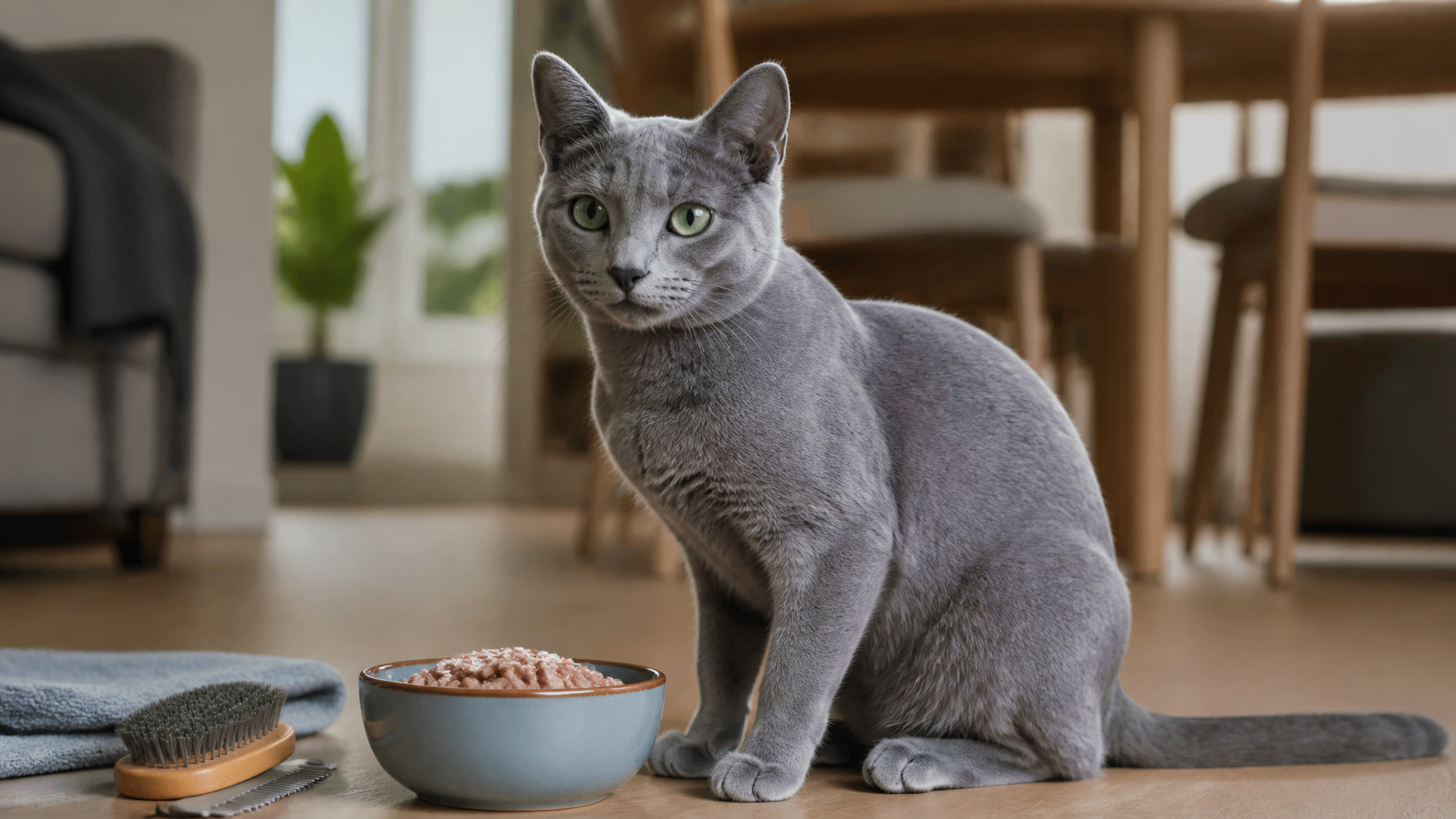
At 10 months, your Russian Blue kitten is nearly an adult. Their silver coat, lean frame, and green eyes still need targeted nutrition to finish developing properly. The best wet food for a 10‑month Russian Blue in the UK is a high‑protein, grain‑free option with at least 8–10% crude protein and no artificial fillers. Feed 3–4 ounces per meal, twice a day, adjusting based on activity and body condition. Below you’ll find a feeding chart, a product checklist, and specific UK‑friendly recommendations.

How Much Wet Food Does a 10‑Month Russian Blue Need?
Russian Blues stay naturally slender. Overfeeding creeps up fast because they don’t show obvious fullness. Use this chart as a starting point and check their waistline weekly.
| Cat’s Weight (approx.) | Wet Food per Day (ounces) | Meals per Day |
|---|---|---|
| 6–8 lb (2.7–3.6 kg) | 6–8 oz | 2 meals |
| 8–10 lb (3.6–4.5 kg) | 8–10 oz | 2 meals |
| Over 10 lb (4.5 kg+) | 10 oz max, then monitor | 2 meals |
These portions assume wet food is the sole diet. If you still feed dry kibble alongside wet food, halve the wet portions (3–4 oz total per day) or you risk overfeeding. This guide applies to a healthy 10‑month‑old Russian Blue already weaned and eating solid food. If your cat has a medical condition (urinary issues, food allergies, or diabetes), follow your vet’s specific feeding plan instead.
If you’re currently feeding a low‑protein dry food (under 30% protein dry matter) plus wet, you’re likely shortchanging muscle development. Switch to an all‑wet diet using the chart above, or replace the dry with a high‑protein kibble (≥40% protein dry matter). Stick to the chart for two weeks and watch for better coat shine and firmer stool.
What to Look for in Wet Food for a Russian Blue
Not all wet food works for this breed. Russian Blues have specific needs that go beyond general cat nutrition.
- High animal protein – chicken, turkey, fish, or rabbit. Avoid vague “meat derivatives.”
- Moderate fat – around 4–6% crude fat. Too much leads to weight creep.
- Taurine – essential for heart and eye health. Confirm it’s listed in the guaranteed analysis.
- Moisture – at least 75% water. Wet food already provides this, but skip “gravy” options that use cheap thickeners.
- No corn, wheat, or soy – Russian Blue coats stay shinier without grain fillers.
Example label check: A 2.6 oz tray of Sheba Perfect Portions Pate Wet Cat Food (salmon or white fish) delivers about 9% protein on a dry‑matter basis, contains no grains, and is portion‑controlled. Good for a picky Russian Blue, but check the label for “kitten” or “all life stages” before using it as the sole diet.
The One Mistake Owners Make and How to Detect It Early
The biggest failure mode: free‑feeding dry food alongside wet food and assuming the portion is fine. Russian Blues are efficient eaters. If you leave a bowl of kibble out all day, they snack past their calorie needs, and the wet food becomes a topper rather than a complete meal.
How to detect it early: Run your fingers along their ribs. If you can’t feel them without pressing, the portion is too high. Another tell: if your cat licks the gravy off the wet food and leaves the meat chunks, they’re already full from dry snacks. Remove the dry food bowl immediately and feed only measured wet portions for 3 days. Nine out of ten Russian Blues will eat the full wet meal by day two.
Realistic trade-off: Some owners worry that cutting out dry food removes dental benefits. In practice, wet food alone doesn’t cause dental disease in cats, and dry kibble often contains starch that sticks to teeth. Use a vet‑approved dental treat once a day instead of relying on kibble for dental care.
Quick Checklist: Is This Wet Food Right for Your Russian Blue?
Before buying any wet food, run through these five checks. They help you avoid the most common mistakes with this breed.
1. Protein ≥ 8% crude protein (on label as‑fed)? ☐ Yes / ☐ No
2. First ingredient is a named meat (e.g., chicken, salmon, turkey)? ☐ Yes / ☐ No
3. No artificial colours, flavours, or preservatives? ☐ Yes / ☐ No
4. Contains taurine (listed in guaranteed analysis)? ☐ Yes / ☐ No
5. Portion size matches your cat’s weight (from the chart above)? ☐ Yes / ☐ No
Concrete verification step: After you pick a can or pouch, flip to the back and look for a statement like “Complete and balanced for growth (kitten)” or “All life stages.” If it only says “Adult maintenance,” do not use it as a primary food for your 10‑month‑old Russian Blue. They still need extra nutrients for bone and organ development. Many Sheba products in the UK are labelled for adult cats, so check the exact variant you’re buying. For example, the Sheba Perfect Portions Pate linked above is for adult cats; it’s safe as a treat or supplement but not as the sole diet for a growing kitten. You’ll need a “kitten” or “all life stages” formula for main meals.
Step-by-Step: Switching to a New Wet Food
Introducing a new wet food gradually prevents digestive upset. Follow this sequence over one week.
1. Choose one new wet food that passes the checklist above and is labelled for growth or all life stages.
2. Day 1–2: Mix 25% new food with 75% current food.
3. Day 3–4: Mix 50% new with 50% current.
4. Day 5–6: Mix 75% new with 25% current.
5. Day 7: Serve 100% new food.
6. Monitor – watch for loose stool or refusal. If either happens, slow the transition and consider adding a probiotic.
Success check: After one week, your Russian Blue should eat eagerly, have firm stool, and maintain their svelte body shape. If your cat refuses to eat for more than 24 hours, or has diarrhea beyond 48 hours, stop the new food and consult your vet. Some Russian Blues have sensitive stomachs to certain proteins (especially fish). Try a chicken‑only or turkey‑only recipe next.
Wet Food Product Options Available in the UK
While exact formulas vary by region, these categories are easy to find at UK pet stores or online.
- Sheba Perfect Portions – pre‑portioned trays (2.6 oz each). Great for portion control and freshness, but read the label: many are adult maintenance only. Use as a meal complement if you pair with a kitten‑complete wet food.
- Sheba Bisque Lickable Treats – not a meal, but useful as a topper for a picky eater who needs extra moisture. Sheba Bisque Lickable Cat Treats (chicken/tuna/salmon). Low calorie, so safe daily.
- Sheba Selections Filets in Broth – tender pieces in broth, ideal as a meal complement mixed with a complete wet food. Sheba Selections Filets in Broth Variety Pack. Again, check the label for “all life stages.”
Trade-off to watch for: Many UK‑available wet foods (including Sheba) are formulated for adult cats. Feeding them as the sole diet to a 10‑month‑old may lead to suboptimal calcium‑to‑phosphorus ratios or lower taurine levels than a kitten formula. If you can’t find a kitten‑specific complete wet food, supplement with a veterinary‑approved kitten vitamin powder or switch to a raw commercial diet certified for growth.
When to Adjust the Amount
- Neutering: After the procedure, metabolism slows. Drop wet food by 1 oz per meal for a month, then reassess.
- Picky eating: If your cat leaves food in the bowl, try Sheba Bisque Lickable Treats drizzled over the wet food. Start with a tiny amount – too much can upset the calorie balance.
- Weight loss: If you feel ribs too easily (without any fat cover), increase each meal by 0.5 oz and recheck in 5 days.
- Vet visit: Always get a weight check at the annual exam. At 10 months, the vet can tell you if your kitten is on track or needs a tweak.
Save This Guide
A 10‑month Russian Blue needs a high‑protein, grain‑free wet food fed in measured portions twice daily. Use the checklist above to vet any product, verify the “growth” or “all life stages” label, and avoid the free‑feeding trap. Stick with the chart and your Russian Blue will stay sleek, healthy, and full of energy right into adulthood.
Affiliate disclosure: Some product links in this article are affiliate links. We may earn a small commission at no extra cost to you.