Cowboy Bepop Corgi: Guide: What Every Owner Should Know
If you’ve heard of a Cowboy Bepop Corgi, you’re looking at a Pembroke Welsh Corgi or Cardigan Welsh Corgi with extra spirit and a “cowboy” attitude. These dogs are smart, bold, and built for action—but they also shed heavily and need regular structure. Here’s exactly what you need to keep your Cowboy Bepop Corgi healthy, happy, and well-behaved.

Quick Facts: What Makes a Corgi Special
| Trait | Cowboy Bepop Corgi (Typical) |
|---|---|
| Breed group | Herding |
| Height | 10–12 in (Pembroke) / 10.5–12.5 in (Cardigan) |
| Weight | 25–30 lb (Pembroke) / 30–38 lb (Cardigan) |
| Coat | Double coat – thick, weather-resistant |
| Shedding | Heavy – year-round, extra during spring/fall |
| Energy level | Moderate-high (needs daily exercise 45–60 min) |
| Lifespan | 12–15 years |
| Best for | Active owners, families with older kids, people who like training |
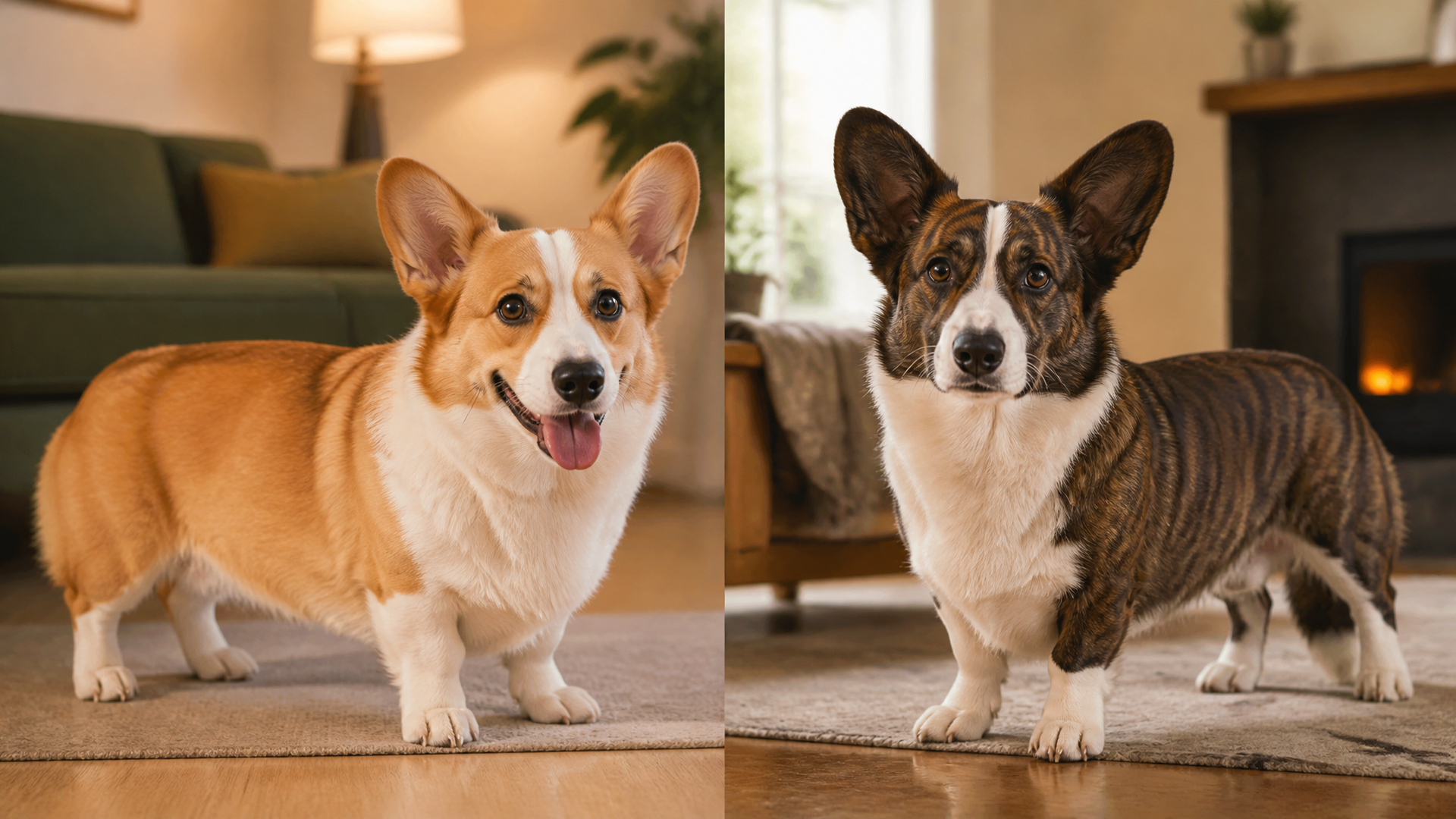
Both the Pembroke and Cardigan have the same double-coat and herding drive. The Cardigan is slightly larger, with a longer body and a full tail. The Pembroke is the more common “corgi without a tail.”
Which Corgi Is Yours? (And Why It Matters for Care)
The advice in this guide applies to both Pembroke and Cardigan Corgis, but a few details change. Cardigans run heavier (30–38 lb vs 25–30 lb) and are more prone to elbow dysplasia due to their longer frame. Pembrokes are more likely to have back issues (IVDD) because of their shorter legs and longer spine relative to height.
What this means for you: If you own a Cardigan, watch for hind‑end stiffness rather than just back sensitivity. If you own a Pembroke, limit jumping on and off furniture to protect the spine. Knowing your breed variant changes your monthly check‑up focus.
How to verify which breed you have: Look for a full tail (Cardigan) vs a naturally stubby tail or docked tail (Pembroke). Check the AKC standard for Cardigan ears—they’re larger and slightly rounder than the Pembroke’s pointed ears. Your vet can confirm from the dog’s registration or conformation details.
Grooming Routine: The 3‑Step Weekly Flow
Corgis shed like it’s their job. A solid grooming routine cuts fur in your home by at least 70%.
Step 1 – Brush with a Slicker Brush (3× per week)
Use a slicker brush to reach the undercoat. Brush in sections: back, sides, ruff, tail (if present).
Checkpoint: After brushing, run a comb through the rear and behind the ears—tangles hide there.
Step 2 – Deshed with an Undercoat Rake (every 2–3 weeks, weekly during blow‑out)
Use a metal undercoat rake (like FURminator medium for Corgis). Work gently to avoid pulling healthy topcoat.
Likely cause of matting: Skipping the rake allows loose undercoat to felt against the skin.
Step 3 – Nail Trim + Ear Check (every 2 weeks)
Trim nails or use a rotary tool (e.g., Dremel 7300). Stop before the quick. Wipe inside ears with a cotton ball and vet‑approved cleaner—Corgis can get ear infections due to heavy ears.
Success signal: Your Corgi’s coat lies flat with no visible tufts, and you can run a wide‑tooth comb through the entire body without snagging.
Expert Tip #1: Never shave a Corgi. The double coat insulates against heat and cold. Shaving ruins the coat’s protective function and can lead to overheating or sunburn. Instead, use the undercoat rake more often in summer.
Expert Tip #2: Use a detangling spray (e.g., The Stuff Pet Detangler) before brushing if your Corgi has been in rain or mud. It prevents breakage and makes brushing faster. Common mistake: pulling dry mats—this hurts and can cause bald spots.
Expert Tip #3: Keep a Lint Roller in your car and another by the front door. Corgi fur sticks to everything, and a quick roll before you leave saves outfit embarrassment.
Realistic trade‑off: A slicker brush alone won’t reach the deep undercoat—if you skip the rake, you’ll see tufts within two days. Conversely, over‑raking (more than once a week outside blow‑out season) can strip healthy hair. Stick to the schedule above to avoid both.
Feeding Guide: How Much and How Often
A Cowboy Bepop Corgi needs a balanced diet that supports high energy without causing obesity (Corgis love food and gain weight easily).
| Weight of Corgi | Daily Food Amount (cups of high‑quality kibble, 350–400 kcal/cup) |
|---|---|
| 25 lb (Pembroke) | 1¼ – 1½ cups |
| 30 lb (Pembroke) | 1½ – 1¾ cups |
| 35 lb (Cardigan) | 1¾ – 2 cups |
| 40 lb (Cardigan) | 2 – 2¼ cups |
- Split into two meals (morning and evening) to reduce bloat risk.
- Use a slow feeder bowl if your Corgi inhales food.
- Always measure with a standard dry measuring cup—not a scoop.
What this means for your choice: If you feed the higher end for your dog’s weight but your Corgi still seems hungry, you’re likely within healthy range—but if you can’t feel ribs with light pressure, cut back by ¼ cup and add 10 minutes of walk time. Consistent overfeeding leads to joint stress and shorter lifespan; precise measuring prevents that.
How to verify the portion is right: Feel along your dog’s ribcage—you should feel ribs without pressing hard. If ribs are prominent and you can see them, increase food by ¼ cup. If you can’t feel ribs at all, decrease by ¼ cup. This body condition check is more reliable than weight alone.
Trade‑off to watch: A slow feeder bowl reduces bloat risk but can frustrate a fast eater, causing him to skip meals. If your Corgi stops eating from the slow feeder, switch to scattering kibble on a flat tray—it slows him down without the frustration.
Exercise and Training: Working Their Brain and Body
Corgis were bred to herd cattle all day. A bored Corgi chews furniture, barks, or digs. Keep them busy.
Daily Minimum:
- 30‑minute brisk walk (or jog) + 15 minutes of structured play (fetch, tug, or herding games with a Flirt Pole).
- One 10‑minute training session (obedience, tricks, or puzzle toy like a Nina Ottosson).
Training Must‑Knows:
- Use positive reinforcement (treats, praise) every time. Corgis respond poorly to harsh corrections.
- Teach “leave it” and “off” early—they’re prone to chasing or jumping on guests.
- Socialize with other dogs from puppyhood; Corgis can be bossy herders.
When to escalate: If your Corgi starts nipping at heels (herding instinct), redirect to a toy and enforce a “sit” until calm. If nipping persists after two weeks of consistent training, consult a professional behaviorist.
Mismatch to avoid: Don’t expect a Corgi to be content with just a long walk. Without mental stimulation (puzzles, training, herding games), he’ll create his own entertainment—often destructive. The most common owner mistake is providing only physical exercise and calling it enough.
Verification step: Your Corgi is getting enough mental work if he settles calmly after exercise and doesn’t pace, whine, or chew inappropriate items. If he’s still wired 15 minutes after you stop playing, add another 10‑minute training session.
Health Watch: 3 Warning Signs to Never Ignore
1. Sudden limping or refusal to jump – Corgis have long backs and are prone to intervertebral disc disease (IVDD). If your dog won’t climb stairs or yelps when picked up, go to the vet immediately.
2. Excessive panting or restlessness – Could be heat stress (short noses) or pain. Check for signs of dysplasia (hip or elbow).
3. Ear redness, head shaking, or odor – Ear infections are common. Clean ears weekly and see a vet if debris is dark or smelly.
Trade‑off in screening costs: Testing for IVDD (X‑rays, MRI) can be expensive ($500–$3,000), but skipping early diagnosis can lead to paralysis. If your Corgi shows even mild back pain, spend the money on a vet visit sooner rather than later.
Save This Guide
Keep this page bookmarked for fast reference. A Cowboy Bepop Corgi is a loyal, smart, and active dog—but he needs your commitment to grooming, feeding, and joint care. Key takeaway: Brush three times a week, feed measured meals, and never skip daily training. Your Corgi will thrive.
Affiliate disclosure: Some product links in this guide are affiliate links. We may earn a small commission at no extra cost to you.