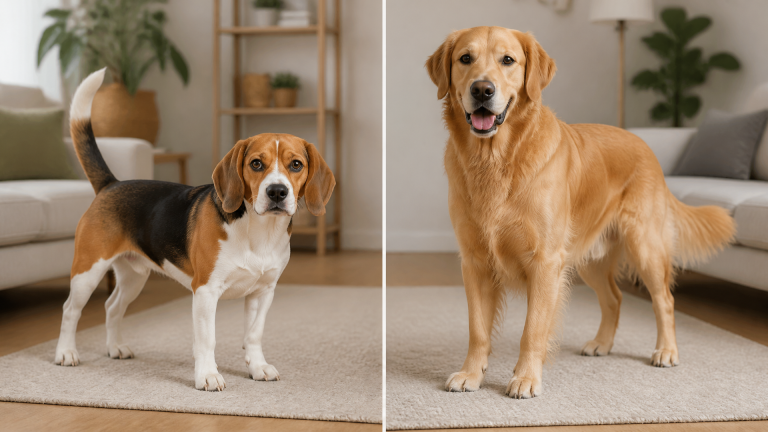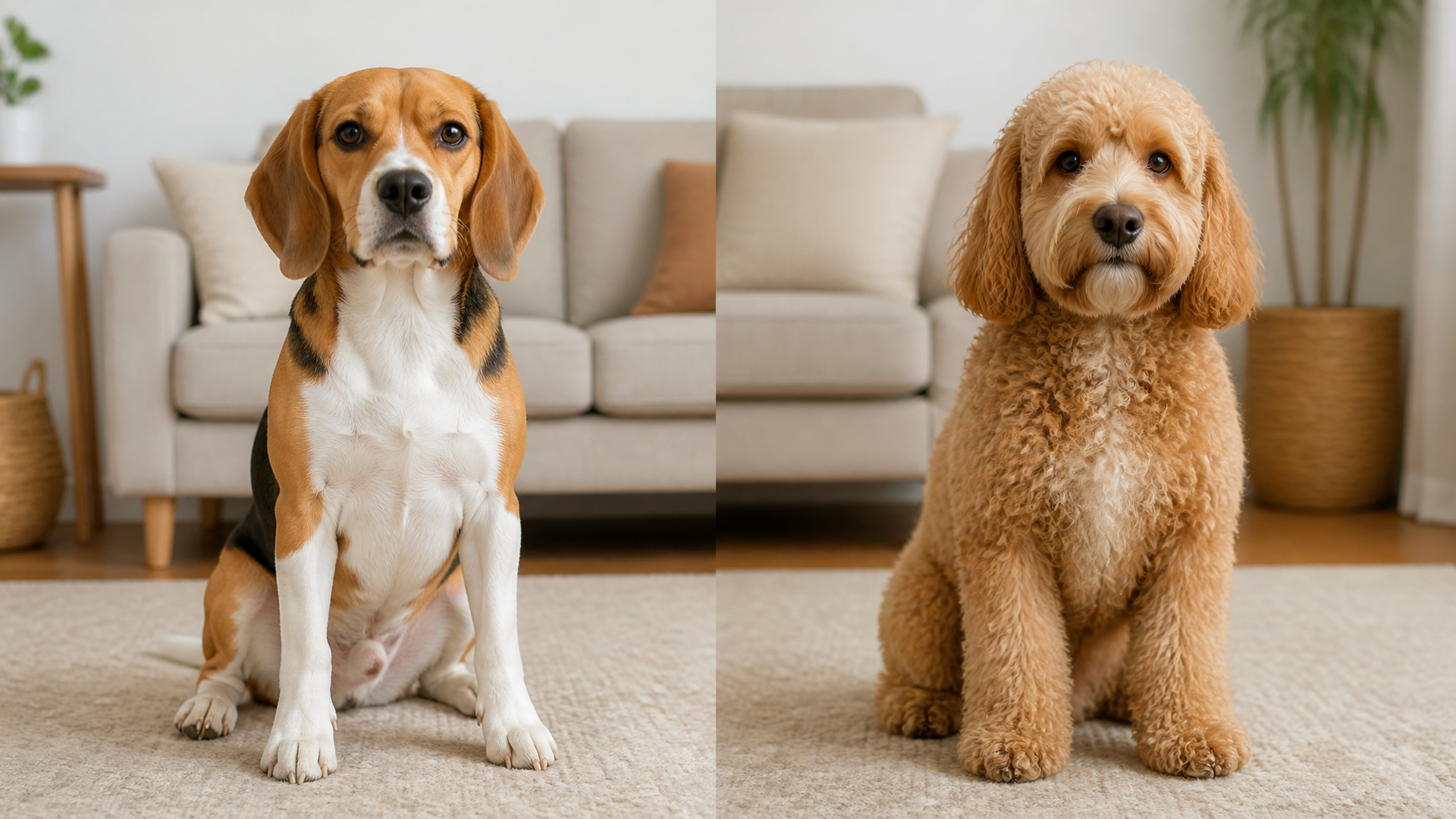
Beagle size comparison with other breeds
Understanding the size of a Beagle is essential for prospective dog owners and enthusiasts alike. This breed, known for its friendly demeanor and keen sense of smell, presents unique height and weight characteristics that can influence ownership decisions. In this article, we will explore how big is a Beagle full grown and compare their dimensions with those of small, medium, and large dog breeds. Additionally, we will examine breed-specific size variations and the implications of size in dog ownership. By providing a comprehensive size comparison, we aim to assist individuals in making informed choices about adding a Beagle to their family.
Free Dog Training Workshop
How to train your dog to be as calm and obedient as a service dog.
k9ti.org
Key Takeaways
Beagles are small to medium-sized dogs, standing 13 to 15 inches tall and weighing 20 to 30 pounds, making them suitable for various living environments.
Compared to large breeds like Great Danes and Labradors, Beagles require less space and exercise, making them more manageable for families and individuals.
Their sociable nature and higher energy levels differentiate Beagles from medium-sized breeds like Bulldogs, requiring regular exercise and mental stimulation.
Understanding size differences among dog breeds is crucial for potential owners, influencing compatibility, training methods, and overall satisfaction in pet ownership.
Beagle Size Overview
The Beagle, a breed known for its compact stature and friendly demeanor, presents an interesting size profile within the canine community. Typically categorized as a small to medium-sized dog, Beagles exhibit a range of heights and weights that can vary based on lineage and breeding practices. Understanding the specific dimensions of Beagles, as well as their comparison to other breeds, provides valuable insight into their physical characteristics.
Beagle Height and Weight
Height and weight measurements for Beagles typically range from 13 to 15 inches at the shoulder and from 20 to 30 pounds, depending on the specific variety and breeding lines. This size classification places Beagles in an accessible range for both families and individuals seeking a companion dog. Their compact build makes them suitable for various living environments, from apartments to larger homes with yards. Additionally, their size allows for agility and versatility in activities such as hiking and play. Overall, Beagles maintain a physical profile that is both appealing and practical for dog owners.
Comparing Beagle Sizes
Comparing Beagle sizes with other breeds reveals notable differences in stature and proportion, highlighting the breed’s unique physical attributes. Beagles generally stand between 13 to 15 inches tall at the shoulder, placing them in the lower range of the medium-sized dog category. In contrast, larger breeds such as Labradors can reach heights of 21.5 to 24.5 inches, demonstrating a significant difference in overall size. Smaller breeds, like Chihuahuas, typically measure around 6 to 9 inches tall, showcasing the Beagle’s mid-range stature. This variability in size among different breeds emphasizes the Beagle’s versatility as both a companion and working dog.
Comparing Beagles to Small Breeds
Small breeds often exhibit a range of characteristics that distinguish them from Beagles, particularly in terms of weight and stature. Typically, Beagles weigh between 20 to 30 pounds, whereas many small breeds, such as Chihuahuas and Pomeranians, often weigh under 10 pounds. In terms of height, Beagles generally stand about 13 to 15 inches tall at the shoulder, while small breeds may only reach heights of 6 to 12 inches. This size difference can impact the physical space requirements and exercise needs of each breed.
Additionally, small breeds often have a more delicate bone structure compared to the sturdier build of Beagles. Their energy levels can vary significantly, with some small breeds exhibiting high levels of activity akin to Beagles, while others may be more sedentary. Grooming needs also differ, as many small breeds have longer coats that require regular maintenance, unlike the short, easy-care coat of a Beagle. Furthermore, temperament can vary; while Beagles are known for their friendly and energetic nature, some small breeds may exhibit more reserved or protective behaviors. Overall, the distinctions between Beagles and small breeds extend beyond mere size, influencing various aspects of care and companionship.
Beagles versus Medium-Sized Breeds
Beagles exhibit distinct characteristics that set them apart from other medium-sized breeds, particularly in terms of temperament and energy levels. Their friendly and sociable nature often leads them to form strong bonds with families, making them excellent companions. In comparison to breeds like the Bulldog or Basset Hound, Beagles tend to have a higher energy level, requiring more exercise and stimulation. Their keen sense of smell and hunting instincts also differentiate them, as they were originally bred for tracking.
Unlike some medium-sized breeds that may exhibit a more independent temperament, Beagles thrive on social interaction and enjoy being part of family activities. Their playful demeanor often makes them a favorite among children, promoting a joyful household environment. Furthermore, Beagles’ compact size allows them to fit comfortably in various living situations, from apartments to larger homes. While they generally maintain a sturdy build, their weight typically ranges between 20 to 30 pounds, placing them within a specific category of medium-sized dogs. Overall, the combination of their energetic nature and affectionate personality firmly establishes Beagles as a unique breed in the medium-sized category.
Beagles and Large Dog Breeds
The comparison between Beagles and large dog breeds reveals significant differences in size, temperament, and physical capabilities. Understanding these distinctions is essential for potential dog owners when considering breed suitability for their lifestyles. In the following sections, we will examine how Beagles measure up against various large breeds, including the Great Dane, Labrador Retriever, German Shepherd, and Rottweiler.
Beagle vs. Great Dane
Distinct differences in size and temperament characterize the relationship between Beagles and Great Danes, influencing their compatibility with various lifestyles and environments. Beagles, typically weighing between 20 to 30 pounds, are small to medium-sized dogs known for their friendly demeanor and energetic nature. In contrast, Great Danes can weigh anywhere from 110 to 175 pounds, embodying a gentle giant persona with a more reserved temperament. The energy levels of Beagles often require frequent exercise and mental stimulation, while Great Danes may have a more laid-back approach, needing moderate activity. These contrasting traits underscore the importance of assessing individual preferences and living situations when choosing between these two distinct breeds.
Beagle vs. Labrador Retriever
Differences in energy levels and training responsiveness between Beagles and Labrador Retrievers significantly influence their suitability for various living environments and owner lifestyles. Beagles are known for their moderate energy levels, requiring regular exercise but not the intense physical activity needed by Labradors. In terms of training, Beagles can be more stubborn and independent, while Labradors are often eager to please and more easily trainable. Size also plays a role, with Beagles typically weighing between 20-30 pounds, whereas Labradors range from 55-80 pounds. Consequently, these variations in temperament and physical requirements can impact the choice of breed for prospective dog owners.
Beagle vs. German Shepherd
Comparing Beagles to German Shepherds highlights variations in intelligence, trainability, and energy levels, which can significantly influence their suitability for different owners. Beagles are typically smaller, weighing between 20 to 30 pounds, while German Shepherds usually range from 50 to 90 pounds. The Beagle’s friendly disposition contrasts with the German Shepherd’s protective nature, making each breed appealing to different types of families. Additionally, the exercise requirements differ, as Beagles tend to have moderate energy levels, whereas German Shepherds require more vigorous activity. Ultimately, these differences shape the experiences and responsibilities of dog ownership for each breed.
Beagle vs. Rottweiler
Characteristics of the Beagle and Rottweiler highlight notable variations in energy levels, trainability, and social behavior, influencing their suitability for different types of households. Beagles are typically more energetic and require regular exercise, while Rottweilers exhibit a balance of energy and calmness. In terms of trainability, Rottweilers often excel due to their intelligence and eagerness to please, whereas Beagles may present challenges due to their independent nature. Socially, Beagles tend to be friendly and good with children, contrasting with Rottweilers, who may exhibit protective instincts and need proper socialization. These differences underscore the importance of aligning breed characteristics with owner expectations and lifestyle.
Height and Weight Metrics
Understanding height and weight metrics is essential for accurately comparing Beagles with other dog breeds. These measurements provide valuable insights into breed characteristics and potential health implications. By examining both height and weight, we can better appreciate the unique stature of Beagles in relation to their counterparts.
Height Measurements of Beagles
Height measurements of Beagles typically range from 13 to 15 inches at the shoulder, reflecting their compact and sturdy build. This size categorizes them as a small to medium breed, allowing for versatility in various living environments. Compared to larger breeds, such as the Labrador Retriever, Beagles maintain a more manageable stature, which can be advantageous for families in urban settings. Additionally, their height contributes to their agility and hunting capabilities, traits for which they were originally bred. Understanding these dimensions aids potential owners in selecting a breed that fits their lifestyle and space requirements.
Weight Comparisons with Breeds
Weight comparisons among various dog breeds reveal significant variations that can influence health and temperament. Beagles typically weigh between 20 to 30 pounds, placing them in the medium-sized category among dog breeds. In contrast, larger breeds such as Labrador Retrievers can weigh between 55 to 80 pounds, while smaller breeds like Chihuahuas may weigh as little as 2 to 6 pounds. These differences in weight can impact not only the physical capabilities of the dogs but also their predisposition to certain health conditions. Understanding these weight disparities is crucial for prospective dog owners when considering the breed that best fits their lifestyle and environment.
Breed-Specific Size Variations
Breed-specific size variations play a crucial role in understanding the physical characteristics and classifications of different dog breeds. These variations not only influence the overall appearance but also affect the temperament and suitability of breeds for various lifestyles. In examining the Beagle in relation to other breeds, we can categorize them into small, medium, and large breeds for a clearer perspective on size distinctions.
Small Breeds Overview
Small breeds are often favored for their adaptability to urban living and their ability to thrive in limited spaces, making them popular choices among city dwellers. These breeds typically weigh under 20 pounds and stand less than a foot tall, allowing for easy handling and transportation. Their manageable size often correlates with lower exercise requirements, appealing to those with busy lifestyles. Additionally, small breeds often exhibit a wide range of temperaments, catering to diverse owner preferences. Ultimately, their compact nature and versatile personalities contribute to their widespread appeal in urban environments.
Medium Breeds Overview
Medium breeds represent a diverse category of dogs, characterized by their adaptability to various living environments and a balance of physical attributes that make them suitable companions for families and individuals alike. These breeds typically weigh between 20 to 60 pounds, providing a versatile option for those seeking a dog that is neither too small nor too large. Their size often allows for easier handling and transportation, making them popular choices for urban dwellers and active families. Medium breeds, such as the Beagle, often exhibit a range of temperaments, from playful and energetic to calm and affectionate. This diversity in characteristics ensures that potential dog owners can find a medium breed that aligns with their lifestyle and preferences.
Large Breeds Overview
Large breeds are often characterized by their robust stature and significant physical presence, which can influence their training, exercise needs, and suitability for different living environments. These breeds typically weigh over 50 pounds, with some notable examples including the Great Dane, Saint Bernard, and Mastiff. Their size often necessitates more space for comfortable living and regular exercise to maintain their health and prevent obesity. Additionally, large breeds may exhibit unique behavioral traits, often requiring experienced handlers for effective training and socialization. Understanding these characteristics is essential for potential owners considering a large breed as part of their household.
The Importance of Size in Dog Ownership
The size of a dog plays a crucial role in various aspects of ownership, influencing compatibility with family dynamics and living spaces. Additionally, different sizes necessitate distinct exercise requirements, grooming needs, and training approaches. Understanding these factors is essential for prospective dog owners to make informed decisions that align with their lifestyle and preferences.
Ideal Size for Families
An ideal size for families often balances factors such as space availability, activity levels, and the ages of household members to ensure a harmonious living environment. Larger breeds may require more space and exercise, making them suitable for active families with ample outdoor areas. Conversely, smaller breeds often adapt well to limited living spaces, appealing to urban dwellers or those in apartments. The age of household members can also influence size preferences, as younger children might benefit from a breed that is both playful and gentle. Ultimately, the right size contributes significantly to the overall satisfaction of dog ownership within a family unit.
Size and Exercise Needs
Exercise needs vary significantly based on a dog’s size, influencing the type and duration of physical activity required to maintain optimal health and well-being. Larger breeds typically require more extensive exercise routines to burn off energy and prevent obesity, while smaller breeds may suffice with shorter walks and play sessions. Beagles, being a medium-sized breed, need a balanced amount of exercise, which includes both physical activity and mental stimulation. Additionally, the intensity of exercise can vary, with some breeds thriving on high-energy activities while others prefer leisurely strolls. Understanding these differences is essential for ensuring that each breed’s specific exercise requirements are met.
Grooming Considerations by Size
Grooming requirements vary significantly among different dog sizes, with smaller breeds often needing more frequent attention to maintain their coats and prevent matting. Larger breeds, while potentially requiring less frequent grooming, can present challenges due to their size and the volume of fur. Medium-sized dogs typically fall in between, necessitating a balanced grooming regimen that addresses their specific coat type and shedding patterns. Additionally, grooming tools and techniques may differ considerably based on size, impacting the efficiency and effectiveness of the grooming process. Understanding these grooming considerations is vital for dog owners to ensure the health and well-being of their pets.
Size Impact on Training
Size significantly influences training methodologies, as smaller breeds often require different techniques and approaches compared to larger counterparts due to variations in temperament and physical capabilities. Training sessions for smaller breeds may focus more on agility and behavioral reinforcement, while larger breeds may benefit from strength and endurance exercises. Additionally, smaller dogs often respond better to positive reinforcement and gentle handling, whereas larger breeds may require more assertive commands and consistency. The training environment must also be tailored to accommodate the size and energy levels of the breed, ensuring safety and effectiveness. Ultimately, understanding size-related training needs can lead to more successful outcomes and a stronger bond between the dog and owner.
Conclusion
In summary, the size of Beagles positions them uniquely within the canine spectrum, balancing traits of both small and medium breeds. Their compact stature enhances adaptability in various living conditions, making them suitable companions for diverse households. The energy levels and exercise requirements of Beagles necessitate careful consideration, as they differ from both smaller and larger breeds. Training approaches must also be tailored to accommodate size differences, fostering effective communication between dogs and their owners. Overall, understanding the nuances of Beagle size and characteristics can significantly enhance the dog-owner relationship and contribute to a harmonious living environment.
If you’re interested in exploring more about different breeds and their fascinating traits, I highly recommend checking out my latest blog post on Interesting Facts About African Grey Parrots. Not only does it provide captivating insights into these intelligent birds, but it also offers a delightful contrast to the beagle size comparison you just read about. Dive into the world of African Grey Parrots here!