Beagle Length of Coat: Complete Guide for Beagle Owners
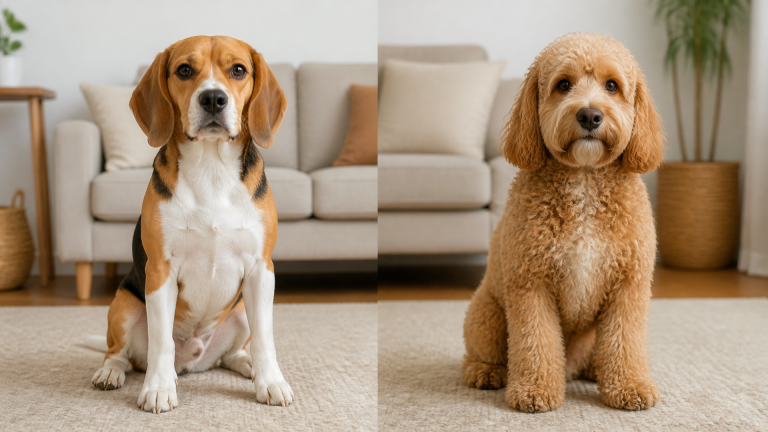
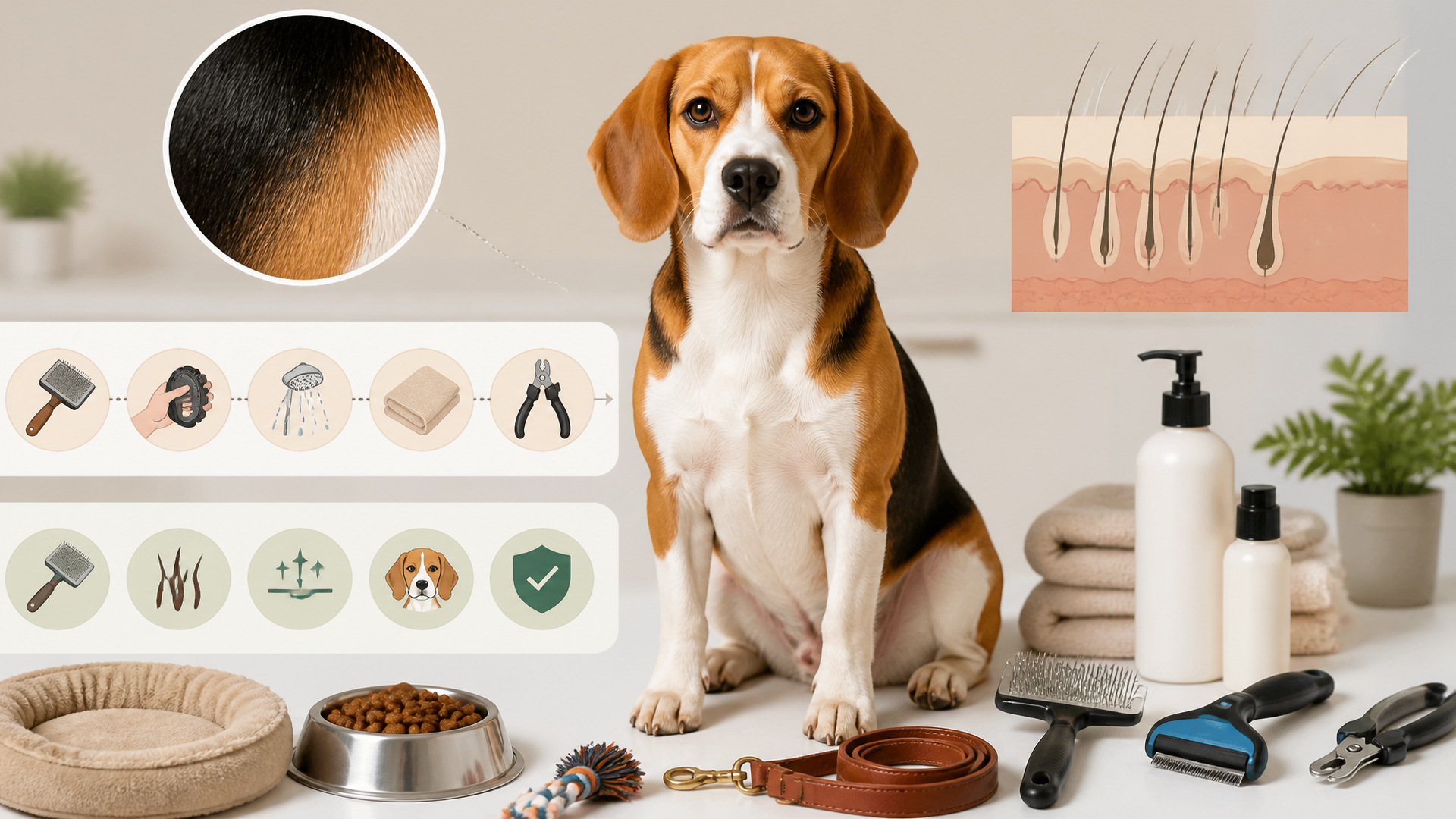
Beagles have a short, dense double coat that measures about 1–1.5 inches, but don’t let the length fool you. This breed sheds year-round, and dead undercoat can get trapped against the skin if you skip brushing. The #1 action: brush your Beagle every other day to keep shedding under control, prevent itchiness, and maintain healthy skin. Most owners assume short hair means low maintenance — the opposite is true for double-coated breeds.

How to Groom Your Beagle’s Coat: A Step-by-Step Flow
Grooming a Beagle takes 10–15 minutes per session. The goal is to remove dead undercoat before it settles into your furniture or irritates your dog’s skin.
Step 1: Prepare Your Tools
Keep these on hand before you start:
- Rubber curry brush (for daily quick passes)
- Slicker brush (for weekly deeper brushing)
- De-shedding rake or tool (for monthly deep undercoat removal)
- Grooming wipes or damp microfiber cloth
- Fine-tooth stainless steel comb
Checkpoint: Run your hand over your Beagle’s back before brushing. If you feel loose fur coming off easily, you’re due for a session. If the skin feels greasy or flaky, that’s a sign you need to adjust your routine — see the branch below.
Branch based on skin feel: If the skin feels greasy or flaky, skip the de-shedding tool for this session. Focus on a gentle brush with the rubber curry and schedule a bath with a mild oatmeal shampoo within the next few days. Harsh tools on irritated skin make things worse. If the skin feels smooth and clean, proceed with the full routine.
Step 2: Brush the Coat
Start with the rubber curry brush in circular motions — it grabs loose hair and massages the skin. Work from neck to tail, moving in the direction of hair growth. Switch to the slicker brush to lift trapped undercoat. Spend extra time on the back, shoulders, and hindquarters where shedding is heaviest.
Verification step: After brushing, run a damp white cloth over your Beagle’s back. If the cloth shows only a few specks of dander and no clumps of fur, the session was effective. If the cloth is covered in loose hair, you need another pass with the slicker brush or a de-shedding tool.
Friction point: If your Beagle squirms, keep sessions short (3 minutes) and reward with a treat. Never pin them down — it creates negative associations that make future grooming harder.
Step 3: Use a De-Shedding Tool (Monthly Only)
A de-shedding rake or a Furminator-style tool reaches the deep undercoat that a brush misses. Use this once every 3–4 weeks maximum. Overuse damages guard hairs and irritates skin. Work in small sections, and stop immediately if you see redness or if your Beagle yelps.
Step 4: Check for Mats, Debris, and Skin Issues
Run the fine-tooth comb through the belly, behind ears, and along the tail. Remove any burrs, twigs, or small mats with your fingers (never scissors near skin). Look for:
- Flaky or greasy patches
- Redness or bumps
- Bald spots or thinning areas
- Parasites like fleas or ticks
Stop/escalate threshold: Stop grooming immediately if you see raw skin, bleeding, or if your Beagle yelps repeatedly during brushing or combing. That’s your cue to stop DIY grooming and consult a vet before continuing. Do not attempt to treat open wounds or irritated spots with home products.
Step 5: Wipe Down
Use a damp cloth or grooming wipe to remove surface dirt and dander. Pay attention to the chin and ears where drool and food collect. Wipe paws after muddy walks to prevent dirt from getting trapped between pads.
Weekly Beagle Coat Care Checklist
Run through this quick check every seven days. If you miss more than two items, adjust your routine.
- [ ] Brushed with rubber curry or slicker brush (3+ minutes)
- [ ] Checked for mats behind ears, under legs, and on belly
- [ ] Examined skin for redness, flakes, bumps, or parasites
- [ ] Cleaned ears with vet-approved wipe (no Q-tips inside the canal)
- [ ] Wiped paws and belly after outdoor walks
- [ ] Trimmed nails if you hear clicking on hard floors
Best Grooming Tools for Beagle Coats
Using the right tools turns grooming from a fight into a bonding session. Here’s what works for a Beagle’s short double coat:
| Tool Type | How to Use | Frequency | Why It Matters for Beagles |
|---|---|---|---|
| Rubber curry brush | Massage in circles to lift loose fur | Daily or every other day | Stimulates oil production and grabs surface hair without scratching |
| Slicker brush | Fine pins capture undercoat | Weekly | Reaches the dense underlayer that normal brushes miss |
| De-shedding rake | Removes deep undercoat without cutting | Once a month | Only tool that pulls out the loose winter/summer undercoat without damaging guard hairs |
| Stainless steel comb | Wide-tooth side for final pass | Weekly | Checks for remaining tangles and helps spot fleas |
| De-shedding shampoo | Releases loose hair during bath | Every 6–8 weeks | Reduces shedding for up to two weeks after wash |
A short-hair-specific Furminator or similar brand works well, but always follow the manufacturer’s instructions for your dog’s size.
Disclosure: Some links in this guide are affiliate links. We may earn a small commission at no extra cost to you.
When to Bathe a Beagle
Beagles don’t need frequent baths — every 6–8 weeks is enough unless they roll in something smelly. Over-bathing strips natural oils, leading to dry, flaky skin and increased shedding.
Use a mild oatmeal-based or de-shedding shampoo for double-coated breeds. Rinse thoroughly — leftover soap residue causes irritation. Towel-dry and let air-dry in a warm room. Avoid blow dryers on high heat; Beagle skin is sensitive and burns easily.
Extra tip for Beagle owners: Beagles have a natural “doggy odor” that’s more noticeable than some breeds. If the smell lingers between baths, try wiping their coat with a damp cloth mixed with a drop of dog-safe conditioner — it cuts odor without stripping oils.
Signs Something Is Wrong with Your Beagle’s Coat
Watch for these red flags. If you spot any, consult your vet.
- Excessive shedding beyond normal seasonal cycles – Could mean stress, poor diet, or thyroid problems. Track shedding with your damp-cloth test weekly.
- Bald patches or thinning hair – Possible allergies, ringworm, or hormonal imbalance. A vet can run a skin scraping or blood test.
- Dandruff or greasy flakes – Often from dry skin, poor nutrition, or yeast overgrowth. Try adding a fish oil supplement to their food first.
- Redness, scabs, or crusty spots – Common with flea allergies or bacterial infections. Stop brushing the area and see a vet.
- Constant scratching or licking – Check for fleas, ticks, or dry skin first. If no pests are visible, allergies are likely.
Frequently Asked Questions about Beagle Coat Length
Do beagles need haircuts?
No. A Beagle’s coat stays short naturally and doesn’t require trimming. A full haircut can damage the protective outer layer. Only trim hair around paw pads if it grows long between the toes.
How often should you brush a beagle?
At least twice a week, and every other day during heavy shedding seasons (spring and fall). Regular brushing removes dead hair before it ends up on your floors.
Can I use a de-shedding tool on my beagle?
Yes, but limit use to once a month. Overusing a de-shedding rake can break guard hairs and irritate skin. Stick to a rubber curry or slicker brush for weekly maintenance.
How can I tell if my beagle’s coat is healthy?
Run your hand against the grain. The coat should feel smooth, not greasy or gritty. There should be no flaking, redness, or bald spots. The damp-cloth test should come away mostly clean.
Save This Guide
Keep your Beagle’s coat healthy and your home fur-free with a simple twice-weekly brushing routine. Focus on the undercoat during shedding seasons, use the right tools for each job, and watch for skin changes. When you brush consistently, your Beagle stays comfortable — and you spend less time vacuuming.