
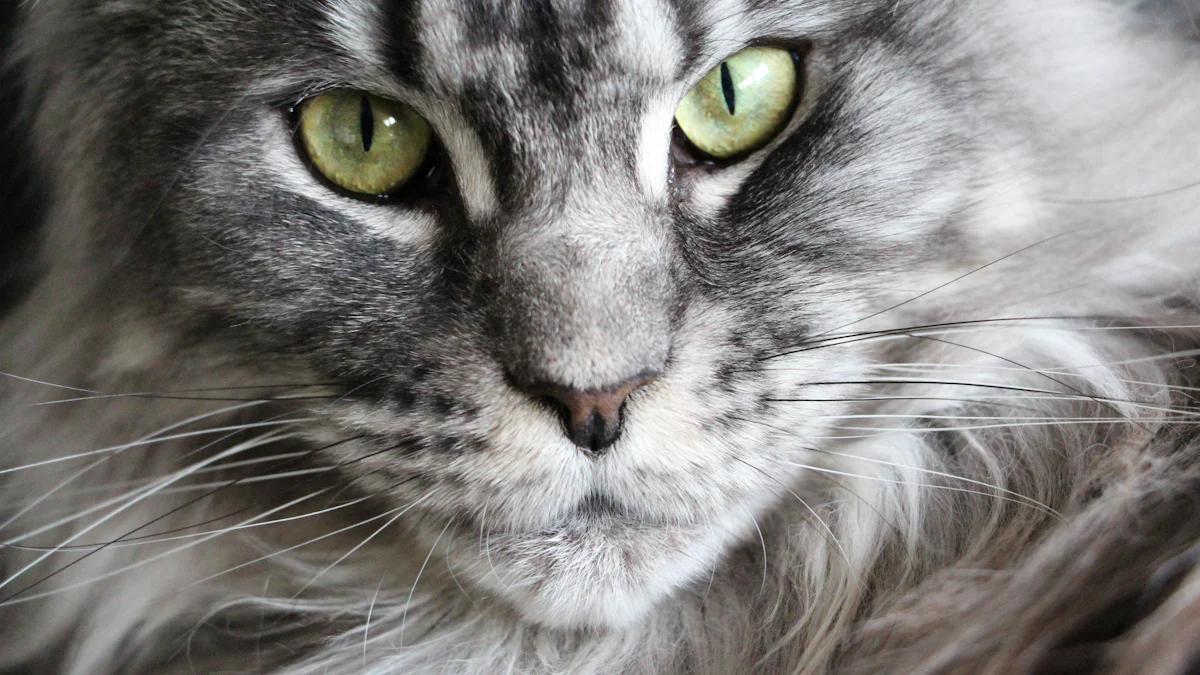
Cats 101 Maine Coon
The Maine Coon is America’s largest domestic cat breed – males typically reach 13–18 pounds, and some top 20+. They’re known for tufted ears, a bushy tail, and dog-like loyalty. If you’re considering one, expect a gentle giant that needs weekly grooming, a protein-rich diet, and vertical space to climb. This guide covers size, grooming, feeding, health red flags, and a quick checklist to see if a Maine Coon fits your home.

What Makes the Maine Coon Special
Maine Coons are slow to mature, reaching full size around 3–5 years old. Their heavy, water-resistant double coat is longer on the ruff, belly, and tail. Personality-wise, they’re affectionate but not clingy, good with kids and other pets, and often described as “dog-like” – they follow you room to room and may even fetch. They’re highly trainable, often learning to open cabinets or turn on faucets. They communicate with soft chirps and trills rather than loud meows.
Their coat changes seasonally – expect heavier shedding in spring and fall.
Maine Coon Size & Growth Timeline
| Age | Male Weight Range | Female Weight Range | Milestone |
|---|---|---|---|
| 8 weeks | 2–3 lbs | 1.5–2.5 lbs | Weaned, ready for new home |
| 6 months | 6–9 lbs | 5–7 lbs | Adolescent growth spurt |
| 1 year | 10–14 lbs | 7–10 lbs | Still filling out, not full size |
| 3 years | 13–18 lbs | 8–12 lbs | Most reach adult weight |
| 5 years | 14–20+ lbs | 9–14 lbs | Fully mature, possible late growth |
A Maine Coon kitten isn’t full-grown until age 3–5. Don’t judge future size by a one-year-old cat. Feeding and vet care should match the growth stage.
Grooming a Maine Coon: Weekly Routine
Their thick double coat demands regular upkeep. Mats form quickly behind the ears, under the legs, and along the belly.
Step-by-step weekly grooming:
1. Brush 2–3 times per week using a slicker brush first, then a wide-tooth comb. Focus on the ruff, belly, and tail.
2. Check for mats behind ears and under armpits. Gently work out tangles with your fingers before using a dematting tool.
3. Trim nails every 2–3 weeks. Light-colored nails make the quick easy to see.
4. Clean ears weekly with a vet-approved ear cleaner. Their tufted ears trap debris.
5. Bathe only when needed (every 4–8 weeks or after a messy situation). Use cat-safe shampoo and rinse thoroughly – their coat holds soap.
Tip #1: Start brushing your kitten early, even when the coat is short. They’ll learn to tolerate grooming as adults. Common mistake: Skipping the belly and back legs – that’s where painful mats hide.
Tip #2: Use a stainless steel comb with rotating tines for the belly area. It glides through fur without tugging. Common mistake: Using a brush with plastic tips – they break off and can scratch the skin.
Tip #3: For heavy shedding season, add a deshedding tool (like the Furminator) to your routine, but use it gently – overbrushing damages the coat’s guard hairs. Common mistake: Raking the same spot repeatedly – stop when you no longer pull loose fur.
Feeding Your Maine Coon
Maine Coons need a high-protein diet with moderate fat to support their large frame and active lifestyle. Obesity is a real risk, especially in neutered males.
Feeding quick card (adult, 15-lb Maine Coon):
- Wet food: 1.5–2 cans (5.5 oz) per day, split into two meals
- Dry food: ½–¾ cup per day, if supplementing (not diet’s main source)
- Treats: No more than 10% of daily calories
What to look for in food:
- First ingredient: named meat (chicken, turkey, salmon)
- Guaranteed analysis: at least 40% protein, 15–20% fat
- Avoid: artificial colors, corn syrup, unnamed meat meals
Decision criterion: If your Maine Coon is an indoor-only cat, choose a lower-calorie formula. For active outdoor-access cats, a higher-fat diet provides the energy they burn.
Common Health Concerns Related to Diet
- Hip dysplasia: Seen in larger Maine Coons. Maintain a lean body condition to reduce joint stress.
- Hypertrophic cardiomyopathy (HCM): The most common heart disease in the breed. Ask your breeder for echocardiogram results on both parents.
- Obesity: Monitor body condition regularly. You should feel ribs with a thin fat layer – if you can’t feel them, cut portions by 10–15%.
Health Watch: 5 Warning Signs to Call the Vet
Maine Coons are generally healthy, but watch for these red flags:
1. Sudden lethargy or hiding for more than 24 hours – could signal pain or illness.
2. Open-mouth breathing other than after intense play – may indicate heart or respiratory issues.
3. Lameness or difficulty jumping – possible hip dysplasia or arthritis.
4. Unexplained weight loss despite normal appetite – rule out hyperthyroidism or diabetes.
5. Frequent sneezing or eye discharge – allergies or upper respiratory infection common in this breed.
If your cat shows difficulty breathing, collapses, or goes more than 48 hours without eating, go to the emergency vet immediately.
Is a Maine Coon Right for You? Decision Checklist
Use these 5 pass/fail checks to see if a Maine Coon fits your home:
| Check Item | Pass | Fail |
|---|---|---|
| Do you have space for a large cat tree or shelves? | ✅ Yes | ❌ Only floor space |
| Can you commit to 2–3 grooming sessions per week? | ✅ Yes | ❌ Prefer low-maintenance coat |
| Is your budget ready for premium food and larger vet bills? | ✅ Yes | ❌ Tight on pet expenses |
| Are you home at least part of the day (they want company)? | ✅ Yes | ❌ Gone 10+ hours daily |
| Do you have children or other pets (they’re social)? | ✅ Yes or someday | ❌ Want an only-animal home |
If you checked 4–5 passes, a Maine Coon is a strong fit. At 3 or fewer, consider a lower-maintenance breed like a Domestic Shorthair or a Ragdoll.
Save This Guide
Maine Coons are loyal, intelligent, and strikingly beautiful – but they require dedicated grooming, a quality diet, and enough space to roam. If you can meet those needs, you’ll gain a devoted companion for 12–15 years.
Key takeaway: Start grooming early, feed a protein-rich diet, and keep your Maine Coon lean. The extra effort pays off in a healthier, happier cat.
We include affiliate links for recommended grooming tools and cat food. If you purchase through these links, we may earn a small commission at no extra cost to you.
Frequently Asked Questions
Are Maine Coons good with dogs?
Yes, they’re famously dog-friendly and often treat dogs as litter mates if introduced slowly.
Do Maine Coons need a lot of exercise?
They’re active but not hyper. Provide vertical climbing space and 15–20 minutes of interactive play daily.
How much does a Maine Coon cost?
From a reputable breeder, expect $1,000–$2,500. Adoption fees for rescues are $100–$300.
Do Maine Coons shed a lot?
Yes, especially in spring and fall. Weekly brushing controls most loose fur.
Can Maine Coons be left alone during the day?
They handle 8–9 hours alone better than most breeds, but they thrive with company – consider a pair if you’re away longer.

