Muffin vs Chihuahua: Which Is Right For You?
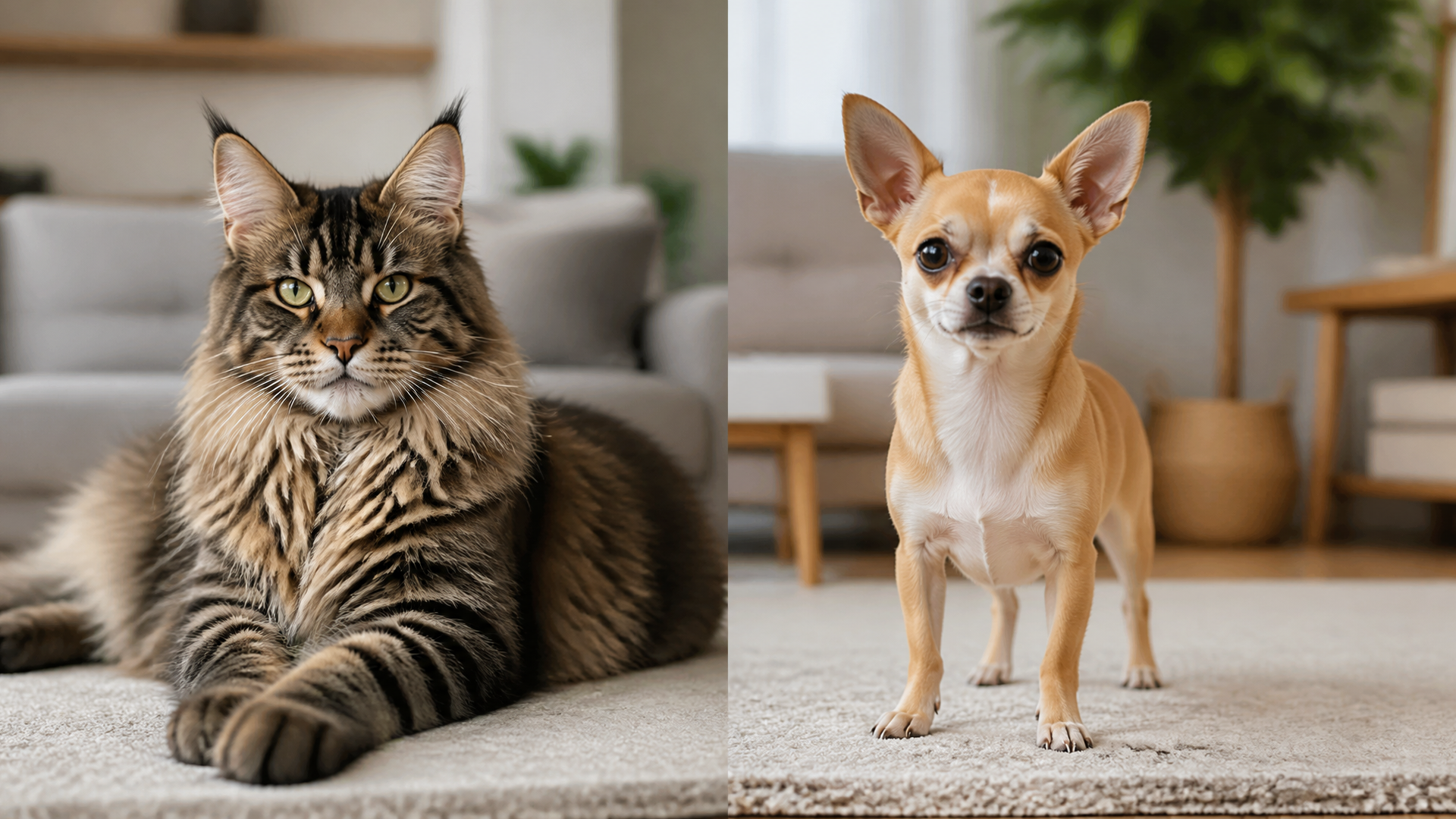
If you’re deciding between a Muffin (a common nickname for the Maine Coon cat) and a Chihuahua, the short answer depends on your space, grooming tolerance, and noise preferences. The Maine Coon is a large, dog-like cat that stays quiet and independent. The Chihuahua is a tiny, high-energy dog that fits in a carrier but often barks at everything. This guide breaks down the real-world trade-offs so you can choose the right pet from day one.

This article contains affiliate links; we may earn a commission if you purchase products through them.
Quick Answer
The Maine Coon works best for owners who want a low-maintenance, independent companion without daily walks. The Chihuahua suits owners who can commit to daily exercise, consistent training, and patience with a vocal breed. If you live in an apartment with thin walls and hate barking, pick the Maine Coon. If you want a portable sidekick you can take everywhere and have time for socialization, the Chihuahua wins.
Comparison Framework
The table below shows how the Maine Coon and Chihuahua stack up across the most important decision factors. Use the notes after the table to weigh what matters most for your home.
| Feature | Maine Coon (cat) | Chihuahua (dog) |
|---|---|---|
| Adult weight | 10–25 lbs | 2–6 lbs |
| Lifespan | 12–15 years | 12–20 years |
| Grooming need | Weekly brushing; heavy seasonal shedding | Minimal brushing; light year-round shedding |
| Daily exercise | 15–20 minutes of play | 30-minute walks + training sessions |
| Noise level | Quiet (occasional meowing) | Moderate to high (barks at strangers, noises) |
| Training difficulty | Easy (litter box, scratching post) | Moderate (potty training can take 6+ months) |
| Space needed | Room for 6-foot cat tree and large litter box | Small, but needs secure indoor area |
| Health concerns | Hip dysplasia, hypertrophic cardiomyopathy | Patellar luxation, tracheal collapse |
The one decision criterion that changes everything: The indoor-outdoor dynamic flips the recommendation. If you want a pet that can safely join outdoor adventures, a Chihuahua can accompany you on hikes (use a padded harness like the Puppia Soft Vest, never a retractable leash). A Maine Coon should never be allowed outdoors unsupervised — their trusting nature makes them vulnerable to cars, coyotes, and theft. If outdoor time matters to you, skip the cat and pick the dog.
Best-Fit Picks by Use Case
For Apartment Dwellers Who Value Quiet
Choose the Maine Coon if you have thin walls and don’t want noise complaints. A Chihuahua can still work if you’re prepared for daily walks and consistent training to curb barking — but most apartment owners underestimate how much a Chihuahua vocalizes.
For Owners Who Travel Frequently
Chihuahuas fit under an airline seat in an approved cabin carrier. Maine Coons are too large for cabin carriers and must fly cargo, which is stressful and risky. If you fly several times a year, the Chihuahua is the practical choice.
For First-Time Pet Owners
Both breeds have challenges, but the Maine Coon is easier for a beginner because litter box training is instinctive and grooming is predictable. Chihuahuas require dedicated patience for potty training (6+ months is common) and socialization to prevent fear-based biting.
Quick Fit Check: Which Breed Matches Your Life?
Answer yes or no to each. Be honest — this isn’t about what you wish you could do, but what you actually will do.
1. I can commit to daily walks (30 minutes) for 12–20 years, including bad weather.
2. I am prepared to train my pet not to bark at every sound (Chihuahua) or provide vertical climbing space (Maine Coon).
3. I have floor space for a 6-foot cat tree and a 20-lb litter box.
4. I can tolerate heavy shedding twice a year (Maine Coon) or light year-round shedding (Chihuahua).
5. I need a quiet pet that won’t disturb neighbors in thin-walled housing.
6. I want a pet that can join me on outdoor excursions (Chihuahua) or prefers indoor lounging (Maine Coon).
- Mostly yes to 1, 2, 5 → Chihuahua fits.
- Mostly yes to 3, 4, 6 → Maine Coon is your match.
- Mixed answers? Look at which trade-offs you can genuinely handle. Apartment dwellers often choose wrong at #5 — a quiet cat beats a barking dog in a shared building.
Trade-offs to Know
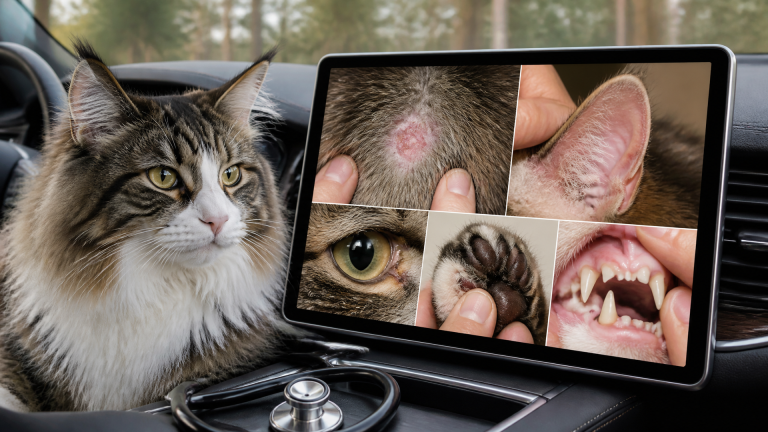
- Vet costs: Maine Coons need expensive heart screenings (echocardiograms can run $500–$1,000). Chihuahuas require annual dental cleanings ($300–$800) because their small mouths trap tartar. Budget for these from day one — many owners are blindsided by these recurring costs. Costs vary by region, so check with your local vet for exact figures.
- Lifespan gap: Chihuahuas often outlive Maine Coons by 5+ years. A 20-year commitment means planning for a pet through career changes, moves, and possibly your retirement. That longevity can be a blessing or a burden depending on your life stage.
- Travel limitations: Already covered above, but it’s worth repeating: if you travel often, the Chihuahua is the only practical choice from this pair.
Expert Tips for Managing the Trade-Offs
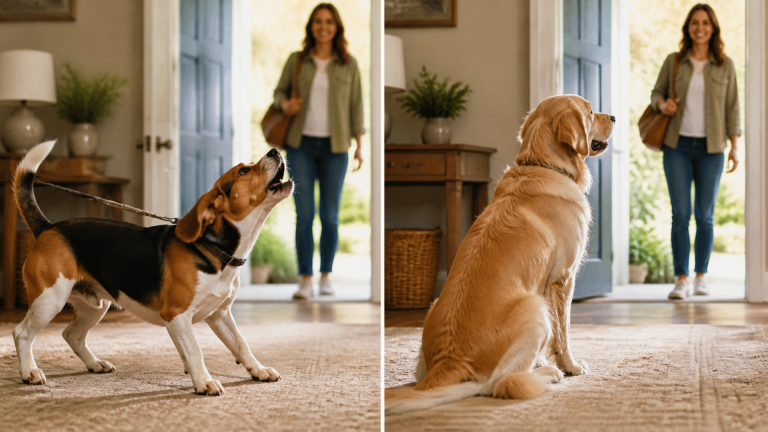
Tip 1 – Socialize your Chihuahua immediately. Sign up for a puppy kindergarten class by week 12. A common mistake is skipping it because “he’s so small” — that leads to fear-based biting and endless barking. If the puppy acts fearful, bring treats and let him approach strangers at his own pace. Consistent socialization in the first four months sets the tone for their entire life.
Tip 2 – Feed Maine Coons on a schedule, never free-feed. Divide daily food into at least two measured meals. Leaving a full bowl out leads to obesity, which strains their hips and heart (both already at risk for this breed). A grain-free, high-protein diet like Wellness Core Grain-Free helps maintain their large frame without empty fillers.
Tip 3 – Brush teeth for both breeds starting day one. Use a pet toothpaste (never human) and a finger brush daily. For the Maine Coon, dental disease can cause kidney problems. For the Chihuahua, small mouths crowd teeth, leading to painful extractions by age 5. Start the habit early — make it part of evening wind-down time. A common mistake is waiting until you see bad breath; by then, periodontal disease is already advanced.
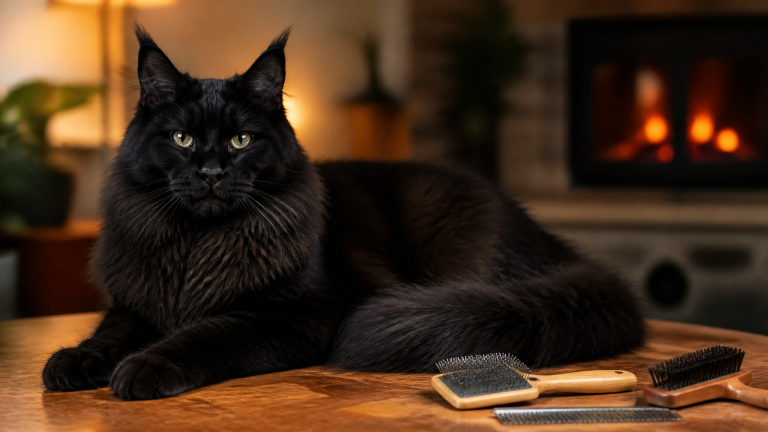
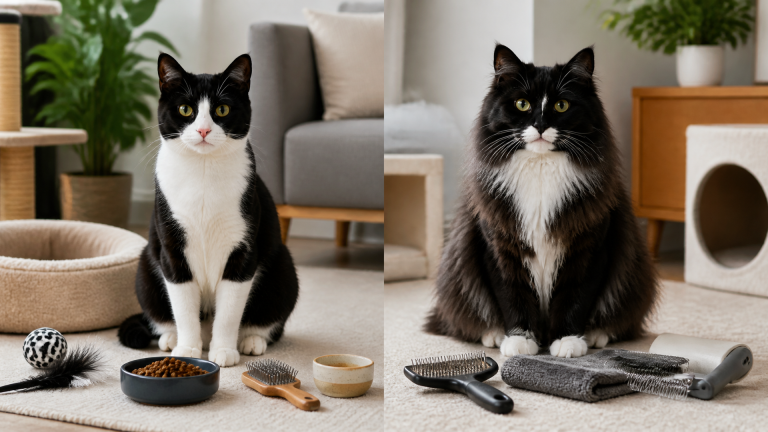
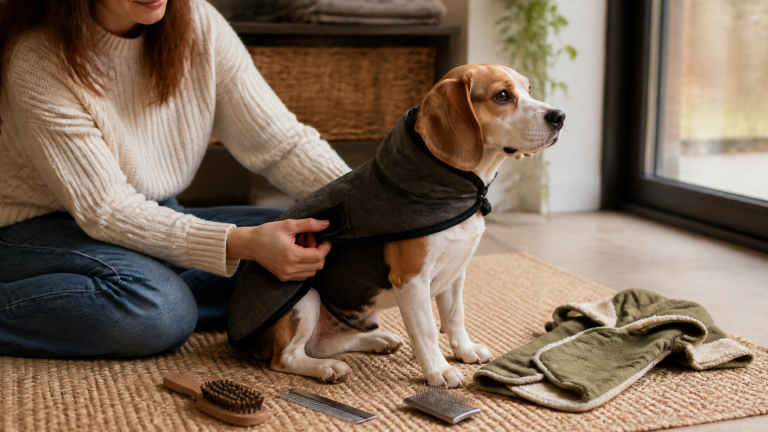
Tip 4 – Choose the right grooming tools. For the Maine Coon, buy a Furminator (for undercoat) and a wide-tooth metal comb (for tangles). For the Chihuahua, a rubber curry brush works fine. A common mistake is using a slicker brush on a Chihuahua’s thin coat — it can scratch their sensitive skin. Stick to the tool type that matches their coat density.
Related Questions
Are Maine Coons good with other pets? Yes, they are one of the most dog-friendly cat breeds. They often initiate play with respectful dogs and get along with other cats.
Which breed lives longer? Chihuahuas typically reach 15–20 years; Maine Coons average 12–15 years. That’s a significant difference if you’re planning for the long term.
Do Chihuahuas shed a lot? Lightly year-round, but less than a Maine Coon. Both require weekly brushing to reduce loose fur.
Which is better for small apartments? A Chihuahua adapts better to tight quarters — but only if you commit to daily walks. A Maine Coon needs vertical space and a large litter box, which can be tricky under 500 square feet.
Can a Chihuahua be left alone all day? Not ideally. They develop separation anxiety and destructive behavior if left for 8+ hours. A Maine Coon handles alone time better, but both need daily interaction.
Save This Guide for the day you visit a breeder or rescue. The real test? Walk a Chihuahua for a week, then cat-sit a Maine Coon for a weekend. Your gut will tell you which lifestyle feels right.