Doberman Greyhound Mix: Guide: What Every Owner Should Know
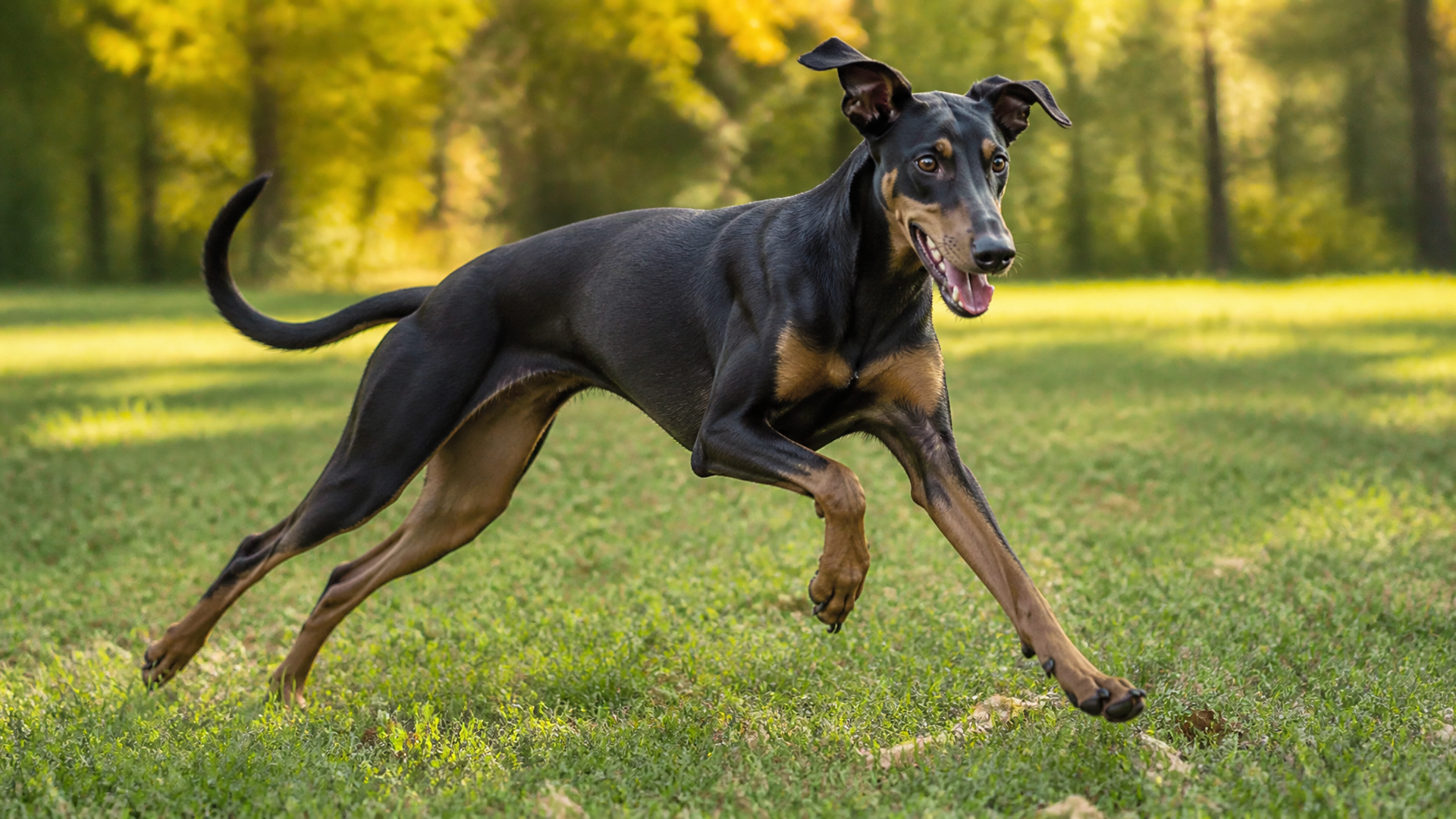
The Doberman Greyhound mix is a high-energy, loyal crossbreed that combines the Doberman’s protective drive with the Greyhound’s speed and gentle nature. But the most common mistake owners make is confusing “high energy” with “needs unlimited running.” Pushing this mix too hard before 18–24 months can cause joint damage that lasts a lifetime. Here’s what you need to know about temperament, care, and the one warning sign most people miss.

The One Detail Most Owners Miss (And How to Spot It Early)
Both parent breeds have deep chests and lean frames, which means this mix is built for short sprints, not marathon runs. The real risk is over-exercising before growth plates close.
What this means in practice: your puppy or adolescent dog will seem tireless. They’ll beg for more fetch. But their bones and joints aren’t ready for high-impact, repetitive activity yet. Pushing through leads to early arthritis, elbow dysplasia, or hip issues that show up before age five.
How to check for it: after a 20-minute run or long fetch session, watch your dog that evening and the next morning. Limping, stiffness when standing up, or reluctance to hop onto the couch are red flags. Cut back to shorter, more structured exercise and schedule a vet exam.
The trade-off: if you ignore this and keep pushing, you may end up with a dog that can’t comfortably go on walks by age six. A structured exercise plan (not unlimited play) protects their joints while still meeting their energy needs.
How This Crossbreed Compares to Its Parent Breeds
| Trait | Doberman Pinscher | Greyhound | Doberman Greyhound Mix |
|---|---|---|---|
| Energy level | Very high | Moderate to high | High – needs 45–60 minutes structured exercise daily |
| Prey drive | Moderate | Very high | High – early recall training essential |
| Protective instinct | Strong | Low | Moderate – more alert than a Greyhound, less guardy than a Doberman |
| Trainability | High (eager to please) | Moderate (independent) | Moderate to high – best with positive reinforcement, not punishment |
| Health risks | Bloat, cardiomyopathy, hip dysplasia | Bloat, osteosarcoma, skin sensitivity | Bloat and joint issues are the top concerns |
| Coat care | Minimal shedding | Minimal shedding | Very low maintenance – weekly brush is enough |
Use this table to see where your specific mix might land. If you want a more trainable dog, look for a Doberman-heavy cross. If you prefer a calmer home presence, a Greyhound-dominant mix may suit you better.
What This Mix Needs to Stay Healthy and Happy
Exercise That Builds Good Joints, Not Bad Habits
| Activity Type | How Much | Notes |
|---|---|---|
| Daily walks | 45–60 minutes total | Two brisk walks, not one long slog |
| Off-leash running | 2–3 times per week | Only in a completely fenced area – prey drive is real |
| Mental stimulation | 15–20 minutes daily | Puzzle toys, nose work, or short training sessions |
| Rest days | 1–2 per week | Let their body recover; avoid pavement runs in hot weather |
Three practical tips for exercising this mix:
Tip #1 – Use a flirt pole to satisfy prey drive in a controlled way. This tool lets your dog sprint and stop without full-speed escapes. Common mistake: letting them chase real animals – it reinforces the hunting instinct and makes recall unreliable.
Tip #2 – Invest in a cooling vest for hot summer days. Their short coat offers little insulation, and the deep chest makes them prone to overheating. Common mistake: walking mid-day in 85°F+ temperatures – this breed can overheat in 15 minutes.
Tip #3 – Teach a solid “emergency recall” word using high-value treats (freeze-dried liver or cheese). Common mistake: assuming a dog that’s friendly at home will always come when called outside – prey drive overrides training.
Feeding for Bloat Prevention
This mix is at high risk for bloat (GDV) – a life-threatening stomach twist. Feed 2–3 meals per day (never one large meal) and avoid exercise one hour before and after eating. Look for a high-quality kibble with 24–28% protein and a named meat as the first ingredient. Consider a slow-feeder bowl if your dog gulps food, and always provide fresh water but limit large gulps after exercise.
Monthly Health Checklist for This Mix
Use this list monthly to catch breed-specific issues early:
- [ ] Does your dog limp, bunny-hop, or show stiffness after exercise?
- [ ] Is the belly visibly swollen or firm to the touch after eating?
- [ ] Does your dog pace, pant, or drool excessively when you’re about to leave?
- [ ] Are the eyes clear and free of discharge? (Greyhounds can develop dry eye)
- [ ] Is the coat shiny, not dull or patchy? (May signal hypothyroidism)
If you answer “yes” to any item, schedule a vet visit within the week.
Grooming (Minimal, But There’s a Catch)
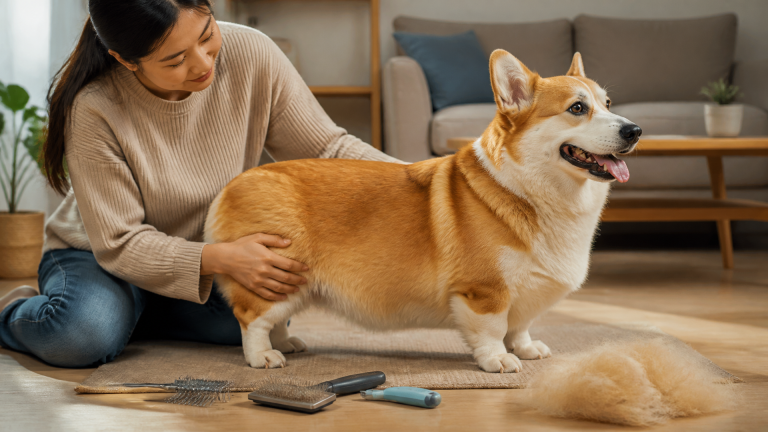
Brush once a week with a rubber curry brush. Trim nails every 2–3 weeks – if you hear clicking on the floor, they’re too long. Clean ears weekly, especially if your mix has floppy ears.
The catch: their thin coat offers almost no protection from cold or sun. In winter, a sweater or jacket is necessary below 40°F. In summer, limit outdoor time during peak heat and provide shade and water at all times.
Disclosure: Some product links on this page are affiliate links. We may earn a commission at no extra cost to you.
Training Quick Reference (First 6 Months)
| Age | Focus | Milestone |
|---|---|---|
| 8–12 weeks | Housebreaking, crate training, name recognition | Reliable potty schedule |
| 3–4 months | Sit, stay, down, leave it | Responds to verbal cues |
| 4–6 months | Loose-leash walking, recall in low-distraction areas | Comes when called inside |
| 6 months+ | Emergency recall, impulse control games | Off-leash reliability in fenced area |
This mix learns quickly but can be stubborn. Keep sessions to 5–10 minutes twice daily and always end on a positive note. If you hit a training plateau, switch to a different reward (toy, praise, or game) rather than repeating the same cue.
Is This Dog the Right Fit for You?
This mix works well if you:
- Have a securely fenced yard (minimum 5-foot fence – they can jump)
- Want an active jogging or hiking partner
- Can provide consistent training from day one
- Are home most of the day or have a plan for separation anxiety
It’s a poor fit if you:
- Live in an apartment with no nearby open space
- Work 10+ hour shifts without a dog walker
- Want a low-energy lap dog
- Have small pets like cats or rabbits (prey drive may be too strong)
The biggest mismatch most owners discover too late is living space. Even with daily walks, this mix needs room to sprint a few times a week. Apartment life can work, but only if you’re committed to off-leash running in a fenced area multiple days per week.
Frequently Asked Questions
How big does a Doberman Greyhound mix get?
Most adults reach 60–90 pounds and stand 24–28 inches at the shoulder, depending on which parent breed dominates.
Do they bark a lot?
Moderately. They are more alert than a Greyhound but less vocal than a pure Doberman. Expect barking at strangers or unusual noises, but not constant yapping.
Are they good with children?
Yes, when properly socialized. They are generally gentle and playful with older children who respect their space. Supervise around toddlers due to their size and energy.
Save This Guide – The Doberman Greyhound mix is a rewarding but demanding crossbreed. The most important takeaway: structured, joint-safe exercise (not unlimited running) keeps them healthy. Use the monthly checklist to catch bloat, joint pain, and other breed-specific issues before they become emergencies.