Are Beagles Prone to Separation Anxiety
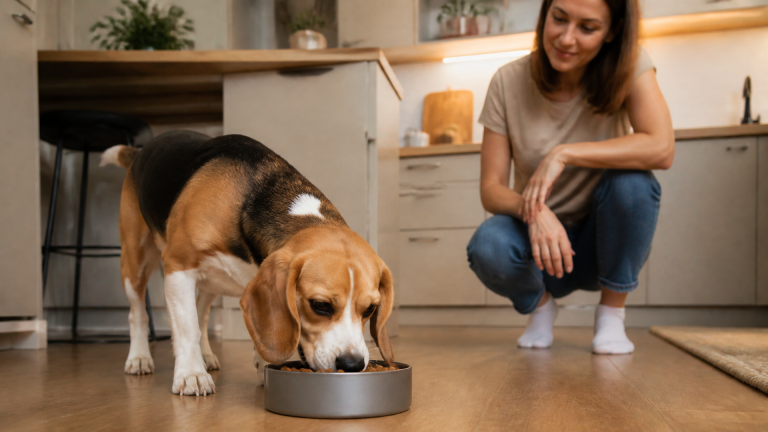
Yes, Beagles are one of the breeds most prone to separation anxiety. Bred as pack hounds, they crave constant companionship. When left alone too long or too often, many Beagles develop destructive, noisy, or panicked behaviors. The good news? You can manage and often prevent this with the right training and environment.

Here’s exactly what to do — from early signs to step‑by‑step training and product picks that actually help.
Why Beagles Are Hardwired for Panic When Left Alone
Beagles aren’t just “friendly” — they’re wired for company. Bred to hunt in packs, they see solitude as unnatural. When you leave, they don’t relax; they panic.
Key breed traits that fuel anxiety:
- Pack mentality – Your Beagle views your household as its pack. Being separated feels like abandonment.
- High energy – Beagles need physical and mental stimulation. A bored Beagle invents its own entertainment (chewing, howling, digging).
- Strong scent drive – Their nose is their primary sense. Without a job (or a good puzzle toy), they fixate on escaping or destroying things.
- Vocal nature – Beagles bay, bark, and howl. Separation anxiety makes this much worse, often upsetting neighbors.
Practical implication: If you work full‑time or travel often, a Beagle may not be the right fit unless you can afford daily dog walkers or daycare. For current owners, this means you need a consistent training plan — not just a few toys.
The 10‑Minute Test: Is It Separation Anxiety or Just Boredom?
Before you panic, use this quick verification step. Set up a camera (your phone works) and leave your Beagle alone for exactly 10 minutes. Watch the recording for these signs:
- Normal Beagle: Sniffs around, maybe barks once or twice, then settles down within 5 minutes. May chew a toy, but doesn’t scratch at doors.
- Separation anxiety: Paces, drools, howls non‑stop, scratches at the door, or tries to escape within the first 5 minutes. Does not settle even after 10 minutes.
If you see anxious behavior within 10 minutes: Your Beagle needs structured training (Steps below). If they settle fine for 10 minutes but destroy things after an hour, that’s still anxiety — just a slower trigger. In either case, you need intervention.
Step‑by‑Step Training to Prevent or Fix Separation Anxiety
Start training the moment you bring your Beagle home. If you already see signs, these steps still work — just expect slower progress.
Step 1: Crate Train Correctly
A crate can be your Beagle’s safe den, not a jail.
- Choose a wire or plastic crate large enough for them to stand and turn around.
- Feed all meals inside the crate with the door open for the first week.
- Once comfortable, close the door for 5 minutes while you sit nearby, then gradually increase alone time.
Product tip: A crate cover (like a breathable mesh cover) blocks visual triggers and reduces anxiety. Many Beagles settle faster in a den‑like space.
Step 2: Create a Departure Ritual That Signals Safety
Beagles learn cues quickly. If every time you grab your keys you dash out, they panic. Instead:
1. Put on your shoes, grab keys, then sit on the couch for 2 minutes (no dramatic goodbyes).
2. Leave for 30 seconds, return, and go about your day calmly.
3. Gradually extend absence duration — 1 minute, 5 minutes, 15 minutes, 1 hour — over several days.
Friction point: If your Beagle starts whining or barking the moment you leave, you’re moving too fast. Go back to the previous comfortable duration and repeat.
Step 3: Tire Them Out Before You Leave
A tired Beagle is less likely to panic.
- Morning walk: 20–30 minutes of structured walking (not just sniffing) burns energy.
- Scent game: Hide treats around the yard or house for 10 minutes of nose work.
- Puzzle toys: Stuff a Kong or similar treat‑dispensing toy with peanut butter (xylitol‑free), freeze it, and give it only when you leave.
Success check: If your Beagle eats the frozen Kong within 5 minutes of you leaving and then sleeps, you’re on the right track. If they ignore the toy and howl, they need more training before you rely on that.
The Trade‑Off: What Happens When You Rush or Skip Training
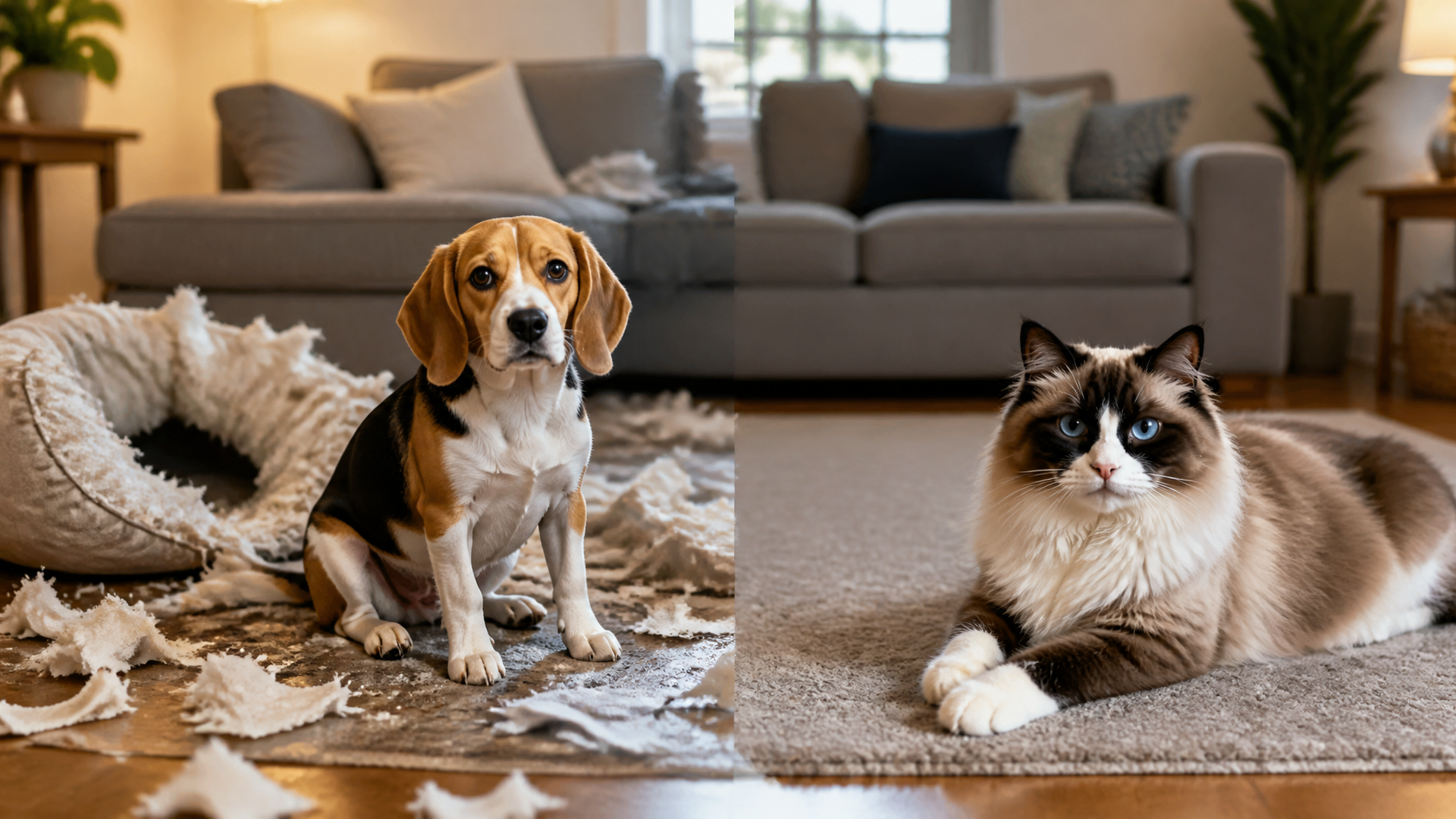
Many owners skip the gradual departure ritual and jump straight to leaving for hours. That’s the biggest mistake. Mismatch warning: If you leave your Beagle alone for 8 hours without proper preparation, they will likely:
- Chew through drywall, doors, or baseboards
- Injure themselves trying to escape (scratched paws, broken teeth)
- Develop chronic stress that leads to digestive issues or excessive shedding
- Create noise complaints that threaten your housing
When to escalate: If after 4 weeks of consistent training your Beagle still panics when left alone for 15 minutes, it’s time to consult a veterinary behaviorist. They can prescribe anti‑anxiety medication that makes the training actually stick — especially for Beagles with severe cases.
Should You Get a Beagle If You Work Full Time? A Quick Decision Aid
Use this checklist to decide if a Beagle fits your lifestyle. If you can’t check most items, consider another breed or work with a dog walker.
- [ ] I can come home for a midday walk or hire a walker (Beagles shouldn’t be alone more than 4–5 hours)
- [ ] I have a secure, escape‑proof yard (Beagles are expert Houdinis when bored)
- [ ] I’m willing to crate train every day for the first 3 months
- [ ] I can provide at least 60 minutes of exercise daily (split between walks, play, and nose games)
- [ ] I live in a home or apartment where moderate howling won’t cause neighbor complaints
- [ ] I’m ready to invest in mental enrichment toys (puzzle feeders, snuffle mats)
If you checked 4 or fewer: Your Beagle is at high risk for separation anxiety. Consider a different breed (like a more independent hound or a low‑energy senior dog) or set up a reliable daycare/walker schedule before bringing a Beagle home.
Products That Actually Help a Beagle with Separation Anxiety
Use these as tools, not substitutes for training.
| Product Type | What to Look For | Why It Helps Beagles |
|---|---|---|
| Calming treat | Chews with L‑theanine, chamomile, or hemp (e.g., Zesty Paws Calming Bites) | Takes edge off without sedation; give 30 min before leaving |
| Puzzle feeder | Slow feeder or treat‑dispensing ball (e.g., Outward Hound puzzle) | Engages their nose and mind – a tired Beagle is a calm Beagle |
| Adaptil diffuser | Plug‑in pheromone diffuser for dogs | Mimics mother’s calming scent – reduces stress in many Beagles |
| Interactive camera | Camera with treat‑dispensing (e.g., Furbo) | Lets you check in and reward quiet behavior remotely |
| Crate with divider | Sturdy wire or plastic crate with adjustable panel | Prevents den‑destruction and gives a secure space |
Affiliate disclosure: Some product links on this page may earn us a small commission at no extra cost to you. We only recommend what we actually use for our own Beagles.
Frequently Asked Questions
Can I leave my Beagle alone for 8 hours while I work?
Not daily. Beagles are social, high‑energy dogs. Four to five hours is the safe maximum. If you work longer, arrange a midday dog walker or doggy daycare.
Will a second dog fix Beagle separation anxiety?
Sometimes, but it’s risky. A second dog gives company, but if both have anxiety, the problem doubles. Train the first dog first, then consider a calm, confident companion.
What’s the biggest mistake owners make?
Making a big, emotional fuss when leaving or returning. This reinforces anxiety. Stay low‑key: leave without drama, and greet your Beagle calmly after a minute of quiet.
Do calming collars work for Beagles?
They can help mild cases, but they’re not a cure. Use them alongside training, not as a standalone fix. Look for pheromone‑based collars (like Adaptil).
Save This Guide: Key Takeaway
Beagles are prone to separation anxiety because of their pack‑hound heritage, but you can prevent or manage it with consistent crate training, mental enrichment, and a gradual departure routine. Start early, tire them out, and never leave a Beagle alone for more than 4–5 hours without a plan. Use the 10‑minute test to verify whether it’s anxiety or boredom, and escalate to a vet if training doesn’t work within 4 weeks. Your Beagle doesn’t need you to be home 24/7 — they need you to teach them that alone time is safe.