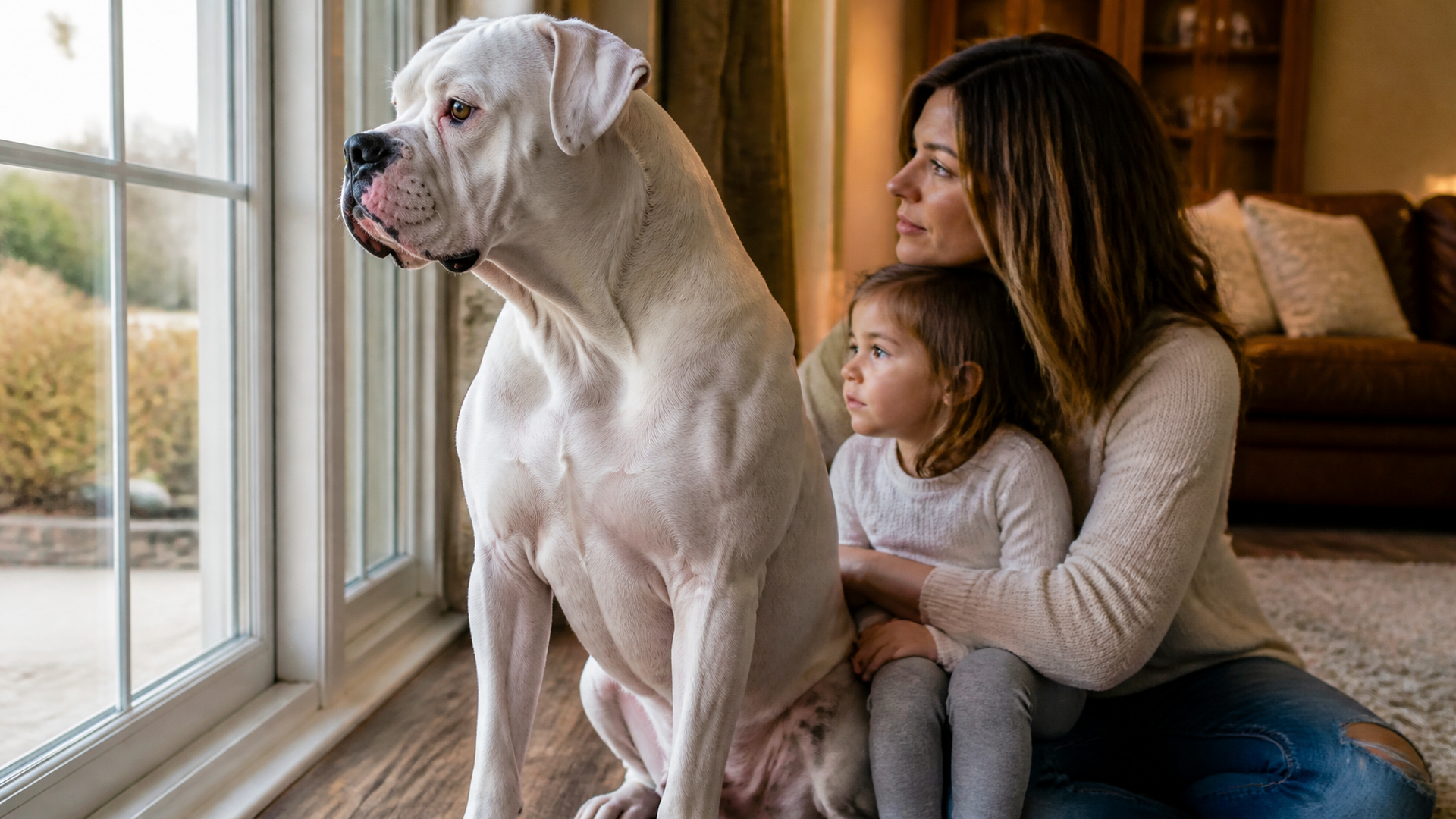
Are American Bulldogs Protective
American Bulldogs are naturally protective of their family and property. Bred originally as working farm dogs, they have a strong instinct to guard their people, especially when they sense a threat. But “protective” isn’t the same as “aggressive.” With the right training and socialization, an American Bulldog can be a confident, loyal watchdog without becoming reactive. Here’s what you need to know to manage their protective drive.

What That Protectiveness Means for Your Next Step
If you’re considering bringing an American Bulldog home, this trait directly affects your daily routine and setup. Expect to invest time in socialization (30+ minutes of controlled exposure to new people, places, and noises each day). You’ll also need a secure 5–6 foot fence—this breed is strong and can clear shorter barriers. If you live in an apartment with thin walls or have frequent visitors (service workers, family), the barking and territorial stance may become a problem without structured training. For owners who can commit to early obedience and controlled greetings, the breed’s guarding instinct is an asset. For those who lack the time or consistency, a less protective breed (like a Labrador Retriever) may be a safer fit.
What Does Protective Look Like in an American Bulldog?
Protectiveness in this breed shows up as alertness, a deep bark, and a willingness to place themselves between their owner and a perceived threat. Unlike some breeds that alert and then retreat, an American Bulldog is more likely to stand their ground.
- Body language: Stiff posture, direct stare, raised hackles, low growl.
- Vocalization: A strong, booming bark — not constant yapping.
- Placement: They often position themselves near doors, windows, or between you and a stranger.
This self-confidence makes them excellent guardians, but it also means you need to set clear boundaries early. A poorly directed protective instinct can lead to barrier aggression or overreaction to normal visitors.
Are American Bulldogs Protective by Nature? (The Short Answer)
Yes, they are. This trait is bred into them from their history as catch and guard dogs on American farms. They were expected to protect livestock and property. However, genetics only set the stage — environment and training determine how that protection is expressed.
Key factors that shape protectiveness:
- Socialization (puppy to adulthood): Positive exposure to people, dogs, noises, and situations teaches them what is normal vs. a threat.
- Training consistency: Basic obedience (sit, stay, leave it) gives you off-switch control over their guarding.
- Owner leadership: American Bulldogs respect a calm, confident handler. If you are anxious or inconsistent, they may feel the need to take charge.
How to Verify Your Dog’s Temperament (A Concrete Check)
Before you assume your American Bulldog’s protectiveness is on track, run this three-step check over a week:
1. Test the “off” cue outside. During a walk, have a friend appear at a distance (50 feet). When your dog alerts, give your “look” cue, then “off/leave it.” If your dog disengages within 3 seconds and looks at you, you’re in good shape. If they fixate or keep barking, you need more desensitization work.
2. Record greeting behavior. Have a new person enter your home while you’re present. Does your dog sit or stay on your cue? Or do they block the door, growl, or push past you? The second pattern means the protective instinct is overriding your leadership.
3. Check barrier response. Walk toward a closed window or fence where a dog or person might pass. If your American Bulldog charges the barrier and cannot settle within 10 seconds of the trigger leaving, that’s a red flag for barrier reactivity.
Use these checks monthly. If you see improvement, your training is working. If the pattern stays the same or worsens, escalate to a certified behaviorist.
How to Train a Protective American Bulldog (Without Creating Aggression)
The goal is a dog that assesses threats calmly and defers to you before acting. Here are three expert tips for shaping that instinct.
Tip 1: Teach a “Watch” and “Off” Cue
Actionable step: When your dog alerts to something outside, use a calm “watch” to acknowledge them, then an “off” (or “enough”) to stop the fixation. Reward the quiet disengagement.
Common mistake: Yelling or punishing the alert bark — this can make them more anxious or suppress warnings entirely. Let them alert briefly, then redirect.
Tip 2: Practice Controlled Greetings
Actionable step: Have every guest ignore your dog upon entry. Ask your dog for a “sit” and “stay” before allowing a calm greeting. This teaches them strangers are not a threat and you control access.
Common mistake: Allowing the dog to rush the door or jump on visitors — this reinforces territorial behavior.
Tip 3: Use Neutral Territory Introductions
Actionable step: Meet new people or dogs outside your home first (sidewalk, park). Once calm, move inside. This reduces the “home is territory” association.
Common mistake: Letting a stranger walk straight into the house — this triggers the highest protective response.
American Bulldog vs. Other Protective Breeds: A Quick Guide
| Breed | Protectiveness Style | Best For |
|---|---|---|
| American Bulldog | Alert, territorial, family-focused | Owners who want a strong deterrent but are willing to train |
| German Shepherd | Work-driven, handler-focused, high stamina | Active families who want a trainable all-purpose guardian |
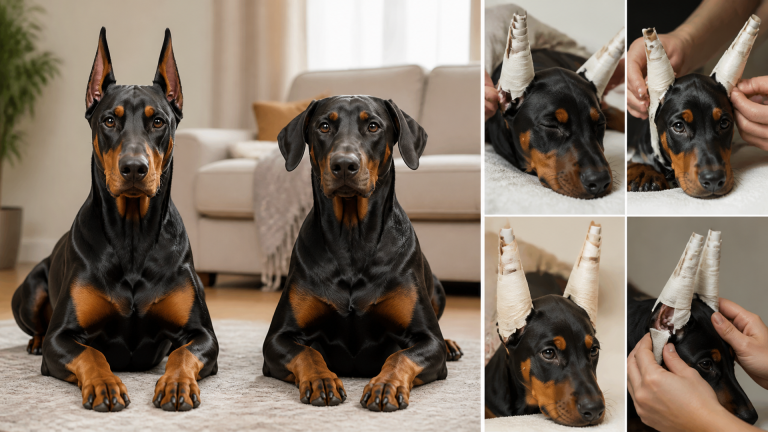
| Doberman Pinscher | High energy, fast, very handler-oriented | Experienced owners who can provide structure |
| Cane Corso | More reserved, serious guarding, less biddable | Owners with guarding experience and space |
| Labrador Retriever | Low protection drive, friendly to all | Families who need a “welcome mat” dog, not a guard |
If you need a dog that will be a visible, vocal deterrent without being aggressive unless provoked, the American Bulldog fits that niche better than most retrievers, but it requires more training than a Labrador.
When Protectiveness Becomes a Problem — Trade-Offs You Must Know
Even with excellent training, an American Bulldog’s protectiveness has limits and failure modes that owners should plan for:
- Territorial overcorrection: If your dog is left alone near a front window for hours, they may start charging at every passerby, reinforcing a reactive habit. A solid solution is to block window access or use opaque film when you’re not home.
- Guest confusion: The breed can struggle to distinguish between a welcome visitor and a threat if you’re not in the room. A dog that is calm with you present may growl at the same person when you’re in the bathroom. The mitigation is to always supervise greetings until the dog reliably defers to you.
- Off-leash trust issues: Because their protective drive is strong, an American Bulldog may not tolerate another dog approaching you on a hike, even if that dog is friendly. This can lead to fights or liability. Use a short leash and verbal “off” cue in unfamiliar settings — don’t assume they’ll accept a strange dog.
If your American Bulldog shows any of these signs despite training, escalate to a certified professional trainer or behaviorist.
- Growling or snapping at family members (resource guarding, not protectiveness).
- Charging windows or fences at every passing person or dog.
- Inability to calm down after a trigger (prolonged barking, pacing).
- Biting without obvious provocation (serious aggression, not guarding).
A protective dog that is well-trained will stop when you say “enough.” One that cannot disengage needs professional help.
Save This Guide
Bottom line: American Bulldogs are naturally protective, but with consistent training, socialization, and clear leadership, you’ll get a loyal guardian that knows when to stand down. The key takeaway is to focus on structured greetings and a reliable “off” cue — that combination turns a strong guarding instinct into a calm, quiet watch.
Affiliate Disclosure: Some links in this article may earn us a small commission at no extra cost to you. We only recommend products we trust for your Bulldog.