Pembroke Corgi vs Cardigan Corgi
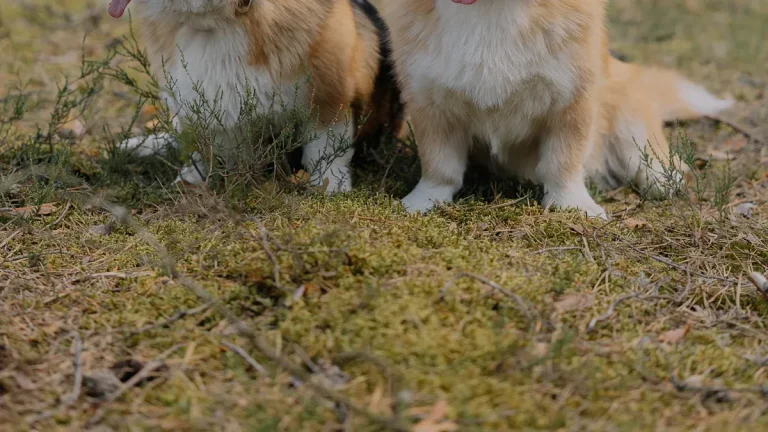
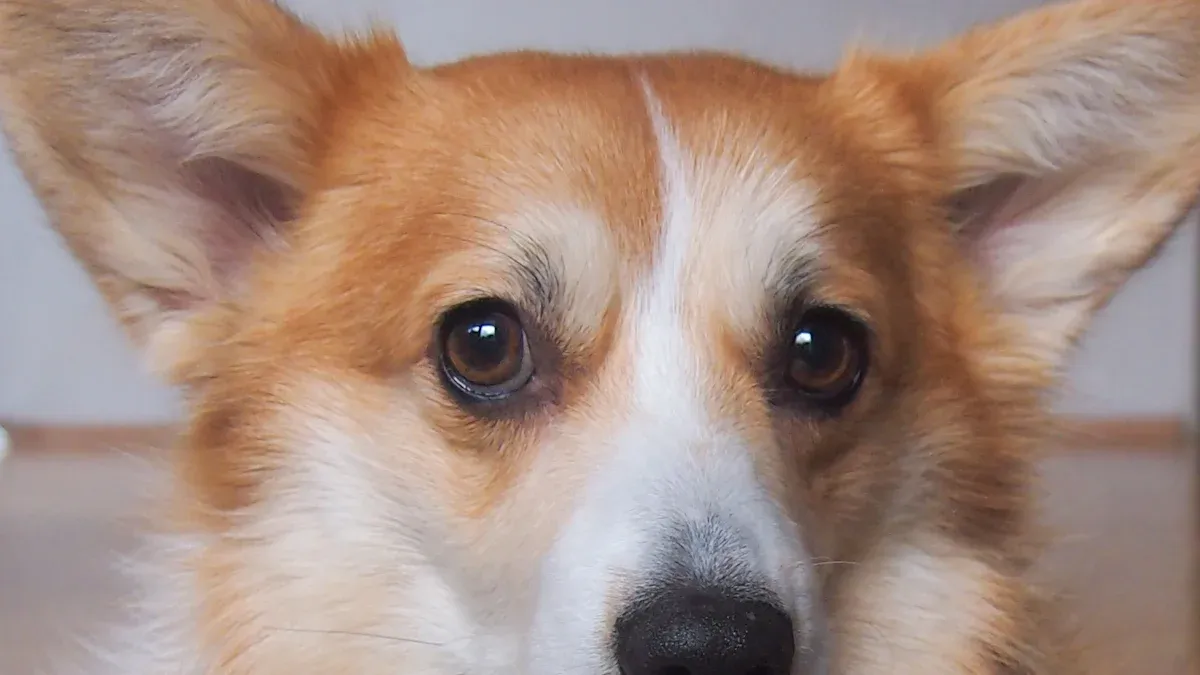
Both breeds share the iconic short legs and big personality, but the Pembroke Welsh Corgi and Cardigan Welsh Corgi are separate breeds with real differences. The most obvious: the Pembroke is tailless (or has a docked nub) with pointed ears, while the Cardigan has a long, fox-like tail and rounded ears. The Cardigan is also slightly larger and heavier. Your lifestyle, grooming tolerance, and health priorities will determine which one fits best. If you can only provide 45–60 minutes of daily exercise and want a quieter household, go Cardigan. If you have 60+ minutes for active play and training, go Pembroke.

Quick answer
Here’s the side-by-side breakdown you need to make a decision fast.
| Trait | Pembroke Welsh Corgi | Cardigan Welsh Corgi |
|---|---|---|
| Tail | Docked or naturally bobbed | Long, bushy tail |
| Ears | Pointed, erect | Rounded, slightly wider at base |
| Size | 22–30 lbs, 10–12 in tall | 25–38 lbs, 10.5–12.5 in tall |
| Coat | Dense double coat, moderate shedding | Dense double coat, heavier shedding |
| Temperament | More outgoing, higher energy | Calmer, more reserved with strangers |
| Exercise needs | 60+ min/day, needs mental stimulation | 45–60 min/day, slightly less intense |
| Common health issues | Hip dysplasia, eye conditions, DM | Hip dysplasia, progressive retinal atrophy, DM |
| Lifespan | 12–15 years | 12–15 years |
| AKC recognition | 1934 | 1935 |
Bottom line: If you want a more energetic, trainable, and slightly more popular companion, go Pembroke. If you prefer a calmer, quieter dog that still loves play but can relax on the couch, go Cardigan.
Picking the wrong energy level leads to real problems. A Pembroke that doesn’t get enough exercise will develop destructive habits like chewing, digging, and excessive barking. A Cardigan with too little stimulation may become aloof or overweight. Base your choice on the daily time you can realistically commit — not on the breed’s cute face.
Comparison framework
Appearance differences beyond the tail
Pembrokes have a foxy, wedge-shaped head; Cardigans have a broader, rounder skull. Cardigans are longer and more substantial, with slightly heavier bone structure. Both come in similar coat colors (red, sable, tricolor), but Cardigans also appear in blue merle and brindle — brindle is a Cardigan-only color.
Temperament and energy
Pembrokes were bred to drive cattle, so they’re fearless, alert, and always ready to work. They bond closely with one person and can be bossy with other dogs. Early socialization is non-negotiable. Cardigans were bred to herd and guard, but with a more independent, steady temperament. They’re friendlier with strangers and other pets, and less likely to bark at every noise.
Grooming and shedding
Both shed heavily, but the Cardigan’s longer tail and slightly thicker coat mean more brushing time. Plan to brush both 3–4 times per week (daily during shedding season). A high-quality slicker brush and an undercoat rake are essential. For Cardigans, add a pin brush for the tail and feathering. After brushing, run your hand along the coat — if you can still pull out loose hair, you need to brush that area more.
Health and lifespan
Both breeds share a risk for degenerative myelopathy (DM) and hip dysplasia. However, Pembrokes are more prone to eye issues (progressive retinal atrophy, cataracts) and cardiac problems. Cardigans have a higher incidence of bladder stones and spinal disc disease due to their longer back. Reputable breeders screen for DM, hip dysplasia, and eye conditions — always ask for OFA and CERF certificates.
Verification step: When visiting a breeder, ask to see the current OFA hip rating (should be “Excellent” or “Good”) and the CERF eye clearance report dated within the last 12 months. If they can’t produce both, walk away. Health issues in corgis can cost thousands in vet bills, and skipping these checks is a gamble you don’t want to take.
Best-fit picks by use case
For first-time dog owners
Choose the Cardigan. Its calmer, more forgiving nature makes training easier. The Pembroke’s stubbornness and higher drive can overwhelm a novice owner who doesn’t have time for structured activities.
For active families with older kids (10+)
Choose the Pembroke. They love agility, obedience, and fetch — and they thrive in a household that will keep them busy. But supervise around toddlers; Pembrokes can nip at heels.
For apartment dwellers
Either can adapt if exercised properly, but the Cardigan is slightly better for quiet indoor time. The Pembroke’s alertness leads to more barking, which can bother neighbors. Even a Cardigan will bark at delivery people and strange noises. Neither breed is a silent dog — if your lease has noise restrictions, reconsider both.
For someone who wants a “typical” Corgi look
Go Pembroke. The tailless, pointed-ear silhouette is what most people recognize. If you want a rarer, more unique appearance (and love a tail to wag), the Cardigan is your dog.
Trade-offs to know
- Shedding: Both shed like crazy — but the Cardigan’s longer hair means more visible tufts on your furniture.
- Trainability: Pembrokes are easier to train because they aim to please, but they also test boundaries. Cardigans can be stubborn and need patient, reward-based methods.
- Health screening gaps: Some breeders still focus only on hips. If you choose a Pembroke, make sure parents have current eye and cardiac clearances. For Cardigans, ask about spinal health and bladder stone history.
- Cost: Both range from $1,500–$4,000 from a reputable breeder. Cardigans are rarer, so you may wait longer on a waiting list.
- Exercise commitment: Don’t underestimate the Pembroke’s energy. If you can’t provide daily mental and physical exercise (including trips to a dog park or training games), a Cardigan’s lower drive will be more forgiving.
- Mismatch consequence: If you get a Pembroke and can’t meet its exercise needs, expect destructive behavior (chewed baseboards, dug-up yards) and a dog that barks incessantly. This isn’t a training issue — it’s a breed mismatch that can lead to rehoming.
Expert Tips for Choosing
Tip 1: Meet a few adult dogs of each breed in person. Contact breed clubs (Pembroke Welsh Corgi Club of America or Cardigan Welsh Corgi Club) to find local events or rescue meet-ups. Common mistake: relying only on puppy photos. Temperament changes as they mature. An adult dog’s personality is more predictable.
Tip 2: Test your tolerance for barking. Spend 30 minutes at a corgi meetup and note how often each breed barks compared to the other. Common mistake: assuming you can “train out” the barking. Both breeds were bred to be vocal herders. Pembrokes are generally louder.
Tip 3: Check your home for stairs and jumping hazards. Place ramps on couches and beds to prevent spinal injuries. Cardigans, with longer backs, are especially vulnerable to disc issues. Common mistake: thinking “small dog = no problem.” Corgis are prone to intervertebral disc disease (IVDD) — ramps aren’t optional.
Decision Checklist
Before committing to either breed, answer these five items with a clear yes/no.
1. Can you provide 60+ minutes of exercise daily? Yes = either breed, but Pembroke needs it more. No = Cardigan only, or consider a different breed.
2. Are you okay with heavy year-round shedding? Yes = proceed. No = skip both corgis.
3. Do you have young children (under 6) or other small pets? Yes = Cardigan is safer; fewer herding nips, better with strangers. No = either breed works.
4. Are you willing to invest in health screening documentation (OFA, CERF) from the breeder? Yes = good breeder. No = walk away — health issues can cost thousands.
5. Do you want a dog that is more independent vs. more Velcro? Independent = Cardigan. Velcro = Pembroke.
Related questions
Are Pembroke Corgis or Cardigan Corgis more expensive? Prices are similar ($1,500–$4,000 from a reputable breeder), but Cardigans are rarer, so you may pay a premium on waitlist costs or travel fees.
Which corgi breed is better for allergy sufferers? Neither is hypoallergenic. Both shed dander and fur heavily. Weekly baths and HEPA air filters help, but no corgi is allergy-friendly.
Do Pembroke and Cardigan Corgis get along with cats? Yes, if raised together. Both have herding instincts, so early training is essential. Cardigans tend to be more cat-friendly due to their calmer nature.
Can you have a Pembroke and a Cardigan in the same house? Yes, but watch for same-sex aggression (especially with Pembrokes). Spaying/neutering and proper introduction reduce conflict.
Save This Guide
Pembrokes are busier, louder, and more work — but also more eager to please. Cardigans are calmer, rarer, and better with a relaxed household. The checklist above can help guide your choice. Prioritizing health-tested parents from a reputable breeder is essential.
This article contains affiliate links. We may earn a commission if you purchase products mentioned, at no extra cost to you.