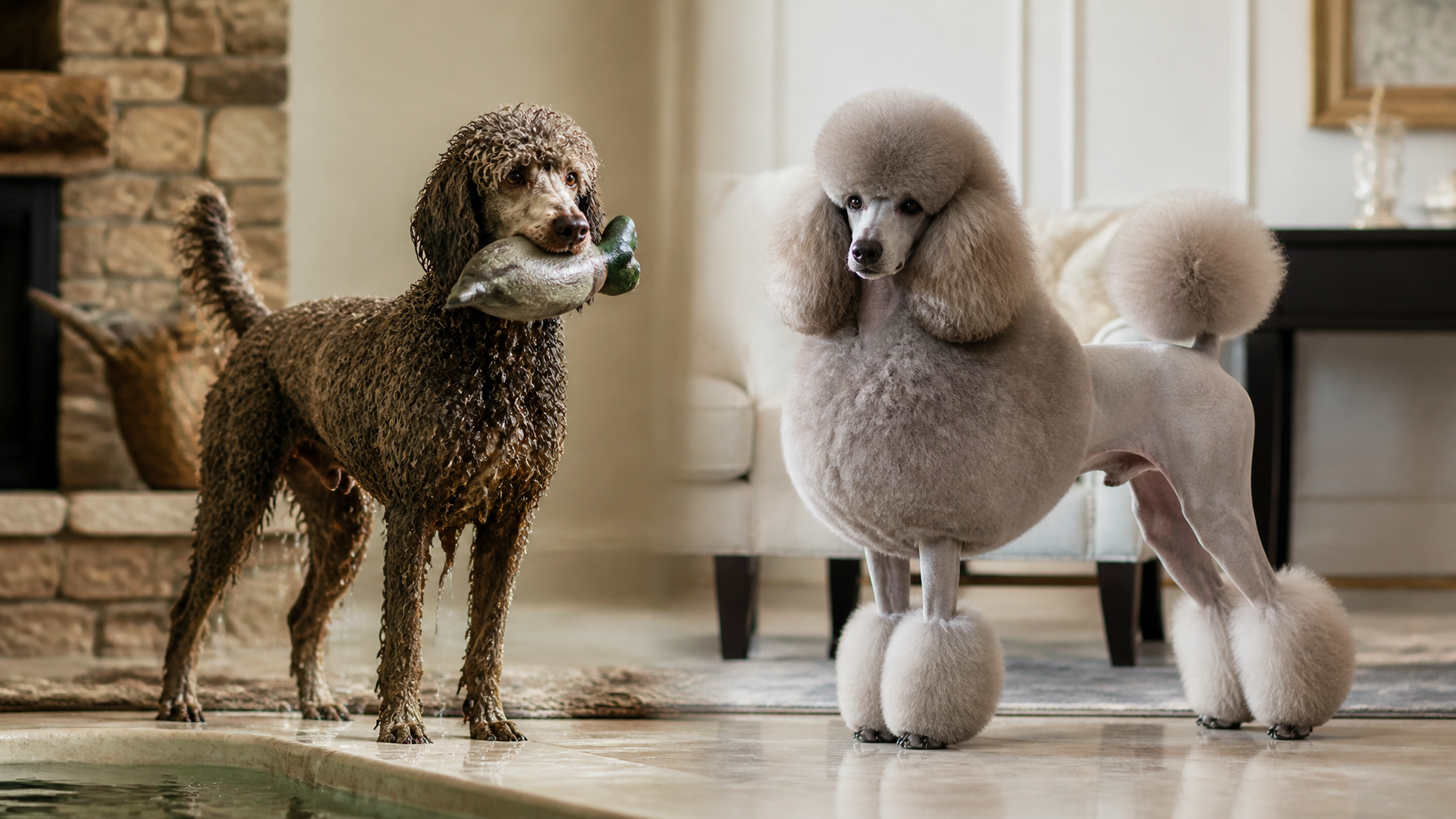
The History of Poodle Grooming Styles
The history of poodle grooming styles is a fascinating reflection of both cultural influences and the practical needs of this breed. From their origins as water retrievers to their status as symbols of elegance in royal courts, poodles have undergone a remarkable transformation in grooming techniques. This article will explore the various styles that have emerged over the centuries, addressing questions such as why are poodles shaved that way and how these grooming practices evolved. Additionally, we will examine the impact of societal trends and grooming competitions on contemporary styles. By tracing the lineage of poodle grooming, we gain insight into not only the breed’s aesthetic appeal but also the significance of grooming within the broader context of canine care.
Dog always misbehaving?
Learn how service dogs are trained to never bark out of excitement. Free workshop!
k9ti.org
Key Takeaways
Poodle grooming evolved from practical styles for water retrieval to decorative practices influenced by cultural and social trends.
Historical royal preferences and dog shows played a significant role in shaping and standardizing poodle grooming techniques.
The Lion Cut and Continental Clip highlight the artistic and functional aspects of grooming, reflecting both aesthetics and the breed’s athleticism.
Modern grooming practices prioritize pet comfort and well-being while embracing sustainability and innovative techniques in response to consumer trends.
The Origins of Poodle Grooming
The origins of poodle grooming can be traced back to the breed’s history as a water retriever, where practicality dictated early grooming practices. Over time, these functional styles evolved under various cultural influences, reflecting societal trends and aesthetic preferences. This evolution highlights the significance of grooming in the poodle’s identity, paving the way for the diverse styles seen today.
Early Grooming Practices
Early grooming practices for poodles were primarily influenced by their roles as water retrievers, necessitating styles that emphasized functionality and protection from harsh elements. The traditional cut featured closely cropped areas to reduce drag while swimming, while leaving longer fur on vital parts for insulation. This pragmatic approach allowed for ease of movement and preservation of body heat in cold waters. Additionally, the grooming styles were often adapted based on the specific climates and environments in which these dogs were utilized. As poodles transitioned from working dogs to companion animals, these grooming practices laid the foundation for the more decorative styles that emerged later.
Cultural Influences on Styles
Cultural influences play a pivotal role in shaping the diverse grooming styles of poodles, reflecting regional aesthetics and social norms throughout history. Different countries have embraced unique grooming techniques that highlight the breed’s elegance and versatility, often incorporating local customs and fashion trends. For instance, the flamboyant styles popularized in France showcase artistic expressions, while more subdued cuts may be favored in other regions for their practicality. Furthermore, the rise of dog shows and competitions has catalyzed the standardization of certain grooming styles, influencing the preferences of breeders and pet owners alike. As a result, poodle grooming has become a dynamic interplay of culture, art, and fashion, continually evolving to meet contemporary tastes.
Royal Influences on Poodle Styles
The grooming styles of poodles have been significantly shaped by royal preferences throughout history. Notable figures in royalty have not only owned poodles but also set trends that influenced grooming practices. These royal connections have left an indelible mark on poodle styles, particularly during significant royal events.
Historical Royal Preferences
Historical royal preferences have played a pivotal role in shaping the aesthetics and grooming standards associated with poodles, reflecting the tastes and values of various monarchies. The elaborate grooming styles adopted by royal households often set precedents that were emulated by the aristocracy and the general public alike. These preferences not only highlighted the poodle’s intelligence and versatility but also emphasized the breed’s status as a symbol of luxury and refinement. As a result, the grooming techniques evolved into distinct styles that aligned with the evolving standards of beauty and nobility. This connection to royalty leads us to explore the notable royal poodle owners who have significantly influenced these grooming trends.
Notable Royal Poodle Owners
Notable royal poodle owners have played a crucial role in popularizing the breed, with their preferences and grooming styles often setting trends that resonate beyond their courts. Figures such as Queen Victoria and Empress Josephine have elevated the poodle’s status, showcasing them in elaborate styles that captured public fascination. Their influence extended to the grooming techniques employed, inspiring pet owners to adopt similar aesthetics for their dogs. The association of poodles with royalty has also contributed to their perception as symbols of elegance and sophistication. This historical context lays the groundwork for exploring the specific grooming trends that have emerged within royal circles.
Grooming Trends in Royalty
Grooming trends in royalty often reflect a blend of tradition and innovation, showcasing the evolving preferences of aristocratic pet owners. Royalty has historically favored elaborate grooming styles that emphasize the poodle’s elegance and stature. These styles often incorporate intricate patterns and artistic designs, drawing inspiration from both classic and contemporary aesthetics. The influence of royal poodle owners has led to the establishment of grooming competitions that highlight these sophisticated techniques. As a result, poodle grooming continues to evolve, merging regal heritage with modern stylistic trends.
Influence of Royal Events
Royal events have often served as pivotal moments that showcase and popularize specific poodle grooming styles, reflecting the tastes and trends favored by the aristocracy. The extravagant displays during coronations and royal weddings have frequently highlighted the elegance of poodles adorned with intricate grooming techniques. Such occasions have not only elevated the status of poodles as prestigious companions but have also inspired countless pet owners to emulate the styles seen on royal canines. The emphasis on aesthetics within these royal circles has led to the development of innovative cuts that align with the grandeur of the events. This trend ultimately paved the way for the evolution of the lion cut, a style that emerged as a symbol of both fashion and function.
The Evolution of the Lion Cut
The evolution of the Lion Cut reflects the intricate relationship between grooming practices and historical trends in dog aesthetics. Originally inspired by the majestic appearance of lions, this distinctive style has undergone various transformations to adapt to contemporary preferences. As we explore the origins of the Lion Cut and its modern variations, we gain insight into the enduring appeal of this grooming technique.
The Origin of Lion Cut
Originating in China, the Lion Cut was traditionally associated with the grooming of Pekingese and Shih Tzu breeds, highlighting a cultural appreciation for the lion’s symbolic significance and aesthetic appeal. This grooming style emphasizes a voluminous mane around the head while leaving the body fur trimmed short, resembling a lion’s majestic appearance. Over time, the Lion Cut has become popular in various dog breeds, transcending its initial cultural boundaries. The technique reflects not only a desire for beauty but also an adherence to historical practices rooted in ancient Chinese traditions. Today, the Lion Cut continues to evolve, adapting to modern grooming trends while retaining its original charm.
Modern Variations of Lion Cut
Modern variations of the Lion Cut showcase a blend of traditional styles and innovative techniques, reflecting the diverse preferences of pet owners in today’s society. Groomers have begun to incorporate unique color treatments and creative patterns, enhancing the visual appeal of this classic cut. Additionally, modifications in the length and shape of the mane allow for tailored looks that suit individual poodle personalities. Health considerations have also led to adaptations, ensuring that the grooming process is as comfortable and safe as possible for the dog. This evolution not only highlights the artistry involved in poodle grooming but also emphasizes the growing trend of personalization in pet care.
The Rise of the Continental Clip
The Continental Clip has emerged as a distinctive and emblematic grooming style for poodles, reflecting both aesthetic preferences and the breed’s historical significance. Its rise in popularity has not only transformed canine grooming practices but also influenced cultural perceptions of poodles within society. As we delve deeper, we will explore the intricacies of the Continental Clip and its broader cultural impact.
The Continental Clip Explained
Characterized by its distinct pattern of fur length and shape, the Continental Clip showcases a blend of elegance and functionality that highlights the poodle’s graceful form. This grooming style features a shaved hindquarters and pom-poms on the joints, emphasizing the breed’s athleticism and poise. The clip also allows for ease of movement in water, a nod to the poodle’s heritage as a water retriever. With its unique aesthetic, the Continental Clip serves as a statement of sophistication in dog grooming. As we examine its evolution, we will uncover the popularity and cultural impact it has had on the perception of poodles in contemporary society.
Popularity and Cultural Impact
Popularity of the Continental Clip has significantly shaped perceptions of poodles, positioning them as symbols of elegance and sophistication in various cultural contexts. This grooming style has garnered attention not only in competitive dog shows but also in popular media, reinforcing the image of poodles as luxurious companions. As a result, the Continental Clip has contributed to a resurgence of interest in poodles among dog enthusiasts and potential pet owners alike. Furthermore, its association with high-class lifestyles has influenced fashion trends, intertwining canine grooming with broader societal values. Ultimately, the Continental Clip serves as a testament to the evolving relationship between humans and their canine counterparts, highlighting the cultural significance of grooming practices.
Practical Grooming Needs Through History
Practical grooming needs throughout history have influenced the evolution of poodle grooming styles, reflecting changes in lifestyle and functionality. Initially bred as water retrievers, poodles required specific grooming to enhance their swimming capabilities while protecting vital joints from cold water. As they transitioned into companion animals, grooming styles adapted to emphasize aesthetics and breed standards, leading to the popularization of the distinctive clip. Over time, the demand for low-maintenance grooming options arose, prompting owners to seek styles that balanced practicality with appearance. The introduction of various grooming products and techniques further transformed poodle grooming, allowing for greater versatility and ease. Additionally, the rise of dog shows and competitions shaped grooming practices, as owners aimed to present their poodles in the best light according to established standards. These historical shifts set the stage for examining how cultural trends have further impacted poodle grooming in contemporary society.
Cultural Trends Impacting Poodle Grooming
Cultural trends have significantly shaped the grooming practices for poodles, reflecting broader societal values and aesthetics. Influential fashion movements, historical grooming techniques, and regional variations illustrate the dynamic interplay between culture and canine care. Additionally, the rise of social media has further transformed grooming trends, creating a new landscape for poodle aesthetics.
Influential Fashion Movements
Influential fashion movements have played a crucial role in redefining poodle grooming styles, often aligning canine aesthetics with contemporary trends in human fashion. The adoption of geometric patterns and bold colors in human attire has inspired similar choices in poodle grooming, leading to innovative clip styles. Additionally, the rise of minimalism has encouraged a more streamlined approach to grooming, emphasizing simplicity and elegance. Cultural icons and celebrities have also influenced popular grooming trends, as pet owners seek to emulate the styles of their favorite figures. Ultimately, these movements reflect a broader cultural dialogue about beauty, identity, and the relationship between humans and their pets.
Historical Grooming Techniques
Historical grooming techniques for poodles reveal a rich tapestry of practices that have evolved over centuries, influenced by both functionality and aesthetic preferences. Traditionally, these grooming methods were designed to enhance the poodle’s natural swimming abilities while providing protection against cold water. The pom-pom style, commonly associated with poodles today, originated from practical purposes, aimed at keeping vital joints warm during water retrieval tasks. Over time, grooming styles transitioned from purely utilitarian to more decorative, reflecting the changing tastes of society. Today, these historical techniques serve as a foundation for contemporary grooming practices, showcasing the breed’s multifaceted heritage.
Regional Grooming Variations
Regional grooming variations for poodles showcase distinct stylistic preferences and techniques that are often influenced by local climate, breed standards, and owner aesthetics. In warmer climates, shorter cuts are prevalent to ensure comfort and prevent overheating, while cooler regions may favor more elaborate styles that provide insulation. Additionally, breed-specific grooming standards vary across countries, reflecting local interpretations of the poodle’s elegant appearance. Owner preferences also play a crucial role, with some opting for traditional styles and others embracing contemporary trends. Ultimately, these regional differences contribute to the rich tapestry of poodle grooming practices worldwide.
Social Media Impact
The pervasive influence of social media platforms has revolutionized the way poodle grooming styles are showcased and adopted, enabling pet owners to access a diverse array of trends and tutorials at their fingertips. The rapid dissemination of grooming videos and images has allowed for the swift propagation of innovative styles across various demographics. Influencers and professional groomers leverage these platforms to share their expertise, fostering a community of engaged pet owners eager to experiment with their poodles’ looks. Furthermore, social media has democratized grooming knowledge, making it accessible to a broader audience regardless of geographical location. As a result, traditional grooming practices are increasingly blended with contemporary trends, leading to a vibrant and ever-evolving landscape of poodle aesthetics.
Modern Interpretations of Classic Styles
Modern interpretations of classic poodle grooming styles often blend traditional techniques with contemporary aesthetics, creating a unique fusion that appeals to today’s pet owners. These innovative approaches prioritize not only the visual appeal but also the comfort and well-being of the poodle. Stylists are increasingly incorporating elements such as softer lines and natural textures, moving away from the rigid shapes of the past. The use of modern grooming products has also allowed for greater versatility in achieving varied looks. Additionally, pet owners are more inclined to select styles that reflect their personal taste while maintaining the breed’s inherent elegance. Social media platforms have played a significant role in popularizing these fresh grooming ideas, showcasing a diverse array of poodle styles. Ultimately, the evolution of poodle grooming continues to reflect broader trends in pet care and aesthetics, highlighting the dynamic relationship between tradition and innovation.
Grooming Competitions and Poodle Styles
Grooming competitions have become a significant platform for showcasing diverse poodle styles, reflecting both creativity and adherence to breed standards. These events highlight the skill of professional groomers who interpret traditional grooming techniques through innovative approaches. Judges evaluate each entry based on criteria such as symmetry, coat condition, and overall presentation. The competitive atmosphere encourages groomers to push the boundaries of aesthetic design while maintaining the essential characteristics of the breed. Various styles, such as the Continental Clip and the Puppy Clip, are often seen in competition, each presenting unique challenges and requirements. Participants frequently draw inspiration from historical grooming practices, blending them with contemporary trends. Ultimately, grooming competitions serve as a vital means of preserving and evolving poodle grooming styles within the canine community.
The Future of Poodle Grooming Trends
As the grooming industry continues to evolve, the future of poodle grooming trends promises to embrace innovation and sustainability. Groomers are increasingly adopting cutting-edge techniques and eco-friendly products to enhance the grooming experience while prioritizing the well-being of the pets. Additionally, emerging trends in poodle styles and the integration of technology into grooming practices are set to redefine the standards of care and creativity in this specialized field.
Innovative Grooming Techniques
Innovative grooming techniques are reshaping the way pet care professionals approach styling and maintenance, focusing on enhancing both efficiency and the overall experience for pets and their owners. Advanced tools and equipment are being utilized to streamline grooming processes, reducing the time spent while ensuring high-quality results. Techniques such as low-stress handling and positive reinforcement are becoming standard practices, promoting a more enjoyable experience for the animal. Additionally, the integration of mobile grooming services is providing convenience and accessibility, catering to the busy lifestyles of pet owners. As these trends continue to evolve, the grooming industry is poised to redefine traditional methods and elevate the standards of pet care.
Eco-Friendly Grooming Products
Eco-friendly grooming products are gaining traction among professionals and pet owners alike, reflecting a growing commitment to sustainability and animal welfare within the industry. These products often utilize natural ingredients that are less harmful to both pets and the environment, promoting healthier grooming practices. The demand for cruelty-free and biodegradable options continues to rise, influencing the choices made by groomers and retailers. Furthermore, the integration of eco-conscious practices is fostering a sense of responsibility among consumers regarding their grooming habits. As the landscape of grooming evolves, it is essential to explore the latest trends in poodle styles that complement these environmentally friendly approaches.
Trends in Poodle Styles
Trends in poodle styles are increasingly reflecting a blend of classic elegance and contemporary flair, showcasing the versatility of this breed through creative cuts and vibrant color applications. The traditional poodle cut remains popular, but variations such as the "lion cut" and "modern clip" are gaining traction among pet owners seeking unique aesthetics. Moreover, the incorporation of bold colors, including pastels and vivid shades, is becoming a common practice, allowing for personal expression and individuality. Accessories such as colorful bandanas and stylish bows are also enhancing overall grooming styles, adding an extra layer of creativity. This evolution in poodle grooming not only highlights the breed’s adaptability but also fosters a deeper connection between owners and their beloved pets.
Technology in Grooming Practices
The integration of technology in grooming practices is transforming the way professionals approach pet care, enabling more efficient and precise services. Advanced tools such as high-velocity dryers and automated clippers are streamlining the grooming process, reducing the time required for each session. Additionally, software applications are facilitating appointment scheduling and client management, enhancing the overall customer experience. The use of digital imaging technology allows groomers to visualize desired styles, improving communication with pet owners. As technology continues to advance, the grooming industry is poised for further innovations that will enhance the quality of care provided to poodles and other breeds.
Frequently Asked Questions
What tools are essential for grooming a poodle at home?
Essential tools for grooming a poodle at home include a high-quality slicker brush for detangling and a grooming comb for finishing touches, ensuring a smooth and polished coat. Additionally, nail clippers, scissors for trimming, and dog-friendly shampoo are critical for maintaining overall hygiene and appearance.
How often should a poodle be groomed to maintain its coat?
To maintain a Poodle’s coat in optimal condition, it is recommended to groom them at least every four to six weeks. Regular grooming not only prevents matting but also promotes skin health and enhances the overall appearance of the coat.
Are there specific grooming techniques for different poodle sizes?
Yes, there are specific grooming techniques tailored for different sizes of poodles, which include standard, miniature, and toy variations. Each size may require adjustments in grooming tools, techniques, and frequency to effectively maintain the health and appearance of their distinct coat types.
Conclusion
The evolution of poodle grooming styles illustrates a fascinating interplay between functionality, aesthetics, and cultural influences. Historical practices, rooted in the breed’s original purpose as water retrievers, transitioned into more decorative forms as societal perspectives on dogs shifted. Royal preferences and the impact of cultural aesthetics have further shaped contemporary grooming trends, highlighting the significance of style in canine companionship. As the future unfolds, a focus on sustainability and technological advancements is expected to redefine grooming practices, promoting both efficiency and pet well-being. Ultimately, the journey of poodle grooming reflects broader societal trends, illustrating the dynamic relationship between humans and their canine companions.
If you’re intrigued by the fascinating world of pets and their unique traits, you won’t want to miss exploring the mystery surrounding the Scottish Terrier on The Masked Singer. This engaging article delves into the performances and secrets behind this beloved breed’s appearance on the show. Check it out here: Scottish Terrier performance.