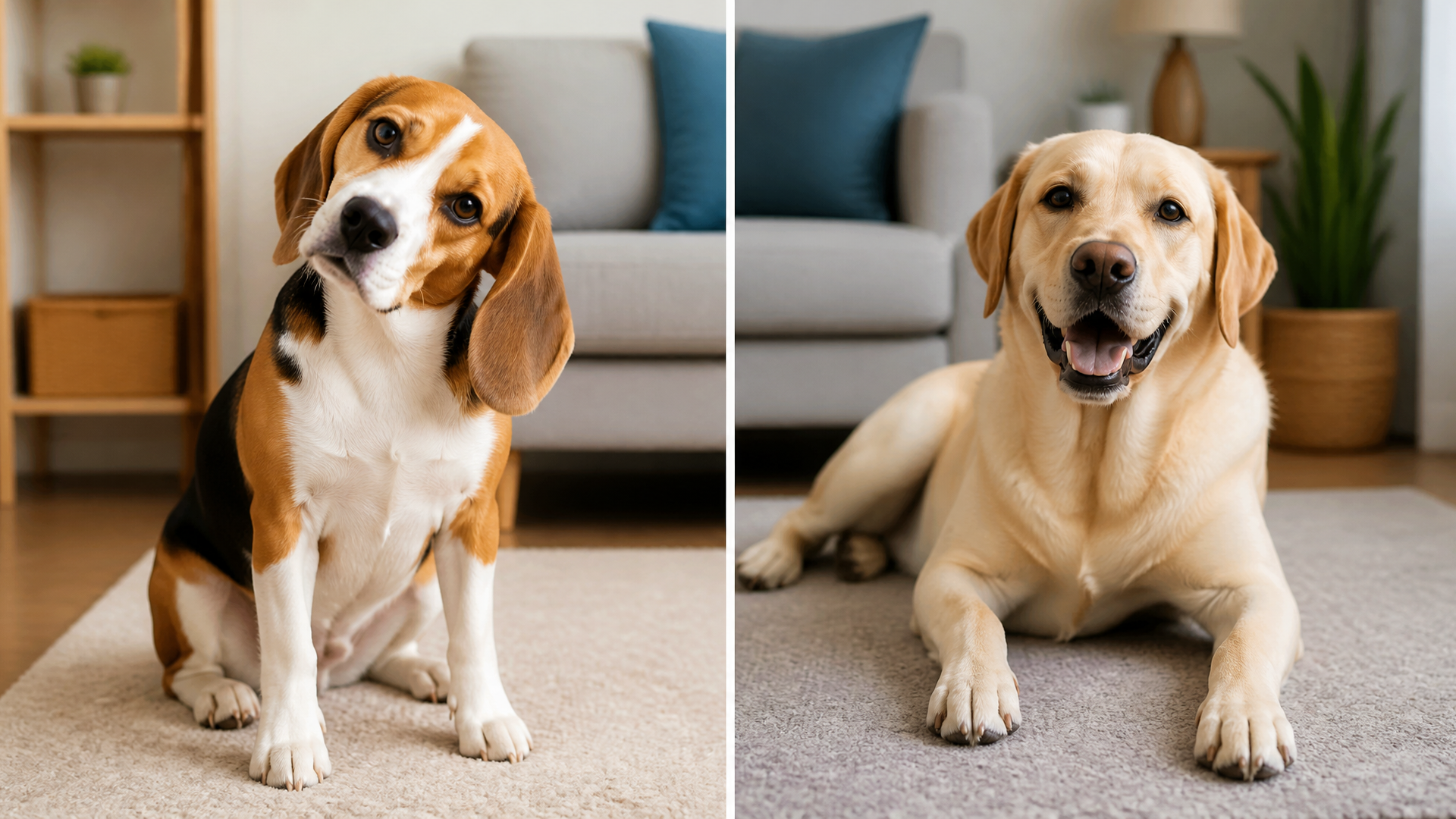
Signs of Inner Ear Infection in a Beagle?
If your Beagle suddenly starts tilting their head, walking in circles, or seems off-balance, an inner ear infection is the most likely cause. Beagles’ long, floppy ears trap moisture and debris, making them far more prone to deep ear infections than many other breeds. The key difference from a simple outer ear infection: inner ear infections mess with your dog’s balance, coordination, and can even cause facial paralysis if left untreated. If you see any balance-related sign, do not wait — schedule a vet visit within 24 hours.

How to Spot an Inner Ear Infection in Your Beagle
Outer ear infections cause redness, scratching, and discharge you can see. Inner ear infections hit the deeper structures, so the signs are more neurological. Look for these clusters:
Balance and Coordination
- Persistent head tilt (leans to one side even when still)
- Walking in tight circles, usually toward the infected ear
- Stumbling or falling like they’re drunk
- Rapid, involuntary eye movements (nystagmus) — eyes dart side-to-side or up-and-down
Pain and Discomfort
- Intense scratching or pawing at the ear (more than normal)
- Whining or yelping when the ear is touched
- Flinching away when you pet near the head
Behavior and Eating Changes
- Loss of appetite — pain or nausea makes eating uncomfortable
- Vomiting or excessive drooling (mimics motion sickness)
- Unusual irritability or hiding — even friendly Beagles can snap when in pain
Visible and Smell Signs
- Redness or swelling inside the ear flap
- Yellow, brown, or bloody discharge (sometimes waxy or crusty)
- A strong, foul yeasty or sour odor
Quick decision rule: If your Beagle shows any balance sign (head tilt, circling, falling) plus ear odor or discharge, treat it as an inner ear infection until a vet confirms otherwise. This combination means the infection has likely penetrated deep — home cleaning won’t fix it.
Why Beagles Get More Inner Ear Infections
It’s not bad luck — it’s anatomy and lifestyle. Beagles have heavy, floppy ears that cover the ear canal, creating a warm, dark, humid pocket. Bacteria and yeast thrive there. Combine that with a Beagle’s love for digging, sticking their nose into tall grass, and splashing in water bowls, and you get a perfect storm. Food and environmental allergies (very common in the breed) also inflame the ear lining, making it even easier for infections to take hold.
Trade-off to Know
Regular ear cleaning helps prevent outer infections, but over-cleaning can strip protective oils and irritate the lining, making the ear more vulnerable. Use a gentle, vet-approved cleaner no more than once a week unless your vet says otherwise. And never use Q-tips — they push debris deeper and can rupture the eardrum.
How to Check Your Beagle’s Ears at Home — A 5-Step Decision Aid
Use this quick checklist when you suspect a problem. Each item is a yes/no check you can apply immediately.
1. Smell test – Does the ear have a foul, yeasty, or sour odor? (Yes = infection likely; No = keep watching for balance signs)
2. Visual check – Lift the ear flap. Is the skin inside red, swollen, or crusty? (Yes = infection present)
3. Pain test – Lightly press behind the ear at the base. Does your Beagle flinch, yelp, or pull away? (Yes = pain means deeper involvement)
4. Balance test – Watch your Beagle walk on a flat surface. Do they stumble, circle, or tilt the head? (Yes = inner ear affected — act fast)
5. Discharge check – Wipe inside the ear with a cotton ball (never a Q-tip). Is the discharge dark brown, yellow, or bloody? (Yes = infection)
If you checked “yes” to two or more items, call your vet today. If step four (balance) is a yes, go to the vet within hours — the condition can worsen rapidly and cause permanent damage.
Verification Step
When you call the vet, ask them to perform an otoscope exam to confirm whether the infection is in the inner ear versus just the outer canal. This exam also checks for foreign objects like grass awns that Beagles often pick up. If the vet doesn’t mention an otoscope, request it — it’s the only way to know for sure.
When to See the Vet and What to Expect
Inner ear infections require prescription medication — over-the-counter ear drops cannot reach the inner ear and can mask the problem, letting it worsen.
Emergency Red Flags
- Your Beagle cannot stand or walk at all
- Eyes are darting uncontrollably and won’t stop (nystagmus)
- One side of the face droops (looks like a stroke)
- Seizure-like activity
For less urgent but clear signs (head tilting, circling, pain), call your vet the same day. Expect them to:
- Examine with an otoscope
- Swab the ear to identify bacteria or yeast
- Possibly sedate your dog for deep cleaning
- Prescribe oral antibiotics and/or antifungal ear drops
- Recommend a follow-up ear flush in-clinic
Product tip: After the infection clears, ask your vet about Zymox Otic Ear Solution for maintenance (use only as directed). For weekly cleaning, Vet’s Best Ear Relief Wash is gentle enough for Beagle ears.
Expert Tips to Prevent Future Inner Ear Infections
Tip 1: Dry ears after every bath and swim. Use a cotton ball to gently absorb moisture from the outer ear canal. Never use Q-tips. Common mistake: thinking air drying works — Beagle ears stay damp for hours, giving infections time to start.
Tip 2: Clean ears weekly during allergy season. If your Beagle has seasonal allergies, use a vet-approved solution once a week. Wipe away excess wax with a damp cotton ball. Common mistake: skipping cleaning because ears look normal — allergic inflammation happens inside before you see discharge.
Tip 3: Check ears after outdoor play. After your Beagle digs, runs through tall grass, or plays in water, lift the ear flap and look for grass awns, dirt, or moisture. Remove debris with tweezers. Common mistake: assuming floppy ears protect against foreign objects — they actually trap them.
Product recommendation: Keep a pet-safe ear cleaning kit handy: a squeeze bottle cleaner, cotton balls, and organic coconut oil (applied sparingly to the outer ear) to help repel moisture and soothe irritation.
Frequently Asked Questions
Can a Beagle’s inner ear infection go away on its own?
No. Inner ear infections rarely resolve without treatment. They worsen quickly and can lead to permanent deafness or facial nerve paralysis.
How long does treatment take?
Most Beagles improve within three to five days of starting antibiotics. Balance issues may take one to two weeks to fully resolve. Always finish the entire course of medication even if symptoms fade.
Is head tilting always an inner ear infection?
Not always. Foreign objects, polyps, or neurological conditions can also cause it. But head tilting plus ear odor or discharge strongly points to an inner ear infection.
Can I use home remedies like vinegar or hydrogen peroxide?
No. These sting, worsen inflammation, and can damage the ear canal. Stick to vet-recommended solutions only.
Save This Guide
Pin this page so you have a quick reference when your Beagle shows ear trouble. The five-step checklist helps you decide when to call the vet — and knowing the breed-specific risks means you can catch infections early, before they become serious.
We include affiliate links to products that can genuinely help your Beagle. If you purchase through these links, we earn a small commission at no extra cost to you.