Sphynx Mix: Guide: What Every Owner Should Know
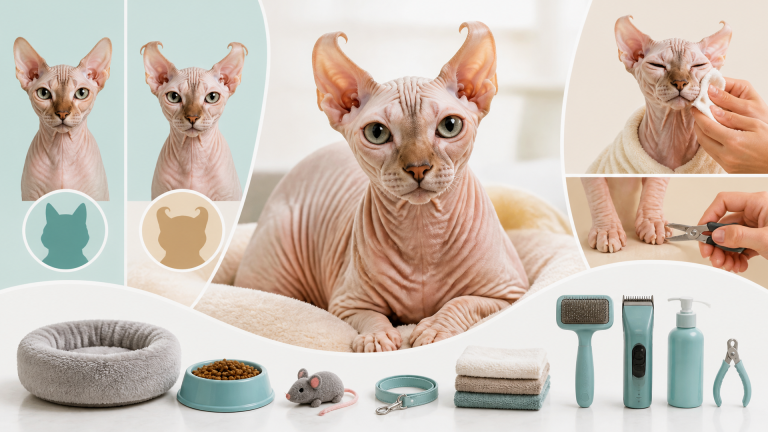
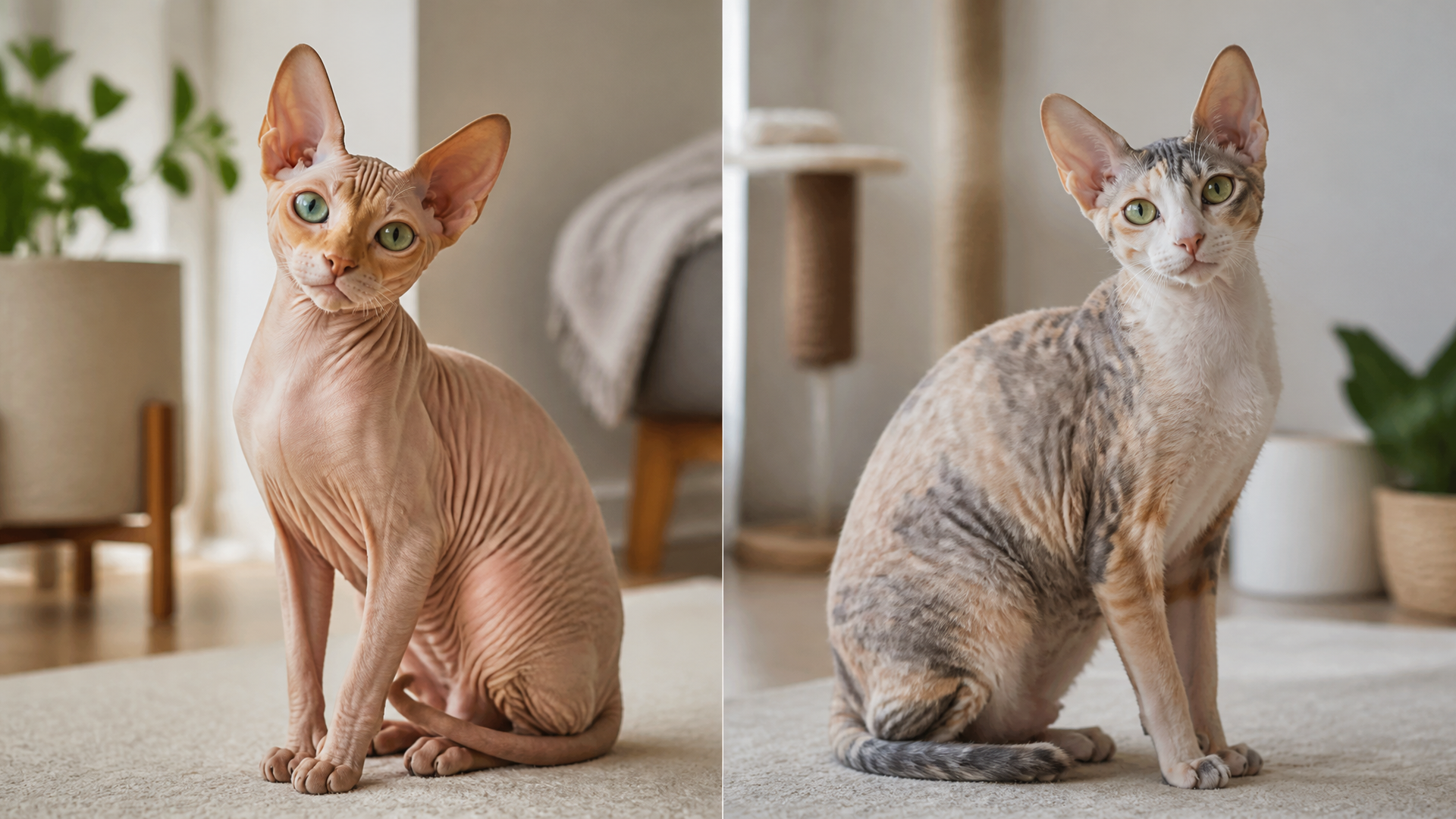
A Sphynx mix is a cross between a purebred Sphynx and another cat breed — most often a Devon Rex, Cornish Rex, or domestic shorthair. The result can be completely hairless, covered in fine peach fuzz, or sporting a short soft coat. You won’t know for sure until the kitten matures around 8–12 weeks, sometimes not until the first full shed cycle at 6–8 months.

Here’s the catch that most guides skip: regardless of coat type, a Sphynx mix demands more grooming and care than most furry cats, not less. If you want an affectionate, attention-hungry companion and you’re willing to bathe a cat every week or two, this mix could be your perfect match. If you need a predictable coat or low-maintenance cat, a purebred Sphynx or a different breed makes more sense.
What You’re Actually Getting
A Sphynx mix isn’t a recognized breed — it’s any cat with one Sphynx parent and one parent of another breed. That other parent determines the coat, body shape, and temperament, so every cat is a bit of a surprise. The applicability boundary: your grooming routine, health risks, and behavior all hinge on which parent’s traits dominate.
Common Crosses and What to Expect
| Cross | Coat Likelihood | Temperament Clues |
|---|---|---|
| Sphynx × Devon Rex | Fine-haired or partly bald, oversized ears | Extremely playful, mischievous, theatrical |
| Sphynx × Cornish Rex | Possible wavy short coat | High energy, dog-like loyalty, endless curiosity |
| Sphynx × Domestic Shorthair | Biggest wildcard — bald or fully coated | Ranges from mellow to independent |
Body differences from a purebred Sphynx: A purebred has a wedge-shaped head, muscular frame, and round belly. A mix may be leaner, with a different eye shape or softer ear set. Ask the breeder or rescue for photos of both parents if possible.
One concrete verification step: Check the kitten’s skin folds. If they’re prominent and oily, you’re likely dealing with a more Sphynx-like coat. If the cat has a full shorthair coat, treat grooming like a domestic shorthair but still watch for skin oil buildup.
The Trade-Off Most Owners Miss
A Sphynx mix with a full coat can still produce excess skin oil — genetically inherited from the Sphynx parent. That means you may need to bathe a coated cat monthly, something most cat owners never do. Conversely, a bald mix may have a different body shape that doesn’t fit standard Sphynx sweaters.
Decision criterion: If you need predictability in coat and temperament, a purebred Sphynx from a reputable breeder is the safer route. If you want a potentially healthier genetic pool (hybrid vigor) and are open to surprises, a mix is the smarter choice.
Temperament: Clingy, Social, and Loud
Sphynx cats are famously people-oriented. A mix usually inherits that craving for human contact, but the other breed shifts the specifics.
- Sphynx × Devon Rex – Theatrical. Expect acrobatics, vocal demands, and zero personal space. Great with kids if socialized early.
- Sphynx × Cornish Rex – Endless curiosity. They follow you room to room, play fetch, and need puzzle toys or they’ll create their own entertainment (mischief).
- Sphynx × Domestic Shorthair – Unpredictable. Some are lap cats, others are more aloof. Meet the adult parents if possible to gauge temperament.
The real question: Do you have time for a needy cat? Sphynx mixes hate being alone. If you work long hours, consider getting two cats or skip the breed entirely. They’re not low-key — expect them to sit on your keyboard during Zoom calls.
Grooming: More Work Than Any Furry Cat
This is where most owners underestimate the commitment. A bald cat produces excess skin oil because there’s no fur to absorb it. That oil turns into a greasy film on furniture, bedding, and your lap. Even a coated mix may still produce extra oil — you’ll notice it as a faint musty smell or sticky residue on your hands after petting.
Bathing Routine
- Frequency: Every 7–14 days, or when you see visible oil buildup or feel a tacky residue on the skin
- Product: Use a gentle, fragrance-free cat shampoo like Earthbath Hypo-Allergenic Shampoo or Veterinary Formula Clinical Care. Never use human shampoo — it disrupts cat skin pH and causes irritation.
- Water temp: Lukewarm, about 100°F. Test with your wrist.
- Drying: Pat dry with a soft towel. Don’t rub — it irritates sensitive skin. In colder months, use a low-heat hair dryer on the lowest setting, one foot away from the cat.
Expert Tip #1: Start baths as a kitten. Fill the sink with a few inches of warm water beforehand so the sound doesn’t scare them. Common mistake: waiting until the cat is adult to start bathing — then it becomes a wrestling match that stresses both of you.
Skin Care
Apply a pet-safe moisturizer (like coconut oil for cats or a Sphynx-specific lotion) once or twice a week to prevent dry, flaky patches. Check for sunburn if your cat lies in sunny windows. Use pet-safe sunscreen on ears and nose — Epi-Pet Sun Protector is a solid choice. Purebred Sphynxes sunburn easily; mixes with some coat may have partial protection but still need care.
Ears and Nails
Sphynx ears produce more wax than any other breed. Clean with a vet-approved ear cleaner (like Virbac Epi-Otic) and a cotton ball once a week. No Q-tips — you risk pushing wax deeper or damaging the ear canal.
Trim nails every 10–14 days. Sphynx mixes often have long, fast-growing claws. If you hear clicking on hardwood floors, it’s time.
Expert Tip #2: Pair ear cleaning with a treat every time. If you hesitate or rush, the cat learns to resist. Common mistake: skipping ear cleaning until you see dark, crumbly wax — by then, the risk of yeast or bacterial infection is higher. If you see black, tar-like wax, that’s normal for Sphynx. If it’s yellowish or smells foul, call the vet.
Teeth
Brush 2–3 times per week with cat-specific toothpaste. Dental disease is common across all cats, and Sphynx mixes are no exception. Use a finger brush or small toothbrush — start slowly with a dab of tuna-flavored toothpaste.
Quick Reference Card: Weekly Care
| Task | Frequency |
|---|---|
| Bath with cat shampoo | Every 1–2 weeks |
| Apply moisturizer (if dry) | 1–2 times per week |
| Clean ears | Weekly |
| Trim nails | Every 10–14 days |
| Brush teeth | 2–3 times per week |
| Wipe skin folds (eyes, chin) | Daily with damp cotton ball |
| Heated sleeping spot | Daily when temps below 70°F |
Health and Lifespan
Sphynx mixes typically live 12–16 years, similar to purebreds. But they avoid some inbreeding risks — hybrid vigor can reduce inherited conditions.
Conditions to Watch For
- Hypertrophic Cardiomyopathy (HCM) – A heart condition common in Sphynx lines. Annual echocardiograms are recommended. Early signs: lethargy, rapid breathing, or fainting after exercise. Ask the breeder for HCM clearances on the Sphynx parent.
- Skin infections – From trapped oil or yeast overgrowth. Red, smelly patches around armpits or belly require a vet visit. Prevention: keep skin folds dry after baths.
- Temperature sensitivity – They get cold easily. Keep your home at 70–75°F and provide heated beds (like K&H Pet Products Thermo-Kitty Bed) or cat-safe heating pads. Signs they’re too cold: shivering, curling in tight balls, or seeking heat sources constantly.
- Respiratory issues – If crossed with a brachycephalic breed (like Persian), narrower airways can cause snoring or labored breathing. Watch for noisy breathing during sleep — normal for some mixes, but if it’s accompanied by blue gums, that’s an emergency.
Signs That Require an Immediate Vet Visit
- Skin that smells like yeast or has raw, weeping patches
- Ears that are painful to touch or have thick, dark discharge
- Sudden lethargy or refusal to eat for more than 12 hours
- Difficulty breathing or open-mouth breathing at rest
What to Do Now
Ask the breeder or rescue for health clearances on the Sphynx parent, especially HCM screening. If adopting an adult mix, get a full vet check within the first week, including a heart evaluation.
Expert Tip #3: Set up a pet health savings or insurance plan before bringing your cat home. Sphynx mixes can have higher vet costs due to skin and heart monitoring. Common mistake: assuming a mixed breed is automatically healthier and skipping annual heart screening.
Is a Sphynx Mix Right for You?
Use this 5-item decision aid before committing. Each item is a clear pass/fail check.
1. Can you bathe a cat every 1–2 weeks? If the thought of handling oily skin or wrestling a wet cat doesn’t appeal to you, this breed isn’t a fit. Start with a foster trial if possible.
2. Is your home warm enough? These cats need a heated bed or warm room year-round. Cold drafts stress their immune system and make them miserable.
3. Can you handle potential allergies? Sphynx mixes are not hypoallergenic. They produce dander and saliva. The lack of hair may reduce airborne allergens, but it’s not guaranteed. Spend time with the cat first — at least two hours in their environment.
4. Do you have time for daily interaction? They’re needy. If you’re gone 10+ hours a day, get a companion cat or choose a more independent breed like a British Shorthair.
5. Can you afford the upkeep? Special shampoos, vet visits, heating, and sweaters add up. Budget $50–80 more per month than a typical shorthair cat. Annual echocardiograms can cost $300–600.
Sphynx Mix: Guide: What Every Owner Should Know vs Purebred Sphynx vs Other Hairless Breeds
| Feature | Sphynx Mix | Purebred Sphynx | Peterbald or Donskoy |
|---|---|---|---|
| Coat | Bald to full coat | Always hairless (fine peach fuzz) | Often hairless, may have brush coat |
| Temperament | Varies by other breed (Devon Rex parent = more mischievous; Cornish = more athletic) | Extremely people-oriented, playful | Similar to Sphynx, sometimes more aloof |
| Health | Hybrid vigor may reduce genetic risks; still need HCM screening | Higher risk of HCM, skin issues | Also prone to HCM, less common in US |
| Grooming | Same as Sphynx if bald; less if full coat (but still extra oil) | Same (weekly baths, ear care) | Same |
| Price | $500–$1,500 (adoption/rescue) | $1,500–$4,000 (breeder) | $800–$2,500 |
| Availability | Rare but more common than purebred (check Petfinder) | Widely available from breeders | Rare in US, often from specialty breeders |
The takeaway: A Sphynx mix offers a healthier genetic start and lower price point, but you sacrifice predictability in coat and personality. If you want a guaranteed hairless look and extreme lap-cat temperament, save for a purebred. If you’re flexible and want to rescue, a mix is a wonderful choice.
FAQ
Are Sphynx mixes hypoallergenic? No. They still produce dander and saliva. Some people with mild allergies react less because there’s less airborne fur, but it’s not a guarantee. Spend time with the cat before adopting — and if you live with others, have them visit too.
Do Sphynx mixes need sweaters? Yes, in temperatures below 70°F. They lack fur for insulation. Use a soft, non-constricting cat sweater and supervise the first few wears. Avoid sweaters with buttons or loose threads — they can catch claws or be chewed off.
Can a Sphynx mix go outside? It’s risky. No fur means no protection from sunburn, cold, or scratches from bushes. If you want outdoor time, stick to a harness and leash in warm, shaded areas with pet-safe sunscreen applied to ears and nose. Never leave them unsupervised.
How much do they eat? Expect about 1/3 to 1/2 cup of high-quality dry food per day, split into two meals. Sphynx mixes have faster metabolisms because they burn more calories regulating body temperature. Adjust based on activity level and body condition — you should be able to feel their ribs without pressing hard. If they feel bony, increase portions. If you can’t feel ribs, cut back.
This guide contains affiliate product links. As an Amazon Associate, we earn from qualifying purchases at no extra cost to you.
Save This Guide
A Sphynx mix can be a loving, entertaining companion, but only if you’re prepared for the grooming commitment, temperature management, and attention needs. Key takeaway: Bathe weekly, clean ears weekly, keep the house warm, and budget for HCM screening. If that sounds manageable, start checking Petfinder or breed-specific rescues — your new bald buddy might be waiting.