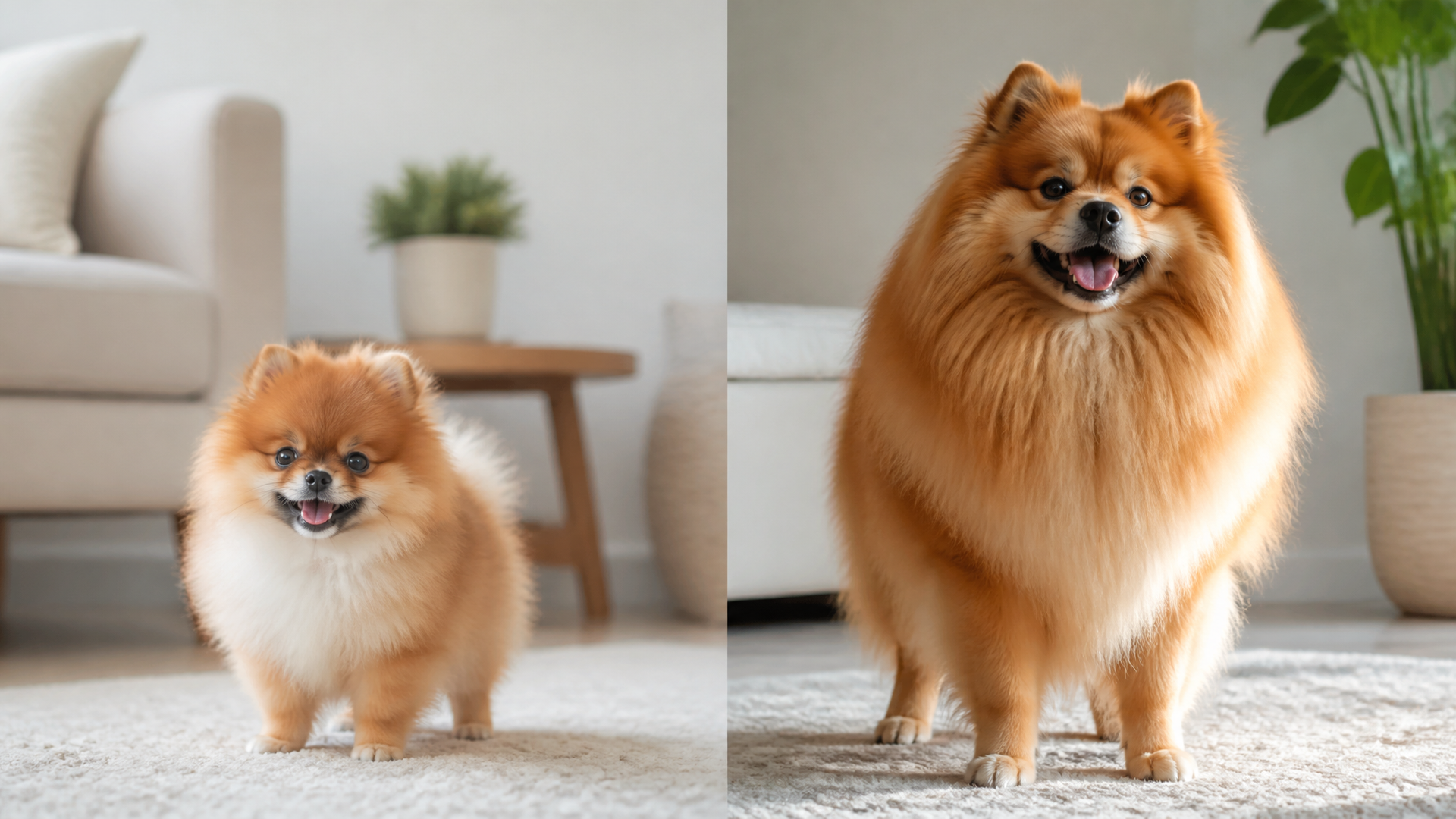
Big Pomeranian Dog: Guide: What Every Owner Should Know
A big Pomeranian isn’t a separate breed. It’s a standard Pom that falls at the top of the weight range — or sometimes exceeds it. According to the AKC breed standard, Pomeranians weigh 3 to 7 pounds. Any Pom over 7 pounds is considered oversized, and dogs over 12 pounds are sometimes called “throwback” Pomeranians because they resemble the larger sled‑dog ancestors the breed descended from.

The immediate takeaway: a bigger Pom is often healthier than a tiny one, but the extra size changes how you need to manage joint health, exercise limits, and weight. Here’s what you need to know to keep a large Pomeranian thriving.
What Is a Big Pomeranian Dog?
A “big” Pomeranian typically falls into one of two categories:
- Large standard Pom – 7 to 10 pounds. Still purebred, just at the high end of allowable size (or slightly over).
- Throwback Pomeranian – 10 to 20+ pounds. Genetically closer to the original German Spitz size. These dogs are still purebred but carry recessive genes for larger stature.
Neither type is a mixed breed, and both make excellent companions — but their care needs differ from tiny 3- to 5-pound Poms.
Quick Size Reference
| Type | Typical Weight | Key Difference |
|---|---|---|
| Show-quality standard | 3–7 lbs | Breed ring acceptable |
| Oversized standard | 7–10 lbs | Not showable but still purebred |
| Throwback Pomeranian | 10–20+ lbs | Closer to ancestral size; often healthier bones |
How to Verify Your Pom’s Size Category
If you’re adopting or already own a larger Pom, confirm its category with these checks:
- Weigh on a digital scale — don’t rely on a bathroom scale; use a pet scale or kitchen scale.
- Measure height at shoulder — a throwback Pom often stands taller (10–12 inches at the shoulder vs. 6–8 inches for standard).
- Compare facial structure — throwback Poms tend to have a longer, more fox‑like muzzle and longer legs.
- Check breeder records or consider a DNA test — some breeders track lineage for size; a DNA test can confirm purebred status and even predict adult weight.
Practical implication for your next step: If your dog falls in the throwback range, you’ll need a larger crate, a medium‑sized harness, and a different set of expectations for portability and exercise tolerance.
Does a Bigger Pomeranian Mean Better Health?
Not automatically, but the odds tilt in favor of larger Poms. Tiny toy breeds (under 5 lbs) face higher risks for:
- Collapsed trachea
- Luxating patella (loose kneecaps)
- Hypoglycemia (low blood sugar)
- Fragile bones that break easily
A 10- or 12-pound Pomeranian has sturdier bone structure, a more robust respiratory system, and better metabolic reserve. That said, big Poms have their own watchpoints — namely joint stress and weight management.
What this means for your choice: If you want a Pom with fewer emergency vet visits for fragile‑bone injuries or blood sugar crashes, a larger Pom is the sounder option. If you plan to show in AKC conformation, you must stay within the 3–7 lb standard. That’s the main trade‑off.
One Realistic Trade‑Off You Should Know
A larger Pom is hardier but less portable than a tiny Pom. Dogs over 10 pounds often cannot fly in‑cabin on most airlines (carrier size limits). They also need more floor space in the home, a larger crate, and a medium‑sized harness instead of an extra‑small. If you travel frequently or live in a very small apartment, a standard 4–6 lb Pom may suit you better.
Caring for a Larger Pom: What Changes
Most routine care stays the same — heavy shedding, double‑coat grooming, and big personality haven’t changed. But three areas shift significantly.
Exercise Limits Are Still Real
Even a 15-pound Pom is still a toy breed. Don’t treat him like a medium‑sized dog. Keep walks short (20–30 minutes twice a day) and avoid jumping off furniture or stairs. The larger body weight still means joint strain if over‑exercised.
Expert tip #1: Use a ramp for beds and couches. A single jump down from a high surface puts 3–4x the dog’s weight on each front leg. For a 12‑lb Pom that’s 48 lbs of force hitting small joints. A ramp or pet stairs prevents micro‑injuries that accumulate into arthritis.
Common mistake: Assuming a bigger Pom needs longer walks. Fatigue in toy breeds shows up as panting or lagging — if you see it, stop. They cool down faster than larger dogs and overheat easily.
Joint Health: The #1 Priority
Larger Poms carry more weight on the same small‑bone frame. Hip and stifle problems are the top concern for owners of 10+ lb Poms.
- Watch for: Bunny‑hopping (both hind legs moving together), reluctance to jump, stiffness after rest.
- Prevent with: Maintaining lean body condition (you should feel ribs easily), low‑impact exercise, and appropriate joint support.
Expert tip #2: Start joint support early. For a large Pom, don’t wait until the dog is old or showing signs. A glucosamine‑chondroitin supplement at the first sign of slowing down (or from age 5+ proactively) is smart. Options like VetIQ Advanced Hip & Joint Chews for Dogs include MSM and green‑lipped mussel, which provide anti‑inflammatory support beyond basic glucosamine.
Common mistake: Using a “large breed” joint supplement that contains too much glucosamine for a small dog. Stick to products labeled for small/toy breeds or use the weight‑based dose on the label.
Feed to Maintain Lean Weight
A big Pom that gains 2–3 extra pounds is carrying 25–40% extra body weight — the human equivalent of adding 40–60 lbs. That crushes joints and shortens lifespan.
Feed split: Divide daily food into two meals. Toy breeds are prone to hypoglycemia if fed once daily, and a larger Pom can still benefit from the blood‑sugar stability.
Expert tip #3: Use a kitchen scale. Measuring by cup is inaccurate. A digital scale gives you the exact weight so you can track small changes. Weigh your Pom weekly and adjust food by 10% if you see a 0.5‑lb gain on a 10‑lb dog.
Common mistake: Free‑feeding (leaving food out all day). Poms are efficient eaters and will maintain a very comfortable weight — then overweight. Scheduled meals only.
Diet & Grooming Quick Reference
| Task | Frequency | Key Detail |
|---|---|---|
| Brushing | 3–4 times per week | Double coat mats fast; use slicker brush and metal comb |
| Bathing | Every 3–4 weeks | Over‑bathing strips natural oils |
| Nail trim | Every 2–3 weeks | Longer nails strain joints in larger Poms |
| Teeth brushing | Daily | Toy breeds are prone to dental disease; use a dog‑safe toothpaste |
| Food amount | ¼–½ cup per day | Split into two meals; adjust per weight and activity |
Quick Decision Aid: Is a Large Pom Right for You?
Use these five checks before choosing or adopting a big Pomeranian:
1. Do you have a vet familiar with toy breeds? Joint prep and dental care differ from medium/large dogs.
2. Can you provide low‑impact exercise only? Running partners and long‑hike dogs — this is not the breed for that.
3. Is your home level or ramped? Stairs and high furniture are hazards. If you have stairs, a baby gate or carries may be needed.
4. Can you keep the dog lean? A 12‑lb Pom at a healthy weight lives 2–4 years longer than an overweight one.
5. Do you want to show the dog? If yes, a large standard or throwback Pom won’t compete in AKC conformation.
If you answered “no” to #1 or #3, reconsider or prepare to adapt your setup. If you can handle those, a larger Pom is a robust, long‑lived, and deeply loyal companion.
Household Hazards to Watch For
Because body size affects exposure risk, even a larger Pom is still vulnerable to the same toxins that hit small dogs hardest. And bigger Poms have stronger jaws — they can chew through cords faster, so supervise electrical cords and furniture legs closely.
- Toxic foods: Grapes, raisins, xylitol (in gum and peanut butter), onions, garlic, chocolate
- Household chemicals: Antifreeze (sweet taste attracts dogs), rodenticides, cleaning wipes with bleach
- Plants: Lilies, sago palm, tulip bulbs
- Small choking hazards: Children’s toys, bones that splinter, rawhide (size‑specific — your Pom needs puppy‑sized chews even at 12+ lbs)
If ingestion occurs, call your vet or poison control immediately. Don’t wait for symptoms.
Disclosure: This article contains affiliate links. As an Amazon Associate we earn from qualifying purchases.
Save This Guide
Bookmark this page for quick reference on weight categories, joint care, and daily routines. The key takeaway: a larger Pomeranian is hardier but requires careful joint management and lean weight maintenance to reach its full 12–16 year lifespan.
FAQ
Are big Pomeranians rare?
Yes. Most Poms from breeders fall in the 3–7 lb range. Oversized or throwback Poms are less common, and some breeders specifically select for the smaller size. If you want a larger Pom, look for breeders who focus on health over meeting the size standard.
Do big Poms live longer?
On average, yes. Poms live 12–16 years, but dogs under 5 lbs often lose 1–2 years to fragility‑related health problems. A 10‑ to 12‑lb Pom is statistically more likely to reach the upper end of the lifespan.
Are they more expensive?
Generally not. A larger Pom may actually cost less because it can’t be shown in AKC rings. Price is more tied to coat color, breeder reputation, and bloodline than to size. Expect to pay a similar amount as for a standard-sized Pom — often $1,500 to $5,000 for a well-bred dog from a reputable breeder, with rare colors commanding higher prices.