Understanding the Snub Nose Characteristics of Shih Tzus

In the world of canine companions, the Shih Tzu snub nose has become a defining feature that attracts many dog lovers. With their adorable, flat faces and charming personalities, these dogs have captured hearts across the globe. However, the unique anatomy of a Shih Tzu’s snub nose comes with its own set of challenges and considerations. From breathing difficulties to temperature sensitivity, understanding these characteristics is crucial for any potential owner. This article aims to provide insights into the various aspects of Shih Tzus, ensuring that their special needs are recognized and met.

Get your dog to listen to you

Learn how service dogs are trained to ALWAYS come when called. Watch the free workshop now.


k9ti.org

Key Takeaways

Snub nose anatomy in Shih Tzus can lead to breathing difficulties and requires regular veterinary check-ups to monitor respiratory health.
Shih Tzus are at high risk for heat stress and cold-related issues due to their short snouts, necessitating proper care in extreme weather conditions.
Grooming needs for Shih Tzus include specialized tools and regular maintenance to prevent matting and manage hygiene, particularly for their ears and eyes.
A balanced diet rich in proteins and fats is crucial for Shih Tzus, along with careful portion control to prevent obesity-related health issues.

Snub Nose Anatomy and Features

The snub nose anatomy of Shih Tzus showcases unique characteristics that distinguish them from other breeds. Its distinct snout structure and facial features play a significant role in their overall appearance. However, this unique anatomy can also lead to specific health implications, making it essential to understand the various aspects of their snub nose.

Snout Structure and Length

Shih Tzus have a short snout structure that contributes to their charming appearance but can also affect their breathing. Their compact facial features give them a distinctive look that many find endearing. This abbreviated snout often results in a flatter face, which can lead to breathing difficulties in certain situations. Owners should be aware that the length and structure of the snout may impact their dog’s ability to tolerate heat and exercise. Despite these challenges, their unique snout remains a key aspect of their breed identity.

Facial Features Overview

Facial features of Shih Tzus are often described as expressive and charming, contributing to their endearing appeal. Their large, round eyes convey warmth and curiosity, drawing attention from admirers. The short, broad muzzle gives them a distinctive look, enhancing their playful demeanor. Fluffy eyebrows and a well-defined stop add to the overall character of their face. Together, these features create a unique and lovable appearance that many find irresistible.

Breathing and Health Implications

Breathing difficulties can often arise for dogs with snub noses, leading to various health concerns. These issues can result from the shortened airways characteristic of breeds like Shih Tzus. It’s not uncommon for these dogs to experience heat intolerance and respiratory distress during exercise. Regular veterinary check-ups are crucial to monitor their breathing health. Owners should also be aware of signs indicating potential respiratory problems, ensuring timely intervention.

Genetic Variations in Appearance

Genetic variations in appearance among breeds can lead to diverse traits that influence a dog’s overall look and health. In Shih Tzus, these variations manifest in coat color, texture, and facial structure. Some may exhibit more pronounced snub noses, while others have a slightly longer muzzle. These differences can affect not only aesthetics but also the dog’s respiratory function and overall well-being. Ultimately, understanding these genetic traits is crucial for responsible breeding and care.

Breathing Difficulties in Shih Tzus

Breathing difficulties are common concerns for Shih Tzus due to their unique snub nose structure. Many owners may notice their pets struggling with respiratory issues as a result. Understanding these challenges can help in recognizing the signs of breathing distress in these adorable companions.

Breathing Issues Overview

Many pet owners are unaware of the various breathing issues that can affect their beloved companions. Shih Tzus often suffer from brachycephalic obstructive airway syndrome, which can lead to significant respiratory challenges. Symptoms like snoring, wheezing, and labored breathing may go unnoticed. It’s crucial for owners to monitor their pets closely, especially during exercise or in hot weather. Recognizing these signs early can make a difference in their health and well-being.

Signs of Breathing Distress

Recognizing the signs of breathing distress in a Shih Tzu can be crucial for their overall health and well-being. Owners should be aware if their pet’s breathing becomes rapid or labored, as this can indicate a problem. Additionally, excessive panting or difficulty in catching their breath may signal distress. If a Shih Tzu exhibits lethargy or seems unwilling to engage in normal activities, it’s important to take note. Finally, any coughing or wheezing should prompt immediate attention, as these can be signs of serious underlying issues.

Temperature Sensitivity and Its Implications

Temperature sensitivity’s a significant concern for Shih Tzus due to their unique snub-nosed characteristics. These dogs often struggle with extreme heat and cold, leading to various health risks if not properly managed. Understanding these implications is crucial for ensuring their well-being and comfort.

Heat Stress Risks

Heat stress risks are particularly high for Shih Tzus, as their short snouts make it difficult for them to regulate their body temperature effectively. During hot weather, these dogs can quickly become overheated, leading to potential health complications. Owners must be vigilant in providing shade and fresh water to prevent dehydration. Signs of heat stress, such as excessive panting or lethargy, shouldn’t be ignored. It’s essential to keep Shih Tzus cool and comfortable, especially during the peak heat of the day.

Cold Weather Challenges

Cold weather can pose serious challenges for Shih Tzus, as their short snouts and thin coats make them particularly vulnerable to frostbite and hypothermia. They’re not built for frigid temperatures, and prolonged exposure can lead to serious health issues. Many Shih Tzus might shiver or show signs of discomfort when it’s too cold outside. Owners should be vigilant and limit outdoor time during harsh winter months. Providing warmth through sweaters or heated blankets can help keep them safe and cozy.

Caring for Sensitive Breeds

Caring for sensitive breeds requires attentive owners who understand their unique needs and vulnerabilities. They need to monitor temperature changes closely to avoid overheating or chilling. It’s essential for owners to provide appropriate clothing and shelter during extreme weather. Regular vet check-ups help catch any potential health issues early on. Additionally, owners should be aware of their dog’s behavior, as it can signal discomfort or distress.

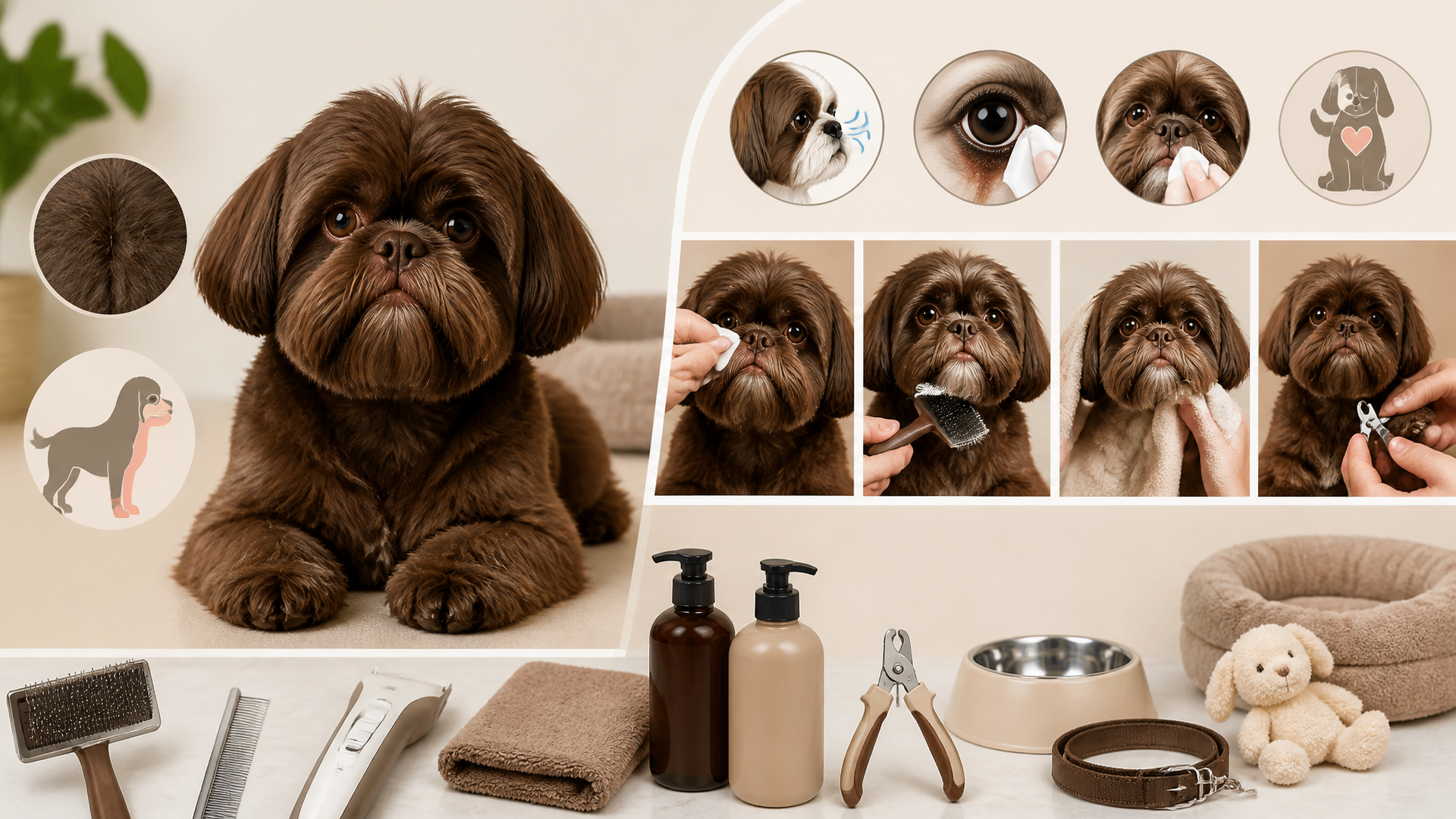
Grooming Needs for Snub Nose Breeds

Snub nose breeds require special attention when it comes to grooming due to their unique characteristics. Their distinctive facial structure can make certain grooming tasks more challenging, so it’s important for owners to be well-prepared. By understanding their specific grooming needs, owners can ensure their pets remain comfortable and healthy.

Grooming Tools Essentials

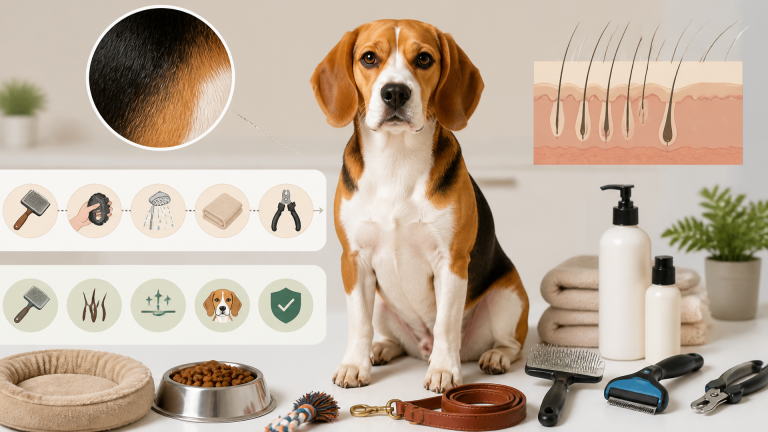
Grooming tools essentials for snub nose breeds include specialized brushes and combs designed to navigate their unique fur and skin needs. These tools help prevent matting and reduce skin irritation, ensuring a comfortable grooming experience. Additionally, owners might find that using gentle shampoos can make bath time less stressful for their pets. Nail clippers with safety features are also important, as snub nose breeds can be sensitive during this process. Lastly, ear cleaning solutions specifically formulated for these breeds can help maintain their overall hygiene.

Bathing Techniques for Comfort

Bathing techniques for comfort can make a significant difference in how relaxed the pet feels during the process. Owners should use warm water to avoid shocking the pet’s sensitive skin. It’s also helpful to have non-slip mats in the tub to prevent any slipping. Using gentle, pet-safe shampoos can enhance the overall experience and reduce irritation. Lastly, speaking softly and offering treats can help ease any anxiety the pet may have while bathing.

Coat Care Tips

Coat care tips for snub nose breeds often emphasize the importance of regular brushing to prevent matting and maintain a healthy shine. Owners should use a slicker brush or comb to gently detangle their fur without causing discomfort. It’s also recommended to bathe these breeds every few weeks, using a mild shampoo that won’t irritate their skin. Regular trimming of the coat around the eyes can help prevent tear staining and keep the area clean. Lastly, investing in professional grooming services can ensure a thorough and safe grooming experience.

Ear and Eye Maintenance

Ear and eye maintenance is crucial for snub nose breeds, as their facial structure can lead to increased susceptibility to infections. Regular cleaning of the ears helps prevent wax buildup and potential ear infections. Owners should also keep an eye on tear staining, which is common in these breeds. It’s advisable to wipe their eyes daily to keep them clear and healthy. Timely veterinary check-ups can ensure any underlying issues are addressed promptly.

Common Health Issues Related to Flat Faces

Flat-faced breeds, like Shih Tzus, often face a variety of health challenges due to their unique anatomy. These dogs can experience breathing difficulties, eye problems, dental issues, and skin conditions more frequently than other breeds. Understanding these common health issues is essential for ensuring their well-being and quality of life.

Breathing Difficulties in Breeds

Many breeds are prone to breathing difficulties, particularly those with shorter snouts, which can lead to serious health concerns. These issues often stem from their compressed airways and altered facial structures. Many owners notice their pets snoring or wheezing, especially during physical activity. In severe cases, these breathing issues can result in heat sensitivity and distress. Regular veterinary check-ups are crucial for monitoring these health risks.

Eye Problems in Shih Tzus

Shih Tzus often suffer from eye problems, including corneal ulcers and dry eye, due to their prominent eyes and facial structure. They’re prone to developing conditions like entropion, where the eyelids roll inward, causing irritation. Regular veterinary check-ups are crucial for early detection of these issues. Eye drops and medications might be necessary to manage their symptoms effectively. Owners should also be vigilant about their dog’s eye health to prevent serious complications.

Dental Issues and Solutions

Dental issues are a significant concern for breeds with flat faces, often requiring regular veterinary check-ups and specialized dental care. Shih Tzus commonly suffer from overcrowded teeth, which can lead to painful dental infections. Their unique jaw structure makes it difficult for them to maintain proper oral hygiene. Regular teeth brushing and professional cleanings can help mitigate these problems. Owners should also be aware of signs of dental discomfort, ensuring their pets receive timely treatment.

Skin Conditions in Flat-Faced Dogs

Skin conditions are a common concern for owners of flat-faced dogs, as their unique facial structure can lead to increased moisture and irritability in their skin. These dogs often suffer from conditions like dermatitis, which can be exacerbated by their wrinkles and folds. Many owners find that regular cleaning and drying of these areas helps prevent infections. Additionally, allergies can manifest as skin irritations, requiring careful attention to diet and environment. Regular veterinary check-ups are essential to manage and treat these skin issues effectively.

Behavioral Traits of Shih Tzus

Shih Tzus are known for their playful and affectionate nature, making them wonderful companions. They’ve got an independent streak but remain fiercely loyal to their families. Additionally, their social and friendly behavior often endears them to both people and other pets.

Playful and Affectionate Nature

Their playful and affectionate nature makes them a joy to have around. They’ve always got a knack for lifting spirits with their silly antics. It’s not uncommon for them to snuggle up next to their owners for warmth and comfort. They’re quick to shower everyone with love, often demanding attention in endearing ways. Their lively personalities ensure that every day is filled with joy and laughter.

Independent Yet Loyal

These dogs exhibit a unique balance of independence and loyalty that makes them stand out among other breeds. They’ve got a strong sense of self, often exploring their surroundings with curiosity. Despite their independent nature, they’re deeply attached to their families and seek out companionship. Their loyalty shines through in their protective instincts, always keeping a watchful eye on loved ones. This combination of traits creates a bond that’s both rewarding and deeply fulfilling for their owners.

Social and Friendly Behavior

Many owners appreciate how well they get along with other pets and strangers alike. They’re often seen wagging their tails and engaging in playful interactions. Shih Tzus typically thrive in social settings, displaying a friendly demeanor that draws attention. Their affectionate nature makes them ideal for families and social environments. It’s not uncommon for them to seek out companionship, whether from humans or fellow animals.

Dietary Considerations for Snub Nosed Dogs

When it comes to snub-nosed dogs like Shih Tzus, their unique facial structure requires specific dietary considerations. Owners should be aware of their nutritional needs and the types of foods that could pose risks. It’s crucial to explore recommended diet options that cater to these breeds.

Nutritional Needs of Breeds

Understanding nutritional needs is essential for ensuring snub-nosed breeds remain healthy and energetic. They require a balanced diet rich in proteins, fats, and carbohydrates to maintain their vitality. It’s important to choose high-quality dog food specifically formulated for small breeds. Additionally, owners should monitor portion sizes to prevent obesity, which can exacerbate breathing issues. Regular consultations with a veterinarian can help tailor dietary plans to individual health needs.

Foods to Avoid

Certain foods can be harmful to snub-nosed dogs, and owners should avoid items like chocolate, grapes, and onions. These foods can lead to serious health issues and even be life-threatening. Additionally, garlic and avocados aren’t safe for these breeds either. Owners must stay informed about other harmful foods, such as xylitol and macadamia nuts. Being cautious about their dog’s diet can help ensure a longer, healthier life.

Recommended Diet Options

Recommended diet options for snub-nosed dogs include high-quality kibble formulated for brachycephalic breeds. These kibbles often feature smaller, easily chewable pieces that accommodate their unique jaw structure. Additionally, moisture-rich foods like canned dog food can help with hydration and digestion. It’s also beneficial to include supplements rich in omega fatty acids to support skin and coat health. Lastly, owners should consult with a veterinarian to tailor the diet to their dog’s specific needs.

Exercise Requirements for Shih Tzus

Shih Tzus’ exercise needs aren’t as demanding as some larger breeds, but they still require daily activity to stay healthy. Regular playtime and socialization are essential for their well-being and can help prevent behavioral issues. It’s important for owners to understand these requirements to ensure their Shih Tzus lead happy, active lives.

Daily Activity Needs

Daily activity needs for these dogs include short walks and interactive play sessions to keep them engaged and physically fit. They thrive on mental stimulation and enjoy activities like puzzle toys and training exercises. It’s crucial for their owners to incorporate socialization opportunities with other dogs and people. While they may not require extensive exercise, regular bursts of activity help maintain their overall health. A balanced routine ensures these lovable companions remain happy and content.

Playtime and Socialization

Playtime and socialization are crucial for a Shih Tzu’s emotional health, and they thrive when given opportunities to interact with other dogs and people. Regular playtime helps them burn off energy and reduces the likelihood of destructive behaviors. Socializing with other pets and humans fosters confidence and creates well-adjusted companions. Owners should schedule playdates or visits to dog parks to meet these social needs. Ultimately, a well-socialized Shih Tzu is a happier and healthier pet.

Tips for Caring for a Snub Nose Dog

Caring for a snub nose dog requires special attention to their unique needs. Owners should be aware of how these characteristics impact their health and well-being. Here are some essential tips for ensuring a happy and healthy life for Shih Tzus.

Breathing and Temperature Control

Breathing and temperature control are critical for snub nose dogs, as their short snouts can lead to respiratory issues. They can struggle with heat regulation, making it essential to provide a cool environment. Owners should avoid strenuous activities during hot weather, as it can exacerbate breathing problems. Regular vet check-ups can help monitor any potential respiratory concerns. Keeping them hydrated is vital to ensure their overall health and comfort.

Grooming and Skin Care

Grooming and skin care are crucial for maintaining a snub nose dog’s coat and overall health. Regular brushing helps to prevent matting and removes loose fur, keeping their coat shiny. Owners should also pay attention to their skin, as snub nose dogs can be prone to irritations and infections. Bathing should be done with gentle, hypoallergenic shampoos to avoid any adverse reactions. Additionally, it’s important to check their ears and eyes regularly for any signs of discomfort or buildup.

Diet and Nutrition Needs

A balanced diet is crucial for Shih Tzus to maintain their energy levels and overall health. They need high-quality protein to support their muscles and ensure proper growth. It’s important for their diet to include essential fatty acids, which help keep their skin and coat healthy. Owners should be cautious about portion sizes, as these dogs can be prone to obesity. Regular consultations with a veterinarian can help tailor a diet plan that meets their specific needs.

Frequently Asked Questions

What are the origins of the shih tzu breed?

The origins of the Shih Tzu breed can be traced back to ancient China, where they were bred as companion animals for royalty. They’re believed to have descended from the crossbreeding of Tibetan breeds and the Pekingese, showcasing a lineage that reflects their noble status.

How do snub nose characteristics impact the lifespan of shih tzus?

Snub nose characteristics can lead to various respiratory issues in dogs, which may shorten their lifespan. It’s important for owners to be aware of these potential health concerns and provide proper care to enhance their pet’s quality of life.

Are there specific training techniques that work best for shih tzus?

When it comes to training Shih Tzus, positive reinforcement techniques tend to work best for them. They respond well to treats and praise, which helps to keep their attention and encourages good behavior.

If you’re interested in exploring more about dog breeds, I highly recommend checking out the article on the unique gait of German Shepherds. This insightful piece provides an in-depth look at how their movement differs from other breeds, much like the distinct characteristics of Shih Tzus. You can read it here.