American Bulldog Life Expectancy
American Bulldogs live 10 to 15 years, with most healthy dogs averaging 12 to 13 years. That’s on the longer end for a large-breed dog — excellent news for owners of this sturdy, loyal companion. But reaching that upper range isn’t guaranteed. Your daily choices in feeding, exercise, and preventive care directly determine how many years you get together.

American Bulldog Life Expectancy vs. Other Popular Breeds
| Breed | Average Life Expectancy | Key Health Advantage / Challenge |
|---|---|---|
| American Bulldog | 10–15 years | Sturdier than English Bulldog; fewer breathing issues |
| English Bulldog | 8–10 years | Brachycephalic airway syndrome, heat sensitivity |
| Boxer | 8–10 years | High cancer risk, especially hemangiosarcoma |
| Pit Bull Terrier | 12–16 years | Leaner build, fewer joint problems |
| Labrador Retriever | 10–12 years | Obesity and hip dysplasia common |
| Great Dane | 7–10 years | Giant breed – rapid growth, heart issues |
To sum up: American Bulldogs are hardier than many bulldog-type breeds but still need proactive care to dodge their biggest risks — joint disease, skin allergies, and obesity.
3 Expert Tips for Maximizing Your American Bulldog’s Lifespan
1. Keep Their Weight Lean, Not Just “Healthy”
A bulky Bulldog looks muscular, but a lean body is your goal. You should be able to feel their ribs easily with a thin fat layer. Every extra 5 pounds adds measurable stress to hips and elbows.
Actionable step: Weigh your dog monthly and use a kitchen scale to measure food portions — eyeballing leads to overfeeding. Adjust by ¼ cup if the waistline disappears.
Verification: Download a breed-specific body condition score chart (available from the American Bully Kennel Club or your vet) and score your dog every 4 weeks. If the ribs feel like the back of your hand, you’re at the right spot.
Common mistake: “He just looks solid” – don’t confuse muscle with fat. Palpate the ribs weekly; if you have to press hard to find them, reduce food by ¼ cup and check again in two weeks.
2. Start Joint-Supporting Supplements Early
Hip dysplasia and elbow arthritis are the top mobility killers for this breed. Start glucosamine/chondroitin (with MSM) at 2 years old for at-risk lines, or sooner if you see stiffness after play.
Actionable step: Look for products containing green-lipped mussel or omega-3 fatty acids. Cosequin or Dasuquin are well-studied options to discuss with your vet. Confirm the correct dosage by weighing your dog — many owners underdose by using the “small dog” scoop.
Trade-off: Supplements won’t fix a poor diet or lack of exercise. If your Bulldog is already carrying extra weight, joint support alone won’t prevent arthritis. Combine with weight management and low-impact exercise like swimming.
Common mistake: Waiting until the dog limps – by then cartilage damage is often irreversible.
3. Feed a Low-Starch Diet
Allergies and ear infections plague American Bulldogs. High-starch foods (rice, corn, potatoes) can feed yeast overgrowth. A fresh, meat-based diet helps maintain a healthy gut and skin barrier.
Actionable step: Switch to a limited-ingredient formula or raw-adjacent option like air-dried or freeze-dried food. Brands such as Open Farm or Stella & Chewy’s offer quality choices.
Verification: Check the guaranteed analysis on any new food. Look for crude protein above 30% and crude fat around 15–20% on a dry matter basis. If the first three ingredients include a starch source (rice, potato, tapioca), keep looking.
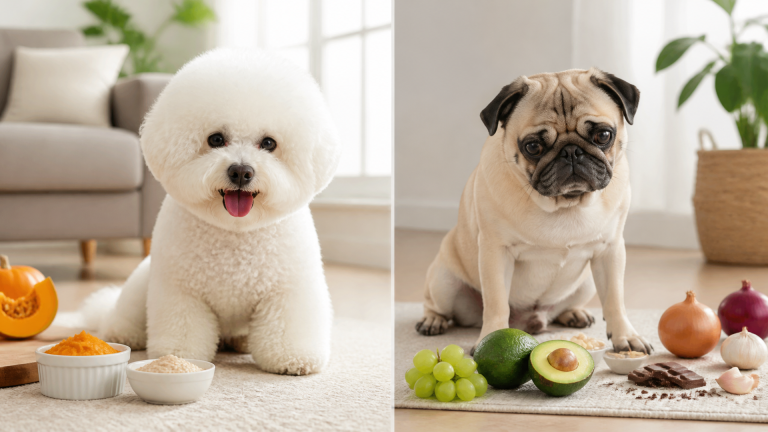
Common mistake: Assuming “grain-free” means low starch – many grain-free kibbles use potatoes or tapioca that still spike blood sugar.
Weekly Health Check-Up: A Simple Operator Flow
Run through this quick check every Sunday. It takes 5 minutes and catches problems early.
Step 1: Body condition check
Run your hands along both sides of the ribcage. You should feel ribs with light pressure, not see them from across the room. If you have to press hard to find ribs, reduce food by ¼ cup and monitor for two weeks.
Verification step: Use a tape measure around the chest (behind the elbows) and around the waist (just in front of the hips). The waist measurement should be 10–15% smaller than the chest for a healthy working dog. Write both numbers on a calendar card — changes over time are early warnings.
Step 2: Skin and coat scan
Part the fur in 3-4 spots: neck, back, belly, and inner thighs. Look for redness, flaking, bald patches, or bumps. Early skin allergies show as pink, irritated spots between the toes or on the belly.
Step 3: Ear check
Sniff inside each ear. A musty or sweet smell signals yeast. Excessive wax or redness means inflammation. Wipe gently with a vet-recommended ear cleaner weekly; skip cotton swabs (they push debris deeper).
Step 4: Eye clarity check
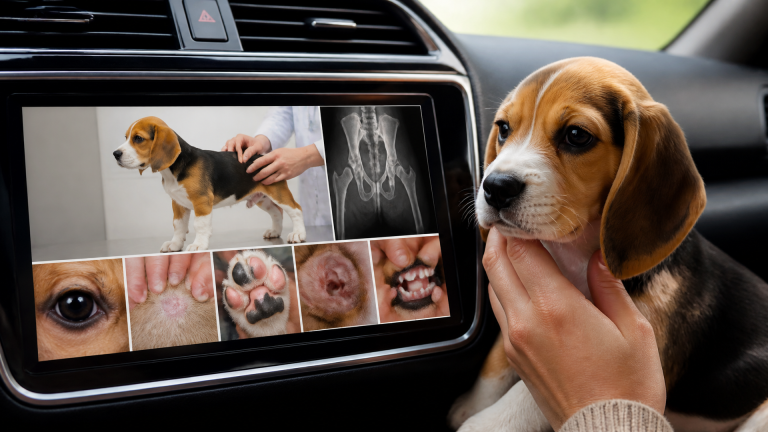
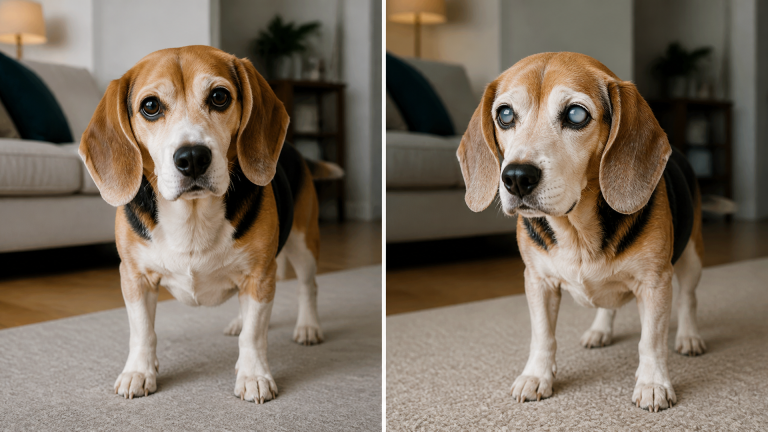
American Bulldogs are prone to cherry eye and cataracts. Look for cloudiness, redness, or a fleshy mass in the inner corner. If you spot either, take a photo and send it to your vet for triage.
Likely causes you might find:
- Red, weepy eyes – allergies or dry eye (keratoconjunctivitis sicca)
- Bald patches – thyroid imbalance or seasonal allergies
- Excessive scratching – food intolerance (try cutting one ingredient for 4 weeks)
- Unusual lumps – can be fatty tumors, but some are mast cell tumors; any new, fast-growing lump needs a vet
Escalation signal: Any lump that grows quickly, any eye discharge that doesn’t clear in 24 hours, or any limp lasting more than 48 hours — call your vet.
Success check: Your Bulldog’s ribs are palpable with light pressure, their coat is glossy, ears are clean and odorless, and eyes are clear and bright.
When to Call the Vet: Warning Signs You Shouldn’t Ignore
American Bulldogs are stoic and hide pain until it’s serious. Watch for:
- Sudden limping or reluctance to stand – possible ACL tear or hip flare
- Excessive panting at rest – potential heart or breathing issue
- Bald spots or red, itchy skin – allergies or thyroid imbalance
- Weight loss despite normal appetite – diabetes or organ disease
- Cloudy eyes or bumping into furniture – glaucoma or cataracts
If you notice any of these lasting more than 48 hours, schedule a vet appointment. For sudden collapse, blue gums, or trouble breathing – head to the ER.
Save This Guide
Your American Bulldog’s life expectancy depends on choices you make today. Prioritize lean weight, joint support, low-starch food, and weekly check-ups — and you’ll stack the odds for 13+ healthy years.
Key takeaway: A lean Bulldog is a longer-living Bulldog. Regularly checking body condition and adjusting food portions is the most impactful step you can take.
Frequently Asked Questions
Do American Bulldogs have more health problems than other bulldog breeds?
No. They’re significantly healthier than English Bulldogs because their longer snout allows better breathing. However, they still need attention to joints, skin, and thyroid health.
At what age should I switch to senior dog food?
Most American Bulldogs benefit from a senior formula around 7–8 years old. Look for lower calorie density and added joint support ingredients.
Is 14 years realistic for my American Bulldog?
Yes, with excellent genetics and consistent care. Dogs from lines with OFA-certified hips and no history of heart disease or cancer reach the upper teens more reliably.
This article contains affiliate links. If you purchase through them, we may earn a small commission at no extra cost to you.