Long Hair Burmese Cat
Yes, long-haired Burmese cats exist. They’re either Tiffanie cats (the recognized semi-longhair variant) or purebred Burmese carrying a recessive long-hair gene. If your cat has that trademark rounded body, golden eyes, and silky medium-length coat, this guide covers the grooming routine, health watchpoints, and practical tips you need.

How to Confirm You Have a Long-Haired Burmese
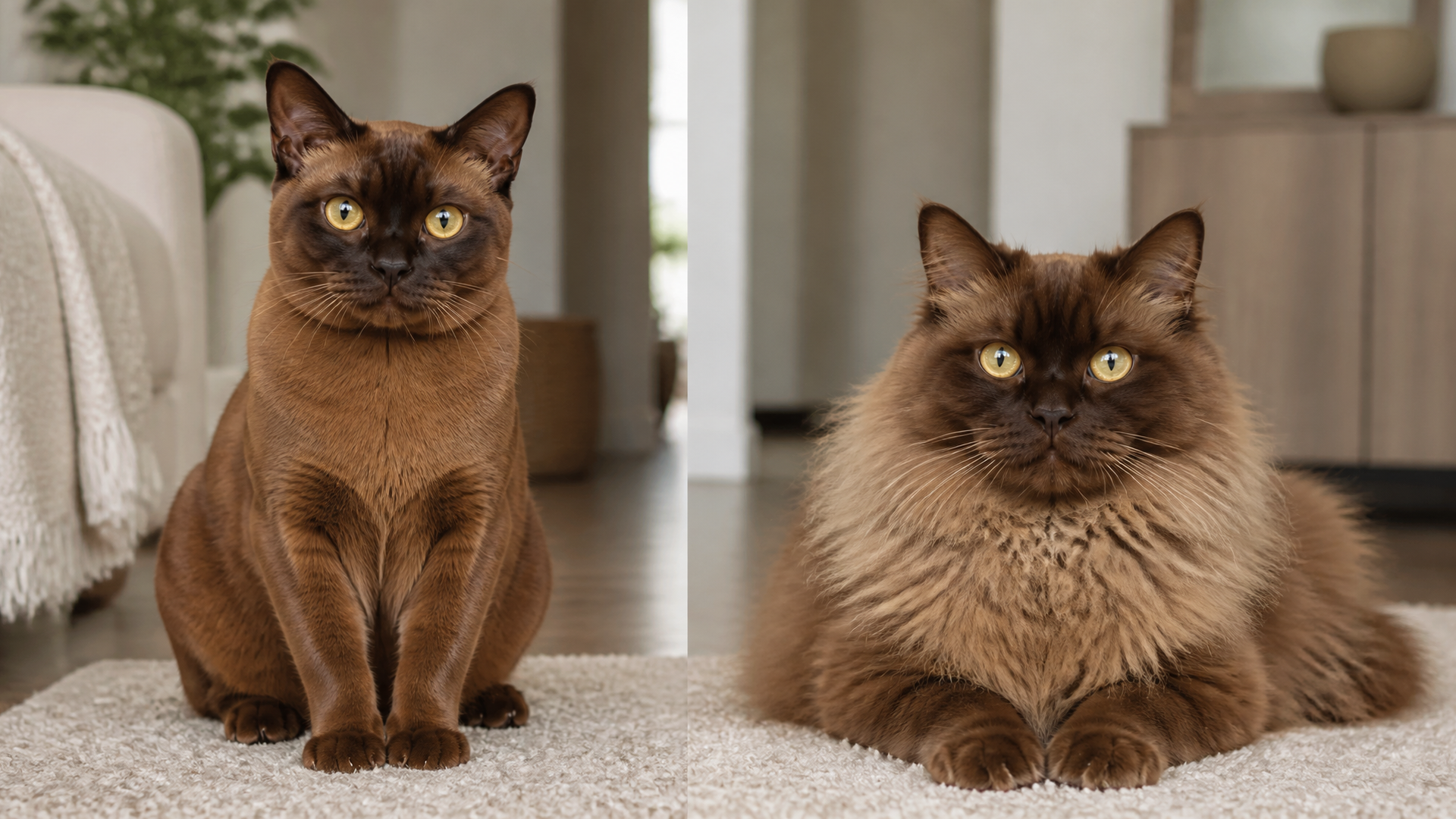
Major registries like CFA and TICA don’t recognize a long-haired Burmese as a separate breed. The long coat occurs through a recessive gene carried in some Burmese lines. The Tiffanie (also called Asian Semi-Longhair) is the closest recognized variant — same body type and temperament, with a silky medium-length coat instead of short.
Key physical markers to check:
- Body type: Medium-sized, muscular, rounded chest and head — not dainty or elongated
- Eye color: Gold or yellow (classic Burmese trait)
- Coat texture: Fine, silky, lying close to the body — not fluffy or double-coated like a Persian
- Tail: Plumed — fuller than short-haired Burmese, but not bushy like a Maine Coon
- Ear tufts: Fine, wispy tufts are common in long-haired lines
Personality check: People-loving, vocal, playful, follows you around like a dog. If your cat has the sturdy rounded body and golden eyes but sports a soft medium-length coat, you’ve almost certainly got a long-haired Burmese or very close relative.
Verification Step
- Pedigree papers: Check for “Tiffanie” or “Asian Semi-Longhair” on CFA or TICA registration
- No papers: Look for the markers above. A feline breed DNA kit (Basepaws or Wisdom Panel) can confirm Burmese ancestry and the long-hair gene variant
Boundary note: If your cat has obvious Persian traits (rounder eyes, snub nose, very dense coat), this guide doesn’t apply — those are likely mixes needing a different grooming approach.
One Failure Mode to Detect Early
The most common problem owners face is assuming their long-haired Burmese doesn’t need regular brushing because they’ve previously owned short-haired cats. That assumption leads to missed grooming sessions, which quickly produces mats. Catch this early by checking for tangles behind the ears and under the armpits every third day — if you feel even small tangles forming, you’re already overdue.
Grooming Your Long-Haired Burmese: Step-by-Step Flow
The standard short-haired Burmese needs once-weekly brushing. The long-haired version needs consistent maintenance to prevent mats and tangles.
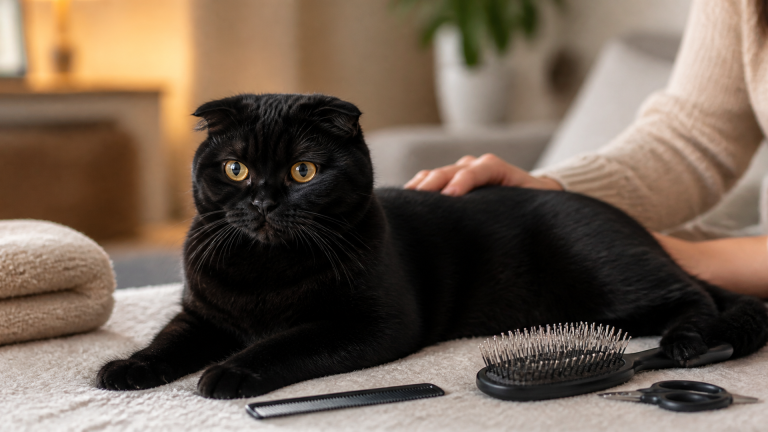
Preparation Checklist
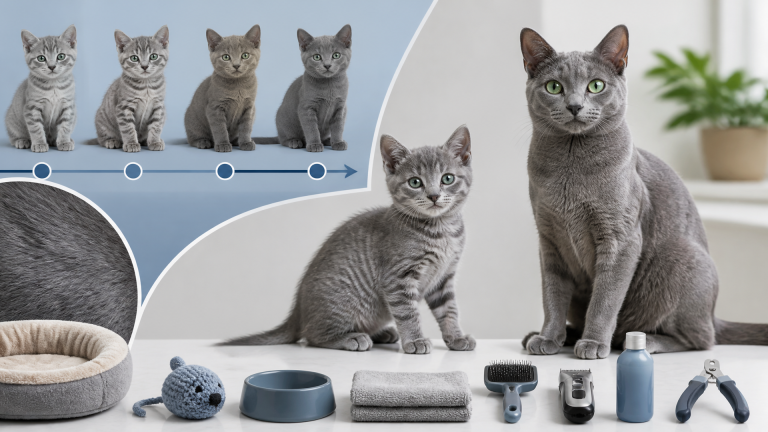
- [ ] Slicker brush with fine wire pins
- [ ] Wide-tooth comb for detangling
- [ ] Metal flea comb for face and tail
- [ ] Cat-safe detangling spray (helps on silky coats)
- [ ] High-value treats for positive reinforcement
Step 1: Pre-Brush Inspection (Checkpoint)
Run your hands over the entire coat to feel for mats. Pay special attention behind the ears, under the armpits, and on the belly — these are hot spots where tangles form quickly.
- Likely cause of mats: That fine, silky texture tangles easily if you skip brushing for more than 2–3 days
- Friction point: Many long-haired Burmese dislike belly brushing. Go slow, use treats, and stop if your cat gets agitated
Step 2: Brush in Sections
1. Start with the back and sides using the slicker brush — short, gentle strokes following the direction of hair growth
2. Switch to the wide-tooth comb for the belly, tail, and ruff (chest area). These areas need extra patience
3. For any tangles: apply a small amount of detangling spray, work through with your fingers first, then use the comb. Never yank
Step 3: Face and Tail Check
Use the flea comb around the face (careful near eyes) and the tail tip. Long-haired Burmese tails can develop “stud tail” — a greasy, waxy buildup at the base. If you see yellow residue, wipe gently with a damp cloth. That’s normal and manageable.
Step 4: Treat and Reward
Every session ends with praise and a treat. This builds positive association and makes future grooming much easier.
Success check: Coat feels smooth, no mats remain, and your cat isn’t stressed or hiding.
Escalation signal: If you find a tight mat that won’t comb out, stop and carefully cut it out with round-tip scissors, or see a professional groomer. Never pull — you can injure the skin. If your cat consistently avoids grooming or you notice red, irritated skin under mats, schedule a vet visit to rule out allergies or parasites.
What This Means for Your Next Decision
The grooming routine above is your new baseline. If you previously owned a short-haired Burmese, expect 5–10 minutes every other day instead of once a week. If you’re considering adopting a long-haired Burmese, factor in this time commitment. The trade-off for that beautiful silky coat is consistent maintenance. Owners who skip brushing for a full week will likely face matting so severe that a shave-down is needed — stressful for the cat and expensive.
3 Expert Grooming Tips for Long-Haired Burmese
| Tip | Action Step | Common Mistake to Avoid |
|---|---|---|
| Prevent mats before they form | Brush every other day minimum; daily during shedding season | Skipping a week then trying to brute-force a large mat out — that’s painful for the cat and frustrating for you |
| Use the right tools | A metal slicker brush with fine pins works best; avoid plastic brushes that snag the silky coat | Using a furminator-style rake too aggressively — it can damage fine hair shafts and cause irritation |
| Bathe only when necessary | A warm water bath with mild cat shampoo every 8–12 weeks is sufficient | Bathing weekly strips natural oils, leading to dry, flaky skin and more dander |
Health, Feeding & Common Misconceptions
Long-haired Burmese share the same overall health profile as standard Burmese, with one extra risk: skin problems from poor grooming. Mats trap moisture and debris, which can lead to dermatitis or hot spots. Check your cat’s skin weekly for redness, flaking, or irritation.
Feeding guidelines: Burmese cats are food-motivated and prone to obesity. Feed a high-protein, low-carbohydrate diet — wet food is ideal. An adult Burmese around 8–10 pounds typically needs roughly 200–250 calories per day (confirm exact needs with your vet). Adjust based on activity level and use a food puzzle to slow down fast eaters.
Key health watchpoints:
- Obesity — measure portions, don’t free-feed
- Dental disease — brush teeth 2–3 times per week
- Respiratory issues — flat-faced Burmese may snore, but long-haired versions typically have normal facial structure
Mismatch & Trade-Off: What You Should Know
A common assumption is that long-haired Burmese shed less. In reality, they shed the same number of hairs as short-haired Burmese, but each strand is longer and more visible on furniture and clothing. You’ll need to vacuum more often. Another trade-off: the silky coat is prone to static and lint pickup, so a sock or lint roller becomes a regular tool.
Three common misconceptions:
- “It’s a rare purebred.” Most long-haired Burmese are either mixed breed or from the Tiffanie line. True purebred registration is very unlikely.
- “They don’t need grooming if they groom themselves.” Cats can’t reach their own back or belly well. Mats will form without your help.
- “They need professional grooming.” Not unless the coat becomes severely matted. At-home brushing every 2–3 days is sufficient for most.
Save This Guide
Key takeaway: Long-haired Burmese are not a recognized purebred, but their care is straightforward with consistent brushing every 2–3 days. Focus on mat prevention, use the right tools, and adjust your expectations for shedding visibility. The silky coat rewards the effort with a gorgeous, healthy look.
FAQ
Can a long-haired Burmese be registered as a purebred?
No major cat registry currently recognizes a long-haired Burmese as a separate breed. If your cat has papers, they’ll likely be listed as a Tiffanie or Asian Semi-Longhair.
How much grooming does a long-haired Burmese actually need?
Aim for brushing every 2–3 days minimum, and daily during heavy shedding seasons. This prevents mats and keeps the coat silky.
Are long-haired Burmese healthier than short-haired ones?
They share the same health profile. The main extra risk is skin issues caused by mats — which is entirely preventable with consistent grooming.
Disclosure: Some product links in this article are affiliate links. We may earn a small commission at no extra cost to you.