Beagles Howling: Guide: What Every Owner Should Know
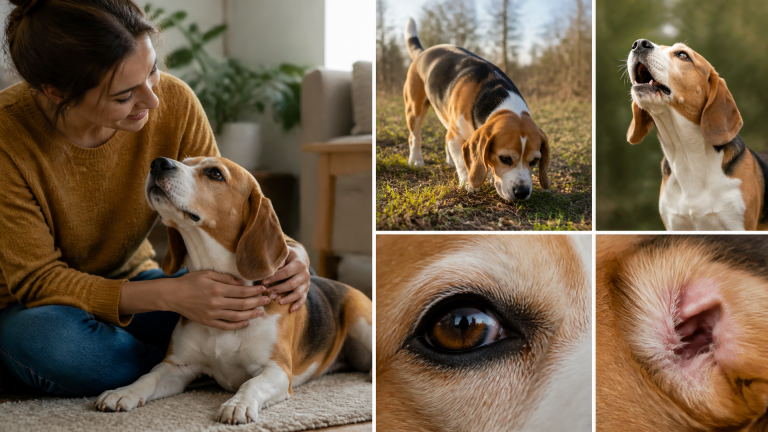
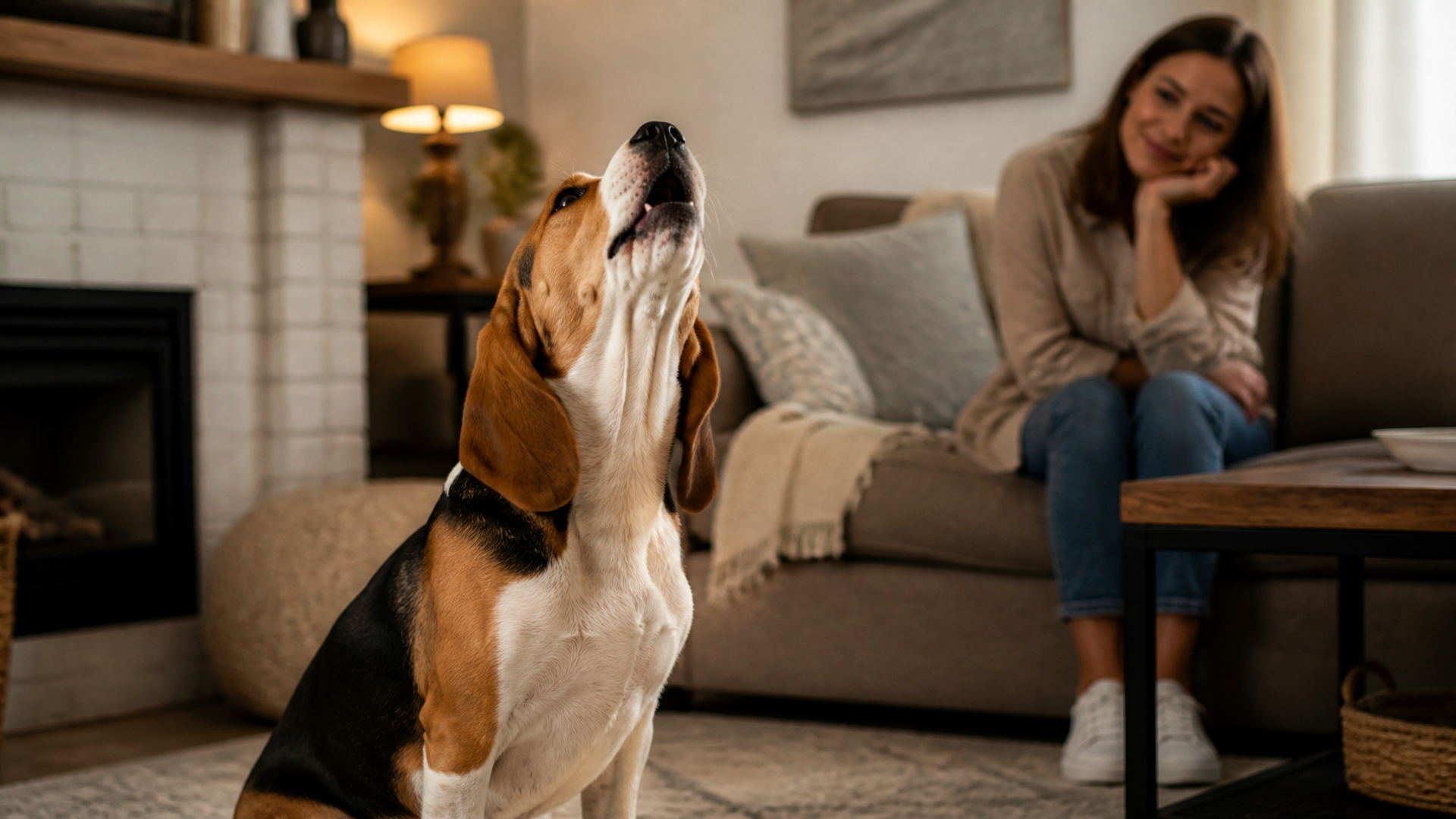
Yes, Beagles howl—it’s in their DNA. As scent hounds bred to work in packs, they use a deep, carrying bay to communicate with hunters and other dogs. While howling is perfectly normal, excessive howling usually signals boredom, loneliness, or anxiety. The goal isn’t to stop all howling, but to address the underlying cause so your Beagle only howls when it genuinely matters.

Why Beagles Howl (It’s Not Misbehavior)
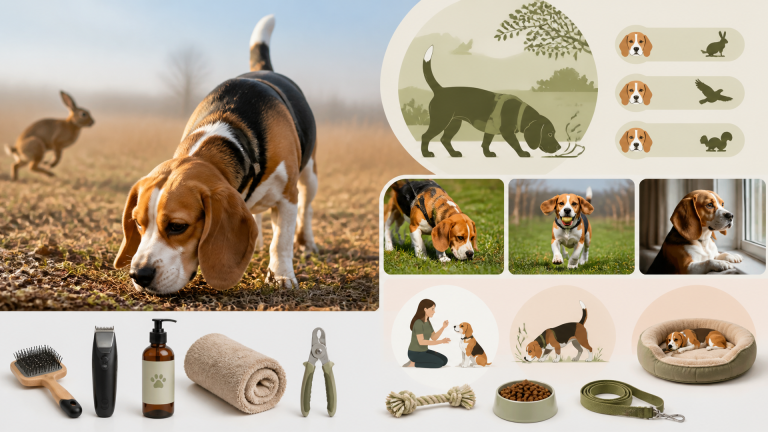
Beagles belong to the hound group, specifically bred to follow scent trails for hours. Their howl—often called a “bay”—lets hunters track their location from a distance. This instinct hasn’t faded. Your Beagle howls because:
- It’s genetic heritage. Unlike many breeds that bark, Beagles were selected for their loud, sustained howl.
- They’re pack animals. Howling reinforces social bonds. A lonely Beagle howls to call for their pack member (that’s you).
- They respond to triggers. Sirens, musical instruments, crying babies, or other dogs howling can set them off.
Understanding that howling is a breed-specific behavior, not a training failure, helps you approach it with patience.
Common Triggers for Beagle Howling
Beagles are vocal, but specific situations often push the button:
- Separation anxiety – The most common cause of problem howling. Your Beagle isn’t being stubborn; they’re panicking.
- Boredom or under-stimulation – A tired Beagle is a quiet Beagle. Without enough exercise and mental work, they’ll invent ways to pass the time.
- Exciting scents – A rabbit or squirrel outside can trigger a hunting howl that’s hard to interrupt.
- External sounds – Sirens, alarms, or even certain TV commercials.
- Greeting excitement – Some Beagles howl when you walk through the door.
Warning signs that howling needs intervention: Howling that lasts more than 15 minutes after you leave, howling paired with destructive behavior (chewing doors or furniture), drooling or panting when left alone, or refusal to eat treats during alone time.
How to Reduce Your Beagle’s Howling
Breed-specific strategies work better than generic “stop barking” advice. Below are three expert tips with actionable steps and common mistakes to avoid.
Exercise & Physical Activity
Actionable step: Give your Beagle at least 45–60 minutes of brisk walking or running daily, split into two sessions. A tired dog has less energy for howling.
Common mistake to avoid: Assuming a backyard is enough. Beagles need structured exercise, not free-roaming. Left alone in a yard, they’ll just find something to howl at—or worse, follow a scent over the fence.
Practical implication: If your Beagle still howls after a full exercise session, the root cause is likely mental under-stimulation or anxiety—not lack of movement. Don’t double the exercise; switch to enrichment instead.
Mental Stimulation & Enrichment
Howling often stems from an under-worked brain, not just under-exercised legs.
Actionable step: Use nose work games—hide treats around the house and let your Beagle “track” them. Scent games tire them out faster than a walk because they tap into natural hunting instincts.
Common mistake to avoid: Only giving food-dispensing toys. Rotate puzzle toys (like the Outward Hound Nina Ottosson line) to keep novelty. A Beagle who figures out one puzzle in 2 minutes needs a new challenge.
Product recommendation: Try a Kong Classic stuffed with peanut butter (freeze it for longer mental work) or snuffle mats for scatter feeding. These channel their nose-driven brain productively.
Training the “Quiet” Cue
Actionable step: Teach “speak” first, then “quiet.” When your Beagle howls on command, say “quiet” and reward the moment they stop. Gradually increase the silent duration. Practice 5 minutes daily with high-value treats.
Common mistake to avoid: Yelling when they howl. Your Beagle thinks you’re joining the chorus and howls louder. Stay calm and use positive reinforcement only.
When the Answer Changes: Applicability Boundary
The strategies above work best for Beagles aged 6 months to 8 years who are otherwise healthy. For puppies under 6 months, howling is often attention-seeking and should be ignored (rewarding silence, not reacting). For senior Beagles (over 8 years), a sudden increase in howling may indicate pain, hearing loss, or canine cognitive dysfunction—so a vet check comes before any training change. Also, apartment-dwelling Beagles need extra focus on soundproofing and enrichment because neighbors may not tolerate extended howling.
Step-by-Step Plan to Curb Excessive Howling
Follow this operator flow to identify the root cause and take action. Each step includes a verification checkpoint so you can confirm whether you’re on the right track.
Checkpoint 1: Identify the trigger. Record when howling happens (time, context, who is home). If it occurs only when you leave, focus on separation anxiety. If triggered by outside noises, try white noise or classical music.
Checkpoint 2: Rule out medical issues. A sudden increase in howling can signal pain or cognitive decline. Visit your vet first before assuming it’s behavioral. Verification step: Ask your vet specifically about arthritis, dental pain, and hearing changes—these are common in Beagles.
Checkpoint 3: Increase physical exercise. 45+ minutes of structured activity per day. Mix walks with free-running in a secure, fenced area (Beagles will follow a scent—keep them on leash or in an escape-proof space).
Checkpoint 4: Add daily mental enrichment. 10–15 minutes of nose work or puzzle toys each day. This is often the missing piece for Beagles specifically.
Checkpoint 5: Train the “quiet” cue. Practice for 5 minutes daily using high-value treats. Never punish howling—it increases anxiety.
Checkpoint 6: Address separation anxiety. Implement gradual departures. Leave for 30 seconds, return before howling starts, and slowly increase time. Pair your absence with a high-value frozen treat. Verification step: If your Beagle accepts the treat and stays quiet for at least 5 minutes, you’re building tolerance. If they ignore the treat and howl immediately, the anxiety is severe.
Likely causes if steps 1–6 fail: Your Beagle may have true separation anxiety rather than boredom. Signs include destruction near exits, drooling, panting, and refusing all treats when left alone.
Escalation signal: If your Beagle still howls excessively after meeting exercise, enrichment, and training needs for 4 weeks—or if they also destroy property, drool, or refuse all treats when left alone—consult a veterinary behaviorist. Medications or calming aids (like Adaptil pheromone diffuser or calming chews) may be needed alongside behavior modification.
Product recommendation: A Thundershirt or calming bed can provide comfort during alone time. Always pair these with desensitization training, not as a standalone fix.
Success check: Your Beagle howls at appropriate times (a siren outside, greeting you) but stops within 60 seconds when given a quiet cue or distraction. They settle within 10 minutes when left alone.
What Can Go Wrong: Mismatch and Trade-Offs
A common mismatch owners make is expecting complete silence. If you try to suppress all howling with punishment or a shock collar, your Beagle’s anxiety will increase, and they may develop other stress behaviors like destructive chewing or self-licking. Even citronella collars can backfire in sensitive Beagles—the spray itself can become a fear trigger. The trade-off is real: you accept some howling as a breed reality, or you risk damaging your bond. The safest approach is to focus only on problematic howling (anxiety-based or excessive duration) and reward quiet during those specific contexts.
FAQ: Beagles Howling
Q: Will my Beagle ever stop howling completely?
A: No, and you shouldn’t expect them to. Howling is a breed-specific behavior. The goal is to reduce excessive or anxious howling, not eliminate all vocalization.
Q: Is howling a sign of pain in Beagles?
A: It can be. If your Beagle suddenly starts howling more than usual, especially at night or when resting, schedule a vet visit to rule out arthritis, dental pain, or cognitive decline.
Q: Do female Beagles howl less than males?
A: There’s no significant difference. Both sexes howl equally—it’s driven by instinct and individual personality, not gender.
Q: Can I use an anti-bark collar on my howling Beagle?
A: Avoid shock or citronella collars. They increase anxiety in sensitive Beagles and can worsen howling long-term. Positive reinforcement and addressing the root cause are more effective.
Save This Guide
Key takeaways: Beagles are wired to howl—that’s part of their charm. Problem howling is almost always a sign of an unmet need: more exercise, mental stimulation, or help with anxiety. Address the cause, not the sound. With consistent routine and the right enrichment, your Beagle will still sing, but you’ll both enjoy the song more. This guide provides a structured way to diagnose and address howling so you and your Beagle can find the right balance.
This article contains affiliate links; we may earn a commission if you purchase through them.