Beagle Freedom Project: Guide: What Every Owner Should Know
The Beagle Freedom Project (BFP) rescues Beagles from animal testing labs and places them in homes. If you’re thinking about adopting one, the process is straightforward — but these aren’t typical shelter dogs. They’ve spent their whole lives in kennels with almost no human contact. This guide covers exactly what to expect, how to apply, and what your home needs before bringing one home.

How the Rescue Works
BFP negotiates with research facilities to release Beagles no longer needed for testing. These dogs have never felt grass, heard a doorbell, or been petted for fun. BFP moves them into foster homes for decompression and socialization, then matches them with adopters.
The organization has rescued thousands of Beagles since its founding. It also pushes for legislation requiring labs to release adoptable dogs instead of euthanizing them, and advocates for alternatives to animal testing.
One key boundary to know: Not all research facilities participate in release programs. BFP focuses on labs that voluntarily release dogs or where state laws mandate it. If you’re outside their active regions (California, New Jersey, Texas), check for a local chapter or partner rescue — availability and wait times vary.
The Adoption Pipeline (Step by Step)
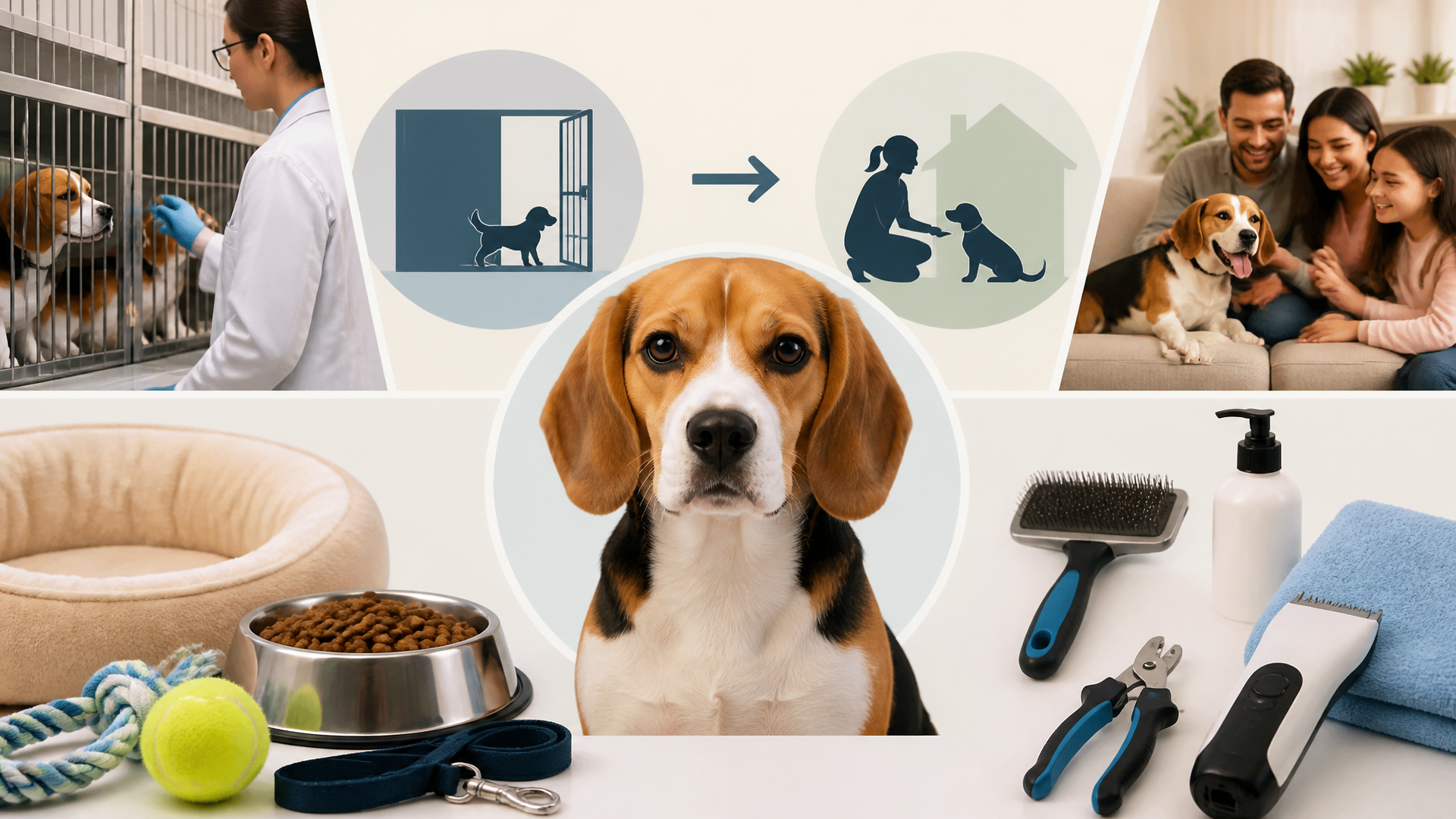
Every rescue Beagle moves through the same stages before reaching you:
- Lab release – BFP works with pharmaceutical companies to secure dogs scheduled for euthanasia.
- Full medical workup – Bloodwork, dental, and treatment for common lab-dog issues (ear infections, skin problems).
- Foster decompression – 2–4 weeks in a foster home to assess temperament and let the dog adjust.
- Adoption matching – Applications reviewed; dogs matched based on your experience, home, and other pets.
How to Apply
1. Visit the Beagle Freedom Project website and check available dogs in your region.
2. Submit an online application with vet references, landlord approval (if renting), and a home description.
3. Phone interview – you’ll discuss your Beagle experience, separation anxiety plan, and exercise routine.
4. Virtual or in-person home visit – they check fencing, escape points, and indoor space.
5. Meet the dog – spend at least an hour with 1–2 matched Beagles in a neutral area.
6. Pay the adoption fee ($350–$500) – covers spay/neuter, microchip, vaccinations, initial vetting.
7. Two-week trial period – if it’s not a fit, return the dog to BFP with no questions asked.
Verification step for your state: Before applying, check the “Available Dogs” map on BFP’s website. Some states only have transport volunteers but no local foster homes, which can mean longer wait times for an adoption match.
What to Expect When Bringing a Lab Beagle Home
Lab-raised Beagles are adults (usually 2–5 years) with zero home experience. Here’s what’s different.
Behavior Adjustments
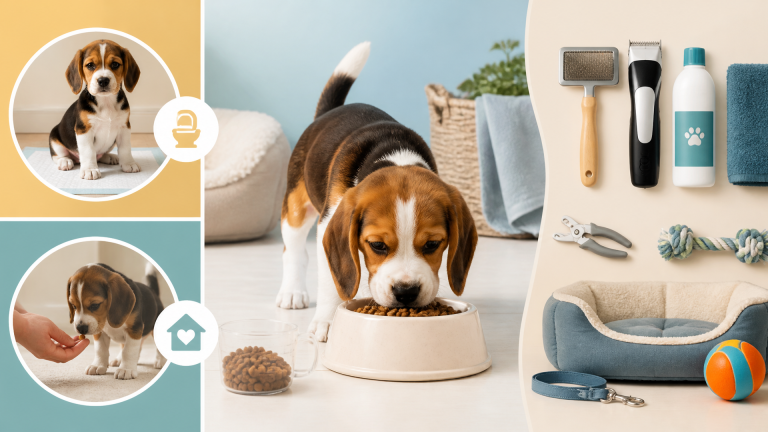
- Housetrain from scratch – They’ve never been housetrained and eliminate in their kennels. Expect accidents for the first few weeks. Crate with a strict schedule is essential.
- Sensory overload – Stairs, grass, ceiling fans, mirrors — everything is new. They may freeze, hide, or panic. Keep your home quiet and calm for the first week.
- Noise sensitivity – Sudden sounds (doorbell, garbage truck) can terrify them. Use a white noise machine or calming music during transition.
- Separation anxiety is the norm – They’ve never been alone. Start alone-time training gradually: 5–10 minutes in a secure crate with a frozen Kong.
Health Considerations
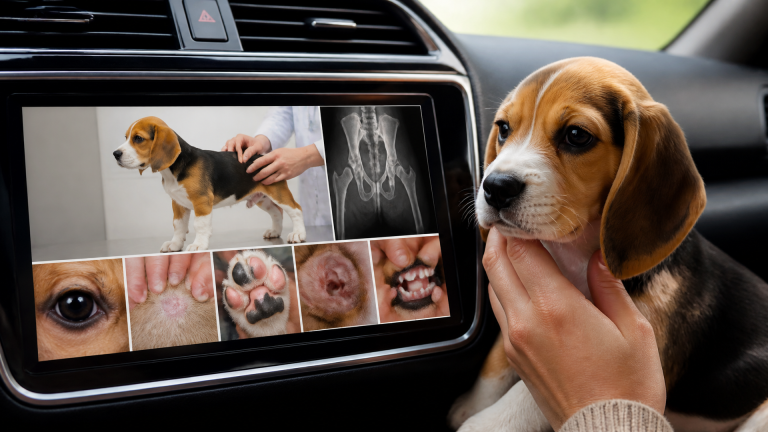
- Chronic ear infections – Beagles’ floppy ears trap moisture, and lab dogs often have untreated infections. Check ears weekly, clean with vet-recommended solution, and keep dry after baths.
- Dental disease is near-universal – Over 80% of Beagles over 3 years old in labs have periodontal issues. Budget for a professional dental cleaning within the first month (typically $200–$400).
- Food guarding – Lab Beagles competed for food in group kennels. Hand-feed initially and separate feeding areas if you have other pets.
- Heartworm & parasite prevention – Labs may not have received routine preventatives. Test immediately and start monthly prevention.
Is a Lab Beagle Right for Your Home? (5 Check Items)
Run through these pass/fail checks before applying:
1. Can you provide a quiet first week? No guests, loud events, or major schedule disruptions. ❌ No → consider fostering first.
2. Do you have a secure 5-foot+ fence? Beagles climb, dig, and squeeze through gaps. No fence means leashed potty breaks every time. ❌ No → apartment life still works with extra walks.
3. Are you willing to housetrain an adult dog? Expect accidents; stock up on enzymatic cleaner. ❌ No → choose a Beagle that’s already been in foster longer.
4. Can you afford a vet visit within 48 hours? Many have undiagnosed dental disease, ear infections, or heartworm. ❌ No → ask BFP for a dog with a clean bill of health.
5. Do you have a plan for separation anxiety? Crate, frozen Kongs, and a gradual alone-training schedule. ❌ No → don’t apply yet; research first.
If you answered “no” to two or more, consider fostering first or requesting a “foster-tested” Beagle (one who has been in a foster home longer).
A key trade-off to weigh: Adopting a freshly released lab Beagle vs one who has been in foster for months. The fresh one requires more patience but often has a lower fee ($350 vs up to $500 for foster-tested). The foster-tested dog comes with known behaviors and partial house-training. If you’re a first-time owner, the foster-tested route is safer.
Products That Help Lab Rescue Beagles Settle In
| Category | Recommended Product Type | Why It Helps |
|---|---|---|
| Crate | Heavy-duty wire crate with divider | Prevents escape; adjustable size reduces anxiety |
| Calming aid | Adaptil pheromone collar or diffuser | Mimics natural calming signals |
| Food puzzle | Outward Hound Hide-A-Squirrel or similar | Provides mental work, builds confidence |
| Leash/harness | No-pull front-clip harness (e.g., PetSafe Easy Walk) | Prevents pulling, gives control on walks |
| Chew toy | Nylabone Dura Chew or Himalayan yak chew | Meets natural chewing need, avoids destructive behavior |
Affiliate disclosure: Some links in this guide are affiliate links. If you buy through them, we may earn a small commission at no extra cost to you. We only recommend products we’d use with our own Beagles.
3 Practical Tips for First-Time Lab Beagle Owners
Tip 1: Use a “nothing in life is free” rule for the first month.
Before meals, walks, or treats, ask for a simple sit or “watch me.” Lab dogs haven’t learned to earn rewards, and this builds trust and focus.
Common mistake: Free-feeding or letting the dog demand attention. This reinforces anxiety rather than confidence.
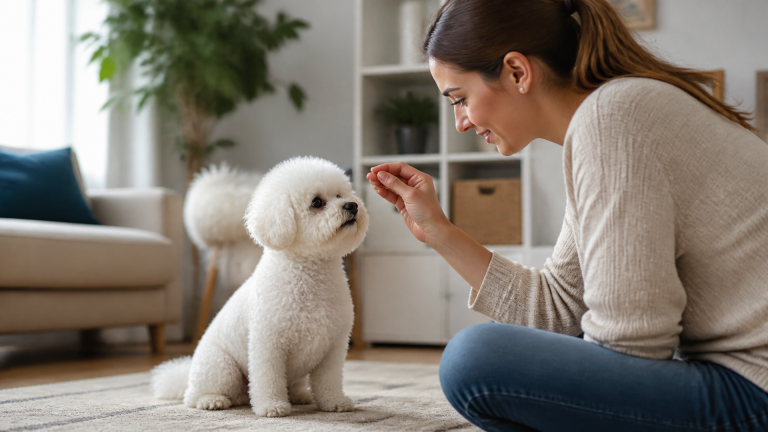
Tip 2: Teach “touch” as your first trick.
Hold out your palm and say “touch” while your dog noses it. This teaches voluntary engagement and gives you a non-scary way to redirect attention during stressful moments.
Common mistake: Using a high-pitched voice or looming over the dog. Keep your body low, soft, and sideways to appear less threatening.
Tip 3: Set up a sniffing station indoors.
Sprinkle kibble or treats in a cardboard box filled with crumpled paper or old towels. Beagles live to sniff, and 10 minutes of this mental work exhausts them more than a long walk.
Common mistake: Expecting long walks to tire a Beagle. They have immense stamina; mental enrichment is what really settles them.
Other Ways to Support Beagle Freedom Project
If adoption isn’t right now, you can still help:
- Foster – Short-term (2–6 weeks) or longer. BFP covers all medical costs.
- Donate – $50 covers one Beagle’s initial vet exam. Donate directly through their site.
- Advocate – Sign petitions for lab release legislation or write to your representatives about the Beagle Freedom Bill.
- Volunteer – Many states need transport drivers to move Beagles from labs to foster homes.
Save This Guide
Beagle Freedom Project gives a second chance to dogs who’ve known only cages. If you have patience for housebreaking, space for a nosey Beagle, and time for gradual trust-building, adopting a lab rescue is incredibly rewarding. Use the checklist above to confirm your home is ready, then visit their website to see available dogs in your region.