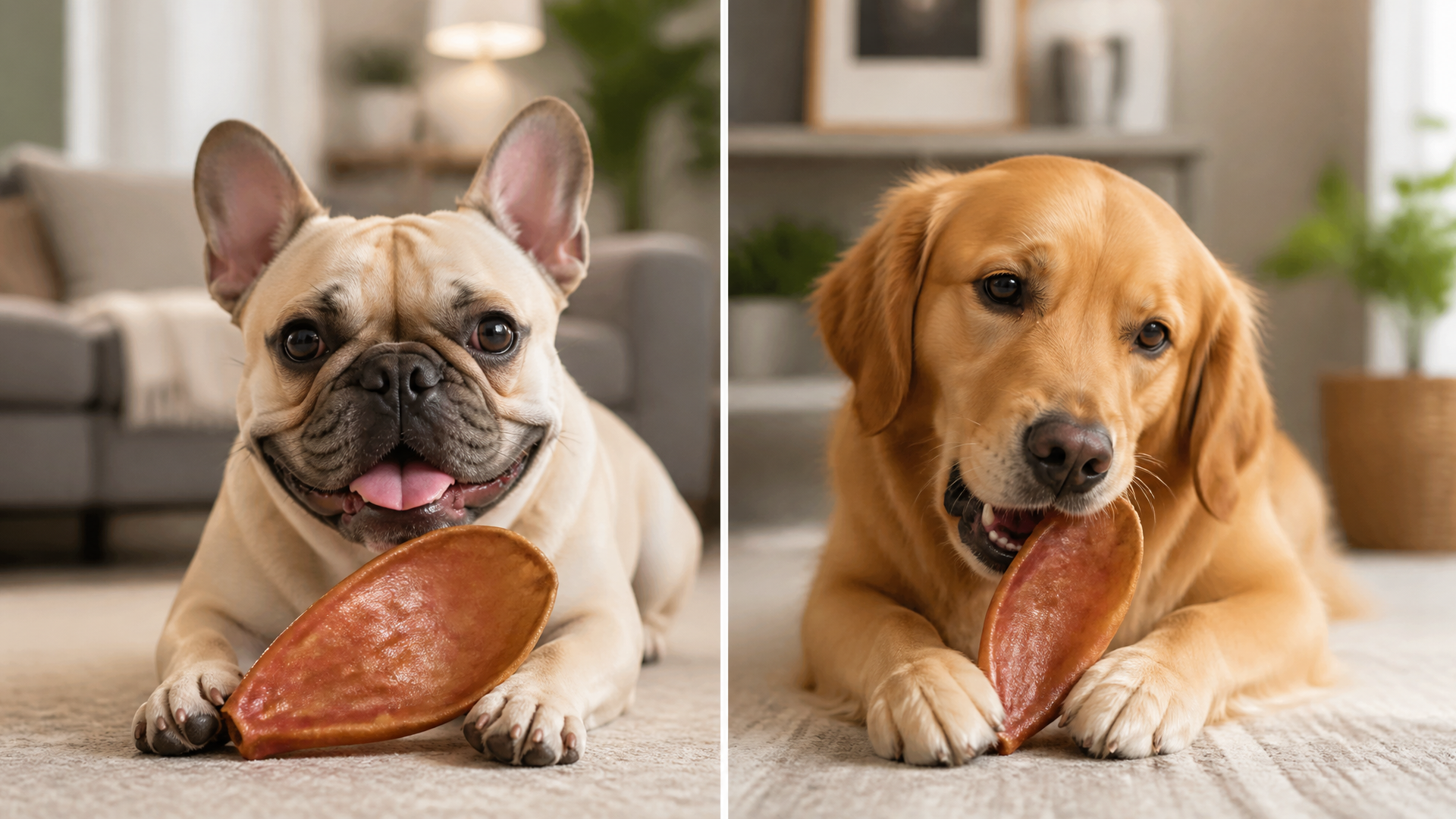
Can French Bulldogs Safely Enjoy Pig Ears?

As pet owners seek to provide their French Bulldogs with enjoyable and nutritious treats, the question arises: can French Bulldogs eat pig ears? While these flavorful chews can offer certain health benefits, they also pose specific risks, particularly for brachycephalic breeds like French Bulldogs. Understanding the unique dietary needs and potential digestive issues associated with this breed is essential for responsible pet ownership. This article will explore the pros and cons of pig ears as a treat, alongside alternative options and best practices for safe consumption. Ultimately, informed choices will help ensure that your French Bulldog can indulge in tasty treats without compromising their health.

Free Dog Training Workshop

Train your dog using the same techniques used by the service dog training industry!

k9ti.org

Health Benefits of Pig Ears for Dogs

The health benefits of pig ears for dogs include promoting dental health through natural chewing, providing a source of protein, and offering an enjoyable activity that can help alleviate boredom. Additionally, pig ears can help to strengthen jaw muscles, contributing to overall oral health. They are rich in essential fatty acids, which can improve skin and coat condition. Furthermore, pig ears can serve as a low-calorie treat option compared to other dog snacks. The chewy texture helps to satisfy a dog’s natural instinct to chew, leading to reduced anxiety. They can also act as a reward during training sessions, enhancing the bond between dog and owner. Overall, pig ears can be a beneficial addition to a dog’s diet when given in moderation.

Potential Risks for French Bulldogs

Potential risks for French bulldogs include the possibility of choking, gastrointestinal blockages, and dental issues associated with consuming pig ears. These risks are particularly pronounced due to the breed’s brachycephalic nature, which can complicate the chewing and swallowing process. Additionally, the high-fat content in pig ears may lead to obesity and pancreatitis, especially in dogs prone to weight gain. Allergic reactions are also a concern, as some dogs may be sensitive to pork products. The texture of pig ears can contribute to dental wear, which may exacerbate existing dental issues in this breed. Moreover, improper sourcing of pig ears can lead to exposure to harmful bacteria, posing further health risks. Careful consideration must be given to these potential dangers when determining suitable treats for your French bulldog, leading into a deeper exploration of understanding your French bulldog’s dietary needs.

Understanding Your French Bulldog’s Dietary Needs

Understanding your French Bulldog’s dietary needs is essential for ensuring their overall health and well-being. A balanced diet tailored to their specific requirements can help prevent common health issues associated with this breed. French Bulldogs are prone to obesity, making portion control and high-quality ingredients vital components of their nutrition. Additionally, understanding food allergies and sensitivities can guide owners in selecting appropriate meals and treats. Regular consultation with a veterinarian can provide insights into the best dietary choices for your individual dog. Moreover, the nutritional content of treats should align with their overall dietary plan to maintain optimal health. As you explore suitable snacks, consider looking into alternative treats for French Bulldogs that can complement their diet.

Alternative Treats for French Bulldogs

As pet owners seek to provide their French Bulldogs with enjoyable yet healthy treat options, alternative treats have gained considerable attention. These alternatives not only cater to their dietary needs but also contribute to their overall well-being. The following points highlight various categories of alternative treats that can be safely incorporated into a French Bulldog’s diet.

Healthy Chew Options

Healthy chew options play a crucial role in maintaining dental hygiene and satisfying the natural chewing instincts of French Bulldogs. These treats can help reduce plaque and tartar buildup while promoting healthier gums. Additionally, high-quality chews often provide essential nutrients that support overall health. It is important for pet owners to choose chews that are appropriate for their dog’s size and chewing strength. Furthermore, monitoring consumption is vital to ensure that these treats do not lead to excessive calorie intake.

Homemade Treat Recipes

Homemade treat recipes offer pet owners a tailored approach to meet the specific preferences and dietary restrictions of their French Bulldogs. By utilizing wholesome ingredients, owners can create treats that are both enjoyable and nutritious. These recipes can be adjusted to accommodate food allergies or sensitivities, ensuring the health of the pet. Additionally, making treats at home allows for greater control over portion sizes and caloric intake. Overall, homemade treats serve as a rewarding option that strengthens the bond between the pet and its owner.

Vegetable Snack Ideas

Vegetable snack ideas for French Bulldogs can include a variety of options such as carrots, sweet potatoes, and green beans, which provide essential nutrients while satisfying their chewing instincts. Other suitable vegetables may include cucumbers and zucchini, both of which can be served raw for added crunch. Incorporating these vegetables into their diet can promote healthy digestion and contribute to weight management. When preparing vegetable snacks, it is important to ensure they are cut into appropriate sizes to prevent choking hazards. Additionally, always monitor for any signs of allergies or sensitivities when introducing new treats.

How to Safely Introduce Pig Ears

The introduction of pig ears into a French bulldog’s diet should be approached with caution to ensure the dog’s safety and wellbeing. Gradually introducing pig ears can help monitor for any adverse reactions or digestive issues. Begin by offering a small piece of a pig ear to assess your dog’s initial response. Observe for any signs of allergies, such as itching or gastrointestinal discomfort, over the next 24 hours. If no negative reactions occur, slowly increase the quantity while maintaining vigilance. It is also essential to supervise your dog while they chew to prevent choking or swallowing large pieces. Consulting with a veterinarian prior to introducing pig ears can provide tailored advice based on your French bulldog’s health and dietary needs.

Signs of Digestive Issues in French Bulldogs

French Bulldogs are particularly susceptible to digestive issues, which can manifest in various ways that owners should be vigilant about. Recognizing the signs early can help in addressing potential health problems effectively. Key indicators of digestive distress in these breeds include vomiting after eating, changes in diarrhea frequency, lethargy and weakness, and abdominal pain indicators.

Vomiting After Eating

Vomiting after eating can be a concerning symptom in French Bulldogs, often indicating underlying gastrointestinal issues that may require veterinary attention. This condition can arise from various factors, including dietary indiscretion, food allergies, or underlying health conditions. Owners should monitor their pets for additional signs of distress, such as lethargy or changes in stool consistency. Early intervention is crucial in preventing further complications, as persistent vomiting can lead to dehydration and nutritional deficiencies. Consulting with a veterinarian is essential for accurate diagnosis and appropriate treatment options.

Diarrhea Frequency Changes

Changes in diarrhea frequency can serve as a crucial indicator of underlying health issues in dogs, necessitating prompt veterinary attention if persistent or severe. In French Bulldogs, fluctuations in stool consistency and frequency may indicate gastrointestinal disturbances or food intolerances. Owners should monitor their pets for any sudden onset of diarrhea, as this could signify an adverse reaction to treats, such as pig ears. Additionally, prolonged diarrhea can lead to dehydration and further complications, making timely intervention essential. Regular communication with a veterinarian can ensure that any dietary changes or health concerns are appropriately managed.

Lethargy and Weakness

Lethargy and weakness in dogs can often serve as critical indicators of underlying health issues, necessitating prompt veterinary evaluation to determine the root cause. These symptoms may arise from a variety of conditions, including infections, metabolic disorders, or gastrointestinal problems. Owners should be particularly attentive to changes in their dog’s energy levels, as this can reflect their overall health status. It is essential to monitor any accompanying signs, such as changes in appetite or behavior, that may further inform the diagnosis. Furthermore, the presence of lethargy may correlate with other distress signals, particularly abdominal pain indicators.

Abdominal Pain Indicators

Abdominal pain indicators in French Bulldogs can include signs such as excessive whining, reluctance to be touched in the stomach area, and changes in posture or movement. Other symptoms may involve pacing or restlessness, as the dog attempts to find a comfortable position. Reduced appetite or a complete refusal to eat may also signal underlying discomfort. Additionally, dogs may exhibit unusual behaviors, such as seeking solitude or hiding. Timely observation of these signs is crucial for prompt veterinary intervention.

Choosing Quality Pig Ears

When selecting pig ears for your French Bulldog, it is crucial to prioritize quality to ensure their safety and health. Understanding the key indicators of high-quality pig ears can help pet owners make informed choices. Additionally, identifying trusted brands can further enhance the likelihood of providing a safe and enjoyable treat for your pet.

Quality Indicators for Pig Ears

High-quality pig ears should exhibit a natural color, a firm texture, and minimal odor, indicating proper processing and freshness. The absence of artificial additives and preservatives is another sign of superior quality. Additionally, they should be sourced from reputable suppliers that follow strict manufacturing guidelines. Packaging should also provide clear information regarding the origin and ingredients of the product. This level of diligence in selection leads to the next important step: identifying trusted brands to consider.

Trusted Brands to Consider

Several trusted brands in the market consistently deliver pig ears that meet safety and quality standards, ensuring pet owners can provide their dogs with enjoyable and healthy treats. These brands often undergo rigorous quality control processes to ensure their products are free from harmful additives and contaminants. Additionally, they prioritize sourcing their ingredients from reputable suppliers, further enhancing the safety of their offerings. Many of these brands also provide transparent information about their manufacturing practices, allowing consumers to make informed decisions. By choosing products from these established names, pet owners can feel confident in their choice of treats for their French Bulldogs.

Veterinarian Recommendations on Treats

Veterinarians emphasize the importance of selecting safe and appropriate treats for dogs, particularly breeds like French Bulldogs that may have specific health considerations. Understanding the potential risks associated with certain treats, such as pig ears, is crucial for pet owners to ensure their pets’ well-being. Consequently, veterinarians provide guidelines on safe treat options, recommended serving sizes, and the necessity of monitoring any health effects that may arise.

Safe Treat Options

Safe treat options for dogs include natural choices such as fruits, vegetables, and specially formulated low-calorie treats that cater to specific dietary needs. These treats not only provide nutritional benefits but also promote a healthy lifestyle for dogs. Furthermore, they can be tailored to accommodate various health conditions, making them a prudent choice for breeds like French Bulldogs. Pet owners are encouraged to introduce these treats gradually and monitor their dogs for any adverse reactions. In contrast, it is essential to be aware of the risks associated with pig ears, which can pose significant health concerns for dogs.

Risks of Pig Ears

The risks of pig ears for dogs include potential bacterial contamination and the possibility of gastrointestinal blockages, which can lead to serious health issues if not addressed promptly. Furthermore, the high-fat content in pig ears can contribute to obesity and pancreatitis in susceptible breeds. It is also important to consider the size and chewing habits of the dog, as larger pieces may pose a choking hazard. Regularly monitoring for any adverse reactions after consumption is essential for ensuring the dog’s health. Therefore, understanding the appropriate serving sizes is crucial for mitigating these risks.

Recommended Serving Sizes

Recommended serving sizes for dog treats vary based on the animal’s weight, age, and overall health, necessitating careful consideration by pet owners to avoid overfeeding. It is advisable to consult with a veterinarian to determine the appropriate portion for a French Bulldog, taking into account its unique dietary needs. Treats should typically constitute no more than 10% of a dog’s daily caloric intake to maintain a balanced diet. Monitoring the frequency and quantity of treat consumption is essential to prevent potential health issues. This careful approach sets the stage for the importance of monitoring health effects following treat consumption.

Monitoring Health Effects

Monitoring health effects after introducing new treats is essential for promptly identifying any adverse reactions that may impact a dog’s overall health. Observing changes in behavior, digestion, or physical condition can provide valuable insights into the suitability of a particular treat. Regular consultations with a veterinarian can further aid in assessing any potential health risks associated with new dietary additions. It is advisable to maintain a record of any reactions noted, which can assist in future decision-making regarding treat options. Ultimately, vigilant monitoring plays a critical role in ensuring the health and safety of French Bulldogs enjoying treats like pig ears.

Frequently Asked Questions

What are the best ways to store pig ears for freshness?

To ensure the freshness of pig ears, it is imperative to store them in a cool, dry environment. Ideally, they should be kept in an airtight container or resealable plastic bag to minimize exposure to air and moisture, which can lead to spoilage. Additionally, refrigeration can extend their shelf life; however, it is essential to ensure they are properly sealed to prevent any contamination. For long-term storage, freezing is recommended, but it is advisable to thaw only the amount needed for use to maintain quality.

How do pig ears compare to other dog treats in terms of cost?

When evaluating the cost of pig ears as a dog treat, it is essential to consider their price relative to other popular options such as rawhide, dental chews, and commercial biscuits. Generally, pig ears tend to be moderately priced, often falling within a comparable range to high-quality rawhide products, while sometimes being less expensive than specialized dental treats. However, the cost can vary significantly based on factors such as sourcing, brand reputation, and whether the product is organic or free-range. Ultimately, pet owners should assess both the financial investment and the nutritional value when selecting treats for their dogs.

Are there any specific brands of pig ears that are recommended for french bulldogs?

When selecting pig ear treats for dogs, it is important to consider brands that prioritize quality and safety. Some reputable brands, such as Pet ‘n Shape and Hartz, are often recommended for their commitment to high-quality ingredients and thorough manufacturing processes. Additionally, it is advisable to choose products that are sourced from reputable suppliers to ensure the absence of harmful additives. Always consult with a veterinarian to determine the best options tailored to your dog’s specific needs and dietary restrictions.

If you’re interested in exploring more about dog breeds and their suitability as family pets, I highly recommend checking out this informative article on the temperament of Beagles. You can find it here: do beagles make good family pets. It’s a great resource for understanding whether a Beagle might be the right fit for your household!