my Bichon Frise is Constipated What Can i Give Him
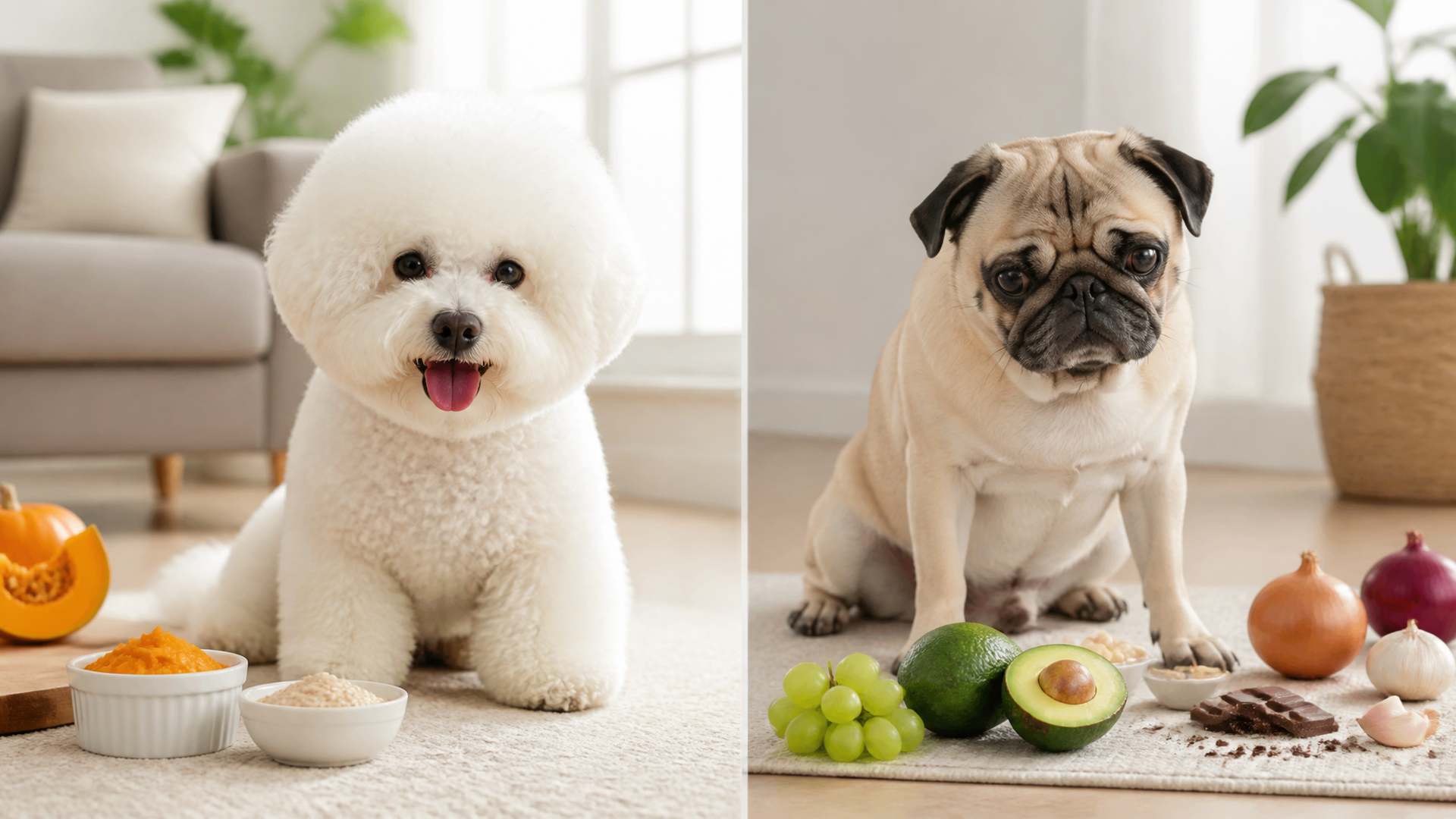
Yes, you can safely give your Bichon Frise 1 teaspoon of 100% canned pumpkin (not pie filling) mixed into their food once or twice daily. Most Bichons respond within 24 hours. If that doesn’t do the trick, try ¼ teaspoon of plain psyllium husk powder stirred into wet food, or a few chopped no-salt canned green beans.

Stop home treatment and call your vet if your Bichon hasn’t pooped in 48 hours, is vomiting, has a swollen or painful belly, seems lethargic, or refuses food for more than one meal. Small breeds dehydrate fast, and a blockage is a genuine emergency.
Safe Remedies That Actually Work for Bichons
Bichons have small, sensitive digestive systems. A remedy that works for a Labrador can overwhelm a 12-pound Bichon. Stick with these proven options and their precise amounts:
| Remedy | How Much for a Bichon | How Often | What Makes It Work |
|---|---|---|---|
| 100% canned pumpkin | 1 teaspoon | 1–2 times daily with food | High soluble fiber + moisture |
| Plain psyllium husk powder | ¼ teaspoon mixed into wet food | Once daily | Must have extra water mixed in |
| No-salt canned green beans | 2–3 beans, chopped fine | Once daily | Adds bulk fiber, low calorie |
| Low-sodium bone broth (no onion/garlic) | 1–2 tablespoons | Once daily | Hydration + gentle GI stimulation |
| Small-breed probiotic | Per package directions | Daily | Restores gut balance long-term |
Important: Add ¼ cup of water to your Bichon’s dry food at every meal while treating constipation. Fiber without extra water makes stool bulkier and harder to pass — the opposite of what you want. This is the most common mistake Bichon owners make.
This article contains affiliate links. If you purchase through them, we may earn a small commission at no extra cost to you.
What NOT to Give a Constipated Bichon
Several home remedies that work for humans or larger dogs can harm a Bichon. Here’s where the recommendation changes based on your dog’s specific situation:
Milk or dairy — Most Bichons are lactose intolerant. It may trigger diarrhea, but the gas and cramping can be painful and make the problem worse. If your Bichon has tolerated dairy before without issues, a tiny amount might help — but for the average Bichon, skip it entirely.
Human laxatives or stool softeners — Miralax, Dulcolax, and mineral oil can cause severe dehydration and electrolyte imbalances in small dogs. There is no safe home dose. A Bichon who gets even a partial adult dose can end up hospitalized. One owner I know of learned this the hard way when a half-teaspoon of a common stool softener sent their 14-pound Bichon into emergency care for two days of IV fluids.
Olive or coconut oil — Even 1 teaspoon can overload a Bichon’s pancreas and trigger pancreatitis. Symptoms include vomiting, severe belly pain, and loss of appetite. This is a common suggestion online, but the risk to small breeds is real and not worth taking.
Enemas or suppositories — These can rupture the intestinal wall in a dog this size. Only a veterinarian should administer these. Never attempt this at home, no matter what you find in online forums.
Why Bichons Get Constipated (and How to Spot the Real Cause)
Bichons tend toward constipation for breed-specific reasons. Before you add fiber, check these factors:
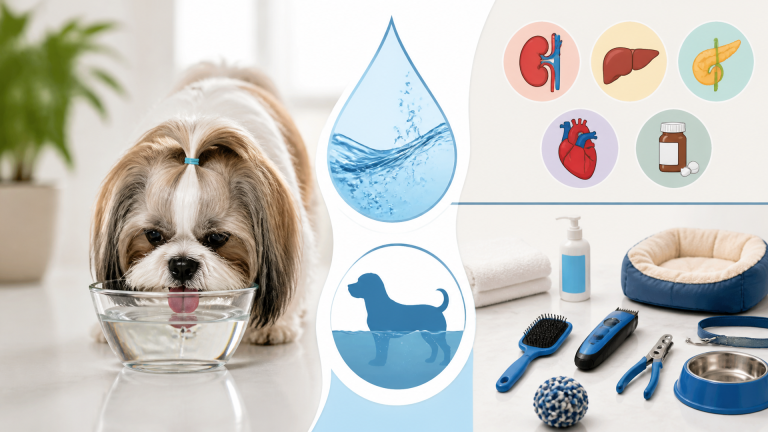
Dehydration is the #1 cause. Bichons are famously picky drinkers, especially if they eat dry kibble. Their stools dry out fast. Quick check: Lift the skin between their shoulder blades. If it doesn’t snap back immediately, they’re dehydrated — treat with water before fiber. A dehydrated Bichon may also have dry gums and sunken eyes. If you see those signs, skip the pumpkin and focus on getting fluids in first.
Small pelvic canal. A Bichon’s compact body leaves less room for stool passage. Even slightly firm stool causes visible straining. This means you need to catch constipation early, before the stool hardens further. A Bichon straining to poop looks distressed — trembling, circling, and crying. That’s the signal to act, not wait and see.
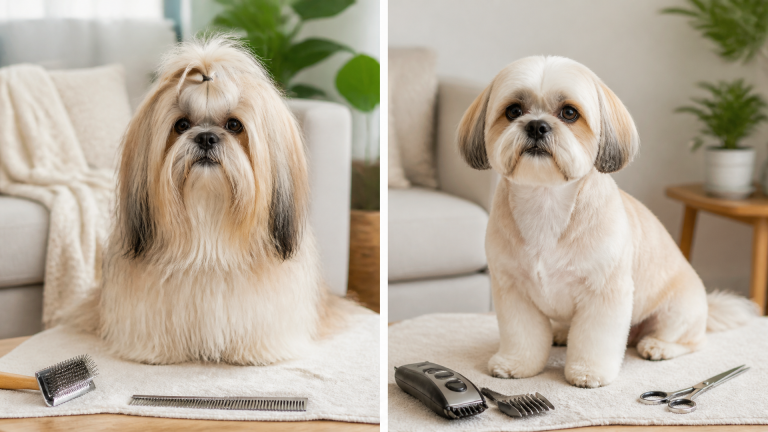
Hair matting around the rear. Long, curly fur around the anus can trap stool or form mats that physically block elimination. This mimics constipation perfectly but has a completely different fix. Check this first: Look at your Bichon’s rear end. If you see matted fur, stuck debris, or a visible hair dam, that’s your problem — not digestion. A sanitary trim every 3–4 weeks prevents this entirely and costs nothing if you do it at home with rounded shears.
Anxiety-related holding. Bichons bond intensely with their owners. Stress from travel, a new schedule, or even a new piece of furniture can make them hold their poop longer than they should. The stool sits in the colon longer, loses moisture, and becomes hard. If your Bichon recently experienced a change in routine and is otherwise healthy, anxiety may be the root cause — not diet.
Expert Tip 1 — Hydration hack: Place a second water bowl in a different room or invest in a pet water fountain. Bichons drink significantly more from moving water. Common mistake: Assuming one bowl of stale water is enough — most Bichons won’t drink it. Change the water twice daily and watch their intake. If you notice less than half the bowl is gone by evening, they’re not drinking enough.
Expert Tip 2 — The rear-end check: Examine your Bichon’s backside every day during constipation episodes. Use a damp cloth to gently clean the area. A sanitary trim every 3–4 weeks prevents external blockage. Common mistake: Treating for internal constipation when matted fur is the actual cause. You’ll add fiber and water while the real problem stays stuck outside. Always check the outside before treating the inside.
Expert Tip 3 — Walk before you supplement: Take your Bichon for a brisk 15-minute walk before reaching for pumpkin. Movement stimulates the colon naturally. Common mistake: Reaching for fiber supplements when a short walk would have solved it. Many owners try three dietary fixes before trying the simplest one. The motion of walking physically moves the digestive tract and can trigger a bowel movement within minutes.
When Home Treatment Stops — Warning Signs
Home remedies only work for mild, occasional constipation. Here’s your decision aid — check each item before continuing home treatment:
- [ ] Has your Bichon gone 48+ hours without a bowel movement?
- [ ] Is your Bichon straining repeatedly with no poop produced?
- [ ] Is your Bichon vomiting (especially after eating or drinking)?
- [ ] Does their belly feel hard, swollen, or tender when you gently press?
- [ ] Are they lethargic or refusing food for more than one meal?
- [ ] Is there blood on the stool or around the anus?
- [ ] Are they crying or yelping when trying to poop?
- [ ] Did they recently swallow a toy, fabric, bone, or corn cob?
If you checked YES to any of these, stop home treatment and call your vet. This isn’t constipation — it could be a partial or complete blockage. For a Bichon’s small body, every hour matters. A blocked intestine can become fatal within 24–48 hours if not treated.
If you checked NO to all of these, continue with pumpkin, extra water, and a sanitary trim. Your Bichon should improve within 24–48 hours. If they don’t, err on the side of caution and schedule a vet visit anyway.
FAQ: Bichon Frise Constipation
Can I give my Bichon pumpkin every day?
Yes. 1 teaspoon of 100% canned pumpkin daily is safe for maintenance. It helps regulate both constipation and diarrhea in small breeds. Just monitor their stool consistency and cut back if they develop loose stools.
How long can a Bichon go without pooping before it’s an emergency?
24 hours with normal behavior is usually fine. 48 hours means contact your vet. Beyond 48 hours, or with any other symptom like vomiting or lethargy, requires immediate veterinary attention. Small dogs deteriorate faster than large breeds.
Will more fiber always help?
No. Too much fiber without enough water makes stool bulkier and harder to pass. Always pair fiber with increased water intake, or you’ll make the problem worse. The ratio matters more than the total fiber amount.
📌 Save This Guide — Constipation in Bichons usually responds to 1 teaspoon of canned pumpkin, extra water in their food, and a quick rear-end check for matted fur. Stick to the safe options listed here, walk before you supplement, and call your vet if home remedies don’t work within 48 hours. Your Bichon’s small size means faster dehydration and higher risk from blockages — catch it early.