Are Bichon Frises Anxious
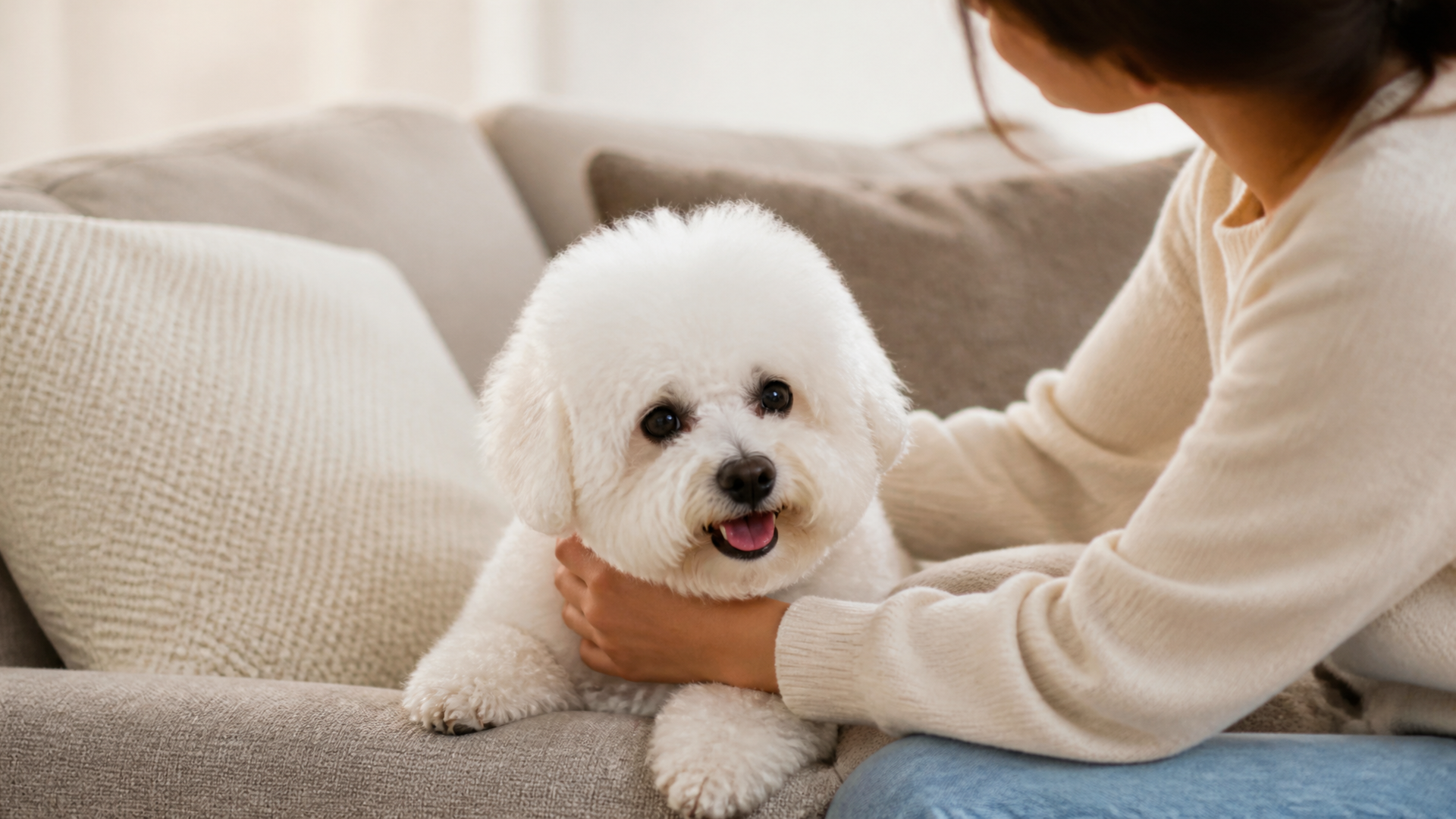
Yes, Bichon Frises are genetically prone to anxiety — especially separation anxiety and noise sensitivity. This isn’t a flaw; it’s a direct result of centuries of breeding them to be constant companion dogs. Their entire history is built on being with their people. When left alone, many Bichons struggle.

The good news? You can manage it. Most Bichons respond well to a structured routine, gentle training, and the right environment. Here’s exactly what to do.
Practical implication for your next decision: If you’re a first-time owner or live in a home where someone is rarely home, a Bichon may not be the right fit unless you’re prepared to invest in daily training, calming aids, and possibly doggy daycare. If you’re already committed, start with the five-step plan below — it works for most Bichons within 4–8 weeks.
Why Bichons Are More Prone to Anxiety Than Other Breeds
Bichon Frises were developed as lapdogs and circus performers — both roles require intense human connection. That wiring comes with a trade-off: they form deep bonds and don’t handle isolation well.
Key breed-specific factors:
- Velcro-dog tendencies – Your Bichon wants to be in the same room, on the same couch, ideally on your lap. That’s normal, but it can tip into distress when you leave.
- Small size, big reactions – A tiny body means a larger stress response. A dropped pan or a thunderclap hits them harder than it would a Lab.
- High intelligence + low independence – They learn fast but lack the “I’m fine alone” switch that more independent breeds have.
- Sensitive to owner’s mood – If you’re stressed, your Bichon mirrors it. That can create a feedback loop of anxiety.
BLOCKQUOTE_0
Applicability boundary: This pattern is strongest in Bichons from pet or show lines. Working-line or field-bred Bichons (rare, but they exist) may be slightly more independent. Puppies under 6 months may also show clinginess that fades with maturation — but true separation anxiety typically emerges after 8–12 months.
Common Anxiety Triggers in Bichon Frises
| Trigger | Why It Hits Bichons Hard | What to Watch For |
|---|---|---|
| Being left alone | Separation distress is breed-typical | Whining, barking, destructive chewing, potty accidents even when housebroken |
| Loud noises (thunder, fireworks, vacuum) | Small size + high-strung nervous system | Hiding, trembling, drooling, frantic pacing |
| Changes in routine | They crave predictability | Refusing food, clinging, sudden house-soiling |
| New people or animals | Not naturally guard-dog confident | Cowering, freezing, lip-licking, whale eye |
| Owner’s stress | Emotional mirroring | Yawning, panting, restless circling while you’re home |
How to Tell If Your Bichon Is Anxious (Signs Most Owners Miss)
Bichons are expressive dogs. But their “cute” behaviors can mask stress. Watch for these subtle signals:
- Lip licking and yawning when not tired or near food – a classic calming signal.
- Excessive grooming – licking paws or flanks until pink or raw is often anxiety, not allergies.
- Sudden clinginess – a normally independent Bichon won’t let you out of sight.
- Refusing treats – a dog that won’t take a high-value treat may be too stressed to eat.
- Hypervigilant ears – ears pinned back or swiveling at every sound, even in quiet.
BLOCKQUOTE_1
5-Step Plan to Reduce Your Bichon’s Anxiety
Step 1: Create a Predictable Daily Schedule
Bichons thrive on routine. Feed, walk, play, and rest at the same times every day. Even weekend schedule shifts can trigger mild anxiety. Consistency is your cheapest, most effective tool.
Step 2: Practice Short, Quiet Departures
Don’t make a big deal of leaving or returning. Put on your shoes, grab keys, step out for 30 seconds, then re-enter calmly. Gradually work up to 5, 10, then 30 minutes. This desensitizes them to departure cues.
Common mistake: Skipping the gradual build-up and jumping to a full workday. That reinforces panic.
Step 3: Give Them a “Job” While You’re Gone
Bichons want to feel useful. A stuffed Kong or a food puzzle (like a snuffle mat) keeps their brain occupied. Freeze peanut butter or wet food inside for a longer challenge.
- Product suggestion: West Paw Toppl or KONG Classic Small – fill with yogurt, banana, or canned pumpkin. Freeze overnight for a 30-minute distraction.
- Affiliate disclosure: We may earn a commission if you purchase through links in this article, at no extra cost to you.
Trade-off warning: Don’t over-fill treats every day or your Bichon may gain weight. Use low-calorie fillers like green beans or plain pumpkin. Rotate puzzle types to prevent boredom.
Step 4: Use a Calming Wrap or Thundershirt
Pressure wraps mimic swaddling and can lower heart rate in many Bichons. Put it on 15 minutes before a known trigger (fireworks, vet visit, departure).
Common mistake: Putting it on only during high stress. It works better when introduced calmly first. Also avoid leaving it on for more than 4 hours — overheating can occur in warm weather.
Step 5: Set Up a “Safe Zone”
Bichons feel more secure in a small, den-like space. A covered crate with a soft bed, a white noise machine, and a pheromone diffuser (like Adaptil) can signal safety. Never use the crate as punishment.
Quick Checklist: Is Your Bichon Stressed or Just Comfortable?
Use this decision aid when you’re unsure. Each item is a pass/fail check.
- [ ] Eating normally? (Refusing food = possible anxiety)
- [ ] Tail relaxed and slightly down, not tucked? (Tucked tail = stress)
- [ ] Sleeping with eyes fully closed, not one-eyed “hovering”?
- [ ] Willing to take a treat from your hand without hesitation?
- [ ] Ears soft and neutral, not flattened or stiffly back?
- [ ] Body loose, not tense or trembling?
4+ yes = likely calm. 3 or fewer yes = investigate triggers and adjust.
If you see 2 or fewer yes consistently, it’s time to talk to your vet about a behavior plan or medication options.
Expert Tips for a Calmer Bichon Frise
Tip 1: Ditch the Dramatic Goodbye
Common mistake: Coddling your Bichon before you leave (“It’s okay, baby, Mommy will be right back”). That cues them to be anxious. Instead, act neutral. No eye contact, no soothing voice. Leave like it’s no big deal.
Actionable step: Practice 10 departures per day where you grab keys, walk out the door, and return within 60 seconds without acknowledging your dog.
Tip 2: Address Owner Anxiety First
Common mistake: Trying to treat the dog without looking in the mirror. If you’re stressed about leaving them, they feel it. Work on your own pre-departure calm.
Actionable step: Before you leave, do 5 minutes of deep breathing or a short walk alone. Enter the room calmly, then exit.
Tip 3: Use “Scent Soothers” Strategically
Bichons rely heavily on smell. A worn T-shirt in their crate (your scent) can lower stress. But don’t use it for separation anxiety training if you’re trying to teach independence — save it only for acute triggers like fireworks.
Actionable step: Keep one piece of unwashed clothing in a sealed bag. On stormy days, toss it in their safe zone.
When to Call the Vet
These signs mean it’s time for professional help:
- Destructive behavior lasting more than 15 minutes after you leave
- Self-harm (licking spots raw, pulling fur)
- Vomiting or diarrhea from stress
- Not eating for 24+ hours
- Aggression when you try to leave
A veterinarian can rule out medical causes and may recommend behavior modification with a certified trainer or anti-anxiety medication. There’s no shame in medication — it can be the bridge that makes training effective.
Save This Guide
Key takeaway: Bichon Frises are wired for connection, not solitude. Their anxiety isn’t a training failure — it’s a breed trait. With a predictable schedule, gradual departure training, and calming aids, most Bichons learn to settle within 4–8 weeks. Start with one or two steps from the plan above, and build from there.
This guide is based on breed-specific research and owner experience. Check with your vet before starting any new anxiety management routine.