Blue Sphynx: Guide: What Every Owner Should Know
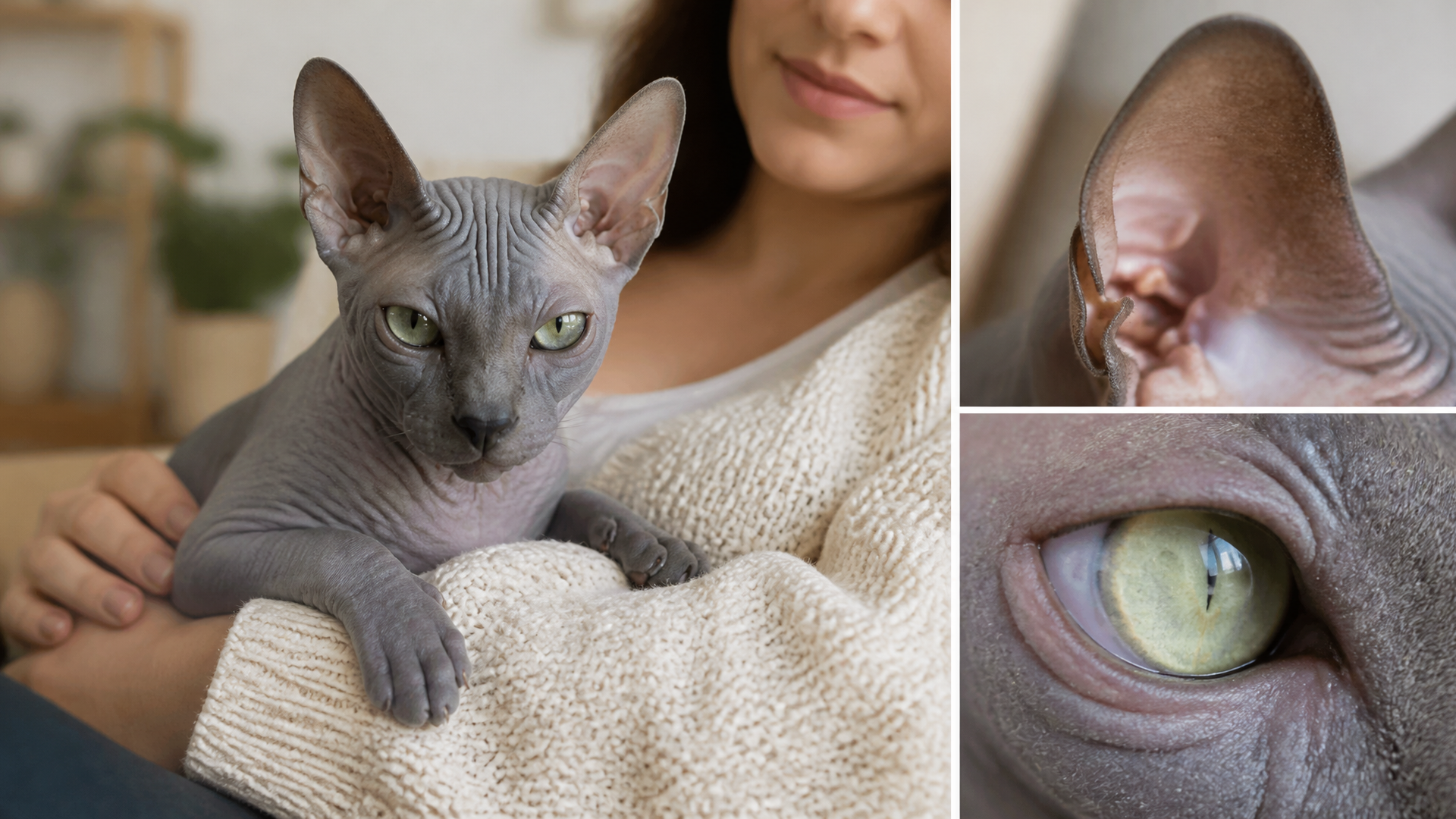
If you’re looking at a blue Sphynx, you’ve found one of the most striking color variations of this already unique breed. That slate-gray to silvery-blue skin comes from a dilute gene that softens the black pigment. But don’t let the lack of fur fool you — these cats need more hands-on care than most hairy breeds. Here’s exactly what you need to know to keep your blue Sphynx healthy, clean, and comfortable.

What Is a Blue Sphynx?
A blue Sphynx isn’t a separate breed — it’s a Sphynx cat with a dilute black coat. Instead of black skin, the cat shows a soft gray-blue (the “blue” color seen in many cat breeds like the Russian Blue or British Shorthair). The skin is the same hairless texture as any other Sphynx; only the pigment differs. The blue color can be solid or appear in patterns like bi-color, pointed, or tabby.
Blue Sphynx cats are relatively rare compared to standard black or white Sphynx, so they often fetch higher prices from breeders. If you’re looking for one, expect to wait or pay a premium — but the care is identical to any other Sphynx.
What This Means for Your Next Decision
Before you commit to a blue Sphynx, know this: the color difference doesn’t affect care, but it does affect availability and cost. If you’re on a tight budget or timeline, consider a non-blue Sphynx — the grooming, health, and personality are exactly the same, and you’ll likely pay less. If you’re set on blue, start contacting breeders early and ask about HCM screening on both parents. A healthy cat matters more than the shade of its skin.
Blue Sphynx: Guide: What Every Owner Should Know Color Genetics (The Quick Version)
The blue color happens when a cat inherits two copies of the dilute gene (dd). This gene “dilutes” black to blue, chocolate to lilac, cinnamon to fawn, and red to cream. For Sphynx, the most common dilute is blue and cream. The skin itself still produces pigment — it’s just a lighter shade. The eyes often shift to a golden or green tone that stands out beautifully against the cool skin.
No special health issues are linked to the blue color itself. The same genetic health screenings recommended for all Sphynx apply.
How to Verify Your Cat Is Truly Blue
If you’re buying from a breeder, ask for a color description on the registration papers (TICA or CFA). You can also look at the kitten’s parents: if both are black or one is blue, the gene might be carried. A simple way to check at home: compare the skin tone to known blue cats online or to a color chart from a cat breed guide. True blue Sphynx have a consistent slate-gray hue, not a patchy mix. If you suspect a color fault (like patches of brown), it could be a different dilute (chocolate) — not a true blue.
Caring for a Blue Sphynx
Because Sphynx have no fur, their skin acts like a sponge. Without fur to absorb and wick away oils, the oil builds up on the skin. That means regular bathing — more than you’d expect for a cat.
Bathing & Skin Care
How often: Every 1 to 2 weeks for most cats. Some produce more oil and need weekly baths; others can go 3 weeks. Rub your hand over the skin — if it feels greasy or leaves a residue on your fingers, it’s bath time.
What to use: Warm water (around 100°F) and a gentle, hypoallergenic cat shampoo. Avoid human shampoos or harsh detergents. Some owners use a tiny amount of coconut oil after the bath to prevent dryness — but test on a small patch first.
Expert tip #1:
Actionable step: Use a damp, warm washcloth to wipe down your Sphynx between baths — especially around the chin, ear folds, and toes where oil collects fastest.
Common mistake: Skipping the wipe-down and letting oil build up leads to blackheads and skin infections. Wipe every 2–3 days even if you don’t bathe.
Sun Protection
Hairless skin burns easily — even through windows. Blue Sphynx are especially at risk because lighter skin has less natural melanin protection. If your cat likes sunbathing in a window or spends time outside on a harness, apply a pet-safe sunscreen (SPF 15–30) to the ears, nose, and any exposed skin. Avoid zinc oxide — it’s toxic to cats if licked.
Expert tip #2:
Actionable step: Put up a sheer curtain or UV-blocking film on windows where your cat lounges during peak sun hours (10 a.m. to 4 p.m.).
Common mistake: Assuming a Sphynx can’t get sunburned because it’s indoors. UV rays penetrate glass, and even 15 minutes of direct sun can cause a burn.
A real trade-off to consider: Sunscreen and curtains reduce sunburn risk, but some cats hate the feel of sunscreen or won’t tolerate restricted window access. If your cat fights application, try a UV-blocking window film instead — it’s permanent and doesn’t require daily reapplication. Test a small section first to ensure the film doesn’t reduce visibility too much.
Temperature Comfort
Sphynx don’t have fur to retain heat. They need a warm environment — ideally 70–75°F. In winter, provide heated cat beds, warming pads, or extra blankets. In summer, keep the house cool but avoid drafts. A micro-fleece sweater or jacket can help if your cat tolerates clothing. Start slowly with short wear times.
Expert tip #3:
Actionable step: Offer multiple warm spots — a heated cat bed in the living room and another in the bedroom — so your cat can self-regulate.
Common mistake: Dressing a Sphynx in a sweater 24/7. Cats need bare skin time to regulate temperature and oil production. Limit clothing to a few hours at a time.
Health Concerns in Blue Sphynx Cats
The blue color itself doesn’t cause health problems, but Sphynx as a breed have unique needs:
- Hypertrophic cardiomyopathy (HCM): The most common heart disease in cats, and Sphynx have a higher risk. Ask the breeder for HCM screening results (echocardiogram) on both parents.
- Respiratory infections: Without eyelashes and with a short skull shape, some Sphynx have tear staining and frequent sneezing. Wipe eyes daily with a soft, damp cloth.
- Skin infections: Yeast and bacteria thrive in the skin folds. Watch for redness, odor, or flaky patches. If you see any, see the vet — it’s likely treatable with a medicated wipe or scrub.
Essential Products for Your Blue Sphynx
Affiliate Disclosure: Some links below are affiliate links. If you buy through them, we may earn a small commission at no extra cost to you.
- Hypoallergenic cat shampoo: Look for something like Earthbath All-Natural Shampoo (unscented or oatmeal) — gentle enough for weekly use.
- Pet-safe sunscreen: Epi-Pet Sun Protector for Pets (SPF 15) or a similar dog/cat sunblock. Avoid human formulas.
- Heated cat bed: The K&H Pet Products Thermo-Kitty Bed is a top choice — self-warming or plug-in.
- Soft microfiber towels: Sphynx dry quickly, but a dedicated “cat towel” helps. Avoid terry cloth — it snags on their skin.
- Humidifier (optional): If your home is dry, a humidifier helps prevent dry, flaky skin.
Blue Sphynx: Guide: What Every Owner Should Know Daily/Weekly Care Checklist
Use this quick check to stay on top of your cat’s needs. If any item isn’t met, take action that day.
- [ ] Ears cleaned — Look for wax buildup; clean with a vet-approved ear wipe once a week.
- [ ] Nails trimmed — Every 10–14 days. If you hear clicking on floors, they’re too long.
- [ ] Bath scheduled — Mark the next bath on your calendar. If it’s been more than 2 weeks, plan it.
- [ ] Sunburn check — Feel the ears and nose for heat or redness. If present, apply sunscreen.
- [ ] Skin fold inspection — Lift chin, armpit, and groin folds. Any red, smelly, or oozy spot needs a vet visit.
- [ ] Vet appointment pending — Annual checkup and HCM screening if your cat is over 2 years old.
Blue Sphynx: Guide: What Every Owner Should Know vs. Other Hairless Cat Breeds
| Feature | Blue Sphynx | Donskoy (Don Sphynx) | Peterbald |
|---|---|---|---|
| Coat type | No fur, skin only | Can be completely bald or have a fine down (rubber bald) | Often has a thin, short coat or no fur |
| Color patterns | All colors, including blue | All colors | All colors |
| Temperament | Outgoing, social, dog-like | Affectionate, loyal | Intelligent, active |
| Grooming needs | Weekly baths + daily wipe-downs | Similar, but some types have more oil | Variable; depends on coat type |
| Common health issues | HCM, skin infections, respiratory | Skin issues, dental problems | Gum disease, skin sensitivity |
Bottom line for blue Sphynx owners: No matter the color, Sphynx care is the same. The blue is a visual bonus — enjoy it, but don’t change your routine.
Save this guide — you’ll refer back to the bath schedule and checklist often. A well-cared-for blue Sphynx lives 8–14 years and is a loyal, warm, and entertaining companion. The extra effort in grooming and temperature management is worth every minute of cuddles.