Beagle et Allergie: Warning Signs & What To Do
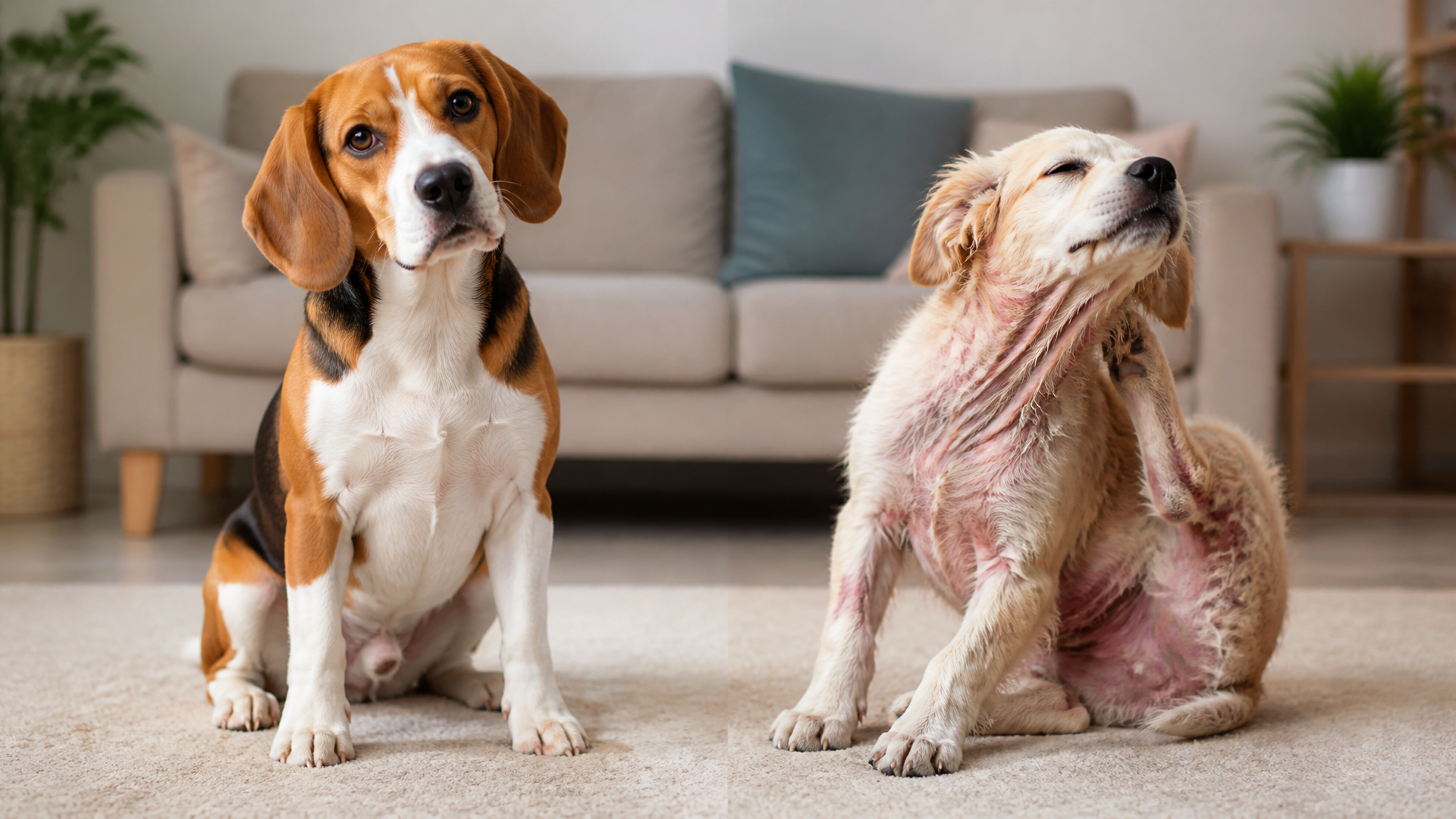
Is your Beagle scratching, licking paws, or shaking their head constantly? Here’s the short answer: Beagles are prone to both food and environmental allergies, with chicken and beef being the most common food triggers. Start by looking for these seven specific warning signs, then follow the four-step action plan below. This guide gives you breed-specific strategies, including three expert tips that most generic articles skip entirely.

Is It an Allergy? Look for These 7 Signs in Your Beagle
Beagles have distinct allergy symptoms due to their short coats, floppy ears, and sensitive GI tracts. The table below lists the most common warning signs and how they specifically show up in Beagles.
| Warning Sign | What It Looks Like in a Beagle |
|---|---|
| Constant paw licking | Licks between toes and pads until fur turns rusty brown from saliva stains |
| Recurring ear infections | Head shaking, yeasty smell, dark discharge — Beagles’ floppy ears trap moisture |
| Hot spots | Red, weeping patches on belly, inner thighs, or armpits |
| Face rubbing | Rubbing muzzle on carpet or furniture after meals |
| Hair thinning | Bare patches on flanks or tail (not normal seasonal shedding) |
| Chronic gas or loose stools | Beagles are naturally gassy, but persistent diarrhea signals a food issue |
| Red, inflamed belly skin | Visible on belly and groin where fur is thinnest |
When this changes: If symptoms are seasonal (worse in spring or fall), you’re likely dealing with environmental allergies. Year-round itching plus digestive issues points to a food allergy. If your Beagle has open sores or bleeding skin, skip the home steps and go straight to the vet.
The Counter-Intuitive Truth Most Articles Miss
Here’s what makes Beagles different: their legendary food drive works against them. They’ll eat anything — table scraps, dropped crumbs, mystery objects on walks — and their sensitive digestive systems often react to proteins they’ve eaten daily for years. Chicken is the #1 trigger in Beagles, followed by beef, dairy, corn, and wheat. Rotating proteins every 3 to 4 months can actually prevent these allergies from developing in the first place.
What this means for you: If your Beagle has been eating the same chicken-based kibble since puppyhood, switching to a novel protein (venison, duck, rabbit, or kangaroo) is your first and most effective move. Don’t waste money on “grain-free” versions of the same chicken food — you need to change the protein source, not just the filler.
Your Step-by-Step Plan to Confirm and Treat Beagle Allergies
Early Checks Before You Start
Rule out the easy stuff first. Treat for fleas year-round with a prescription prevention — Beagles are highly sensitive to flea saliva, and a single bite can trigger weeks of itching. Check ears weekly: if they’re dirty but the skin is clear, your problem may be ear-specific rather than a full-body allergy.
The Elimination Diet (8 to 12 Weeks)
Follow these steps carefully to identify your Beagle’s trigger protein.
1. Pick one novel protein and one carb source. Examples: venison and potato, duck and pea, rabbit and sweet potato. No chicken, beef, dairy, wheat, corn, or soy.
2. Feed ONLY that food for 8 to 12 weeks. No treats, no chews, no table food, no flavored medications. This includes no bully sticks, no dental chews, and no peanut butter Kongs.
3. Prevent scavenging. Beagles are masters at sneaking other pets’ food and finding crumbs on walks. Your elimination diet isn’t working if your Beagle is getting into the cat’s bowl. Use a slow feeder bowl to reduce gulping and make it easier to spot adverse reactions.
4. Track symptoms weekly. Take photos of skin, note scratching frequency, and monitor stool consistency. If symptoms improve by week 8, you’ve confirmed a food allergy.
When to escalate: If your Beagle has open sores, hair loss spreading beyond one area, or weight loss despite a normal appetite, stop the home trial and see the vet immediately.
What Can Go Wrong and How to Avoid It
The trade-off: Elimination diets are strict and frustrating. Many owners give up after 2 to 3 weeks because they don’t see immediate results. The reality is that it takes 8 weeks for skin to fully clear after removing the trigger protein. If you cheat even once, you reset the clock.
The mismatch: Antihistamines like Benadryl often don’t work well for Beagles despite being cheap and easy. Beagles frequently need higher doses (consult your vet) or prescription options like Apoquel or Cytopoint. Don’t assume over-the-counter solutions will fix a moderate to severe allergy.
3 Beagle-Specific Expert Tips
Tip 1: Prevent Ear Infections Before They Start
Actionable step: Clean your Beagle’s ears once weekly with a vet-recommended ear cleaner and a cotton ball. Never use Q-tips — they push debris deeper.
Common mistake: Waiting until the ears smell or your dog is head-shaking. By then, the infection is established. Beagles’ floppy ears need proactive care, not reactive treatment.
Tip 2: Use a Slow Feeder for Food Allergy Dogs
Actionable step: Feed all meals from a slow feeder bowl or snuffle mat to reduce gulping and improve digestion. Slower eating also helps you monitor for adverse reactions.
Common mistake: Assuming an elimination diet means just switching brands. Beagles are masters at scavenging during walks and from other pets’ bowls. Your elimination diet isn’t working if your Beagle is sneaking cat food.
Tip 3: Rotate Proteins Before Allergies Develop
Actionable step: Change your Beagle’s protein source every 3 to 4 months, even if they’re not showing symptoms. Cycle between fish, lamb, venison, and duck.
Common mistake: Feeding the same chicken-based kibble from puppyhood through senior years. Beagles develop allergies to proteins they’ve been overexposed to. Rotating prevents that sensitization.
Immediate Relief You Can Start Today
Try these four steps while you set up an elimination diet or wait for a vet appointment.
1. Wipe paws and belly after every walk using hypoallergenic pet wipes. This removes pollen and grass before it soaks into the skin.
2. Switch to a limited-ingredient diet — even before the elimination diet officially starts. Look for a food with one protein and one carb.
3. Bathe with colloidal oatmeal shampoo once a week to soothe inflamed skin. Beagles have short coats, so over-bathing won’t strip oils as badly as with double-coated breeds.
4. Add an omega-3 supplement (fish oil) to reduce inflammation. Beagles respond well to 500 to 1000 mg daily for a 25 to 30 lb dog — confirm with your vet first.
Long-Term Management Options
For food allergies: Commit to a novel or hydrolyzed protein diet permanently. Read every ingredient label — Beagles are small enough that trace amounts trigger reactions. Use single-ingredient treats like freeze-dried liver or dehydrated sweet potato.
For environmental allergies: Run a HEPA air purifier in rooms your Beagle frequents. Wash bedding weekly in hot water (130°F minimum). Wipe down floors with a damp mop daily during peak pollen season.
For flea allergies: Use year-round prescription flea prevention (not over-the-counter). Treat all pets in the household simultaneously. Vacuum carpets and wash bedding weekly.
Vet-supported options: Apoquel or Cytopoint for moderate to severe environmental allergies. Allergy shots (immunotherapy) work for 70 to 80 percent of Beagles but take 6 to 12 months to reach full effect.
Save This Guide: Beagle Allergy Quick-Reference Checklist
Daily:
- Wipe paws and belly after walks
- Check ears for redness or odor
- Monitor stool consistency
Weekly:
- Bathe with oatmeal shampoo if itching
- Clean ears with vet-approved solution
- Wash bedding in hot water
Monthly:
- Apply flea prevention (year-round)
- Check skin for new hot spots or thinning fur
Seasonally:
- Rotate protein source in food
- Increase bathing during high pollen seasons
When to call the vet:
- Open sores or bleeding skin
- Hair loss spreading beyond one patch
- Weight loss with normal appetite
- Ear infections that don’t clear with cleaning
Bottom line: Beagles are more likely to develop food allergies than environmental ones, and their love of eating makes them particularly vulnerable. Start with a strict elimination diet using a novel protein, manage environmental triggers with daily wiping and weekly baths, and keep those floppy ears clean. Most Beagle allergies can be managed at home — but don’t wait until your dog has open sores to ask for help.
This guide includes affiliate links. If you purchase through these links, we may earn a small commission at no extra cost to you.