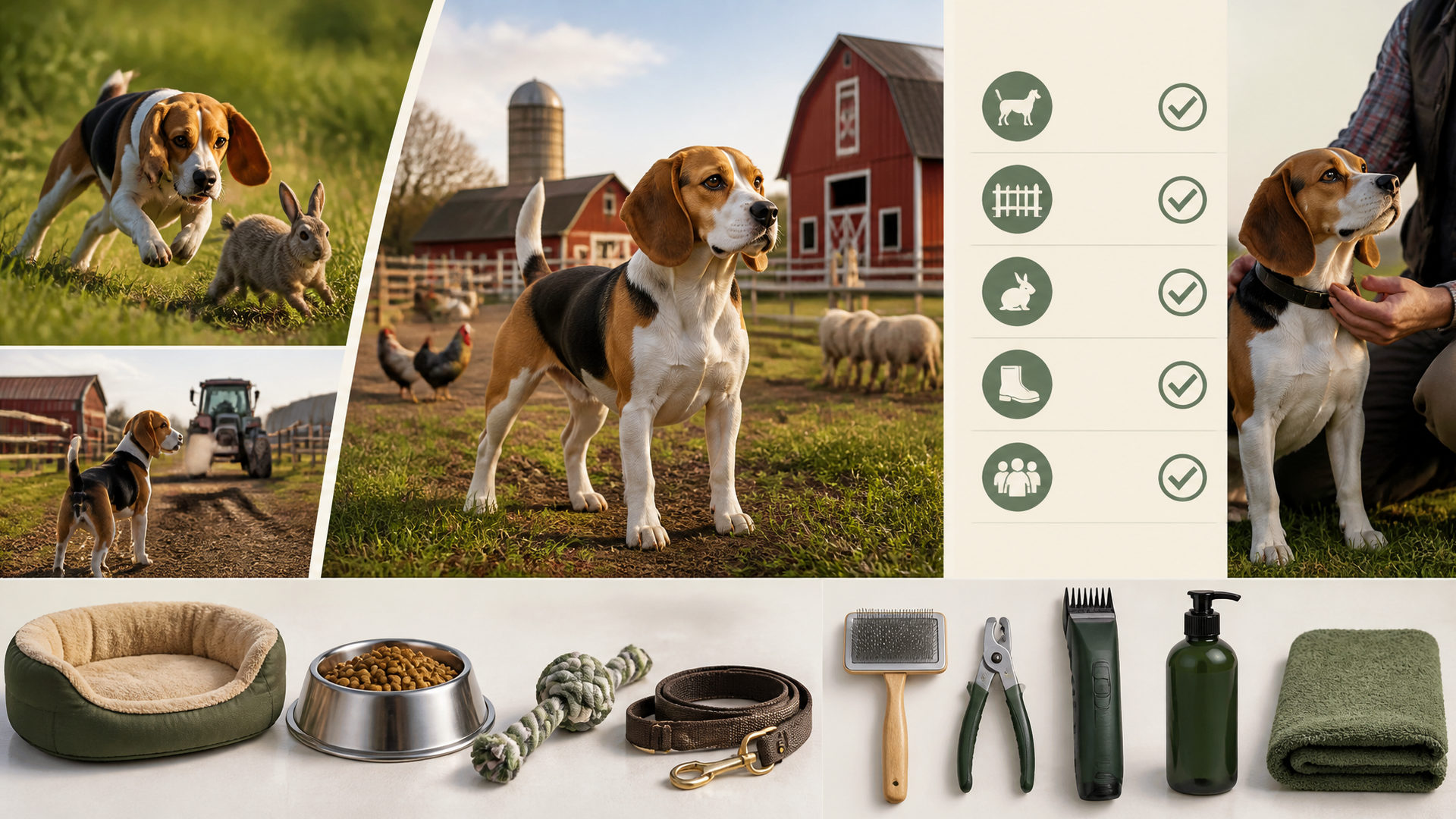
Beagles as Farm Dogs: Pros and Cons
Beagles have long been cherished for their friendly demeanor and keen hunting instincts, raising the question of whether they make good farm dogs. As versatile companions, these breeds exhibit several traits that can be beneficial in a rural setting, including their sociability and energetic nature. However, potential challenges, such as their stubbornness and strong prey drive, must also be considered when evaluating their suitability for farm life. This article will explore the various advantages and disadvantages of having beagles as farm dogs, focusing on their unique characteristics and care needs. Ultimately, understanding both the pros and cons will help prospective owners make informed decisions about integrating beagles into their agricultural environments.
Free Dog Training Workshop
Learn the secret methods that service dog trainers use to housebreak dogs in under 2 weeks.
k9ti.org
Benefits of Beagles on the Farm
Beagles offer a multitude of advantages when utilized on farms, enhancing both productivity and companionship. Their natural instincts and abilities make them valuable assets in various farming tasks. As we explore the specific benefits of Beagles on the farm, we will consider their excellent hunting skills, strong sense of smell, friendly demeanor, and low maintenance requirements.
Excellent Hunting Skills
The excellent hunting skills of this breed contribute significantly to pest control and game management on farms, ensuring a balanced ecosystem. Beagles are adept at tracking and locating small game, which helps maintain wildlife populations and prevents overpopulation of pests. Their agility and keen instincts allow them to navigate various terrains efficiently while hunting. Additionally, their presence can deter rodents and other unwanted animals, further enhancing farm productivity. This breed’s hunting prowess is closely linked to their strong sense of smell, which plays a crucial role in their tracking abilities.
Strong Sense of Smell
A strong sense of smell enables Beagles to detect various scents with remarkable accuracy, making them invaluable for tasks such as tracking and locating missing animals on a farm. Their olfactory capabilities allow them to identify the presence of pests or predators, thereby protecting livestock and crops. Beagles can also assist in search-and-rescue operations, efficiently finding lost animals or even humans in challenging environments. This heightened sense of smell contributes to their effectiveness in hunting small game, which can help manage populations of pests that may threaten farm productivity. Overall, their exceptional scent detection skills enhance the operational efficiency of farming practices.
Friendly Farm Companions
Friendly farm companions play a crucial role in fostering a positive and engaging environment, not only for the farmers but also for the livestock. Beagles, with their gentle temperament, contribute to a harmonious atmosphere on the farm. Their playful nature encourages interaction, which can alleviate stress for both humans and animals alike. Additionally, Beagles can help in socializing livestock, promoting better behavior and cooperation among them. Ultimately, these friendly companions enhance the overall well-being of the farm ecosystem.
Low Maintenance Requirements
Low maintenance requirements make certain dog breeds particularly suitable for farm environments, allowing farmers to focus on their primary tasks without the burden of extensive care routines. Beagles, in particular, are known for their relatively easy grooming needs and adaptability to outdoor living. Their robust nature means they can thrive in various weather conditions, further reducing the demands placed on their owners. Additionally, their independent yet affectionate disposition means they can manage well on their own while still enjoying companionship with the family. This balance sets the stage for discussing the importance of socialization and family interaction in maximizing their potential as effective farm dogs.
Socialization and Family Interaction
Socialization and family interaction are pivotal elements in integrating Beagles into farm life, enhancing both their well-being and the familial experience. The dynamic nature of Beagles fosters opportunities for family bonding, allowing for shared activities that strengthen relationships. Furthermore, their playful demeanor encourages positive interactions, particularly with children, while also necessitating effective management of their social behavior.
Importance of Socialization
Importance of socialization cannot be overstated, as it significantly contributes to a Beagle’s adaptability and overall happiness in diverse environments. Regular exposure to various people, animals, and settings helps develop a Beagle’s confidence and reduces anxiety. Socialized Beagles are more likely to display positive behaviors, making them easier to integrate into family activities and farm operations. Additionally, effective socialization can mitigate potential behavioral issues, such as excessive barking or separation anxiety. Ultimately, a well-socialized Beagle enhances the quality of life for both the dog and its human companions.
Family Bonding Activities
Family bonding activities can significantly enhance the relationship between Beagles and their owners, creating lasting memories through shared experiences and engagement. Engaging in outdoor activities such as hiking or playing fetch not only promotes physical health but also fosters a sense of companionship. Additionally, training sessions can serve as a productive way to reinforce obedience while simultaneously strengthening the bond between the dog and its owner. Such interactions can also help to cultivate a harmonious environment, ensuring that Beagles feel valued and included in family dynamics. This positive atmosphere paves the way for meaningful interactions with children, further enriching the family experience.
Interaction with Children
Interaction with children can significantly enrich the experience of raising Beagles, as these dogs often exhibit a natural affinity for playful engagement and companionship. Beagles thrive in environments where they can participate in family activities, making them ideal companions for children. Their gentle and affectionate nature encourages trust and emotional connections, fostering a harmonious atmosphere within the family. However, supervision is essential to ensure safe and respectful interactions, as Beagles can sometimes exhibit exuberant behaviors. Ultimately, the interplay between Beagles and children can nurture lifelong bonds and create lasting memories.
Managing Social Behavior
Effective management of a Beagle’s social behavior is essential to ensure harmonious coexistence within a multi-species environment, particularly on a farm setting. This involves establishing clear boundaries and guidelines for interactions with other animals and family members. Consistent training and socialization practices are critical to mitigate potential conflicts and promote positive behaviors. Additionally, understanding the Beagle’s inherent traits can aid in fostering a cooperative environment. As we explore their specialized skills, it is important to consider their tracking and hunting abilities that further contribute to their role on the farm.
Tracking and Hunting Abilities
Beagles possess remarkable tracking and hunting abilities that make them invaluable as farm dogs. Their innate instincts and skills enhance their effectiveness in various hunting scenarios, establishing them as reliable companions for farmers and hunters alike. Understanding these capabilities is essential when considering the pros and cons of their role in agricultural environments.
Natural Tracking Instincts
Natural tracking instincts are inherent in certain breeds, enabling them to excel in locating scents and following trails with remarkable precision. Beagles, with their exceptional olfactory capabilities, can detect a wide range of scents, making them excellent trackers in agricultural settings. Their keen sense of smell allows them to assist in locating lost livestock or identifying potential threats to crops. This natural ability not only enhances their utility on farms but also contributes to effective pest control. Consequently, beagles serve as an essential asset in maintaining the overall health and productivity of agricultural operations.
Effective Hunting Companions
The unique combination of keen senses and unwavering determination positions these dogs as exceptional hunting companions in various terrains. Their ability to track scents over long distances empowers farmers to locate game effectively, ensuring successful hunts. Beagles’ agility and stamina allow them to navigate challenging environments, making them adaptable to different hunting conditions. Furthermore, their friendly disposition fosters a strong bond with handlers, enhancing teamwork during hunting expeditions. To maximize their potential as hunting partners, proper training is essential for achieving success in the field.
Training for Success
Training for success is crucial to maximizing the potential of working dogs in agricultural settings. Proper training not only enhances their natural abilities but also fosters a strong bond between the dog and handler. Consistent reinforcement of commands and skills ensures that beagles remain focused and effective in their roles. Additionally, specialized training tailored to specific tasks can significantly improve their performance on the farm. As their effectiveness relies heavily on their physical and mental well-being, it is essential to consider their exercise and activity levels.
Exercise and Activity Levels
Exercise and activity levels are critical components in determining the overall well-being and functionality of Beagles as farm dogs. Understanding their specific needs in terms of daily exercise, ideal activity levels, and opportunities for play and engagement is essential for optimal care. Additionally, recognizing their requirements for outdoor exploration can significantly enhance their health and happiness in a farm environment.
Daily Exercise Requirements
Daily exercise requirements for Beagles necessitate a structured routine that balances physical activity with mental stimulation to ensure their overall health and prevent behavioral issues. Regular walks, playtime, and interactive games are essential to meet their energetic needs. Incorporating varied activities not only promotes physical fitness but also engages their keen sense of smell and curiosity. A consistent schedule helps establish a sense of security and predictability for these dogs. Understanding these daily exercise needs will lead us to explore the ideal activity levels that Beagles should maintain for optimal performance and well-being.
Ideal Activity Levels
Ideal activity levels for Beagles on a farm should balance physical exertion with mental stimulation to promote overall health and prevent behavioral issues. Regular exercise, such as walking, running, or engaging in structured play, is essential for maintaining their physical fitness. Additionally, opportunities for scent work and problem-solving activities can enhance their mental well-being. It is crucial to provide an environment that encourages exploration, as Beagles are naturally curious and energetic. This leads to the importance of integrating playtime and engagement to further enrich their daily experiences.
Playtime and Engagement
Playtime and engagement serve as vital avenues for Beagles to express their natural instincts while also fostering strong bonds with their handlers in a farm setting. Regular interactive activities can enhance their physical fitness while providing mental stimulation essential for their overall health. Engaging in structured play helps to channel their energy constructively, mitigating potential behavioral issues associated with boredom. Social interactions during playtime can also reinforce their adaptability to the farm environment and other animals. Ultimately, purposeful engagement is key to maintaining a harmonious relationship between Beagles and their human counterparts on the farm.
Outdoor Exploration Needs
Outdoor exploration needs for Beagles as farm dogs encompass a variety of physical and mental stimulation opportunities that are vital for their overall health and well-being. These dogs thrive in environments where they can roam freely, engage their senses, and explore diverse terrains. Regular access to open spaces allows Beagles to exercise their natural instincts, such as tracking and hunting, which contribute to their happiness. Additionally, incorporating activities like agility training or scent work can further enrich their outdoor experiences. Ultimately, fulfilling these exploration needs supports their physical fitness and mental sharpness, making them more effective and content farm dogs.
Challenges of Stubbornness
Stubbornness can present significant challenges in training and managing beagles, particularly when they are employed as farm dogs. Their independent nature often leads to difficulties in following commands and adhering to training protocols. Consequently, owners must be prepared to invest time and patience to achieve consistent and effective results.
Training Difficulties with Beagles
Training difficulties with beagles often stem from their strong-willed demeanor, which can impede the learning process and complicate obedience efforts. This inherent stubbornness can result in inconsistent responses to commands, making it challenging to establish a reliable training routine. Additionally, beagles possess a keen sense of smell that may distract them, diverting their attention away from training sessions. Effective training often requires innovative approaches tailored to their unique personality traits, emphasizing positive reinforcement and patience. Ultimately, a thorough understanding of these challenges is essential for successful training outcomes with beagles.
Managing Independent Behavior
Managing independent behavior in beagles requires a strategic approach that balances guidance with the acknowledgment of their natural instincts. Implementing consistent training methods and positive reinforcement can help foster cooperation. Additionally, providing mental stimulation through interactive toys and activities can cater to their inquisitive nature. Establishing a routine can also enhance their responsiveness and reduce stubborn tendencies. Ultimately, patience and persistence are key in managing their independent behavior effectively.
Consistency in Commands Needed
Consistency in commands is essential for effectively guiding beagles, as it helps reinforce desired behaviors and fosters a clearer understanding of expectations. When commands are delivered uniformly, beagles are more likely to respond positively, reducing confusion and enhancing their learning process. Inconsistencies can lead to frustration for both the handler and the dog, making training sessions less productive. Establishing a consistent command system not only aids in obedience but also strengthens the bond between the beagle and its owner. This foundation of consistency ultimately sets the stage for the patience required for progress.
Patience Required for Progress
Patience is essential for fostering progress in beagle training, as the breed’s independent tendencies require a thoughtful and measured approach to achieve desired outcomes. Training sessions should be consistent and devoid of frustration, allowing beagles to learn at their own pace. Positive reinforcement techniques can further enhance the training process, encouraging beagles to respond favorably over time. Building a trusting relationship between the handler and the dog is crucial, as it fosters an environment conducive to learning. Understanding the beagle’s unique traits also leads to a greater appreciation of their prey drive and the potential risks that may arise in various situations.
Prey Drive and Potential Risks
The concept of prey drive is integral to understanding the behavior of beagles, particularly in a farm setting. While their instinctual tendencies can be advantageous, they also introduce potential risks, especially concerning small animals. Addressing these challenges requires careful consideration of training and management strategies to ensure a harmonious environment.
Understanding Prey Drive
Understanding prey drive in beagles is crucial for effectively navigating their natural instincts while minimizing potential conflicts in diverse environments. This instinctual behavior is rooted in their hunting ancestry, making them predisposed to chase and capture small animals. Consequently, farm settings can pose challenges, particularly with livestock and other pets that may trigger their predatory response. Effective training and socialization are essential to manage this drive, ensuring that beagles can coexist peacefully with other animals. Ultimately, recognizing and addressing prey drive is key to optimizing the role of beagles as farm dogs.
Risks with Small Animals
Risks associated with small animals in a farm setting often arise from the heightened prey drive exhibited by beagles, necessitating proactive measures to mitigate potential conflicts. The instinctual urge to chase and hunt smaller animals can lead to harmful interactions, jeopardizing the safety of livestock. Additionally, the presence of beagles may induce stress among small animals, disrupting their natural behaviors and overall well-being. Effective training programs and secure enclosures are essential to minimize these risks and promote coexistence. Ultimately, careful management is crucial to maintaining a balanced farm environment where both beagles and smaller animals can thrive.
Training for Control
Effective training for control is essential in managing the prey drive of beagles, ensuring their instincts do not compromise the safety of smaller animals in their environment. Consistent reinforcement of commands and positive behaviors is vital for establishing boundaries. Socialization with various animals can help mitigate aggressive tendencies and promote peaceful coexistence. Additionally, implementing structured routines can enhance a beagle’s focus and responsiveness to commands. These training efforts lay the groundwork for effectively managing the overall farm environment.
Managing Farm Environment
Managing a farm environment necessitates a comprehensive approach that balances animal behavior with safety protocols to minimize potential conflicts and ensure the well-being of all inhabitants. Effective management includes establishing designated areas for beagles to roam while implementing boundaries to protect smaller animals. Regular training sessions can reinforce desired behaviors and reduce the likelihood of prey-driven incidents. Collaboration with veterinarians and animal behaviorists can provide insights into best practices for integrating beagles into diverse farm settings. Ongoing observation and adjustment of management strategies are essential to maintain harmony within the farm ecosystem.
Training Considerations
When integrating Beagles as farm dogs, it is crucial to consider specific training methodologies tailored to their unique characteristics. Effective training not only enhances their utility on the farm but also addresses potential behavioral challenges. The following points will outline key training considerations to ensure optimal outcomes.
Training Techniques for Beagles
Training techniques for Beagles should incorporate positive reinforcement strategies that align with their natural instincts and behaviors to facilitate learning and enhance their performance as farm dogs. Consistency in commands and training sessions is essential to reinforce desired behaviors and minimize confusion. Incorporating scent work and tracking exercises can leverage their strong olfactory skills, making training both engaging and effective. Socialization with other farm animals and environments is crucial to develop their adaptability and reduce anxiety. Finally, regular assessments of their progress and adjustments to training methods can ensure sustained motivation and success in their roles on the farm.
Socialization Strategies for Success
Socialization strategies play a vital role in ensuring that Beagles adapt well to their environment and interact positively with other animals and humans on the farm. Early exposure to various stimuli, including livestock and machinery, is essential for developing their confidence and reducing anxiety. Structured playdates with other dogs can foster appropriate social skills and reduce aggressive tendencies. Positive reinforcement techniques, such as treats and praise, can encourage desirable behaviors during social interactions. Consistent monitoring and gradual exposure to new situations will help ensure that Beagles thrive in their roles as farm dogs.
Common Challenges in Training
Common challenges in training Beagles often stem from their strong prey drive and independent nature, which can complicate adherence to commands and routines. Their keen sense of smell and instinctual hunting behavior may lead them to become easily distracted, making focus during training sessions a significant hurdle. Additionally, Beagles may exhibit stubbornness, requiring trainers to employ patience and persistence to achieve desired results. Inconsistent reinforcement of training protocols can further exacerbate these issues, leading to confusion for both the dog and the trainer. Therefore, establishing and maintaining consistency in training methods is essential for overcoming these challenges.
Consistency in Training Methods
Consistency in training methods is essential for reinforcing desired behaviors in Beagles, ensuring they respond reliably to commands and adapt effectively to their roles on the farm. Regular practice and repetition are fundamental in building their confidence and understanding of tasks. Positive reinforcement techniques can significantly enhance their motivation and engagement during training sessions. Additionally, maintaining a structured routine helps to minimize confusion and fosters a stronger bond between the handler and the dog. As we move forward, it is important to address the specific health and care needs of Beagles to support their training and overall well-being.
Health and Care Needs
Understanding the health and care needs of Beagles is essential, particularly when considering their suitability as farm dogs. Proper attention to their specific health considerations, nutrition requirements, and exercise needs will ensure their well-being and effectiveness in a farm setting. This evaluation leads us to explore the critical aspects of Beagle care further.
Health Considerations for Beagles
Health considerations for Beagles encompass a range of issues, including their predisposition to certain genetic conditions, obesity management, and the necessity for routine veterinary care to maintain their overall well-being. Regular exercise is crucial to prevent obesity, as Beagles are prone to weight gain due to their insatiable appetite. Dental health is another important aspect, requiring routine cleaning to prevent periodontal disease. Additionally, Beagles may suffer from ear infections due to their floppy ears, necessitating regular cleaning and inspection. Lastly, vaccinations and parasite control are vital components of their health maintenance to prevent common diseases and infestations.
Nutrition Requirements for Beagles
The nutritional requirements for Beagles are vital for maintaining their energy levels and overall health, necessitating a balanced diet rich in quality protein, fats, and essential vitamins. A proper diet supports their active lifestyle and aids in muscle development, which is crucial for their role on a farm. Beagles also require regular access to fresh water to stay hydrated, particularly during physical activities. Additionally, portion control is essential to prevent obesity, a common concern in this breed. Regular vet check-ups can help ensure that their dietary needs are being met effectively.
Regular Exercise and Activities
Regular exercise and engaging activities are vital for Beagles to maintain their physical fitness and mental stimulation, particularly in a farm environment where they may encounter various stimuli and tasks. These dogs thrive on routine physical activity, which can include running, playing fetch, and exploring open spaces. Daily interaction with other animals on the farm can also provide socialization opportunities that are crucial for their development. Additionally, mentally stimulating games and training exercises can prevent behavioral issues stemming from boredom. Ensuring a consistent exercise regimen is essential for their overall health and effectiveness as working farm dogs.
Frequently Asked Questions
What is the average lifespan of a beagle?
The average lifespan of a beagle typically ranges from 10 to 15 years. This longevity is influenced by various factors, including genetics, diet, exercise, and overall healthcare. Beagles are generally considered a robust breed, but they can be predisposed to certain health issues such as hip dysplasia and obesity, which may impact their lifespan. Regular veterinary check-ups, a balanced diet, and adequate physical activity can contribute positively to their health and longevity. It is also essential to provide mental stimulation, as beagles are intelligent and energetic dogs. By ensuring proper care and attention, owners can help maximize the lifespan of their beagle companions.
How do beagles interact with livestock on a farm?
Beagles are known for their keen sense of smell and strong hunting instincts, which can influence their interactions with livestock on a farm. Their natural curiosity may lead them to investigate animals such as chickens, sheep, or cattle, sometimes resulting in playful behavior or, conversely, potential stress for the livestock. It is essential to supervise beagles around livestock to ensure that their playful nature does not escalate into chasing or herding, which can be problematic. With proper training and socialization, beagles can learn to coexist harmoniously with livestock, often becoming curious companions rather than threats. However, their instinctive behaviors must be managed carefully to maintain a peaceful farm environment. Ultimately, the interaction between beagles and livestock largely depends on individual temperament, training, and the specific dynamics of the farm setting.
Are beagles suitable for families with young children?
Beagles are generally considered to be suitable companions for families with young children due to their friendly and affectionate nature. Their playful demeanor and high energy levels often make them a source of entertainment and joy for kids. Additionally, Beagles are known for their patience, which can be an important trait when interacting with young children. However, it is essential for families to supervise interactions between Beagles and toddlers to ensure safety and to teach children how to interact with pets appropriately. Potential owners should also consider the breed’s tendency to be curious and sometimes stubborn, which may require consistent training and socialization. Overall, with proper guidance and care, Beagles can thrive in family environments and form strong bonds with children.
If you’re interested in exploring more about dog breeds and their unique needs, I highly recommend checking out this insightful article on American Bulldogs and their tendency towards separation anxiety. Understanding these traits can help you make informed decisions for your pets. You can read more about it here.