Bichon Frise Apricot: Guide: What Every Owner Should Know
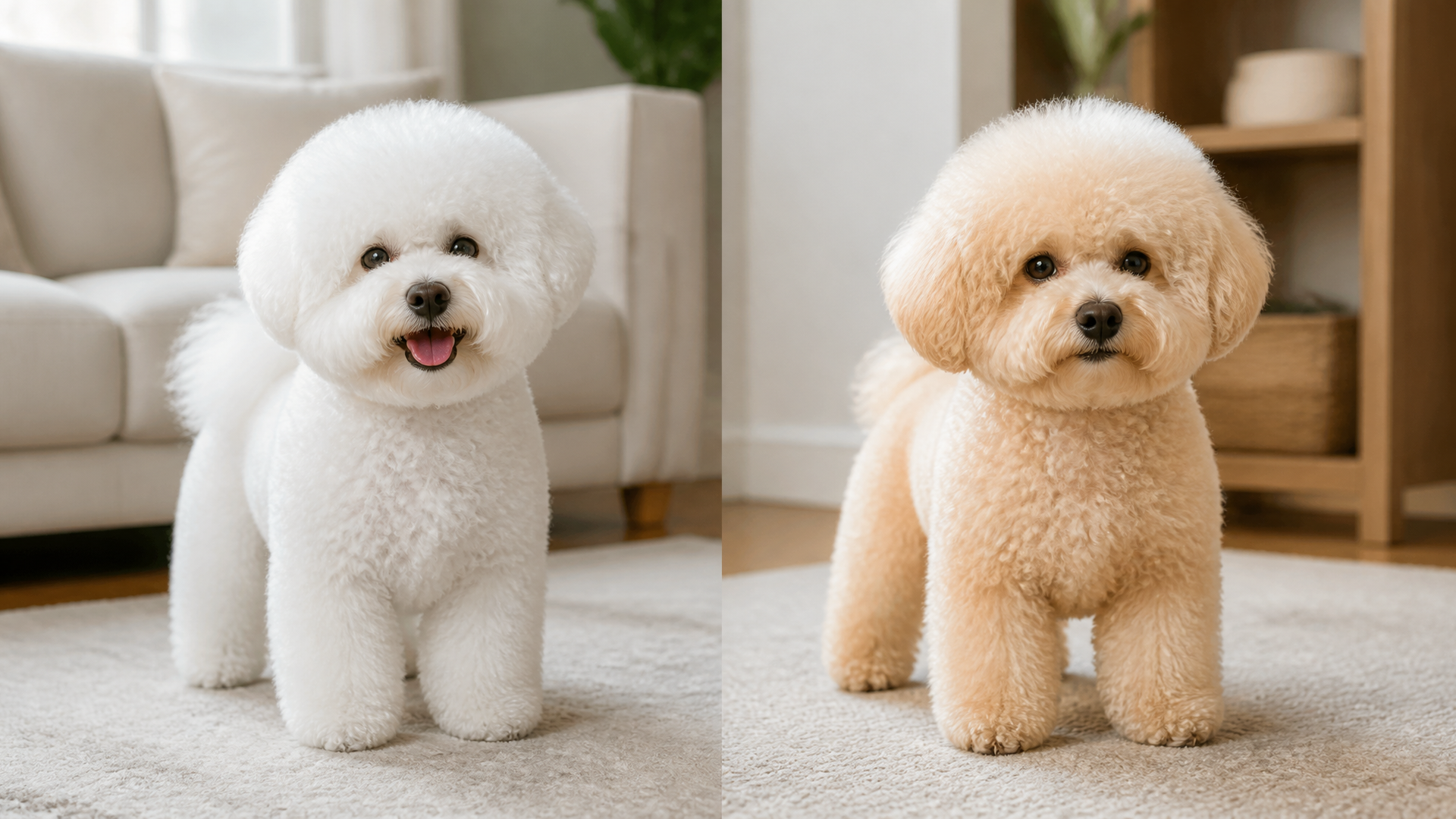
Yes, Bichon Frises can be apricot — but it’s a rare color that doesn’t meet the AKC breed standard (pure white). Apricot Bichons range from pale cream-gold to warm honey. If you’re considering one or already own one, here’s what’s different about their grooming, health, and what to watch for when buying. The apricot shade isn’t a separate breed — it’s a recessive red gene (e/e at the MC1R locus) that produces phaeomelanin instead of eumelanin. That same gene is behind apricot Poodles, and it explains why the color can shift dramatically as your puppy grows up.

What Makes an Apricot Bichon Frise — And When It Matters
Apricot Bichons carry that recessive red gene, but the shade you see in a puppy isn’t always what you get as an adult. Many start nearly white and deepen by 6–12 months, while others fade with age. The coat texture also tends to be softer and silkier than the typical harsh white Bichon coat — which means faster matting if you slack on brushing.
Here’s the crucial boundary most articles skip: If you plan to show your Bichon in AKC or CKC conformation events, an apricot coat is a disqualification. The breed standard requires pure white. For pet owners, the color makes zero difference in temperament or health — but it does change your grooming routine and how you shop for supplies. Always check your registry’s rules before assuming an apricot Bichon qualifies for competition.
One more thing most owners don’t expect: Apricot Bichons often have lighter tear stains that blend in better than white coats — but the staining can still happen. The key is consistent eye cleaning with a damp cloth and a high-quality diet low in copper and iron, which reduce red staining.
What Apricot Means for Your Next Purchase Decision
If you’re choosing between an apricot and a white Bichon, the practical difference comes down to two things: grooming products and sun management. You don’t need special food, supplements, or vet care for the color alone. But you need different shampoo — whitening formulas will ruin an apricot coat — and more vigilance about sun fading. Apricot Bichons also often have a softer, silkier coat texture that mats faster than the typical harsh white Bichon coat. If you’re not prepared to brush daily and buy color-safe shampoos, a white Bichon may be the lower-maintenance choice.
Price is another consideration. Apricot Bichons are sometimes marketed as “rare” and may carry a premium — but a responsible breeder won’t charge extra just for the color without providing full health clearances. If you see a big price gap between apricot and white littermates, ask for written proof of genetic testing (PRA, patellar luxation, hip dysplasia) before you commit.
Daily Care Routine for Apricot Bichons
Keeping that warm honey coat looking its best takes a simple, consistent routine. Here’s what to do every day — and what to avoid.
Morning Check (5 minutes)
Look for mats or tangles behind the ears, under the armpits, and on the belly. These are the spots where apricot coats first show dirt and yellowing. Use a metal greyhound comb to gently work through any snags before they tighten.
Brushing (10 minutes)
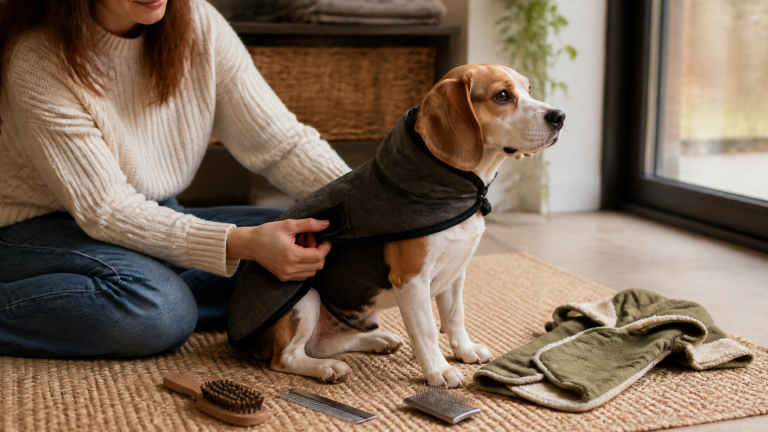
Start with a slicker brush (e.g., Chris Christensen 20mm) to lift loose hair and break up surface mats. Follow with a metal greyhound comb to check for any remaining tangles. Brush in the direction of hair growth — going against the grain can damage the soft apricot coat and cause breakage.
Common mistake: Brushing dry coat without detangler. Always mist lightly with a leave-in conditioner (like Buddy Wash Leave-In Conditioner) before brushing. Dry brushing a soft apricot coat creates static and hair breakage — dulling that warm glow.
Evening Wipe-Down (3 minutes)
After outdoor play, wipe down with a damp microfiber cloth. Focus on paws, face, and underbelly. Dirt and saliva left to dry on an apricot coat can create uneven, dark patches that require professional staining removal. Let the coat air-dry fully before bed to prevent moisture-trapping mats.
Grooming an Apricot Coat: 3 Expert Tips
Apricot Bichons need the same brushing and clipping frequency as white Bichons — but their coat color needs different products to stay vibrant.
Tip 1: Use color-safe shampoo, not whitening
- Actionable step: Wash with a sulfate-free shampoo made for color-coated dogs. Good options include Isle of Dogs Coatlift or Chris Christensen Spectrum 7 Apricot. These gently clean without stripping the warm pigment.
- Common mistake: Using whitening or brightening shampoo. Most contain bluing agents that turn apricot coats muddy or grayish within a few washes.
Tip 2: Limit sun exposure to prevent bleaching
- Actionable step: Apply a dog-safe leave-in conditioner with UV protection (like Buddy Wash Leave-In Conditioner) before outdoor play, especially between 11 AM and 3 PM.
- Common mistake: Leaving your Bichon in direct sun for hours thinking it’s harmless. Apricot coats bleach faster than white coats, turning dull yellow instead of warm gold.
Tip 3: Brush daily to avoid stain-trapping mats
- Actionable step: Use a slicker brush followed by a metal greyhound comb to work through tangles. Focus on armpits, belly, and ear bases — these areas trap moisture and yellowing debris.
- Common mistake: Skipping daily brushing and relying on dematting spray alone. Mats trap dirt and moisture, making apricot color look uneven and stained. Once a mat forms near the skin, the trapped moisture can create a persistent yellow spot that won’t brush out.
How to Verify Your Apricot Bichon’s Color Stability
Your breeder should be able to show you photos of the puppy’s parents and grandparents at 6 months and 2 years. Look for consistency: if the sire’s coat lightened significantly, your puppy’s color may fade too. Ask specifically: “Have any apricot puppies from this bloodline held their color past two years?” A reliable breeder will have that answer ready.
Health: What’s Actually Different for Apricot Bichons
Beyond coat color, apricot Bichons have the same health profile as any Bichon Frise — prone to allergies, ear infections, patellar luxation, and bladder stones. Two things deserve extra attention:
- Coat texture. Many apricot Bichons have a softer, less harsh coat than white Bichons. Softer coats mat faster, so stay strict with your daily brushing. If you skip even two days, expect tangles that require clipping out.
- Skin sensitivity. Some apricot Bichons show higher reactivity to flea bites and environmental allergens. If your dog scratches more than usual after walks, switch to a hypoallergenic shampoo and check with your vet about allergy medication. Don’t assume it’s just dryness — Bichons are prone to atopic dermatitis regardless of color.
Trade-off to know: Breeders who specifically market “apricot Bichons” may be breeding for color over health. A responsible breeder will prioritize genetic testing (PRA, patellar luxation, hip dysplasia) over coat shade. If a breeder charges a premium for apricot without offering health clearances, that’s a red flag — not a rare find.
Feeding for coat health matters. Apricot Bichons benefit from a diet rich in omega-3 and omega-6 fatty acids to support skin and coat condition. Look for foods with fish oil, flaxseed, or chicken fat as primary fat sources. A high-quality kibble like Royal Canin Bichon Frise Adult or Hill’s Science Diet Small & Mini Breed provides balanced nutrition. Avoid foods with artificial colors or high copper levels — both can accentuate tear stains and dull the coat’s warm tones.
Bladder stones are a breed-specific concern. Bichons are prone to urate stones and calcium oxalate stones. Regardless of coat color, your vet should test urine pH annually. Signs include frequent urination, blood in urine, or straining to pee. If your apricot Bichon shows any of these, don’t wait — dietary management can often prevent surgery, but catching it early is key.
Apricot Bichon Puppy Buyer’s Decision Aid
Use this checklist when evaluating a breeder or puppy. Each item is pass/fail — if three or more fall short, keep looking.
| Check Item | Pass / Fail |
|---|---|
| Genetic testing done — breeder can show results for PRA, patellar luxation, and hip dysplasia. | ❏ Pass |
| Color stability information — breeder explains whether the apricot will deepen or fade based on pedigree history (with photos). | ❏ Pass |
| Even shading — puppy’s coat has consistent apricot tone, not patchy white areas (unless registered as parti-color). | ❏ Pass |
| Tear stain check — puppy has no active eye infection; ask what the breeder feeds (avoid copper-heavy diets that worsen redness). |
| ❏ Pass |
| Registration honesty — breeder tells you the listed color on AKC/CKC papers (likely “white”) and why. | ❏ Pass |
| Pricing transparency — apricot color doesn’t carry an unreasonable premium over white littermates. | ❏ Pass |
| Health guarantee — breeder offers a written contract covering congenital conditions for at least 2 years. | ❏ Pass |
| Temperament observation — puppy is lively, curious, not fearful; parents on-site show stable, friendly behavior. | ❏ Pass |
Frequently Asked Questions About Apricot Bichons
Will my apricot Bichon’s color change over time?
Yes. Most apricot Bichons start nearly white and deepen between 6 and 12 months of age. Some fade again after two years. The final shade depends on the specific genetics — ask your breeder for parent and grandparent photos at various ages to get a realistic expectation.
Can I show an apricot Bichon in AKC conformation?
No. The AKC breed standard for Bichon Frise requires pure white. An apricot coat is a disqualification. However, apricot Bichons can compete in AKC performance events (agility, obedience, rally). For CKC and UKC, check the specific breed standard — some registries are more lenient with shade variations.
Is apricot more expensive than white?
Some breeders charge a premium because apricot is less common, but a reputable breeder prices based on health testing and lineage, not coat color. If the price difference is significant without documented health clearances, consider it a warning sign rather than a bargain.
Do apricot Bichons need different food?
No special food is needed for the color alone. But coat-friendly nutrition (omega-3s, balanced protein, limited copper) helps prevent tear stains and keeps the apricot tone vibrant. A high-quality small-breed formula is a good choice for any Bichon.
Save This Guide
Bichon Frise apricot is a rare and beautiful color variant — but it’s not a separate breed. To keep that warm glow: use color-safe grooming products, limit midday sun, and brush daily. When buying, demand genetic testing and honest registration info. Key takeaway: Apricot Bichons need a slightly different grooming toolkit than white Bichons, not a different health plan. Plan for color-safe shampoos and daily brushing from day one, and you’ll enjoy that honey coat for years.
This guide contains affiliate links; if you purchase through them, we may earn a commission at no extra cost to you.