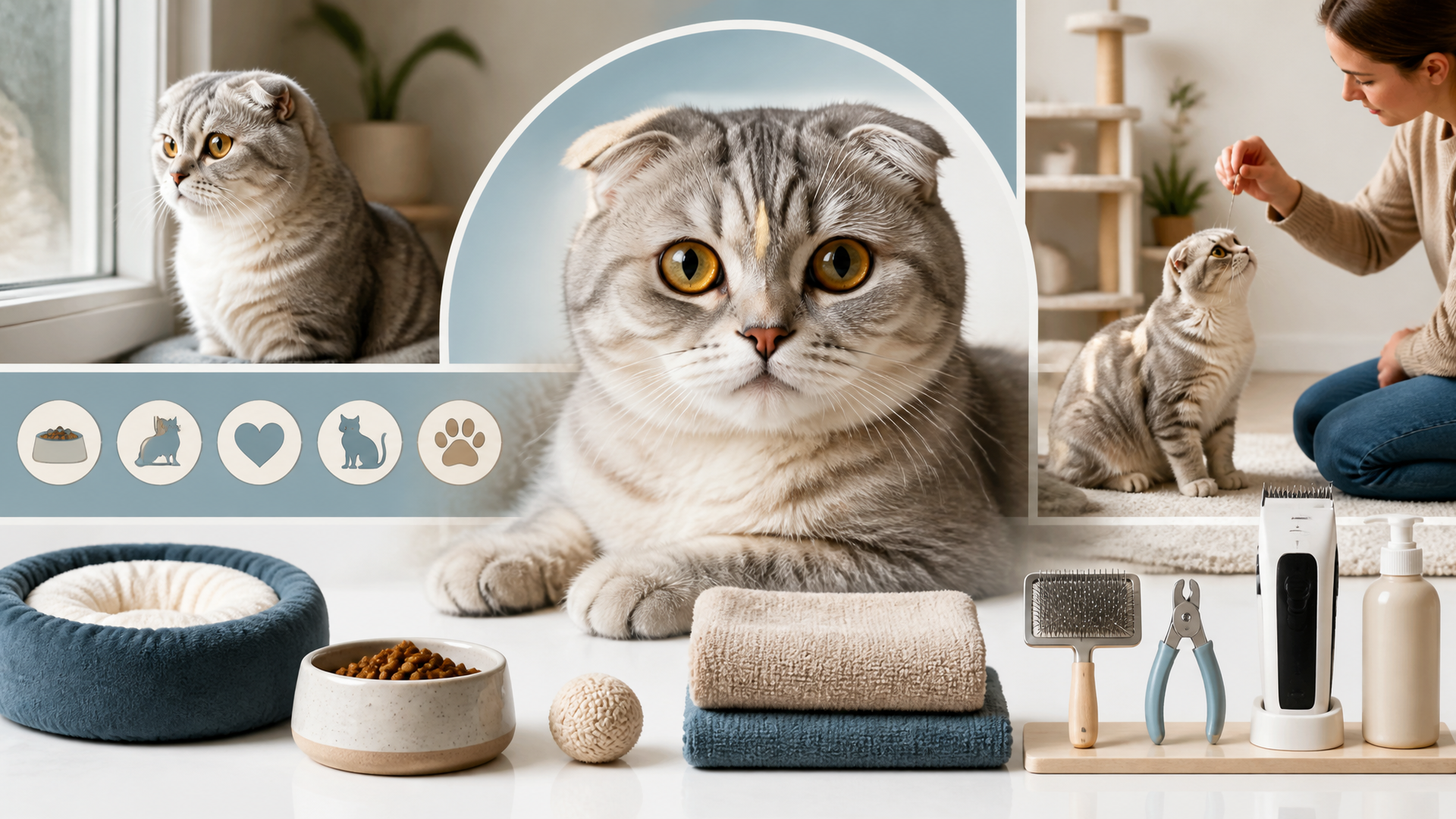
Tips to Care For a Scottish Fold
Scottish Folds are calm, owl-eyed cats with a quiet personality — but their signature folded ears come with specific care requirements that most owners don’t expect. Here’s what you actually need to do to keep yours healthy, comfortable, and happy.

5 Non-Negotiables for a Healthy Scottish Fold
Run through this quick check to make sure you’re covering the essentials:
- Ear check twice a week — Folded ears trap moisture and wax faster than upright ears. Look for redness, odor, or dark buildup. Clean only with a vet-recommended solution.
- Joint support from day one — Every Scottish Fold carries the gene for osteochondrodysplasia (OCD). Start joint supplements (glucosamine/chondroitin) by age 1, even if your cat shows no symptoms.
- Weight management is non-negotiable — Extra pounds put direct stress on already compromised cartilage and joints. Keep your Fold lean — you should feel ribs without pressing hard.
- Low-impact play only — Skip high jumps and rough wrestling. Use wand toys at ground level, puzzle feeders, and laser dots that stay on the floor.
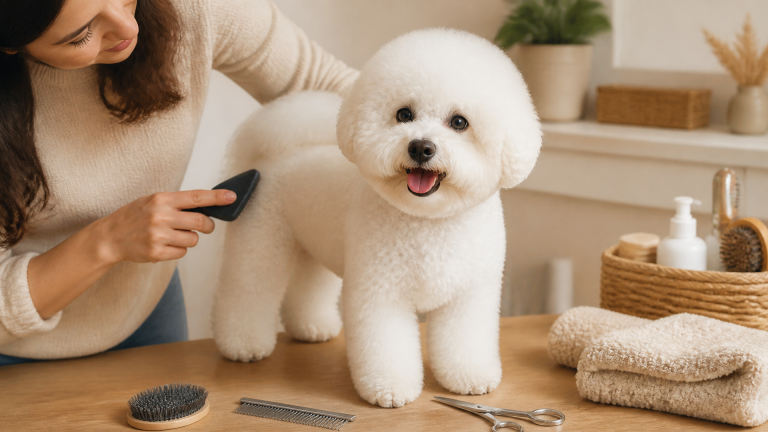
- Gentle grooming sessions — Their plush double coat mats quietly. A weekly 5-minute brush with a rubber curry comb prevents tangles and removes loose fur.
The Counter-Intuitive Truth About Folded Ears
Many owners assume the natural fold protects the ear canal from dirt. In reality, the fold creates a warm, dark pocket where wax, moisture, and yeast thrive. Debris collects in the ear flap fold itself — not just the canal — and can go unnoticed until infection sets in.
What to Do Instead
Checkpoint — what to look for each week: Before you clean, gently unfold the ear flap and inspect. Healthy ears are pale pink with minimal wax. Redness, dark discharge, or a musty smell means it’s time to clean — or call the vet if it looks inflamed.
Cleaning steps:
1. Unfold the ear flap fully and hold it gently.
2. Use a dry cotton ball to wipe the inner surface of the flap. Never use a Q-tip — you risk pushing debris deeper or damaging the ear canal.
3. If you see dark buildup, dampen a fresh cotton ball with a vet-approved ear cleaner formulated for cats.
4. Let your cat shake their head afterward to expel any loosened debris.
Verification step: After cleaning, unfold the ear again and check that the canal and fold appear clean and pale pink. If you still see dark wax or an oily residue, repeat with a fresh cotton ball. Persistent redness or odor after cleaning means the ear likely needs a veterinary exam.
Escalation signal: Yellow or green discharge, a strong odor, or your cat flinching when you touch the ear means stop cleaning and schedule a vet visit. Those are signs of an active infection that needs prescription treatment.
Success check: Two cleanings per month is typical for healthy Folds; your vet can tell you if your cat needs more.
Feeding Your Scottish Fold — Joint and Weight Health
Scottish Folds don’t have special dietary needs compared to other domestic cats, but their joint health and weight are directly tied to what you feed.
| What to prioritize | Why it matters |
|---|---|
| High-protein, moderate-fat food | Supports lean muscle without excess calories |
| Omega-3 fatty acids (fish oil) | Reduces joint inflammation |
| Controlled portions, not free-feeding | Prevents the extra weight that worsens OCD symptoms |
| Wet food as primary (or mix) | Adds moisture and supports kidney health |
Portion guide: A 10-lb adult Scottish Fold needs roughly 200–250 calories per day. Check your food’s calorie count per cup or can and measure accordingly. Verification tip: Weigh food on a digital kitchen scale in grams for accuracy — cups can vary by brand.
Trade-off to know: Wet food is excellent for hydration and weight control, but it does less to keep teeth clean than dry kibble. If you feed wet food as the primary diet, commit to brushing your cat’s teeth at least twice a week or offer dental treats. Otherwise tartar buildup becomes a hidden problem.
What to avoid: Grain-heavy dry foods with fillers (corn, wheat, soy) offer empty calories that make weight management harder. Look for foods where a named protein (chicken, salmon, turkey) is the first ingredient.
Grooming a Scottish Fold — Yes, Even Short Coats Need Work
Yes, their coat is short. No, that doesn’t mean you can skip brushing. The Scottish Fold has a dense double coat that sheds year-round, with heavier blowouts in spring and fall. Without regular brushing, loose undercoat hair mats against the skin — especially around the ruff, belly, and hind legs.
Weekly Grooming Routine (5 Minutes)
1. Rubber curry comb — Start here to lift loose undercoat hair and massage the skin. Circular motions work best.
2. Fine-toothed flea comb — Run through the ruff and behind the ears to catch small tangles before they tighten.
3. Damp hands or grooming glove — Finish by petting with slightly damp hands to pick up remaining loose hairs.
4. Check nails — Trim every 2–3 weeks. Hold the paw firmly, press the pad to extend the nail, and cut just before the quick (the pink vein). If you’re unsure, use a nail grinder instead of clippers to reduce risk.
5. Brush teeth — Ideally 2–3 times per week. Use a cat-safe enzymatic toothpaste.
Bathing: Only when necessary — once every 3–4 months is plenty unless your Fold gets into something messy. Use a cat-specific shampoo and dry thoroughly, especially inside the ear folds.
When to Call the Vet — Scottish Fold Warning Signs
Because Scottish Folds hide pain well (like most cats), watch for subtle changes that signal trouble:
- Stiffness or reluctance to jump — Especially in kittens or young adults. This is the earliest sign of OCD flare-up.
- Excessive ear scratching or head shaking — Could be an ear infection brewing in the fold.
- Sudden lameness in one or both front paws — This breed is prone to abnormal bone growth in the carpal (wrist) area.
- Unusual sitting posture — If your Fold sits like a frog (legs splayed out behind), that’s normal. But if they stop sitting that way or seem uncomfortable in any position, take note.
- Lethargy or hiding — Scottish Folds are already quiet cats. A sudden increase in hiding or decreased appetite is a red flag.
Joint supplement reality check: While glucosamine and chondroitin can help, they are not a cure for OCD. This is a progressive condition, and supplements may only slow symptoms. Some cats require pain medication or even surgery as the disease advances. Talk to your vet about the right timeline for intervention.
Keep a EVERLIT Pet Medic First Aid Kit on hand for minor cuts, scratches, or ear issues you can manage at home. This 95-piece vet-approved kit includes wound care supplies, tweezers, and emergency tools — useful for both cats and dogs. Stock it in your home and car so you’re never scrambling for supplies.
FAQ
Do Scottish Folds need special ear drops?
Not unless your vet prescribes them for an existing condition. For routine cleaning, use a cotton ball dampened with a gentle ear cleaner made for cats. Never put drops into a Fold’s ear without veterinary guidance.
Can you breed two Scottish Folds together?
No — breeding Fold to Fold produces kittens with severe skeletal deformities. Responsible breeders always pair a Fold with a straight-eared Scottish (or another breed like the British Shorthair). Only one parent should carry the Fold gene.
How long do Scottish Folds live?
With proper care and weight management, 12–15 years is typical. Joint health is the biggest factor in their longevity.
Are Scottish Folds good with other pets?
Yes, generally. They’re calm and non-aggressive. Introduce slowly and give your Fold quiet spaces to retreat to.
Save this guide — Scottish Folds are a joy to live with, but their health needs are specific. Bookmark these care steps and check back whenever you need a refresher. Your Fold will thank you with years of quiet, purring companionship.