Bichon Frise Old Age Problems
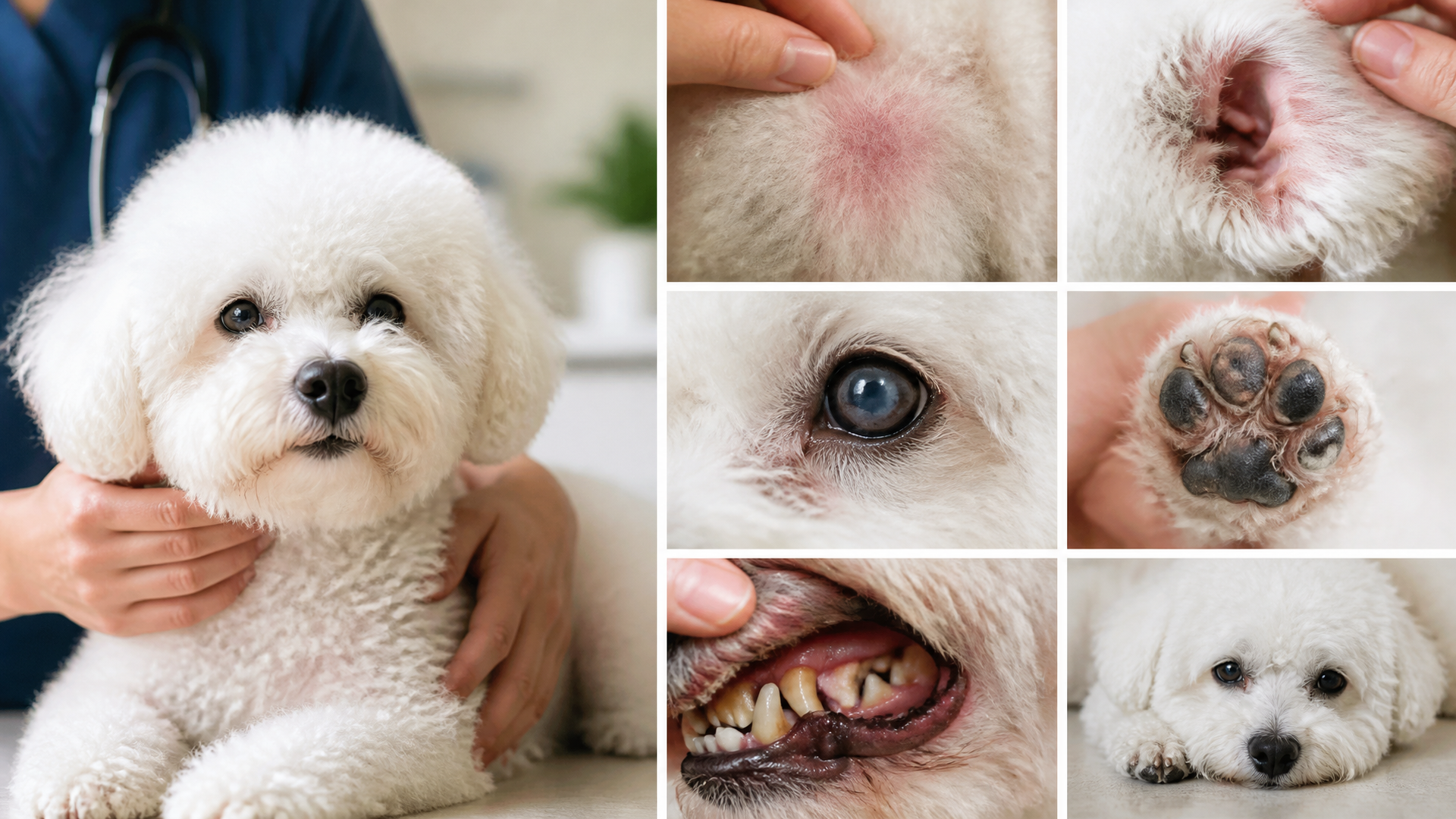
Your Bichon Frise enters their senior years around age 10–12. The most common old age problems include dental disease, cataracts, arthritis, hearing loss, and cognitive decline. Many Bichons also develop skin issues, bladder stones, or heart murmurs as they age. Recognizing these conditions early and adjusting their care routine can add years of comfort and quality to their life.

Common Age-Related Health Problems in Senior Bichons
Bichon Frises are generally healthy dogs, but they carry breed-specific vulnerabilities that worsen with age. Here’s what to watch for and how to respond.
| Health Problem | Signs to Watch | What You Can Do |
|---|---|---|
| Dental disease | Bad breath, drooling, pawing at mouth, red gums | Daily brushing, dental chews, annual vet cleanings |
| Cataracts | Cloudy eyes, bumping into furniture, hesitancy at stairs | Veterinary ophthalmologist exam; surgery may restore vision |
| Arthritis | Stiffness after rest, reluctance to jump, limping | Joint supplements (glucosamine/chondroitin), orthopedic bed, ramps |
| Bladder stones | Frequent urination, blood in urine, accidents indoors | Dietary change (prescription urinary food), veterinary removal |
| Cognitive decline | Pacing, staring at walls, forgetting cues, sleep changes | Environmental enrichment, consistent routine, vet-guided supplements |
| Heart murmurs | Coughing (especially at night), fatigue, rapid breathing | Regular cardiac checkups, medication if needed |
Expert Tip #1: Start a dental care routine early. Brush your Bichon’s teeth at least 3 times per week using a pet-safe enzymatic toothpaste. Common mistake: using human toothpaste, which contains xylitol that is toxic to dogs. How to verify it’s working: Lift your Bichon’s lip weekly — gums should be pale pink, not red or bleeding, and breath should be mild, not foul.
Expert Tip #2: Switch to a joint supplement at age 8, but adjust based on weight. A 12-pound Bichon at healthy weight may not need supplements until age 10, while a 20-pound overweight Bichon may benefit as early as age 7. Common mistake: waiting until your dog shows stiffness — joint damage is already present by then. How to verify: Take a weekly video of your Bichon getting up from rest. Compare week to week — less hesitation or stiffness confirms the supplement is working.
Expert Tip #3: Provide an orthopedic bed with bolsters. Senior Bichons need joint support and a sense of security. Common mistake: using a flat bed that doesn’t support arthritic hips and shoulders. How to verify: Watch where your Bichon chooses to sleep. If they consistently avoid the bed and choose carpet or sofa, the bed isn’t supporting them properly.
What Happens When You Miss Early Signs — A Common Failure Pattern
Here’s a scenario that plays out often: Your Bichon starts panting more during walks, but you assume it’s just the heat. You notice they’re drinking more water, but write it off as age. Then one morning, they’ve peed on the rug overnight despite being house-trained their whole life.
Likely cause: Bladder stones or early kidney disease, not a behavioral issue. In Bichons, subtle signs like increased thirst and panting can easily look normal until the problem is advanced. Safer next move: Any two of these symptoms together — increased thirst, accidents indoors, blood in urine, or lethargy — warrant a vet visit within 48 hours. Don’t wait for all four.
When to Escalate: How to Confirm Your Senior Bichon Is Comfortable
Start with a simple daily check. Before you feed breakfast, watch your Bichon get up from their bed. Count the seconds between waking and standing. Eight seconds or more suggests joint stiffness. A dog that whimpers or takes several tries needs a vet exam.
Nighttime cough test: If your Bichon coughs after lying down for 10 minutes, or coughs persistently through the night, this is often the first sign of a heart murmur or collapsing trachea, not just kennel cough. Record a video with your phone and show it to your vet.
7 Warning Signs Your Senior Bichon Needs a Vet Visit
Don’t wait for a crisis. Call your vet if you notice any of these:
1. Sudden vision loss or eyes that look cloudy or red
2. Unexplained weight loss despite normal eating
3. Labored breathing or a persistent cough, especially at night
4. Accidents indoors when they were previously house-trained
5. Limping or crying when getting up or lying down
6. Excessive drinking and urinating (possible kidney disease or diabetes)
7. Behavior changes such as aggression, confusion, or hiding
When to escalate: If your Bichon stops eating for more than 24 hours, has difficulty breathing, or collapses, go to an emergency vet immediately.
A note on dental pain: Bichons hide dental pain extremely well. Your dog may eat normally even with advanced gum disease or a cracked tooth. The only clues may be subtle: chewing on one side, dropping food, or mild drooling. Annual vet dental cleanings are non-negotiable for this breed — do not skip them just because your Bichon seems fine.
Adjusting Daily Care for Your Senior Bichon
Your Bichon’s grooming, feeding, and exercise needs shift as they age. Here’s what changes and when.
Grooming Adjustments
Senior Bichons often develop thinner skin and more sensitive joints. Use a slicker brush with rounded tips and a pin brush for gentle detangling. Bathing every 3–4 weeks with a moisturizing, hypoallergenic shampoo helps maintain skin health. Check skin folds and paw pads for redness or growths during each grooming session.
Product note: A good-quality slicker brush (like Safari or Chris Christensen), a detangling spray, and vet-recommended ear cleaner are worth having on hand.
Failure mode to watch for: Thinner skin means brushing too aggressively can cause small cuts that get infected. If you see red spots or scabs after grooming, switch to a softer brush and use a detangling spray before brushing, not during.
Feeding Changes
Senior Bichons need fewer calories and more joint-supporting nutrients. Switch to a senior-formulated small-breed kibble around age 8. Add warm water to soften kibble if dental issues make chewing painful.
- Portion control: Most senior Bichons need ½ to 1 cup of high-quality dry food per day, split into two meals
- Avoid: Table scraps and high-fat treats that can trigger pancreatitis
- Consider: A probiotic supplement if digestion slows
- Decision criterion: If your Bichon has ideal body condition (you can feel ribs without pressing hard), stick with standard senior feeding. If overweight, reduce by 15% and add green beans as a low-calorie treat filler
Exercise Modifications
Short, frequent walks are better than one long walk. Aim for 15–20 minutes twice daily instead of 30–40 minutes once. Watch for signs of fatigue — your Bichon will slow down or stop.
- Replace stairs with a ramp for furniture access
- Provide gentle indoor play (fetch with a soft toy, nose work games)
- Avoid high-impact activities like jumping on and off furniture
How to verify exercise is appropriate: After a walk, your Bichon should settle within 10 minutes, not pace or pant heavily for 20+ minutes. If they’re still panting 15 minutes after returning indoors, the walk was too long or too fast.
Mental Stimulation for Cognitive Health
Senior Bichons need mental challenges to slow cognitive decline. Rotate toys weekly, teach a new low-impact trick, or use puzzle feeders at mealtime.
Expert Tip #4: Use a puzzle feeder for every meal. This works your Bichon’s brain while slowing their eating. Common mistake: assuming an old dog can’t learn new things — mental engagement is more important than ever. How to verify: If your Bichon gives up on the puzzle feeder within 2 minutes and walks away, start with an easier puzzle and work up. Success means they engage for 5–10 minutes before eating.
When to Consider Quality-of-Life Changes
Every senior Bichon is different. The decision to adjust care or consider end-of-life options depends on their quality of life, not just their age.
Use this simple quality-of-life checklist:
- Can your Bichon eat and drink without assistance?
- Can they move to a comfortable position and change positions?
- Do they still enjoy interactions with family?
- Are they free from pain that medication cannot manage?
- Do they have more good days than bad days?
One decision criterion that changes the recommendation: If your Bichon has two or more chronic conditions (e.g., arthritis plus heart disease plus dental disease), their quality of life declines faster than if they have just one. A Bichon with mild arthritis alone may live comfortably for years. The same dog with arthritis plus a heart murmur may need palliative care sooner. Prioritize managing the condition that causes the most pain or breathing difficulty first, then reassess.
If you answer “no” to two or more of these questions consistently, talk to your vet about palliative care options or humane euthanasia timing. Most owners say they waited too long rather than too early — trust your gut if your Bichon seems to be suffering more than enjoying life.
Save This Guide: Pin this article to reference later. Key takeaway: start preventive care early (dental, joints, diet) and watch for the 7 warning signs. Your senior Bichon can enjoy comfortable golden years with the right adjustments — and knowing when to call the vet can save their life.
Affiliate disclosure: Some product links in this guide may earn us a small commission at no cost to you. We only recommend products we genuinely use and trust.