Exotic Shorthair Cat Eye Draining
Exotic Shorthairs have those adorable flat faces and giant round eyes, but that anatomy means tear overflow is part of the package. Clear, watery discharge with no redness is normal for this breed. Yellow, green, or thick discharge, squinting, or swelling means a vet visit within 24 hours. Here’s exactly how to tell the difference and what to do about it.

First, Is the Discharge Normal or an Emergency?
Here’s the practical implication: if the discharge is clear and your cat is acting normally, you can handle it at home with daily cleaning. The moment the discharge changes color or your cat shows any sign of eye pain, that home-care window closes — you need a vet appointment.
How to check for the critical color change: Hold a white paper towel or tissue against the corner of your cat’s eye. Normal tears will leave a clear water mark. If you see yellow, green, or brownish-green on the towel, that’s pus, not tears. That’s your signal to stop home treatment and call the vet.
The mismatch to watch for: Many first-time Exotic Shorthair owners mistake thick crusty buildup for normal tear stains. The difference is texture — normal dried tears flake off easily. Infected discharge is sticky, almost glue-like, and often mats the fur beneath the eye. If you have to scrub to remove it, that’s a red flag.
Why Exotic Shorthairs Have More Eye Drainage Than Other Cats
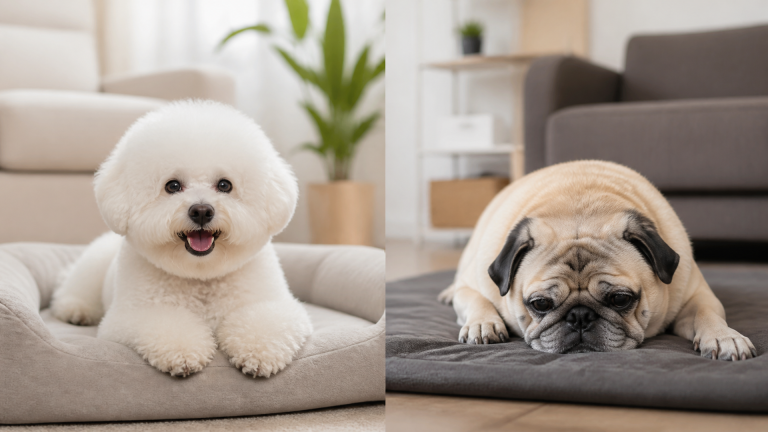
This breed is brachycephalic, meaning their flat face compresses the tear ducts (nasolacrimal ducts). Tears can’t drain into the nose properly, so they spill over the lower eyelid onto the face. This is called epiphora.
Common causes specific to Exotic Shorthairs:
- Anatomical tear overflow – Clear, watery, no redness. Just how the breed is built.
- Allergies – Seasonal or food-related. Eyes may look itchy but discharge stays clear.
- Eye infections – Bacteria or viruses. Discharge turns yellow, green, or becomes thick and sticky.
- Blocked tear ducts – Debris or inflammation prevents drainage. Often one eye is worse than the other.
- Corneal scratches – Exotic Shorthairs’ prominent eyes are more exposed to scratches from rough play or rubbing against furniture.
- Entropion – The eyelid rolls inward, causing lashes to rub the cornea. This is more common in flat-faced breeds and requires surgical correction.
At-Home Eye Cleaning: Step-by-Step
You’ll need:
- Soft, lint-free cotton rounds (not cotton balls — fibers can irritate the eye)
- Sterile saline solution (0.9% sodium chloride, no preservatives)
- Pet-safe tear stain wipes labeled for brachycephalic breeds
- Warm compress for crusty buildup
Steps:
1. Wash your hands with soap and water.
2. Moisten a cotton round with saline or use a fresh tear stain wipe.
3. Gently wipe from the inner corner (near the nose) outward — one swipe, then throw the round away.
4. Use a separate round for each eye to avoid cross-contamination.
5. If crust is stuck, hold a warm damp cloth over the closed eye for 30–60 seconds to soften it, then wipe away.
6. Dry the fur under the eyes with a soft cloth to prevent moisture dermatitis (wet fur leads to skin infections).
Do this once daily for mild clear drainage. Increase to twice daily if you notice crust building up or if your cat spends time outdoors.
Concrete verification step: After cleaning, the fur under the eye should feel dry within two minutes. If it stays damp or you see more tears pooling immediately, the tear duct is likely blocked — make a vet appointment.
The Number-One Eye Cleaning Mistake Exotic Shorthair Owners Make
Using the same wipe or cotton round for both eyes. This is how a mild infection in one eye becomes a full-blown infection in both. Even if the first eye looks clean, bacteria can be invisible. One round per eye, every time.
Another common error: Using human eye makeup remover wipes or any product with alcohol, hydrogen peroxide, or fragrances. These cause stinging and reflex tearing — making the problem worse. If it’s not labeled for cat eyes, don’t use it.
When Eye Drainage Needs a Vet Visit
| Symptom | What It Likely Means | Action |
|---|---|---|
| Yellow or green discharge | Bacterial or viral infection | Vet within 24 hours |
| Red or bloodshot sclera (white of eye) | Irritation, infection, or injury | Vet within 24 hours |
| Squinting or blinking excessively | Corneal scratch or foreign object | Same-day vet visit |
| Swollen eyelids or visible third eyelid | Infection or eye injury | Same-day vet visit |
| Pawing at eye or rubbing face | Pain or discomfort | Vet within 24 hours |
| Sudden change in discharge color or amount | Infection or duct blockage | Vet within 24 hours |
Trade-off to consider: Taking your cat to the vet for clear discharge that turns out to be normal epiphora costs you time and money, but waiting too long on a real infection can lead to corneal ulcers that require surgery. When in doubt, go. A phone call with your vet can often confirm whether you need to come in.
Choosing the Right Eye Wipes for Your Exotic Shorthair
Not all eye wipes are safe for brachycephalic breeds. Their eyes are more prominent and more sensitive than other cats’.
| Product Type | Best For | Concrete Example | Caution |
|---|---|---|---|
| Sterile saline solution (plain) | Daily cleaning of clear tears | Generic 0.9% sodium chloride drops | No preservatives; safe for eyes |
| Pre-moistened tear stain wipes | Removing reddish-brown stains | Brands with boric acid or benzalkonium chloride | Avoid direct contact with eye surface |
| Vetericyn Plus Ophthalmic Gel | Lubrication or minor irritation | Antimicrobial, no antibiotics | Safe for daily use; follow label |
| Warm compress (homemade) | Softening dried crust | Clean washcloth + warm water | Test temperature on your wrist first |
What to avoid at all costs: Contact lens solution, eyewashes with preservatives, human eye drops, and any wipe containing alcohol or hydrogen peroxide. These cause immediate stinging and long-term irritation.
Expert Tips for Managing Exotic Shorthair Eye Drainage
Tip 1: Inspect both eyes in natural light before cleaning
Actionable step: Every morning, bring your cat to a window and look at both eyes from the side. You’ll spot redness, swelling, or discharge changes faster in natural light than under indoor lighting.
Common mistake: Only checking eyes during cleaning when the cat is already squinting or pawing. By then, irritation is advanced.
Tip 2: Keep a dedicated eye-cleaning kit in two locations
Actionable step: Store one kit in the bathroom and one in the living room. Exotic Shorthairs often need a mid-day wipe-down if they’ve been in a dusty area or near an open window.
Common mistake: Relying on one kit that’s never nearby when you need it — leads to using whatever’s handy (like a paper towel or baby wipe), which can be too rough.
Tip 3: Track changes with a simple log
Actionable step: Note the date, discharge color, and whether your cat squinted that day. Three consecutive days of yellow discharge means the vet, even if it’s a small amount.
Common mistake: Thinking “a little yellow is fine” because the cat seems normal. Infections start small. Catching them early means simpler treatment.
Daily Eye Care Checklist for Exotic Shorthair Owners
Use this quick check each morning. If any item fails, escalate.
- [ ] Both eyes equally open – No squinting or half-closing on one side
- [ ] Discharge is clear – White tissue test passes; no yellow or green
- [ ] Eyelids and skin around eyes – No swelling, redness, or bald patches
- [ ] No pawing or rubbing – Cat isn’t touching face more than usual
- [ ] Tear stains are light to medium – Not suddenly darker or thicker
- [ ] One clean cotton round per eye – No skipping the second round
- [ ] Fur under eyes feels dry after cleaning – Not wet or sticky two minutes later
If all items pass, your daily routine is working. If any item fails, call your vet.
FAQ: Exotic Shorthair Cat Eye Drainage
Q: Is brown tear staining normal in Exotic Shorthairs?
A: Yes, it’s very common due to tear overflow. The reddish-brown color comes from porphyrins in the tears. Regular cleaning helps manage it, and some owners reduce it with a diet change, but always check with your vet before switching food.
Q: Can I use human eye drops for my cat’s runny eyes?
A: No. Human eye drops often contain preservatives or active ingredients that are unsafe for cats. Only use vet-prescribed ophthalmic drops or plain sterile saline solution.
Q: How often should I clean my Exotic Shorthair’s eyes?
A: At least once daily for mild clear drainage. Increase to twice daily if you see crust or tear stains building up. Overcleaning with harsh wipes can cause more tearing, so stick to soft materials and sterile saline.
Q: Is it normal for one eye to drain more than the other?
A: Yes, but if the difference suddenly becomes significant or the more-draining eye shows redness or swelling, have the vet check for a blocked tear duct.
Q: Can diet affect eye drainage in Exotic Shorthairs?
A: Some owners report that switching to a limited-ingredient or grain-free diet reduces tear staining, but the evidence is mixed. If you want to try, transition slowly over a week and monitor for changes in discharge. Work with your vet to rule out food allergies first.
Save This Guide: Quick Takeaways
Exotic Shorthairs need daily eye care because their flat faces prevent normal tear drainage. Clear, watery discharge is usually harmless. Yellow, green, or thick discharge, squinting, or swelling means a vet visit within 24 hours. Keep soft cotton rounds and sterile saline on hand, wipe each eye separately, and never use human eye drops. A few minutes a day prevents stains, infections, and discomfort.
This article contains general product recommendations and may contain affiliate links. Always consult your veterinarian before starting any eye care routine.