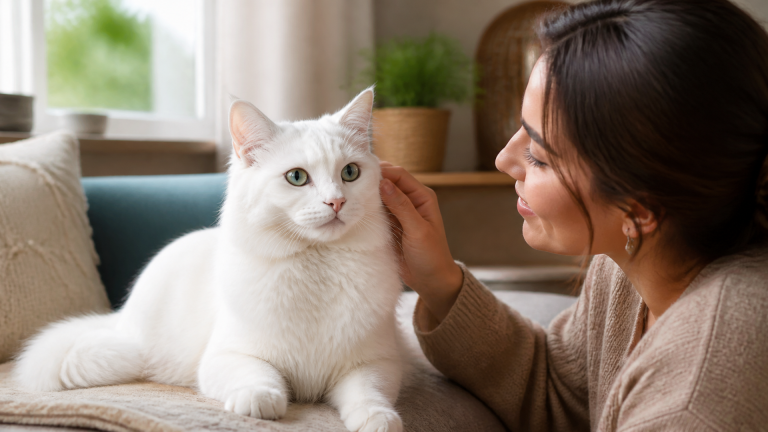
Bichon Frisé Lap Dog
Yes, the Bichon Frisé is one of the best lap dog breeds you can choose. These white, fluffy companions were bred specifically to be loving household pets. But being a great lap dog doesn’t mean low maintenance — and knowing what you’re signing up for is the difference between a happy home and a frustrated one.

What this means for you right now: If you have time for daily brushing and you’re home most of the day, this breed is an excellent match. If you work long hours away from home or want a low-shedding breed without the grooming commitment, a Bichon may not be the right lap dog for you. Your next step should be to honestly assess your daily schedule and willingness to brush every single day.
What Makes the Bichon a Natural Lap Dog
Bichons were bred as companion dogs for European nobility, and that history shows in everything they do. They live for human attention and will happily spend hours curled up on your lap.
Size matters for lap dogs. A full-grown Bichon stands 9–12 inches tall and weighs 10–18 pounds — light enough to hold comfortably but sturdy enough to feel substantial. They fit naturally on a lap, a couch cushion, or curled beside you in bed.
Temperament seals the deal. Bichons are affectionate, playful, and remarkably people-oriented. They follow their owners from room to room (sometimes called “Velcro dogs”) and tend to greet strangers with enthusiasm rather than suspicion. This makes them excellent for families, seniors, and first-time owners who want a cuddly, social companion.
Lap Dog Fit at a Glance
| Trait | What It Means for You |
|---|---|
| Weight | 10–18 lbs — easy to hold and carry |
| Temperament | Affectionate, playful, people-focused |
| Barking | Moderate; alerts but not excessive |
| Energy indoors | Moderate — playful but settles well |
| Alone time tolerance | Low — lap dogs need company |
One decision criterion to know upfront: If you work long hours away from home or travel frequently, a Bichon may not be the right lap dog for you. Their need for companionship makes them prone to separation anxiety, and that can lead to destructive behaviors or stress-related health issues.
The Lap Dog Reality Check: Three Non-Negotiables
A Bichon Frisé will happily sit on your lap all day. But there are three non-negotiable commitments that come with this breed.
Grooming: The Real Cost of That Fluffy Coat
The Bichon’s white, double-coated fur is gorgeous — and it requires daily work. Their coat grows continuously (like human hair, not like shedding breeds), and without proper care, mats form fast.
What you need to do:
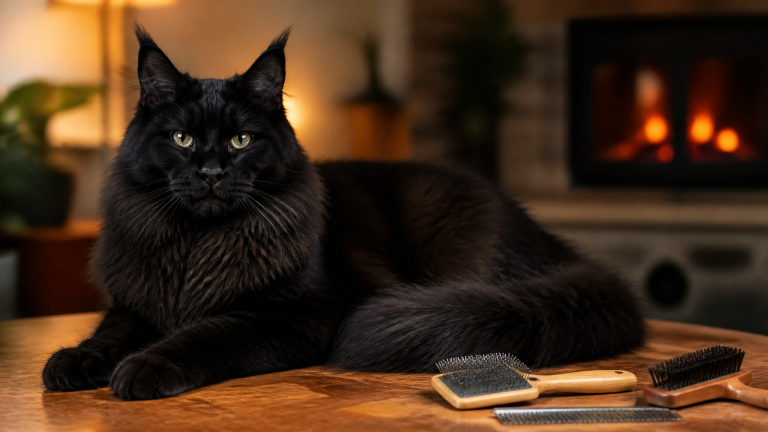
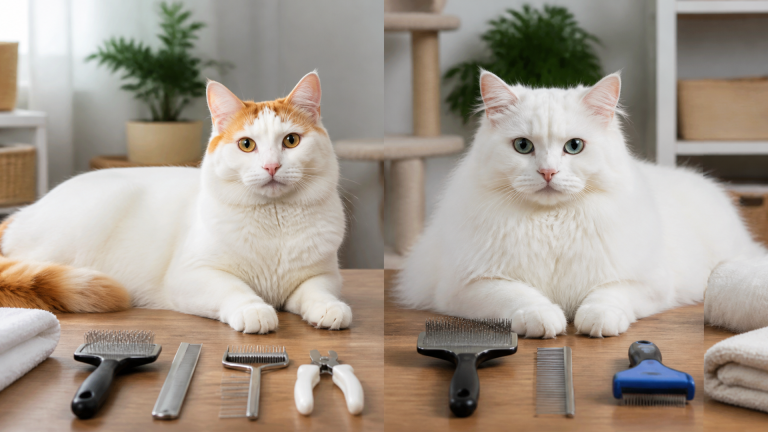
- Brush daily with a slicker brush and metal comb. Mats form behind the ears, under the legs, and around the collar area.
- Professional grooming every 4–6 weeks. Expect to pay $60–$100 per session for a full haircut, bath, and nail trim.
- Bathe every 2–3 weeks with a whitening shampoo designed specifically for white coats.
Expert Tip #1: Start grooming routines the day you bring your puppy home — even before they need it. Handle their paws, ears, and face gently with a brush for 30 seconds daily. Common mistake: Waiting until the coat is matted to introduce grooming. Painful dematting sessions create lifelong fear of the brush.
Expert Tip #2: Invest in a high-quality slicker brush and a stainless steel greyhound comb before you need them. Common mistake: Using a paddle brush or human hairbrush — these don’t reach the undercoat and leave mats forming underneath the top layer where you can’t see them.
Exercise: Yes, Lap Dogs Need It
A Bichon needs about 20–30 minutes of structured exercise daily — a brisk walk, a game of fetch, or a romp in a fenced yard. Without it, they can become restless, barky, or develop behavior issues.
What works best:
- Two short walks (10–15 minutes each) per day
- Indoor play sessions with interactive toys
- Puzzle toys for mental stimulation
Expert Tip #3: Build a short “walk first, lap later” routine. A tired Bichon settles much better than one who’s been cooped up all day. Common mistake: Assuming lap dogs don’t need walks. Under-exercised Bichons often become anxious, bark excessively, or develop weight problems that strain their joints.
Separation Anxiety: The Lap Dog’s Shadow Side
Because Bichons bond so closely with their people, they struggle with alone time. This is the #1 reason Bichons end up rehomed.
What helps:
- Crate training from puppyhood creates a safe space, not punishment
- Start with short departures (5–10 minutes) and gradually extend
- Leave a worn t-shirt with your scent in their bed
- Consider a dog walker or pet sitter if you’re away more than 4–5 hours
The realistic trade-off: If you work a standard 9-to-5 job outside the home without arranging midday care, your Bichon may develop destructive chewing, excessive barking, or house soiling from stress. This isn’t a behavior problem — it’s a mismatch between their needs and your schedule. Seriously consider whether you can arrange midday care before choosing a Bichon.
Does a Bichon Frisé Fit Your Lifestyle? Use These Checks
Before you bring a Bichon home, run through these five pass/fail checks. A “fail” on any item doesn’t mean you can’t own a Bichon — it means you need a plan to address that gap before bringing one home.
- Brushing commitment test. Set a daily 10-minute alarm for one week and brush a stuffed animal or a pillow. If you miss three or more days, you will struggle with a real Bichon’s coat. Pass = you brush at least 6 of 7 days.
- Alone time reality check. How many hours is your Bichon alone on a typical weekday? If it’s more than 4–5 hours without a walker or daycare visit, fail. Lap dogs need company.
- Grooming budget check. Can you afford $600–$1,200 per year for professional grooming? If not, fail — skipping grooming sessions leads to painful matting and skin infections.
- Exercise willingness check. Are you willing to walk your dog for 20–30 minutes every day, rain or shine? Pass only if yes. Indoor play alone does not count.
- Health history check. Does the breeder offer a 1–2 year health guarantee covering genetic conditions like luxating patella? If no, fail — walk away. Reputable breeders stand behind their puppies.
What to do if you failed one or more checks: Don’t give up on the breed. Instead, address each gap. Hire a dog walker for midday breaks. Set aside a grooming fund before you bring the puppy home. Test your brushing commitment with a two-week trial run. The goal is to go in with eyes open, not to talk yourself out of the breed entirely.
Daily Lap Dog Care Checklist
Print this or save it on your phone. This covers the essentials for a happy, healthy Bichon:
Every day:
- Brush coat thoroughly with slicker brush and comb (5–10 minutes)
- Wipe tear stains with a soft, damp cloth
- Check for matts behind ears and under legs
- Provide 20–30 minutes of exercise (walk + play)
- Offer fresh water and measured meals
- Give at least 30 minutes of focused lap time or cuddle time
Weekly:
- Check and trim nails if needed (every 1–2 weeks)
- Clean ears with vet-approved solution
- Brush teeth 2–3 times minimum
- Inspect skin for redness, bumps, or irritation
Every 2–3 weeks:
- Bathe with whitening shampoo
- Trim sanitary areas and paw pads if needed
Every 4–6 weeks:
- Professional grooming appointment
- Nail trim if you don’t do it at home
Health considerations for Bichons specifically: Because Bichons are prone to luxating patella (loose kneecaps) and joint issues, many owners add a joint supplement to their daily routine. The VetIQ Advanced Hip & Joint Chews for Dogs contain glucosamine, chondroitin, and MSM — ingredients that support mobility in small breeds. For overall health, a daily multivitamin like VetIQ Multivitamin Supplement for Dogs can help fill nutritional gaps, especially for Bichons eating homemade or limited-ingredient diets. Always check with your vet before adding any supplement.
Save This Guide
A Bichon Frisé can be the perfect lap dog — but only if your lifestyle matches their needs. The three make-or-break factors are daily brushing, regular professional grooming, and minimal alone time. If you can honestly commit to all three, you’ll have a devoted, cuddly companion for 12–15 years.
Key takeaway: Match the breed to your real schedule, not your ideal one. A Bichon’s happiness depends on your daily presence and grooming routine — and that’s the trade-off for getting one of the most affectionate lap dogs in the world.
Disclosure: This guide contains affiliate links. We may earn a small commission if you purchase through these links, at no extra cost to you.