Scottish Fold Blue: Guide: What Every Owner Should Know
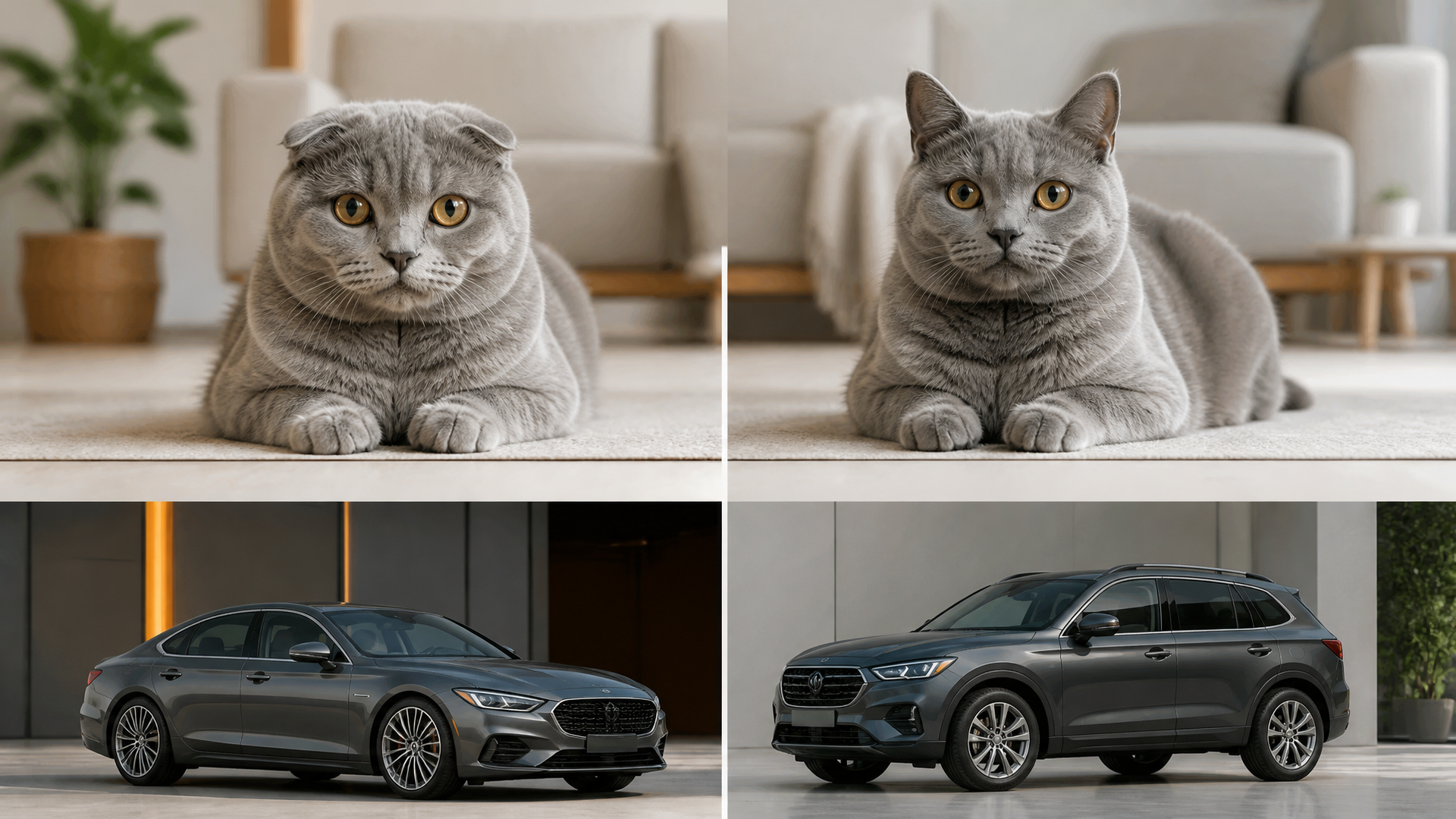
If you’ve spotted a silvery-gray Scottish Fold with those signature folded ears, you’re looking at a Scottish Fold Blue. “Blue” isn’t a separate breed—it’s a dilute black coat that creates a soft, dove-gray color. Blue Scottish Folds share the same affectionate, mellow personality as other Folds, but their dense double coat demands consistent grooming. This guide covers the blue coat’s genetics, daily care routines, breed-specific health risks, and a save-worthy checklist.

What Makes a Scottish Fold “Blue”?
The blue coat comes from the dilution gene (dd), which turns black into a muted blue-gray. It’s the same gene that produces “blue” in Russian Blues and British Shorthairs. The color is solid across the body, though kittens may show faint tabby ghost markings that fade by adulthood. Eye color is typically gold or copper—blue eyes are very rare and usually point to a mixed background.
Coat texture is a plush double coat with a silky outer layer and a soft insulating undercoat. Blue Scottish Folds shed moderately year-round, with heavier blowouts in spring and fall. That shedding means weekly vacuuming and a regular brushing habit are non-negotiable.
The Big Decision: Folded vs. Straight Ears
Here’s the most important decision you’ll make with this breed. The folded ears come from a dominant gene mutation that affects cartilage throughout the cat’s body—not just the ears. That same gene can cause osteochondrodysplasia (OCD), a painful joint condition that leads to stiff gait, shortened limbs, and arthritis. Not every Fold develops symptoms, but the risk is real and unpredictable.
If you’re set on the folded-ear look, buy from a breeder who screens for OCD and provides a health guarantee. If you prioritize long-term health over ear shape, choose a straight-eared Scottish Fold (sometimes called a Scottish Straight)—same personality, same coat colors, zero fold-related joint risks.
Decision rule: A folded-ear cat from a screened breeder will cost more ($1,500–$3,000) and require ongoing joint monitoring. A straight-eared cat from the same breeder costs less and avoids the biggest health gamble of the breed. If you already own a folded-ear Fold, start joint support (glucosamine, omega-3s) early and watch for limping.
Verification step you can do right now: Before you put down a deposit, ask the breeder for radiographs (X-rays) of both parents’ joints and a written health guarantee covering OCD for at least two years. A responsible breeder will share these without hesitation. If you get pushback or vague answers, walk away.
If you adopt or rescue a Fold with unknown lineage, budget for potential orthopedic care and pet insurance that covers hereditary conditions.
Temperament & Personality: What to Expect
Scottish Folds are people-oriented, calm, and moderately active. Coat color has zero effect on personality. They often:
- Follow you from room to room
- Sit or lie in unusual positions—the “Buddha” pose is a breed trademark
- Get along well with children and other pets if socialized young
- Enjoy interactive play (fetch, wand toys) but are not hyperactive
- Adapt well to apartment living as long as they have vertical space (cat trees, shelves)
One realistic mismatch: if you want an independent cat who doesn’t need much attention, a Scottish Fold isn’t the right fit. They thrive on human interaction and can become depressed if left alone for long hours daily.
Grooming & Coat Care for Your Blue Scottish Fold
Because the double coat mats easily, you need a consistent grooming routine. Here’s an operator flow that works for most cats.
What You’ll Need
- Slicker brush (Hertzko or Safari) for removing loose hair and preventing mats
- Pin brush for the final smoothing pass
- Wide-toothed comb for checking behind ears and along the belly
- Nail grinder or clippers (Dremel or Millers Forge)
- Cat-specific detangling spray for dry winter coats
- Coconut oil (food-grade) for stubborn mats
Grooming Flow: 5 Minutes Per Session
Step 1: Pre-check. Run your fingers through the coat. Feel for mats or tangles, especially in the armpits, belly, and behind ears. Common mistake: skipping this step and diving in with a brush can push small tangles into mats.
Step 2: Slicker brush. Brush in sections starting at the neck, working backward. Use short, gentle strokes. Focus on the undercoat—that’s where mats start. If the coat feels static-y, spray a light mist of detangling spray on the brush (not directly on the cat).
Step 3: Mat check. If you find a mat, gently work it apart with your fingers before using a comb. Never pull a mat out—it hurts the cat and can break the coat.
Expert tip #1: For stubborn mats, apply a tiny amount of coconut oil to the mat and let it sit for 5 minutes, then comb gently. Rinse if needed. Common mistake: cutting mats out with scissors—you can easily nick the cat’s thin skin.
Step 4: Pin brush. Smooth the coat in the natural direction of hair growth.
Step 5: Nail check. Trim or grind nails every 2–3 weeks. If you hear clicking on hard floors, it’s time. Common mistake: cutting too close to the quick. If you’re unsure, use a grinder with a guard and take off tiny bits at a time.
Step 6: Ear check. Scottish Folds have small folded ears that can trap moisture and debris. Look for redness, odor, or waxy buildup. Clean only with a vet-recommended solution and a cotton ball—never use Q-tips inside the ear canal.
Checkpoint: If at any step you find a mat that won’t separate, stop brushing and schedule a vet or professional groomer visit. Attempting to cut out mats yourself can injure your cat.
Escalation signal: Your cat suddenly hates being groomed. That could mean a hidden sore spot, arthritis, or a missed mat. Stop, check for skin irritation, and call your vet if you can’t find the cause.
Success check: After brushing, the coat should feel smooth without any lumps or bumps. Your cat should be relaxed, not stressed.
How Often
- Daily brushing during shedding seasons (spring and fall)
- Every other day the rest of the year
- Bath only every 6–8 weeks, or when your cat gets into something messy
Health Considerations in Blue Scottish Folds
The blue coat itself doesn’t add health risks, but the breed does. Here’s what to watch for:
Osteochondrodysplasia (OCD) – This genetic condition affects cartilage development and causes painful joint deformities. Fold-eared cats are especially prone. Symptoms include a stiff gait, reluctance to jump, and shortened limbs. Not every Fold develops symptoms, but the risk is real. Buy from a breeder who screens for OCD and can show proof of clear X-rays.
Polycystic kidney disease (PKD) – Scottish Folds can carry the gene for PKD, which causes kidney cysts. Ask for a genetic test or ultrasound result from the breeder.
Obesity – Because they’re less active than some breeds, Scottish Folds can pack on weight easily. Feed measured portions and encourage daily play sessions.
Expert tip #2: Start weight-checking your Scottish Fold weekly from kittenhood. Use a baby scale or step on a bathroom scale holding your cat, then subtract your weight. A steady weight line helps catch obesity before it becomes a problem. Write the number down—memory isn’t reliable.
When to Call the Vet
- Your cat is limping or avoids jumping
- You notice a lump or swelling on the joints
- Your cat suddenly stops grooming or eating
- Ear discharge or repeated head shaking
- Your cat hides more than usual or stops using the litter box
Feeding Your Scottish Fold Blue
A high-quality cat food maintains healthy weight and a shiny coat.
| Life Stage | Food Type | Feeding Schedule |
|---|---|---|
| Kittens (under 1 year) | Kitten formula (Royal Canin Kitten or Hill’s Science Diet Kitten) | 3–4 small meals per day |
| Adults (1–7 years) | Named protein source (chicken, salmon, turkey), moderate fat (15–20%). Royal Canin makes a Scottish Fold Breed-Specific Dry Food that supports joint and heart health | 1/3 to 1/2 cup per day, split into two meals |
| Seniors (7+ years) | Senior formula with glucosamine and omega-3s for joints | Same portion, adjust based on activity |
Portion guideline: An adult Scottish Fold (8–12 lbs) needs about 1/3 to 1/2 cup of dry food per day, split into two meals. Adjust based on activity level. Always measure—free-feeding leads to obesity.
Water: Use a ceramic or stainless steel fountain. Scottish Folds can be picky about stagnant water. A fountain encourages drinking and helps prevent urinary issues.
Expert tip #3: Don’t free-feed treats. Even a small extra treat adds up in a 10-lb cat. Use treats only for training or grooming rewards, and break them into tiny pieces. One treat per day max.
Is a Blue Scottish Fold Right for You?
| If you… | Consider… |
|---|---|
| Want the classic folded ears and are prepared for potential joint care | A folded-ear blue Scottish Fold from a breeder who screens for OCD and provides a health guarantee |
| Prefer a healthier cat with fewer genetic risks | A straight-eared Scottish Fold (same personality, no ear fold) in blue or any color |
| Already have other pets or children | A socialized Scottish Fold—they usually adapt well, but introduce slowly over 1–2 weeks |
| Need a low-shedding cat | Scottish Folds shed moderately—not hypoallergenic. Consider a Sphynx or Cornish Rex if allergies are severe |
| Work long hours away from home | Not ideal unless you have another cat or a pet sitter—Folds need companionship |
Save This Guide: Blue Scottish Fold Care Quick Reference
Your blue Scottish Fold will be a loyal, affectionate companion for 12–15 years. Keep this checklist handy:
- Daily: Brush (during shedding seasons) or every other day; 10–15 minutes of interactive play; check food and water
- Weekly: Nails; ear check; inspect for mats; weigh your cat; rotate toys
- Monthly: Bath (if needed); brush teeth (start early with feline toothpaste); clean food and water bowls
- Yearly: Vet checkup including bloodwork and joint evaluation
Top takeaway: The blue coat is stunning, but the real value is a healthy cat. Vet-check your breeder, commit to a grooming routine, and stay on top of joint health.
This post contains affiliate links. We may earn a commission on purchases made through these links.