Most Desirable Color of Pembroke Corgi
The most desirable color of Pembroke Corgi depends on your goal. For show-quality conformation, tricolor (red, black, and white) wins consistently in the ring. For a healthy family companion, any AKC-standard color — red, sable, fawn, or tricolor — is equally good.

The counter-intuitive truth: chasing trendy or rare colors like merle or brindle usually means you are supporting a backyard breeder. Those dogs can carry serious health issues. Stick with standard colors from a reputable breeder every time.
Standard Colors vs. Non-Standard: What Changes by Your Goal
This is where the answer splits. If you plan to show your Corgi competitively, color matters a great deal. If you want a family pet, it barely matters at all — but color can still signal whether you are looking at a responsibly bred dog.
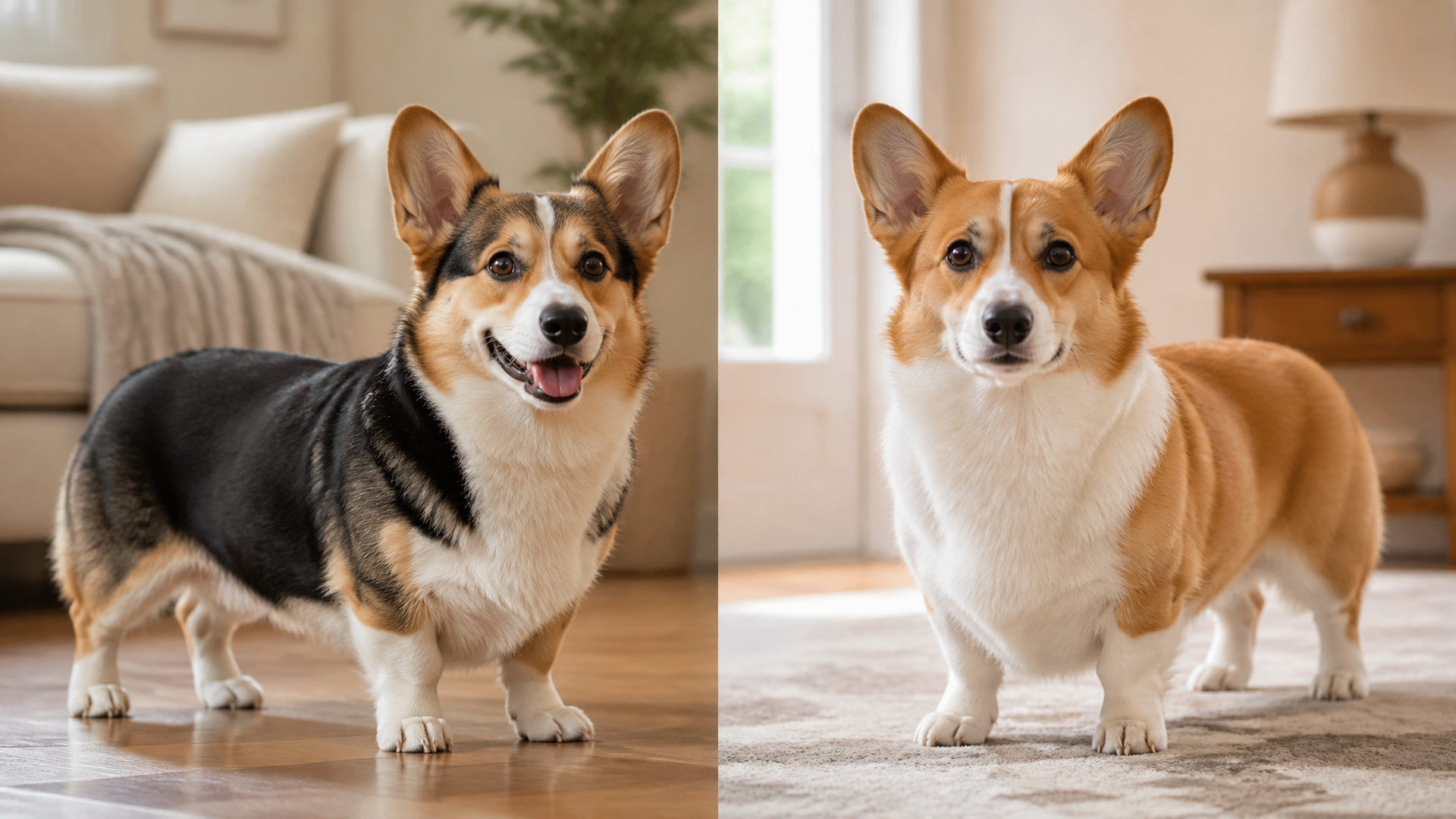
The AKC breed standard for Pembroke Welsh Corgis allows four color groups:
- Red (solid or with white markings) – most common, about 60–70% of Pembrokes
- Sable (red with black-tipped guard hairs) – less common, striking but standard
- Fawn (pale reddish‑tan) – rare but accepted
- Tricolor (red and black with white points) – very common in show rings
Applicability boundary: If you are buying a show prospect, tricolor is the safest bet. If you are buying a pet, any of these four colors is fine — but anything outside these four is a red flag.
| Color | Show Acceptable? | Rarity | Health Red Flags | Typical Price Impact |
|---|---|---|---|---|
| Red | Yes | Common | None (standard) | Baseline |
| Sable | Yes | Less common | None (standard) | Slightly higher for unique coat |
| Fawn | Yes | Rare | None (standard) | Can be higher due to scarcity |
| Tricolor | Yes | Very common in shows | None (standard) | Baseline to moderate |
| Merle | No | Rare (but undesirable) | Deafness, eye issues, high breeding risk | Inflated + risky |
| Brindle | No | Rare | Often mixed with Cardigan | Avoid unless verified |
Practical implication: What does this mean for your next step? If a breeder is charging a premium for a “rare” color like merle or brindle, walk away. You are paying extra for a dog that cannot be shown, may have hidden health problems, and is likely from a line that prioritizes looks over health. A standard-colored puppy from a health-tested line will always be the better value.
3 Expert Tips for Choosing a Pembroke Corgi Color
Tip 1: Prioritize the Breeder, Not the Color
A responsible breeder will focus on health testing (hips, eyes, cardiac) and temperament, not coat color. If a breeder heavily markets a “rare” color, they are likely cutting corners on health screening.
- Actionable step: Ask for OFA or PennHIP certification for both parents. Request eye clearance from a board-certified ophthalmologist within the past 12 months.
- Common mistake: Falling for a “rare red‑headed tricolor” that is actually just a poorly marked tricolor — breeders sometimes invent color names to justify higher prices.
Tip 2: Know the Genetic Risks of Non‑Standard Colors
Merle patterning in Pembroke Corgis is caused by the M allele. In Pembrokes, this gene has been linked to deafness, microphthalmia (abnormally small eyes), and increased risk of skin cancer in unpigmented areas. The AKC does not register merle Pembrokes, and reputable breed clubs oppose breeding for this color.
- Actionable step: Request a DNA test for the merle gene (available through the Orthopedic Foundation for Animals or Paw Print Genetics) before committing.
- Common mistake: Assuming a merle Pembroke is a “rare find” — it is almost always a cross with a Cardigan Welsh Corgi (which can carry merle) or an unscrupulous breeding. Two merle carriers bred together produce 25% puppies with severe health issues.
Tip 3: Factor in Coat Maintenance — It’s Not Just About Looks
Color does not change the grooming routine (weekly brushing with a slicker brush and undercoat rake, seasonal blowouts twice a year). But lighter colors show dirt and tear stains more obviously. Tricolor often hides mud and stains between baths.
- Actionable step: Choose a color that fits your tolerance for upkeep. If you hate frequent bathing, tricolor or red hides dirt better than fawn or sable.
- Common mistake: Buying a white‑faced tricolor and thinking it is a “blue merle” — it is still a standard tricolor. Check the coat base color under good light.
How to Verify a Pembroke Corgi’s Color (Step‑by‑Step)
If you are looking at a puppy or adult and want to confirm it is a true Pembroke with a standard color, follow this flow:
1. Check the breed standard — go to the Pembroke Welsh Corgi Club of America website and read the color section. Bookmark it.
2. Ask for the pedigree — both parents should be AKC‑registered Pembrokes. Ask to see registration certificates.
3. Examine the dog for disqualifiers under natural light:
- Blue eyes (any shade) — not allowed
- Merle pattern (marbled or blotchy coat) — not allowed
- Solid black without white markings — not allowed
- Brindle (tiger‑striped) — not allowed
4. Request health records — ask for hip and eye clearance reports and a hearing test (BAER test) if the pup has excessive white on the head.
Likely cause of confusion: Many people mistake a “red-headed tricolor” (an adult tricolor whose black coat has faded to mostly red) for a different color. It is still tricolor. If the puppy had black and white at birth with small tan points, it will likely be tricolor as an adult, even if it looks mostly red later.
Escalation signal: If the breeder cannot or will not provide clear health records, resists talking about color genetics, or says “the AKC doesn’t register this color but it’s still purebred,” walk away. A healthy, standard‑colored Pembroke from a good breeder is always a better choice than a “rare” color with unknown risks.
Success check: You have confirmed a standard color if the dog matches one of the four AKC groups, has brown eyes, and both parents are AKC‑registered Pembrokes with current health clearances.
FAQ: Most Desirable Color of Pembroke Corgi
Q: Is red the most popular color?
Yes, red is the most common — about 60–70% of Pembrokes are red or red with white. It is also the color most people picture when they think “corgi.”
Q: Does color affect the price?
In ethical breeding, no — price should reflect health testing, lineage, and temperament, not color. Unscrupulous breeders may charge more for sable or tricolor, but that is a marketing tactic, not a value indicator.
Q: Are sable Pembrokes rare?
Sable is less common than red but still within the standard. It is not rare enough to justify a significant price premium. A responsibly bred sable puppy should cost about the same as a red or tricolor.
Q: Can a Pembroke Corgi be merle?
No. A true purebred Pembroke cannot be merle. If you see a merle “Pembroke,” it is either a Cardigan Welsh Corgi (which can be merle) or a crossbreed. Avoid these — the health risks are real and well‑documented.
📌 Save This Guide
The most desirable color of Pembroke Corgi is the one that comes from a health‑tested, reputable breeder — whether red, sable, fawn, or tricolor. Ignore “rare” color claims and focus on clear health records, a complete pedigree, and a breeder who prioritizes temperament over coat trends.
Disclosure: Some links in this article are affiliate links. If you purchase through them, we may earn a small commission at no extra cost to you.