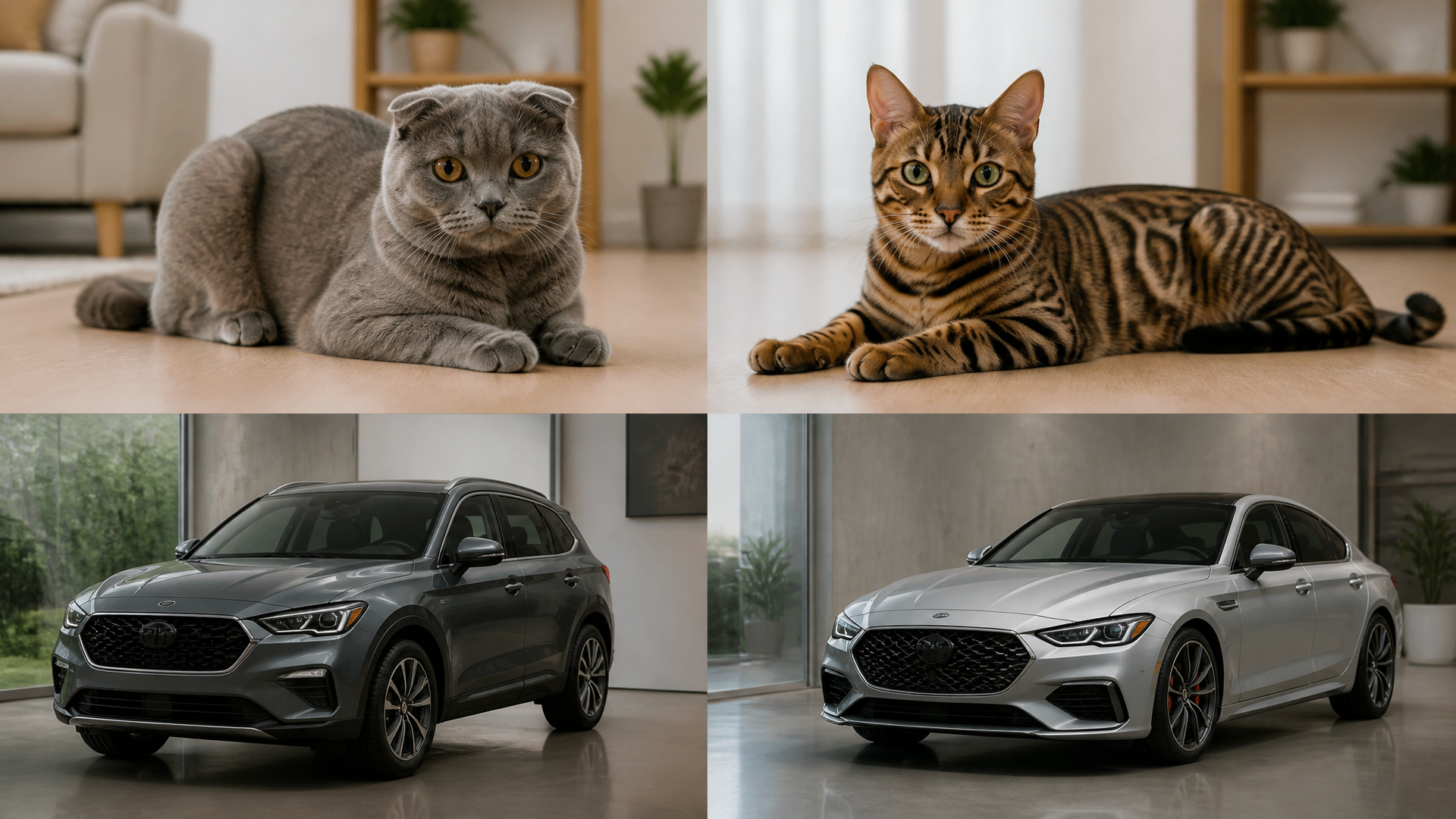
Scottish Fold Life Expectancy
Scottish Folds typically live 11 to 15 years, and many reach 15 or older with consistent preventive care. The folded ears come from a genetic mutation that affects cartilage throughout the body, making joint health the single biggest factor in lifespan. This range applies only to cats from ethical breeders who health-test both parents — cats from unverified sources often live 6–9 years due to unchecked osteochondrodysplasia, heart disease, and kidney failure.

Without yearly echocardiograms, kidney ultrasounds, and early joint support, the breed’s average drops to 8–10 years. Budget an extra $500–1,000 per year for preventive care beyond routine vet visits. A Scottish Fold is not a low-maintenance cat.
Two Health Threats That Shorten Lifespan
Osteochondrodysplasia (Joint Disease)
The folded-ear gene (Fd) causes abnormal cartilage development. Arthritis can start as early as age 2. Watch for a stiff gait, reluctance to jump, or swollen hocks.
Take action: Add a glucosamine/chondroitin supplement (like Cosequin for Cats) or a joint-support diet (Hill’s Prescription Diet j/d) before symptoms appear, ideally by age 1. The common mistake is waiting until your cat limps — by then cartilage damage may be irreversible.
Hypertrophic Cardiomyopathy (HCM) and Polycystic Kidney Disease (PKD)
HCM thickens heart muscle and can cause sudden collapse. PKD slowly destroys kidney tissue. Both often show no signs until advanced. The only way to catch them: an annual echocardiogram (or NT-proBNP blood test) for HCM and a kidney ultrasound for PKD, starting at age 2. A single breeder health certificate at 8 weeks old does NOT cover late-onset disease.
Skipping these screenings saves $300–500 per year, but it dramatically increases the risk of losing your cat to an undetected condition before age 8. That trade-off isn’t worth it.
3 Expert Tips to Extend Your Fold’s Lifespan
Start Joint Care Before Age 2
Actionable step: At your kitten’s first vet visit, ask about starting a joint supplement at 6 months. Many vets recommend Cosequin or Dasuquin for cats — one sprinkle on wet food daily.
Common mistake to avoid: Waiting until your cat is stiff or limping. Once cartilage damage is visible on X-rays, you’re managing pain, not preventing progression.
Weigh Your Cat Monthly
Actionable step: Use a baby scale every 4 weeks. Log the number. If your cat gains 0.5 lb or more in one month, reduce treats by half or switch to single-ingredient freeze-dried treats (like PureBites).
Common mistake to avoid: Free-feeding dry food. Scottish Folds are prone to boredom eating, and even 1 extra pound adds significant stress on arthritic joints. Feed measured meals only — wet food is best.
Screen for PKD and HCM Annually
Actionable step: Request a kidney ultrasound and either an echocardiogram or NT-proBNP blood test at your yearly checkup. Find a veterinarian experienced in feline cardiology — ask your local cat-only clinic.
Common mistake to avoid: Assuming “clear” papers from the breeder mean lifelong immunity. PKD and HCM can develop later in life. Annual screening is your only safety net.
Quick Fit Check: Is a Scottish Fold Right for You?
Use these 7 yes/no checks before bringing one home. Answering “no” to two or more means a different breed may be a better fit.
1. Can you afford $500–1,000 extra per year for joint supplements, routine screening, and possible specialist visits?
2. Do you have time for 15+ minutes of interactive play daily to maintain a healthy weight?
3. Is your home mostly one level, or can you install ramps to furniture to reduce jumping stress?
4. Will you commit to an annual vet visit plus one specialty screening (heart or kidney ultrasound)?
5. Are you willing to feed a high-quality wet food only (no free-fed dry kibble)?
6. Are you prepared for possible mobility issues as early as age 3–5?
7. Will you buy only from a breeder who provides written proof of health testing on both parents for PKD, HCM, and the fold-gene mutation?
Decision criterion that changes the recommendation: If you answered “no” to #4 (annual screening), your Scottish Fold’s lifespan will likely fall short of 11 years — most early deaths in the breed stem from undetected HCM or PKD, not old age. Without that commitment, a Scottish Straight (the same breed with straight ears and no joint risk) may be a safer choice.
How to Verify a Responsible Breeder
Ask for dated echocardiogram and kidney ultrasound results from both parents within the past year. Call the listed veterinary clinic and confirm. Many breeders also provide genetic testing for the Fd gene — a responsible pairing puts one folded-eared cat with a straight-eared cat to produce healthy kittens. If a breeder refuses to share health records or only shows a generic “vet check” paper, walk away.
Scottish Fold Lifespan Compared to Other Breeds
| Breed | Average Lifespan | Key Health Wildcard |
|---|---|---|
| Scottish Fold | 11–15 years | Osteochondrodysplasia – joint pain starting age 2 |
| Persian | 12–17 years | PKD, breathing issues |
| Ragdoll | 12–16 years | HCM |
| Maine Coon | 10–13 years | HCM, hip dysplasia |
| Sphynx | 8–14 years | HCM, skin infections |
Scottish Folds sit in the middle — their joint disease risk is higher than most, but with proactive care their lifespan rivals many popular purebreds.
Save This Guide
Scottish Folds live 11–15 years on average, but only if you start joint supplements before age 2, screen for HCM and PKD annually, and maintain a lean weight. Keep this checklist handy when planning your Fold’s wellness routine — and always demand health test results from the breeder.
As an Amazon Associate, we earn from qualifying purchases. Joint supplements like Cosequin, kidney-friendly diets (Hill’s Prescription Diet k/d), and orthopedic cat beds are available through major pet retailers. Ask your vet for specific product recommendations for your cat.