13-inch vs 15-inch Beagle Differences
Quick answer
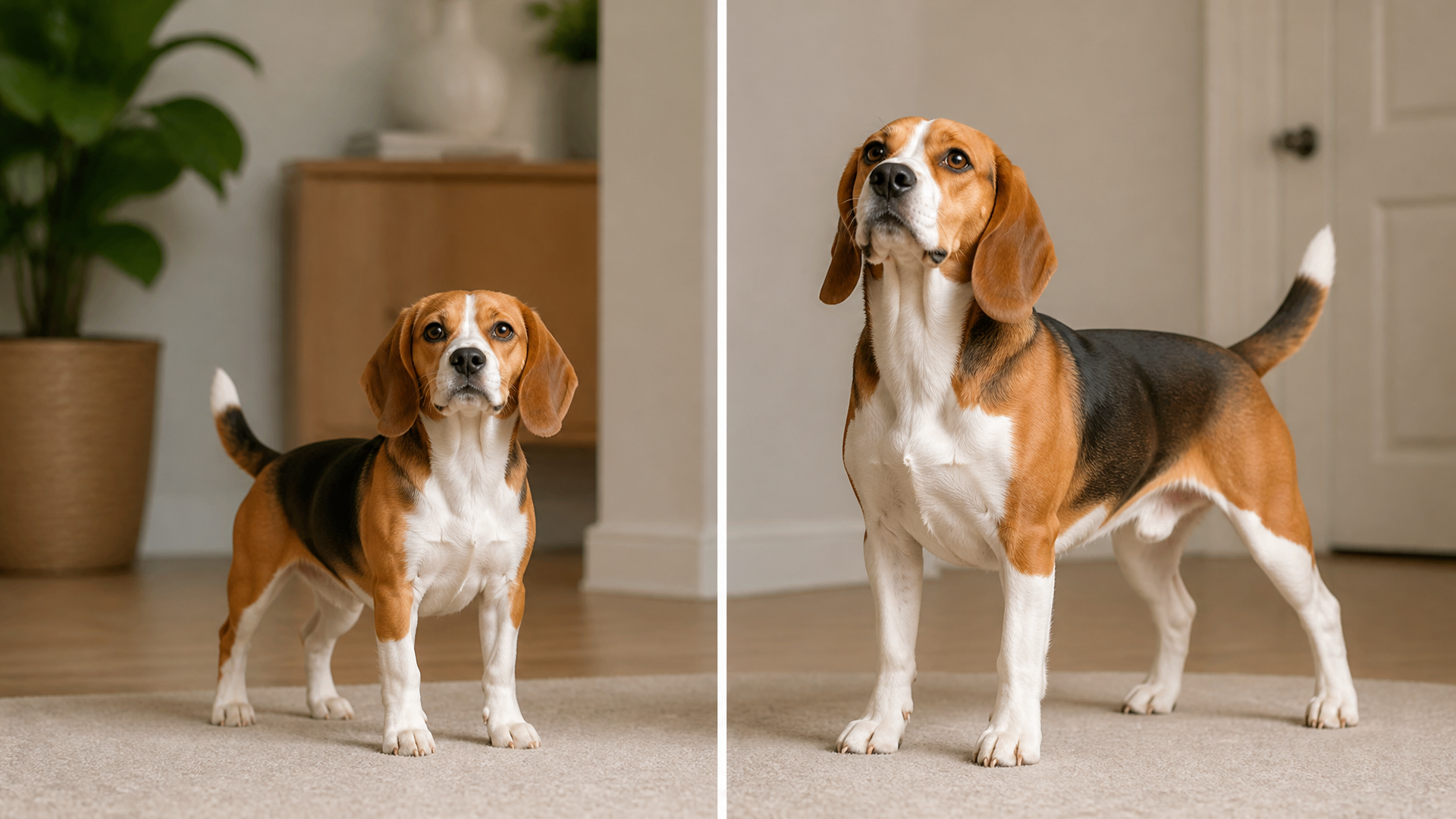
The difference between a 13-inch and 15-inch Beagle isn’t just 2 inches of height. It affects exercise needs, health risks, and whether this dog fits your home and lifestyle. The 13-inch (under 13 inches at the shoulder, 15–20 lbs) is better for apartments and first-time owners. The 15-inch (13–15 inches, 20–30 lbs) suits active families, hunters, and experienced owners who can meet higher exercise and health-cost demands.

Before you decide, run through these five fit/no-fit checks:
- Your home size: 13-inch fits apartments and small houses. 15-inch needs at least a yard or daily park trips.
- Your daily exercise budget: Can you give a 15-inch 45–60 minutes of active walking? If not, lean toward the 13-inch.
- Your noise tolerance: Both bark and howl, but the 15-inch has a louder, fuller voice.
- Your health coverage plan: 15-inch Beagles are more prone to hip dysplasia and intervertebral disc disease (IVDD). Factor in pet insurance or savings.
- Your hunting or scent-work interest: 15-inch Beagles are more common in field trials. If you want a serious nose worker, go 15-inch.
Comparison framework
Here’s how the two sizes stack up side by side:
| Factor | 13-Inch Beagle | 15-Inch Beagle |
|---|---|---|
| Height at shoulder | Under 13 inches | 13–15 inches |
| Weight range | 15–20 lbs | 20–30 lbs |
| Energy level | Moderate | High |
| Daily exercise needed | 30–40 minutes | 45–60+ minutes |
| Common health issues | Obesity, ear infections | Hip dysplasia, IVDD, obesity |
| Average lifespan | 12–14 years | 10–12 years |
| Good for apartments | Yes, with enough walks | Challenging unless extremely active owner |
| Bark volume | Moderate | Louder, deeper howl |
| Scent drive | Strong | Very strong |
| Best for | First-time owners, seniors, apartment dwellers | Active families, hunters, experienced owners |
Counter-intuitive angle: Most guides say 13-inch Beagles are easier — and that’s true for space. But 15-inch Beagles actually have a reputation for being slightly more trainable because they’re used more often in working and hunting contexts. That doesn’t mean a 13-inch is untrainable, just that a 15-inch may respond better to consistent, reward-based training from a firm handler.
Best-fit picks by use case
The Apartment or Condo Owner → 13-Inch Beagle
A 13-inch Beagle can thrive in a small space as long as you commit to regular walks and mental stimulation. They manage stairs better and are easier to lift into cars or onto furniture. A small orthopedic dog bed (roughly 20 x 24 inches) fits them perfectly without wasting floor space.
Expert tip: Use a short 4- to 6-foot leash for walks — retractable leashes encourage pulling and train your Beagle to ignore your commands. A common mistake is letting the Beagle sniff every single scent without moving on. Set a sniff-break rule: 5 minutes of free smelling, then a prompt to move.
The Active Family or Hiker → 15-Inch Beagle
If you want a trail partner or hunting companion, the 15-inch Beagle has more stamina and a stronger drive to follow a scent for miles. They need more food — about 1.5–2 cups of high-quality kibble daily versus 1–1.5 cups for the 13-inch. A well-fitted front-clip harness in medium or large gives you better control on hikes without choking.
Expert tip: Start leash training early and consistently. A 15-inch Beagle that learns it can pull will be a handful for years. A common mistake is letting them off-leash in an unfenced area. Beagles follow their nose and can run off for hours — always use a 15-foot long line or secure a fully fenced space.
The Senior or Less-Experienced Owner → 13-Inch Beagle
The 13-inch is lighter, less likely to knock you over, and easier to manage during vet visits or grooming. They are also less prone to IVDD, a painful spinal condition more common in longer-backed 15-inch Beagles. A small step stool or folding pet ramp helps them get on the bed or couch safely without jumping.
Expert tip: To prevent obesity — which hits both sizes hard — measure food portions with a kitchen scale instead of a scoop. A common mistake is leaving food out all day. Beagles are food-driven and will overeat; feed two measured meals per day instead.
The Scent-Work Hobbyist → 15-Inch Beagle
If you plan to do nose work, barn hunt, or other scent-based sports, the 15-inch Beagle typically has a slight edge in stamina and drive. That said, a 13-inch Beagle can still excel — size alone doesn’t determine nose talent. Both sizes respond best to high-value treats like freeze-dried liver or cheese during training. Use those rewards only for focused scenting, not for general calm behavior.
Trade-offs to know
Health and Lifespan
The 13-inch Beagle generally lives longer and has fewer joint problems. The 15-inch Beagle’s heavier frame puts more stress on hips and spine. If you’re considering a 15-inch, prioritize a breeder who screens for hip dysplasia and IVDD. Also, ask your vet about payment plans for preventive care — it’s easier to budget for annual checkups than emergency surgeries.
Exercise Reality
A 15-inch Beagle’s exercise needs are non-negotiable. If you skip walks, you’ll get destructive chewing, excessive howling, or escape attempts. The 13-inch Beagle can tolerate a lazy day here and there, though both sizes need daily activity to stay healthy and calm.
Training Stubbornness
Both sizes are famously stubborn. But the 15-inch Beagle, with its working background, may be slightly more responsive to firm, consistent training. The 13-inch can be more of a cuddler than an eager student. Neither is easy, and both require patience.
Cost of Ownership
The 15-inch Beagle eats more, needs larger crates and beds, and has higher potential vet bills for orthopedic issues. Budget roughly 15–25% more annually for a 15-inch compared to a 13-inch Beagle.
What This Means for Your Next Move
If you live in an apartment or have a modest exercise budget, the 13-inch is the safer pick — it adapts better to your space and routine. If you’re an active household or plan to hunt or do scent work, the 15-inch justifies its higher costs with greater stamina and drive. Pick the size that matches your real life, not the one that looks cuter in photos.
How to Confirm Which Size a Puppy Will Be
Ask the breeder for the parents’ heights at the shoulder (measured with a wicket or measuring stick). If both parents are under 13 inches, the puppy will almost certainly be a 13-inch. If one parent is over 13 inches, expect the puppy to reach the 15-inch range. Puppy paw size is not a reliable indicator — many 13-inch Beagles have large paws that look like they’ll grow into a bigger dog, but they don’t.
What Can Go Wrong With the Wrong Size Choice
A 15-inch Beagle in a small apartment with an owner who skips daily walks is a recipe for destructive behavior — chewed baseboards, nonstop howling, and escape attempts through windows or under fences. A 13-inch Beagle in a home with large, rowdy dogs or young children who play rough may get injured more easily because of its smaller frame. Matching the size to your environment isn’t just about comfort — it prevents real behavioral and safety problems down the line.
Related questions
Q: Can 13-inch and 15-inch Beagles live together?
Yes, they can — the size difference is minor enough that they play well together. Just monitor food guarding, as Beagles are food-driven. Feed separately if needed.
Q: Which size is better for children?
Both sizes are good with kids, but the 13-inch is less likely to accidentally knock over a toddler during excited zoomies. The 15-inch is sturdy enough for older, active children who can handle a boisterous dog.
Q: Are 13-inch Beagles healthier than 15-inch Beagles?
On average, yes. The 13-inch has a lower incidence of hip dysplasia and IVDD, though they are equally prone to ear infections and obesity. Regular vet checkups matter for both sizes.
Q: Do 13-inch Beagles shed less than 15-inch?
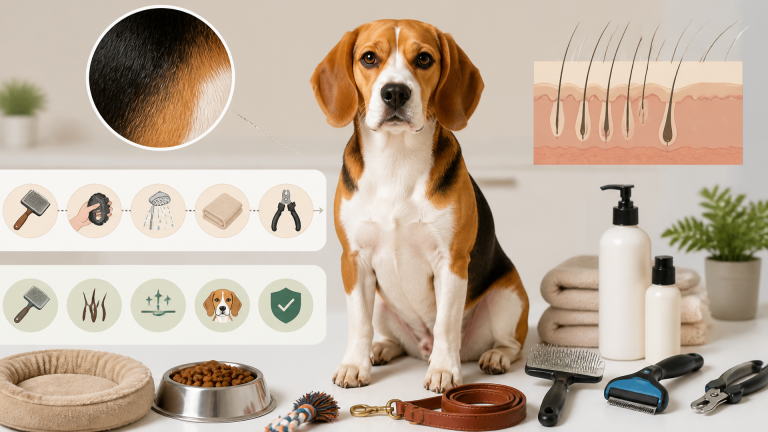
No — both sizes have the same double coat and shed moderately year-round, with heavier shedding in spring and fall. Grooming needs are identical.
Q: Which size is easier to train?
Neither is easy. The 15-inch may have a slight advantage in field-trial lines, while 13-inch show-line Beagles can be more laid-back. Focus on the breeder’s temperament and your training consistency, not just the inch measurement.
Save This Guide: The 13-inch Beagle works best for apartments, first-time owners, and lower exercise budgets. The 15-inch Beagle suits active families, hunters, and experienced owners who can meet its higher exercise and health-cost needs. Both sizes need secure fencing, measured meals, and regular mental stimulation to thrive. This article contains affiliate links. If you buy through these links, we may earn a commission at no extra cost to you.