How Long do Turkish Angoras Live For
Turkish Angoras typically live 12 to 18 years, with most indoor cats reaching 15–18 years when well cared for. Some have been known to reach their early 20s. The single biggest factor determining their lifespan is whether they live indoors or have outdoor access.

What this means for you: If you’re choosing between breeds, the Turkish Angora’s 12–18 year lifespan means a long-term commitment — plan for food, vet visits, and lifestyle adjustments over nearly two decades. If you already own one, the single most impactful decision you can make today is keeping them strictly indoors. Every year outdoors cuts their average lifespan by roughly 3–5 years.
Turkish Angora Lifespan: At a Glance
| Living Situation | Average Lifespan | Extra Notes |
|---|---|---|
| Strictly indoor | 15–18 years | Lowest risk of injury, disease, and accidents |
| Indoor/outdoor | 10–14 years | Higher risk from cars, predators, and fights |
| Outdoor only | 5–8 years | Significantly shortened due to environmental hazards |
The single biggest decision you can make to extend your Turkish Angora’s life is keeping them indoors.
What Actually Affects How Long Your Turkish Angora Lives
Genetics and Health Predispositions
Turkish Angoras are generally a healthy breed, but they do have a few genetic conditions to know about:
- Hypertrophic cardiomyopathy (HCM) — A heart condition that thickens the heart muscle wall. This is the most common heart disease in cats and can be detected early with annual heart screenings.
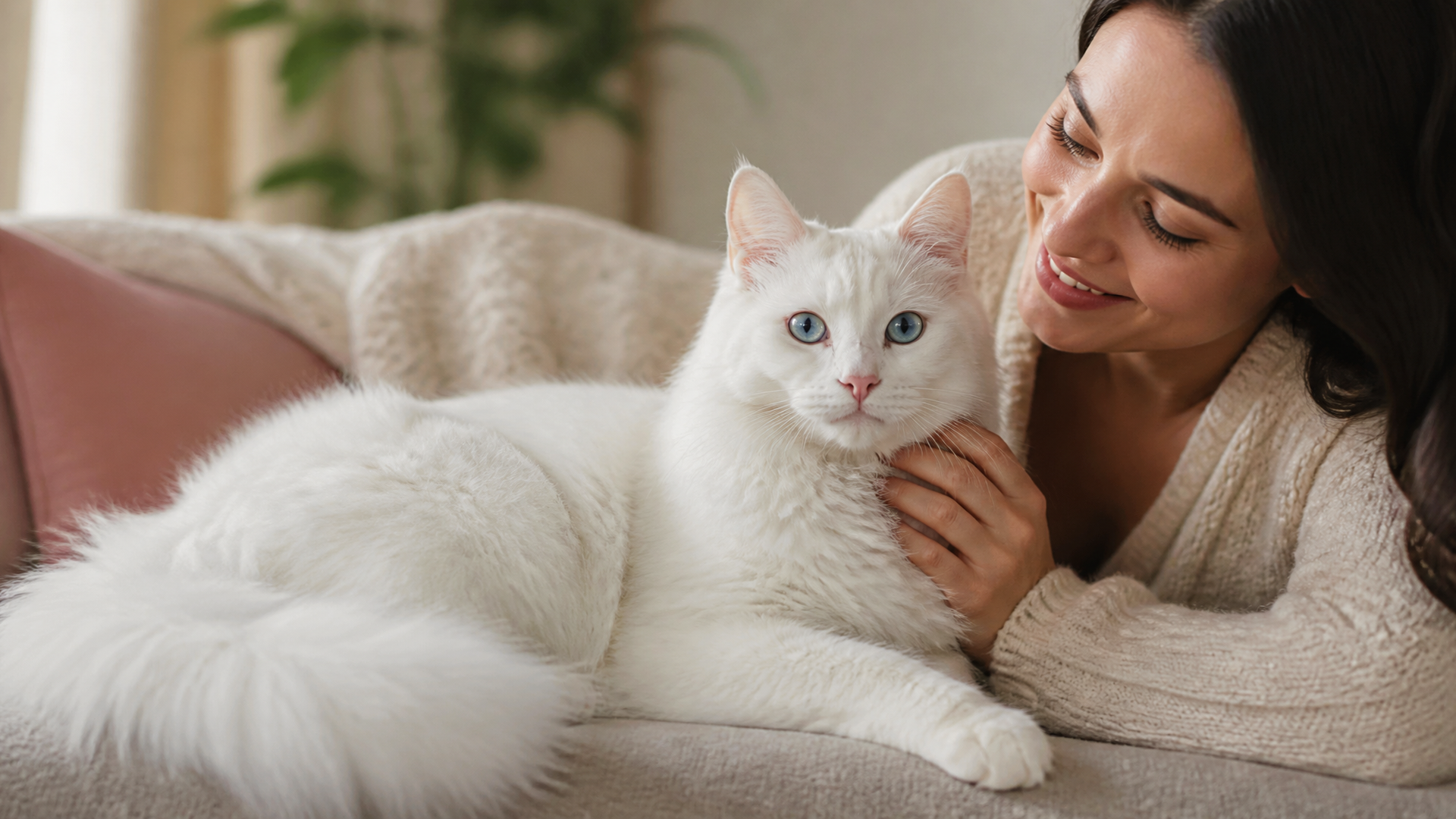
- Deafness — White Turkish Angoras with blue eyes have a higher chance of congenital deafness. It doesn’t affect lifespan directly, but a deaf cat needs extra safety measures indoors.
- Ataxia — A rare neurological condition that affects coordination. Kittens usually show symptoms by 3–4 weeks old.
How to verify health history: Ask your breeder for the parent cats’ echocardiogram results (ideally repeated within the last 12 months) and ensure the kitten had a recent veterinary check with a stethoscope exam. For white Angoras, request a BAER hearing test — it’s the gold standard for confirming deafness before bringing the kitten home.
Diet and Weight Management
Turkish Angoras are active, athletic cats, but they can still pack on pounds if overfed. Obesity is a major lifespan reducer because it leads to diabetes, arthritis, and heart problems.
- Feed a high-protein, low-carbohydrate wet food as the main diet
- Measure portions using a kitchen scale (not guessing with a scoop)
- Limit dry kibble — many Turkish Angoras self-regulate poorly on free-fed kibble
Practical tip: If you see your cat’s waistline disappear or can’t easily feel their ribs, cut back 10% on daily calories and weigh them weekly until they slim down.
Environment and Lifestyle
Turkish Angoras are curious, intelligent, and extremely active. They need:
- Vertical space — Cat trees, shelves, and window perches let them climb and survey their territory
- Daily play sessions — At least two 10–15 minute sessions of interactive play (wand toys, fetch, laser)
- Mental stimulation — Puzzle feeders, treat-dispensing toys, and training sessions for tricks
The real trade-off: While indoor life extends lifespan significantly, it requires real effort to prevent boredom. If you cannot provide daily interactive play and vertical climbing space, your Turkish Angora may develop destructive behaviors or stress-related illness — negating the lifespan benefit. A bored indoor Angora can lose years to stress-induced urinary issues or depression. If your schedule doesn’t allow two play sessions, consider a second cat for companionship or an automated laser toy.
Veterinary Care
Turkish Angoras should see a vet at least once a year for a wellness exam. After age 10, twice-yearly visits are recommended.
Key screening tests to request:
- Annual blood work (complete blood count and chemistry panel)
- Urinalysis (catches early kidney issues)
- Blood pressure check (cats can develop hypertension)
- Echocardiogram every 1–2 years for HCM screening (not just a stethoscope listen)
3 Expert Tips to Maximize Your Turkish Angora’s Lifespan
1. Invest in a Cat Water Fountain
Actionable step: Replace your water bowl with a stainless steel or ceramic cat fountain. Turkish Angoras are prone to kidney disease as they age, and adequate hydration is the best prevention. Running water encourages them to drink more, and the filtration keeps the water clean.
Common mistake to avoid: Using plastic bowls. Plastic holds bacteria in scratches and can cause chin acne. Stick with stainless steel or ceramic only.
2. Schedule Annual Dental Cleanings
Actionable step: Book professional dental cleanings under anesthesia starting at age 2–3, and brush your cat’s teeth 2–3 times per week with enzymatic cat toothpaste.
Common mistake to avoid: Skipping dental care because “my cat eats dry food, that cleans their teeth.” It doesn’t. Dental disease leads to tooth loss, heart infections, and kidney damage that can cut years off your cat’s life. If your cat resists brushing, try dental water additives or dental treats as a backup, but brushing is best.
3. Create a Safe “Yard” Indoors
Actionable step: Install window perches and a cat-safe window enclosure so your Turkish Angora can enjoy fresh air and bird-watching without actual outdoor risk. Catios or window hammocks are easy DIY projects.
Common mistake to avoid: Letting them out on a balcony without screening. Turkish Angoras are agile jumpers and can slip through gaps. Always supervise or install mesh netting. A screened-in catio is a safer alternative if you want outdoor access.
Preventive Care Checklist (Print and Save)
Use this checklist at each life stage to keep your Turkish Angora on track:
- ✅ Annual vet visit — Even if your cat seems healthy, don’t skip it
- ✅ Weight check — Record weight at every vet visit and at home monthly
- ✅ Teeth brushing — 2–3 times per week minimum
- ✅ Heart screening — Echocardiogram every 1–2 years after age 5
- ✅ Indoor safety check — No toxic plants, secure windows, no dangling cords
When to Call the Vet (Warning Signs)
Turkish Angoras are stoic cats — they hide illness well. Call your vet if you notice:
- Sudden weight loss or gain (more than 10% of body weight)
- Changes in appetite or water intake
- Litter box changes — straining to pee, blood in urine, or peeing outside the box
- Lethargy or hiding beyond a day
- Coughing or labored breathing
- Bad breath or drooling (dental emergency)
- Sudden behavior change (aggression, confusion, or disorientation)
Summary: Maximizing Your Turkish Angora’s Lifespan
Turkish Angoras are a long-lived breed with a lifespan of 12–18 years. Keep them indoors, feed a high-protein wet diet, brush their teeth, and schedule annual vet visits with heart and kidney screenings. The few extra dollars you spend on preventive care now can add years to your cat’s life.
This article contains affiliate links. As an Amazon Associate, we earn from qualifying purchases at no extra cost to you.
Frequently Asked Questions
How long do Turkish Angoras live compared to other long-haired cats?
Turkish Angoras (12–18 years) live about the same as Maine Coons (12–15 years) and Persians (12–17 years). Ragdolls average 12–15 years. The difference is smaller than most people think — it’s more about indoor vs outdoor than breed.
Are white Turkish Angoras with blue eyes deaf?
Not always, but the risk is higher. About 60–80% of white cats with two blue eyes are deaf from birth. White cats with one blue eye have about 30–40% risk. Bring them home knowing this — deaf cats can live full, long lives with a few simple adjustments (hand signals, vibration collars, and never letting them outside).
What is the most common cause of death in Turkish Angoras?
Kidney disease (chronic renal failure) and heart disease (HCM) are the top two causes in senior Turkish Angoras. Both are manageable if caught early through annual blood work and heart screenings.
Can I test my Turkish Angora for HCM at home?
Not accurately. You need a veterinary cardiologist or a vet trained in echocardiography. A stethoscope exam alone misses many early cases. If you’re concerned, ask about a proBNP blood test as a screening tool before booking the echo.