Shih Tzus Chewbaca Grumble
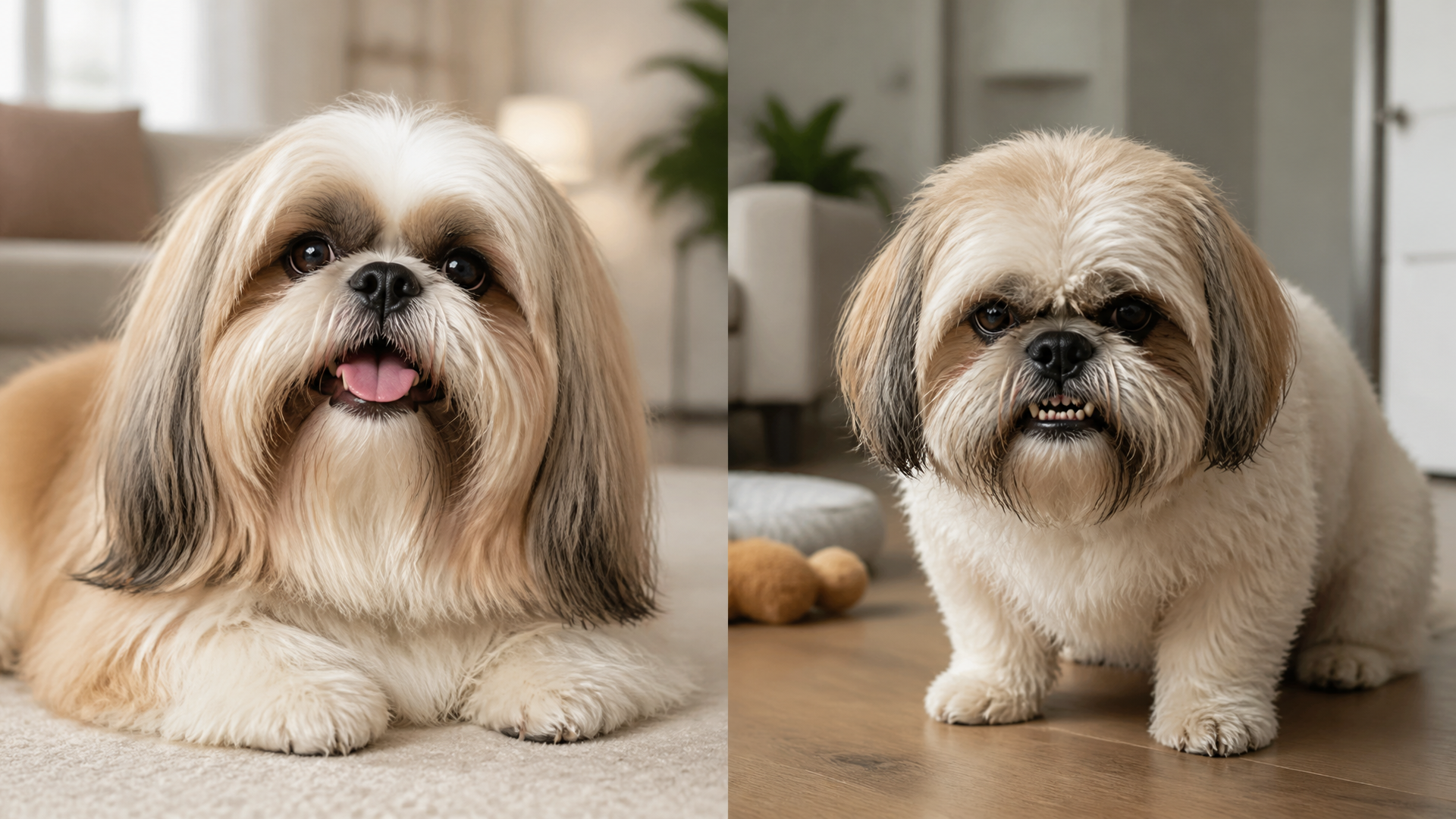
If your Shih Tzu makes a low, rumbly noise that sounds like Chewbacca, you’re hearing the breed’s famous grumble. In most cases it’s normal — but here’s the counter-intuitive truth most articles skip: that same “cute” noise can be an early warning sign for dental pain, breathing trouble, or anxiety. Learn to tell them apart so you know when to enjoy the rumble and when to act.

Why Shih Tzus Grumble — and What Each Version Means
Shih Tzus have flat faces and a soft palate that naturally makes them noisy. The same anatomy that causes adorable snorts can also produce throaty grumbles. But the meaning depends entirely on what’s happening in the moment.
The Happy Grumble (Contentment)
Low, steady rumble while being petted or cuddled. Ears relaxed, body loose, tail wagging softly. Action: Enjoy it — nothing to fix. Implication for next choice: If you hear this during lap time, you’ve confirmed your Shih Tzu is comfortable. Keep doing what you’re doing; no need to change your routine.
The Frustrated Grumble (Impatience)
Sharper, slightly higher pitch while waiting for dinner, a walk, or attention. Often paired with a paw lift or side-eye. Action: Give the desired item or redirect to a toy. If it becomes a habit, practice impulse control with short training sessions. Trade-off to watch: Some owners wait too long to respond, reinforcing the grumble as a communication tool. Respond promptly for immediate needs, but delay for attention-seeking so you don’t accidentally train the behavior.
The Anxious Grumble (Uncertainty)
Quiet, muffled grumble in new places or around strangers. Ears back, tail tucked, lip licking. Action: Remove the stressor or offer comfort. Repeated anxiety grumbling may need a positive-reinforcement trainer. Verification step: Watch the body language closely. If the ears stay back and the tail is tucked for more than 30 seconds after removal of the stressor, this is genuine anxiety — not just mild uncertainty. Record a 15-second video to show your vet or trainer.
The Respiratory Grumble (Warning Sign)
Wet, rattling grumble during or after exercise. Head extended, breathing labored. Action: Vet visit within 24 hours. This can signal a collapsed trachea or elongated soft palate — both common in brachycephalic breeds. Verification step: Place your hand gently on the side of your dog’s chest. If you feel vibration or hear a clicking sound with each breath during the grumble, it’s respiratory, not behavioral. Stop exercise immediately and cool your dog down.
The Dental Pain Grumble (Warning Sign)
Grumble only when eating or when you touch their jaw. Sometimes drooling or pawing at the mouth. Action: Schedule a dental check. Shih Tzus are prone to periodontal disease, and gum pain often shows up as a low grumble first. Realistic mismatch: Some owners mistake this for a “happy eating noise” and ignore it. If the grumble stops as soon as your dog finishes eating or when you stop touching the jaw, it’s likely pain-related. A dental exam can confirm.
Happy Grumble or Warning Sign? Quick Comparison Table
| Sound Type | Context | Body Language | Meaning | Next Step |
|---|---|---|---|---|
| Low, rumbly, steady | Petting, lap time | Soft eyes, relaxed mouth, wagging tail | Contentment | Enjoy |
| Lower pitch, repeated | Waiting for food/treat | Stiff body, intense stare, paw lift | Frustration | Redirect or give command |
| Soft, muffled | New place or stranger | Ears back, tail tucked, lip licking | Anxiety | Remove trigger or comfort |
| Wet, rattling, honking | After exercise or rest | Neck extended, open-mouth breathing | Respiratory issue | Vet within 24 hours |
| Intermittent while eating | Meals or mouth touched | Pawing at face, drooling, yelping | Dental pain | Dental exam |
| Sudden change in pitch/frequency | Any context, new onset | May show other stress signs | Possible pain/illness | Vet within 48 hours |
3 Expert Tips Every Shih Tzu Owner Needs
1. Record the sound instead of describing it.
Take a 15‑second video of the grumble with your phone. Note what happened right before. Show that video to your vet — it’s far more accurate than describing a sound from memory. Common mistake: relying on memory alone. Grumbles change over time, and vets need objective evidence. Actionable step: create a folder on your phone labeled “Shih Tzu Sounds” and log the date and context each time you record.
2. Learn to spot reverse sneezing first.
Reverse sneezing sounds like a honking gasp, not a low rumble. It’s common in Shih Tzus and usually harmless. To stop it, gently hold one nostril closed for a few seconds or massage the throat. Common mistake: every honking noise gets treated like a grumble, and a real respiratory issue gets ignored. Verification step: if you’re unsure, compare your video to a YouTube demonstration of reverse sneezing in brachycephalic breeds. If the sound matches, you can safely wait and observe. If not, err on the side of a vet call.
3. Never punish the grumble.
Your dog is trying to tell you something — discomfort, need, or anxiety. Scolding increases stress and can make the grumble worse or escalate into other behaviors. Common mistake: assuming it’s always “bad behavior” and yelling. Actionable step: instead of reacting emotionally, note the trigger and address the cause. If the grumble appears during training, shorten your sessions or use higher-value treats.
6-Point Warning Checklist: When to Call the Vet
Run through this quick pass/fail check. If any item is true for your Shih Tzu, schedule a vet visit:
- [ ] Grumble is accompanied by coughing, gagging, or wheezing
- [ ] Grumble happens when your dog is resting or not moving
- [ ] Grumble only occurs while eating or drinking (or pawing at mouth)
- [ ] Grumble sounds wet, rattling, or labored (not a clean rumble)
- [ ] Grumble has suddenly changed in pitch, frequency, or intensity
- [ ] Grumble is paired with lethargy, loss of appetite, or weight loss
If you checked any box, don’t wait. Call your vet and describe the symptoms. Shih Tzus are prone to dental disease and collapsing trachea — conditions that often start as a subtle grumble owners dismiss as “cute.”
How to Reduce Problem Grumbling Before It Starts
- Maintain a healthy weight — extra pounds press on the airway. Shih Tzus should weigh between 9 and 16 lb depending on build. Use a kitchen scale and track monthly.
- Keep a regular dental routine — brush teeth 2–3 times a week with a dog-specific toothpaste. Offer vet-approved dental chews like Greenies or OraVet. Plaque buildup is a top cause of pain-related grumbling.
- Use a harness instead of a collar — collars can aggravate the trachea. A front-clip harness like the Ruffwear Front Range is safest for daily walks.
- Provide mental enrichment — a bored Shih Tzu may grumble for attention. Use puzzle toys (Outward Hound Hide-A-Squirrel) and short 5-minute training sessions.
- Cool down in hot weather — Shih Tzus overheat easily. Grumbling during walks on a warm day means stop immediately and find shade. Carry a portable water bottle.
Save This Guide
This guide covers how to distinguish between a normal Chewbaca grumble and one that signals pain, breathing trouble, or anxiety. The comparison table and checklist provide a quick reference for deciding your next step.
Disclosure: This content contains affiliate links to products that may be recommended. We may earn a small commission at no extra cost to you.