Optimal Walking Duration for Beagles
Determining the optimal walking duration for beagles is essential for their overall health and well-being. As active dogs known for their spirited nature, beagles require a balanced exercise regimen tailored to their individual needs. This article will explore various factors influencing walking duration, including age, energy levels, and any pre-existing health conditions. Additionally, we aim to answer the common question, "how long do beagles need to walk," providing evidence-based recommendations for responsible pet ownership. By understanding these elements, beagle owners can ensure their furry companions remain happy and healthy through appropriate physical activity.
Free Dog Training Workshop
Learn the secret methods that service dog trainers use to housebreak dogs in under 2 weeks.
k9ti.org
Key Takeaways
Ideal daily walk times for beagles range from 60 to 90 minutes, depending on age and energy levels.
Tailoring walking durations and intensities to individual needs enhances the physical and mental health of beagles.
Incorporating playtime during walks can provide additional stimulation and prevent boredom.
Optimal walking times are early mornings and late evenings, aligning with cooler temperatures and natural energy peaks.
Factors Influencing Walking Duration
Several factors can significantly influence the duration of walks for beagles, ensuring their physical and mental well-being. Key considerations include age and health status, which can dictate the intensity and length of exercise. Additionally, external elements such as weather conditions and the dog’s energy levels and behavior play crucial roles in determining optimal walking duration.
Age and Health Considerations
Age and health considerations are critical in assessing the appropriate walking duration for beagles, as both factors directly impact their physical capabilities and overall stamina. Younger beagles typically exhibit higher energy levels and may require longer walks to expend their abundant energy. Conversely, older beagles or those with health issues may benefit from shorter, more frequent walks to accommodate their reduced endurance. Regular veterinary check-ups are essential to monitor any changes in health that could affect walking needs. Tailoring walk durations to individual beagle requirements fosters a healthier and more enjoyable exercise routine.
Weather Conditions Impacting Walks
Weather conditions significantly impact the planning and execution of walks, as factors such as temperature, precipitation, and wind can affect both the comfort and safety of beagles during outdoor exercise. Extreme heat can lead to overheating, necessitating shorter walks during the hottest parts of the day. Conversely, cold weather may require additional gear to keep the dog warm, potentially shortening the duration of walks. Rain and snow can also present safety hazards, such as slippery surfaces, which may further limit the distance and time spent outdoors. Ultimately, assessing weather conditions is essential for ensuring a positive walking experience for both the dog and its owner.
Energy Levels and Behavior
Energy levels and behavior are critical indicators of a beagle’s readiness for exercise, directly influencing the duration and intensity of walks. A beagle exhibiting high energy may require longer, more vigorous walks to satisfy its physical needs, while a more lethargic dog may benefit from shorter, gentler outings. Observing changes in behavior can also provide insights into the dog’s overall health and mood, signaling when it may be time to adjust exercise routines. Regular assessments of energy levels can help owners tailor walking sessions to optimize their pet’s well-being. This consideration leads us to explore how age can significantly impact the exercise requirements of beagles.
Age Considerations for Beagles
Age plays a critical role in determining the appropriate walking duration for Beagles, as their exercise needs evolve throughout their lifespan. From the energetic nature of puppies to the more subdued activity levels of seniors, understanding these variations is essential for maintaining their health and well-being. Consequently, a closer examination of the distinct walking needs across different age groups reveals important insights into optimal exercise routines for Beagles.
Puppies’ Walking Needs
Puppies require frequent and shorter walks to accommodate their boundless energy and developing physical capabilities, ensuring both socialization and proper exercise. These walks should typically last between 10 to 20 minutes, allowing them to explore their environment without overwhelming fatigue. Regular exposure to various stimuli during walks is crucial for their mental and emotional development. Additionally, it is important to monitor their behavior for signs of fatigue or overstimulation, adjusting the duration as needed. Establishing a consistent walking routine during the puppy stage lays a foundation for a healthy exercise regimen throughout their lives.
Adult Exercise Requirements
Adult Beagles require a balanced exercise regimen that includes daily walks and playtime to maintain their physical health and mental stimulation. Typically, a walking duration of 30 to 60 minutes each day is recommended for optimal health. This exercise routine should incorporate both structured walks and opportunities for free play to encourage natural behaviors. Additionally, varying the walking routes can help prevent boredom and enhance their overall experience. Regular exercise not only supports physical fitness but also contributes to behavioral well-being in adult Beagles.
Senior Beagle Activity Levels
Senior Beagle activity levels often require adjustments to exercise routines to accommodate their declining stamina and potential mobility issues. Shorter, more frequent walks may be beneficial, allowing for adequate exercise without overexertion. Incorporating gentle activities, such as light play or slower-paced strolls, can help maintain their physical health and mental stimulation. Monitoring their response to these changes is crucial to ensure their comfort and safety during exercise. Additionally, understanding how various health conditions might affect their mobility is essential for tailoring an appropriate exercise regimen.
Impact of Health Conditions
Health conditions significantly influence the walking requirements and overall activity levels of Beagles, necessitating tailored exercise plans to accommodate their specific needs. Conditions such as arthritis, obesity, or heart disease can restrict mobility and stamina, prompting the need for shorter, more frequent walks. Conversely, Beagles recovering from illness may benefit from gradual reintroduction to their exercise routines to ensure safety and comfort. Regular assessment of their health status is essential to adapt walking durations and intensities appropriately. Understanding the interplay between health conditions and exercise requirements is crucial in evaluating their energy levels and exercise needs.
Energy Levels and Exercise Needs
Energy levels and exercise needs are critical components in ensuring the overall health and well-being of Beagles. Recognizing the unique energy characteristics of this breed allows for the development of appropriate exercise routines tailored to their specific requirements. A comprehensive understanding of these factors will facilitate informed decisions regarding optimal walking duration and exercise practices.
Understanding Beagle Energy Levels
Understanding Beagle energy levels is essential for creating effective training and exercise programs that align with their natural instincts and requirements. Beagles are known for their high energy and playful demeanor, which necessitates regular physical activity to maintain their health. This breed thrives on both mental and physical stimulation, making it crucial to incorporate diverse exercise routines. Failure to meet their energy demands can lead to behavioral issues, including excessive barking and digging. Consequently, establishing recommended exercise timeframes becomes vital to ensure that Beagles receive the appropriate amount of activity to foster their well-being.
Recommended Exercise Timeframes
Recommended exercise timeframes for Beagles typically range from 60 to 90 minutes per day, divided into multiple sessions to accommodate their energetic disposition and prevent boredom. Consistent physical activity is essential for maintaining their mental health and physical fitness. Walking, combined with interactive play, effectively meets their exercise needs. It is advisable to monitor the intensity and duration of each session to ensure optimal engagement and prevent fatigue. Regular exercise not only promotes a healthy weight but also contributes to better behavior and socialization.
Signs of Overexertion in Beagles
Signs of overexertion in Beagles can include excessive panting, reluctance to continue walking, and signs of distress, all of which indicate the need for immediate rest and recovery. Other indications may involve drooling or a glazed expression, signaling that the dog is overwhelmed. It is crucial to monitor these symptoms closely, as they can escalate if not addressed promptly. Additionally, an increase in body temperature may also suggest that the Beagle is nearing its physical limits. Recognizing these signs is essential for tailoring walks to individual needs, ensuring a balanced and healthy exercise routine.
Tailoring Walks to Individual Needs
Tailoring walks to individual needs enhances the physical and mental well-being of Beagles by accommodating their varying energy levels and preferences. This customization allows for an optimal balance between exercise and recovery, ensuring that each Beagle remains engaged and healthy. Incorporating different walking durations and intensities can effectively address the specific demands of individual dogs. Additionally, this approach fosters a stronger bond between the owner and the Beagle, as it emphasizes attentive care and understanding. It is essential to consider any underlying health conditions and limitations that may further influence the ideal walking regimen.
Health Conditions and Limitations
Understanding the health conditions and limitations that may affect beagles is essential for determining their optimal walking duration. Various factors, such as underlying health issues and age-related challenges, can significantly influence a beagle’s physical capabilities. Additionally, considerations surrounding weight and joint mobility are critical in tailoring exercise regimens to ensure the well-being of these dogs.
Health Issues in Beagles
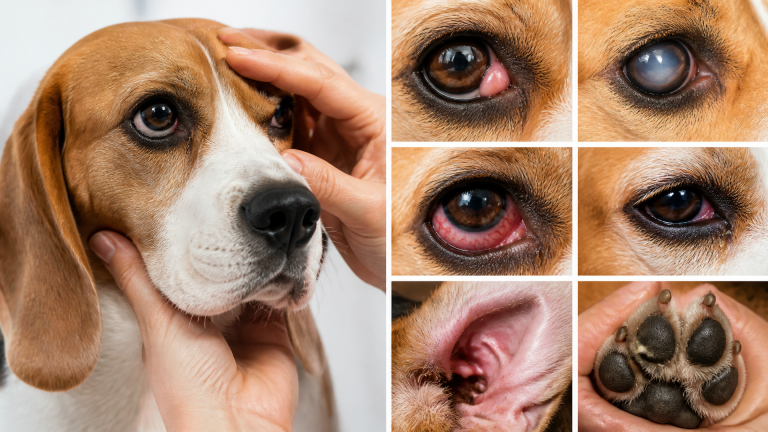
Health issues in beagles, including obesity, hip dysplasia, and ear infections, can severely impact their quality of life and require careful management to promote their overall health and longevity. Obesity is particularly concerning, as it can exacerbate joint problems and lead to other complications. Hip dysplasia, a hereditary condition, can cause significant pain and mobility issues, necessitating adjustments in exercise routines. Ear infections, common in the breed, can lead to discomfort and affect their willingness to engage in physical activity. Understanding these health issues lays the groundwork for addressing age-related limitations that may further influence their exercise needs.
Age-Related Limitations
Age-related limitations can significantly impact a beagle’s mobility and endurance, necessitating adjustments in their exercise routines to accommodate their changing physical capabilities. As beagles age, they may experience decreased stamina, joint stiffness, and overall reduced physical performance. Regular assessments by a veterinarian can help identify specific limitations and guide appropriate exercise modifications. Tailoring walking durations to align with individual capabilities ensures that older beagles remain active without overexertion. Implementing shorter, more frequent walks can provide both physical benefits and mental stimulation, enhancing their quality of life.
Weight Considerations
Weight considerations play a crucial role in determining the appropriate level of exercise necessary for beagles to maintain their overall fitness and prevent obesity-related health issues. Excess weight can lead to a range of complications, including joint problems and decreased mobility, which can hinder a beagle’s ability to engage in physical activities. Regular assessments of a beagle’s body condition score can help identify weight-related concerns and inform suitable exercise routines. Tailoring walking durations and intensities based on a beagle’s weight status is essential for promoting a healthy lifestyle. Ultimately, a balanced approach to exercise and nutrition will support the long-term health of beagles.
Joint and Mobility Problems
Joint and mobility problems in beagles can significantly hinder their ability to engage in regular physical activity, necessitating careful management and adaptive exercise strategies. These issues may arise from genetic predispositions, previous injuries, or age-related degeneration, all of which require vigilant attention from pet owners. Increased weight can exacerbate these conditions, further limiting mobility and increasing discomfort during exercise. Tailored exercise plans that accommodate their specific limitations are essential for maintaining their overall health and enhancing their quality of life. Understanding these constraints is crucial for determining appropriate and effective walking durations that align with their capabilities.
Recommended Walking Durations
When considering the optimal walking duration for Beagles, it is essential to account for their specific needs and characteristics. Establishing recommended walking durations can significantly contribute to their overall well-being and health. The following points outline ideal daily walk times and age-based walking guidelines for this breed.
Ideal Daily Walk Times
Ideal daily walk times for Beagles typically range from 60 to 90 minutes, depending on their energy levels and individual needs. Consistent exercise is crucial for maintaining their physical health and mental stimulation. Younger Beagles may require longer durations due to their higher energy levels, while older dogs may benefit from shorter, more frequent walks. It is important to assess weather conditions and the dog’s health status when determining walk lengths. Regular walking not only aids in weight management but also enhances the bond between the dog and its owner.
Age-Based Walking Guidelines
Age-based walking guidelines play a crucial role in tailoring exercise routines to meet the evolving physical capabilities and energy levels of Beagles throughout their lives. Puppies require shorter, more frequent walks to accommodate their developing bodies, while adult Beagles thrive on longer, more vigorous walks that support their playful nature. As Beagles age, their walking duration should be adjusted to reflect decreased stamina and potential health concerns, promoting a comfortable pace. Regular assessments of a Beagle’s physical condition will ensure that their walking routine remains appropriate and beneficial. With these guidelines in mind, one can further explore tips for effective walks to enhance the walking experience for both dog and owner.
Tips for Effective Walks
To maximize the benefits of walking, it is essential to adopt strategies that enhance the experience for both the dog and the owner. Implementing a structured approach can lead to more productive and enjoyable walks. The following tips will guide you in creating effective walking sessions tailored to your Beagle’s needs.
Establish a Routine Schedule
Establishing a routine schedule for walks not only enhances the dog’s physical health but also reinforces behavioral consistency and strengthens the bond between the owner and the pet. Consistent walking times help Beagles anticipate exercise, leading to improved behavior and reduced anxiety. A well-structured schedule allows for better acclimatization to various environments, enriching the dog’s sensory experiences. Regular walks at the same time each day can also support the owner’s time management, making it easier to integrate exercise into daily life. Ultimately, a routine fosters a sense of security for the Beagle, contributing to overall well-being.
Choose Suitable Walking Routes
Choosing suitable walking routes significantly impacts the overall experience for both the dog and the owner, ensuring safety and engagement during the outing. Routes that provide a variety of stimuli, including different scents and sights, can enhance your Beagle’s natural curiosity and enthusiasm. It is advisable to avoid heavily trafficked areas to minimize stress and distractions. Additionally, selecting paths that offer ample space for exploration allows for more interactive and fulfilling walks. Ultimately, the right walking route contributes to the physical and mental well-being of your Beagle.
Incorporate Training during Walks
Incorporating training during walks not only reinforces obedience but also strengthens the bond between the owner and the Beagle. Engaging the dog with commands such as "sit," "stay," and "heel" can enhance focus and attentiveness. Using positive reinforcement techniques during these training moments fosters a sense of accomplishment for the Beagle. Additionally, incorporating brief training sessions throughout the walk can help break up the routine and maintain the dog’s interest. Ultimately, this approach contributes to a more enriching and structured walking experience for both the dog and the owner.
Frequently Asked Questions
What are some signs that my beagle is getting tired during a walk?
When assessing whether a dog is becoming fatigued during a walk, several behavioral signs may indicate the need for a break. These signs include a decrease in pace, frequent stopping, or lagging behind, which may suggest the dog is struggling to keep up. Additionally, heavy panting, excessive drooling, or a reluctance to continue walking can also signify that the dog is nearing exhaustion. It is essential for owners to remain attentive to these cues to ensure their pet’s well-being during physical activities.
How can i incorporate playtime with walking for my beagle?
Incorporating playtime with walking can significantly enhance your beagle’s physical and mental stimulation. One effective method is to intersperse short bursts of play, such as tossing a ball or engaging in a tug-of-war, during your walk, allowing your dog to expend energy in varied ways. Additionally, consider choosing routes that include open spaces where your beagle can safely run off-leash and engage with toys. This combination not only enriches the walking experience but also strengthens the bond between you and your beagle.
Are there specific times of day that are better for walking my beagle?
When considering the optimal times for walking your beagle, several factors come into play, including temperature, sunlight, and your dog’s energy levels. Early mornings and late evenings are often ideal, as these times tend to offer cooler temperatures and reduced sun exposure, making the experience more comfortable for both the dog and the owner. Additionally, walking during these periods can align with your beagle’s natural energy peaks, enhancing the effectiveness of exercise and playtime. Ultimately, it is essential to observe your dog’s behavior and adjust walking times accordingly to ensure their well-being and enjoyment.
If you’re looking to enhance your knowledge about Beagles, I highly recommend visiting this informative page on understanding the size of full-grown Beagles. It provides valuable insights that can help you better care for your furry friend. Check it out here: how big do beagles get full grown.