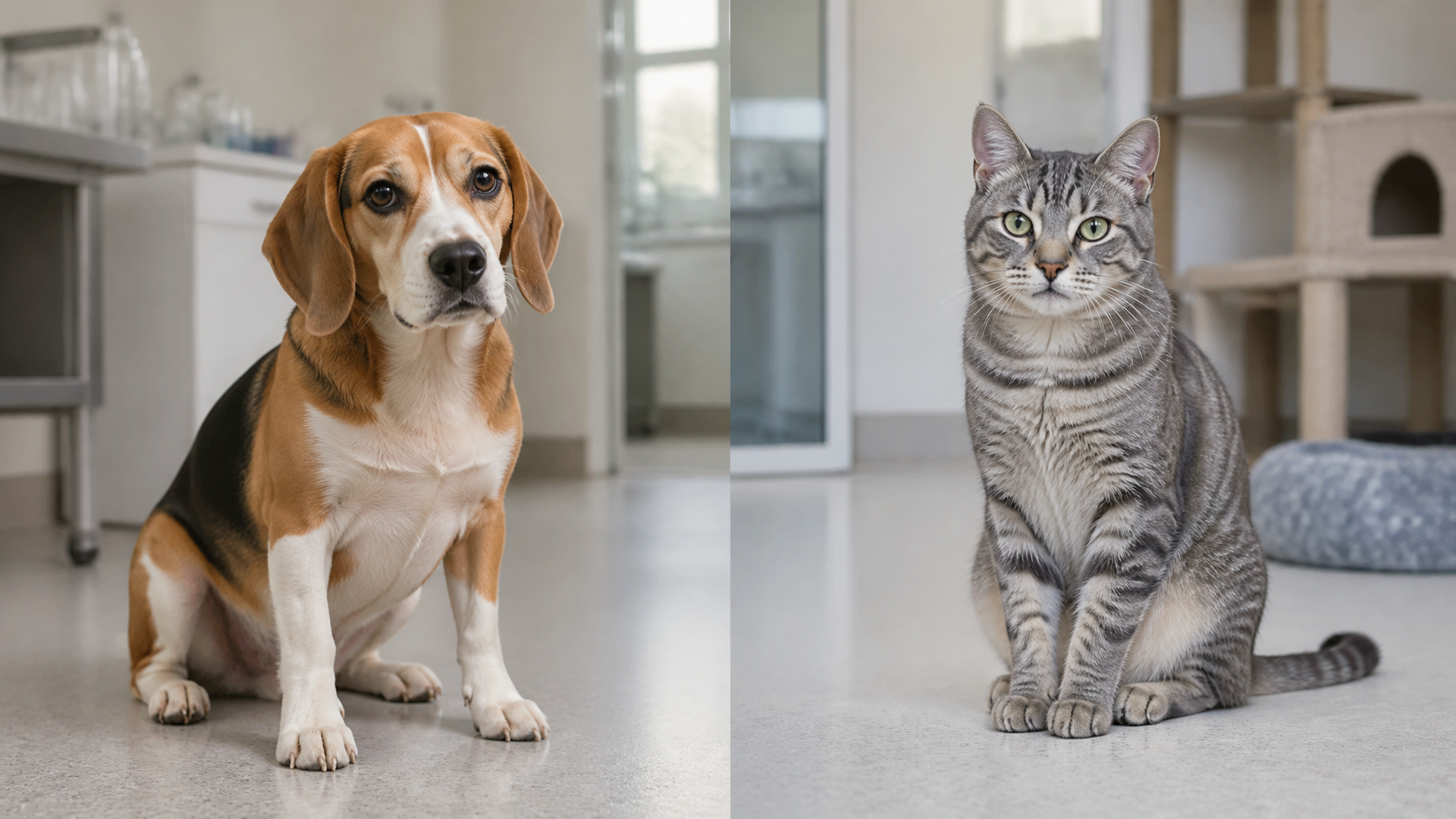
Why Are Beagles Used For Testing
Beagles are the most common dog breed used in laboratory testing because of their small size, even temperament, and predictable physiology. While no animal testing is ideal, researchers specifically choose Beagles because they are calm enough to handle, large enough to collect blood samples, and metabolize drugs in ways that closely resemble humans. If you want to avoid supporting this practice, there are concrete steps you can take — keep reading for the details.

The Specific Traits That Make Beagles Ideal for Research
Beagles weren’t bred for lab work — they were bred to hunt in packs, and that history gives them a unique combination of traits scientists value.
- Docile temperament. Beagles have a very low bite risk. They’re naturally friendly, tolerant of handling, and rarely show aggression even under stress. This makes repeated blood draws and daily observations safer and less stressful for the animal handlers.
- Manageable size. At 20–25 pounds, Beagles are big enough for easy blood collection and surgery but small enough to house efficiently. They don’t require the space of a Labrador or a 50-pound dog, which keeps research costs lower.
- Predictable physiology. Beagles have a shorter lifespan (10–15 years) and a known health profile. Their heart rate, blood pressure, and organ function are well-documented, making them a reliable model for human drug testing — especially for cardiovascular and respiratory products.
- Ease of breeding. Beagles mature early and have moderate litter sizes. This allows researchers to breed a consistent genetic line, reducing variability in study results.
Common mistake to avoid: Assuming any dog could work for testing. Labs need a breed that stays calm in confined kennels, doesn’t trigger allergic reactions in handlers, and adapts to a day‑night schedule without anxiety. Beagles check all those boxes.
A Quick Comparison: Beagles vs. Other Test Animals
| Trait | Beagle | Other Dog Breeds (e.g., Foxhound, Hound Mix) | Rodents (rats, mice) | Primates |
|---|---|---|---|---|
| Temperament | Highly docile, low aggression | Variable; many breeds are more reactive or anxious | Typically docile but require enrichment | Intelligent but can be aggressive, expensive |
| Size | 20–25 lb — easy handling and blood draws | Larger breeds need more space and higher drug doses | Very small — some tests impossible (e.g., catheter size) | Closest to humans but high cost and ethical concerns |
| Genetic consistency | Can be bred to very uniform lines | Less standardized; mixed lines cause variability | Highly inbred lines available | Highly variable, longer generation times |
| Cost per animal | Moderate | Similar to Beagle for smaller labs | Low | Very high |
| Regulatory acceptance | Many FDA guidelines specifically reference Beagle data | Some accepted, but less historical data | Standard for initial toxicology | Required only for certain biologics |
Key takeaway: Beagles hit a sweet spot — they’re more human‑like than rodents but far cheaper and easier to handle than primates. That’s why they’re the default choice for drug safety studies.
What This Means for Your Next Purchase
If you’re shopping for cosmetics, household cleaners, or pet supplies, the decision is straightforward: choose brands with Leaping Bunny or PETA’s Beauty Without Bunnies certification. These logos mean independent auditors verified that no animal testing was done at any stage — from raw ingredients to finished product. If you see a vague “cruelty‑free” claim without a logo, treat it as unverified. Keep using your current certified brand, or switch to a verified alternative. Don’t buy anything from a brand that sells in China unless they explicitly confirm they don’t test on animals for that market, because Chinese law requires animal testing for imported cosmetics.
3 Expert Tips to Avoid Supporting Beagle Testing (With Common Mistakes)
Tip 1: Verify certifications, not just “cruelty-free” claims
Actionable step: Look for the Leaping Bunny logo or PETA’s “Beauty Without Bunnies” list when shopping for cosmetics, household cleaners, and pet products. These certifications require independent audits, not just a company’s own claim.
Common mistake to avoid: Trusting a product labeled “not tested on animals” if the brand sells in China. China requires animal testing for imported cosmetics — so even a cruelty-free brand becomes a tester when they enter that market. Always check the brand’s global policy.
Tip 2: Support rescue groups that rehome retired lab Beagles
Actionable step: Donate directly to organizations like Beagle Freedom Project or rescue‑specific funds at your local humane society. These groups cover veterinary care (often $500–$1,000 per dog) and foster placement for Beagles that have spent years in labs.
Common mistake to avoid: Posting “adopt a lab Beagle” calls without vetting the source. Some well‑meaning shares link to unapproved rehoming groups that don’t provide medical records or behavior support. Stick to established nonprofits with transparent adoption processes.
Tip 3: Email companies with a specific question
Actionable step: Send a short, direct email to customer service: “Do you test finished products or ingredients on animals? Do your suppliers conduct any tests using Beagles or other dogs?” Save the reply.
Common mistake to avoid: Accepting a vague “we care about animals” response. Many companies have a testing history for ingredients even if finished products aren’t tested. Ask for a clear yes/no on both points. If they can’t answer, avoid the brand.
How to Check If Your Favorite Brand Uses Beagle Testing (Step-by-Step Flow)
Follow this simple process to verify any brand’s animal testing policy. You can do it in under 10 minutes.
Step 1: Check the product label or website for logos
Look for Leaping Bunny, PETA’s Beauty Without Bunnies, or Choose Cruelty-Free (CCF) certification. If you see one of these, the brand is verified cruelty‑free — you can stop here.
Step 2: If no logo, search the Cruelty Free Kitty or Logical Harmony databases
These sites maintain updated lists of brands that do and do not test on animals. They also note parent companies (many “natural” brands are owned by conglomerates that do test). For a concrete verification, go to leapingbunny.org, type the brand name in the search bar, and click “Search.” If the brand appears in the results, it’s certified.
Step 3: Email the company directly (use the template from Tip 3)
Send your question and wait for a written response. A reputable brand will answer within a few business days.
- Likely cause for delay: The customer service rep may not know. Ask them to escalate to their regulatory affairs team.
- Friction point: Some companies say “we comply with all regulations” — that’s a red flag. It often means they test only where required by law (e.g., for FDA drug approvals). That still involves animal testing.
Step 4: Escalate if the answer is unclear or evasive
Post your concern on social media tagging the brand. Public pressure often forces a clear response. If they still won’t commit, switch to a verified cruelty‑free alternative.
Success check: You now know exactly where that brand stands. If they test on animals (including Beagles), you can choose a different product next time.
A Realistic Limitation: Parent Company Ownership
Even if a brand is certified cruelty‑free, its parent company may still test on animals. For example, Seventh Generation and Method are certified by Leaping Bunny, but their parent company Unilever owns other brands that test where required by law. Your purchase of Seventh Generation doesn’t directly fund animal testing, but it does support a conglomerate that profits from it. If that bothers you, choose brands owned by independent companies that are 100% cruelty‑free across all subsidiaries. Check the parent company on databases like Cruelty Free Kitty. The consequence of ignoring this: you may think you’re making an ethical choice, but your money still flows to a company that tests on Beagles for other products.
Common Misconceptions About Beagle Testing
Misconception 1: Only Beagles are used in labs.
Reality: Other dog breeds are used, but Beagles make up about 80–90% of all dogs in research. Rodents account for 94% of all animal testing — Beagles are a tiny fraction, but they attract attention because they are companion animals.
Misconception 2: All research Beagles come from puppy mills.
Reality: Most are bred specifically for research at dedicated facilities like Harlan (now Envigo) or Marshall BioResources. These breeders focus on genetic uniformity and health, not pet‑quality temperament. However, some Beagles from commercial kennels do end up in labs.
Misconception 3: Animal testing is always harmful or unnecessary.
Reality: Many laboratory tests are required by law before a new human drug can enter clinical trials. While the ethical debate continues, the data from Beagle studies has contributed to life‑saving treatments for heart disease, cancer, and diabetes. The goal for animal welfare advocates is to reduce and eventually replace animal testing with alternatives — not to stop all research immediately.
Save This Guide
Key takeaway: Beagles are used in testing because of their calm nature, ideal size, and physiological similarity to humans — not because they are “expendable.” If you want to help, verify certifications (use leapingbunny.org), check parent company ownership, support rescue organizations, and email brands with clear questions. Every informed choice reduces demand. This page serves as a reference for your testing‑avoidance checklist.
This article contains general information and is not a substitute for professional veterinary or ethical advice. Always verify company testing policies directly. Links to databases and product recommendations are for informational purposes only.