American Bulldog vs Staffordshire Terrier
If you’re torn between an American Bulldog and a Staffordshire Terrier, here’s the short answer: Choose the American Bulldog if you want a larger, more independent guardian that needs firm training and space. Pick the Staffordshire Terrier (often called an AmStaff or Staffy) if you want a smaller, more people-oriented dog that’s easier to manage in a home with kids or other pets. Both breeds are loyal, muscular, and powerful, but their energy levels, trainability, and living requirements differ significantly.

Quick Answer
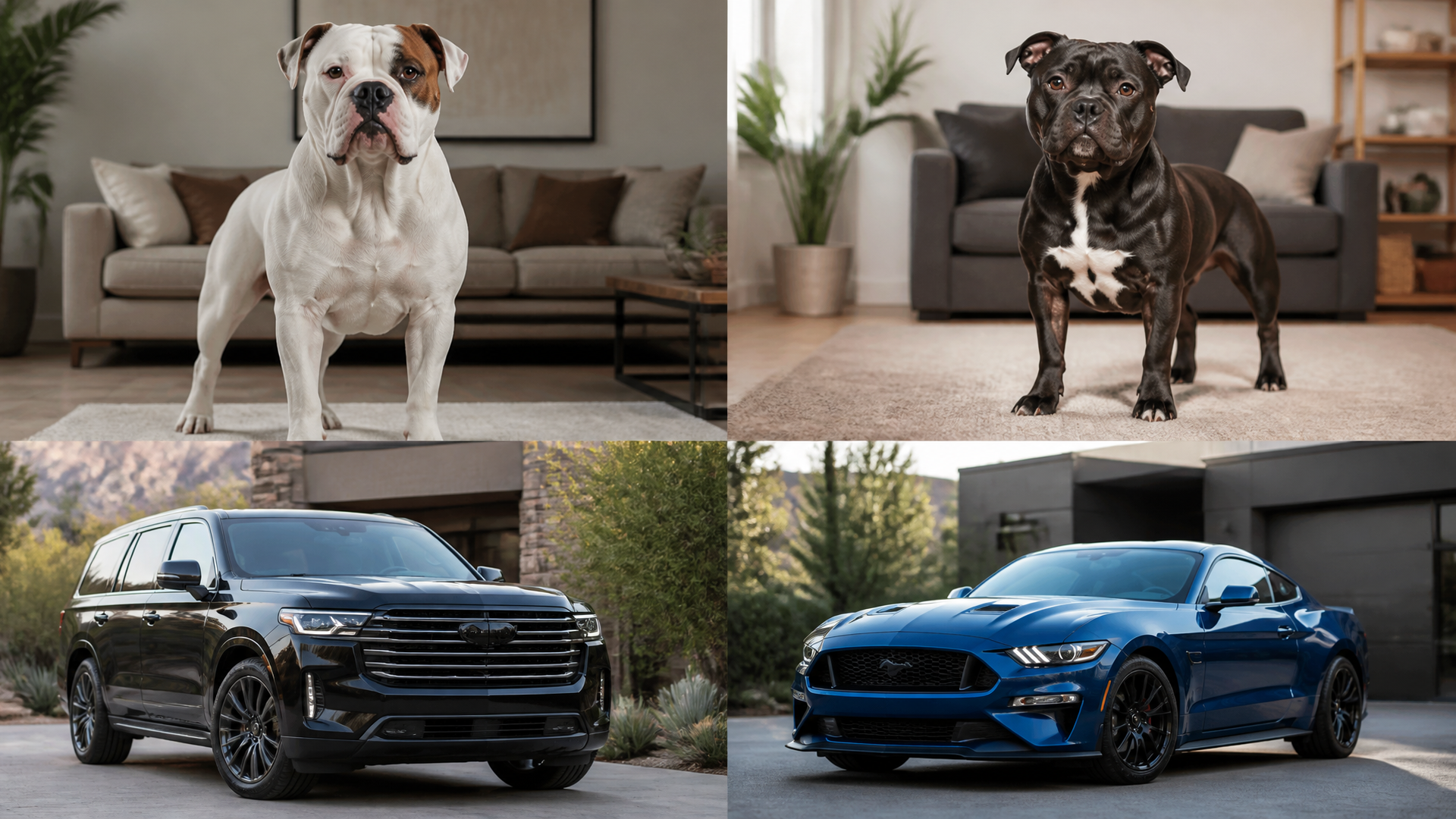
American Bulldog – 60–120 lbs, 20–28 inches tall. Bred for farm work and protection. More dominant, can be territorial, needs a confident owner. Moderate exercise needs (60 min/day), but requires mental stimulation. Lifespan 10–15 years.
Staffordshire Terrier – 40–70 lbs, 17–19 inches tall. Bred as a companion and fighter (historically). Highly social, eager to please, excellent with children when trained. Higher energy (60+ min/day + play). Lifespan 12–16 years.
Bottom line: If you have a large yard, experience with stubborn breeds, and want a dog that will guard your property, go American Bulldog. If you want a cuddlier, easier-to-train family dog that fits in a smaller home, the Staffordshire Terrier is your match.
Comparison Framework
| Feature | American Bulldog | Staffordshire Terrier |
|---|---|---|
| Size | 60–120 lbs, 20–28 in | 40–70 lbs, 17–19 in |
| Coat & Grooming | Short, sheds moderate; brush weekly | Short, sheds less; brush weekly |
| Temperament | Confident, protective, independent | Affectionate, playful, eager to please |
| Trainability | Stubborn; needs firm, consistent training | Smart and willing; responds well to positive reinforcement |
| Energy Level | Moderate (45–60 min/day) | High (60+ min/day + interactive play) |
| Good with Kids | Yes with early socialization; may be too rough in play | Excellent; historically called “nanny dogs” |
| Good with Other Pets | Can be dog-selective; same-sex aggression common | Generally good with proper introduction; same-sex issues possible |
| Living Space | Needs house with yard, not apartment-friendly | Can adapt to apartment with enough exercise |
| Health Concerns | Hip dysplasia, elbow dysplasia, skin allergies | Hip dysplasia, thyroid issues, CCL tears |
| Lifespan | 10–15 years | 12–16 years |
Best-Fit Picks by Use Case
For Families with Children
Staffordshire Terrier wins. They were bred to be part of the family pack and typically adore kids. Their sturdy build can handle rough play, but they still need supervision. American Bulldogs can also be great family dogs, but their size and protective instinct require more careful training around young children.
For First-Time Owners
Staffordshire Terrier is easier. They’re more eager to please and respond well to rewards-based training. American Bulldogs are often too stubborn and independent for beginners. If you’ve never owned a powerful breed, start with a Staffy.
For Home Protection
American Bulldog is the better guard dog. Their natural wariness of strangers and territorial nature make them excellent watchdogs. Staffies are typically friendly toward everyone without specific training to guard.
For Apartment Living
Staffordshire Terrier fits better. At 40–70 lbs, they can manage in a smaller space if you commit to daily exercise. American Bulldogs need room to roam—they’re too large and high-energy for most apartments.
For Multi-Pet Households
Staffordshire Terrier has a slight edge. Neither breed is guaranteed to accept other dogs, but Staffies are generally more tolerant with proper socialization. American Bulldogs, especially males, may be dog-aggressive and are more likely to chase smaller animals.
Trade-offs to Know
American Bulldog Trade-offs:
- They need a job—without structure, they become destructive. Bored bulldogs chew through drywall, dig craters, and bark excessively.
- Their stubborn streak is real. If you’re not comfortable being the firm leader (no yelling, just consistent boundaries), this dog will run the house.
- Vet bills can be high. Their size and prevalence of hip and elbow dysplasia mean early screenings (hips, elbows, patellas) are essential. Pet insurance is strongly recommended.
- Heat tolerance is poor. Their short coat and heavy body make them prone to overheating. In US summers, limit outdoor activity to early morning and evening.
Staffordshire Terrier Trade-offs:
- High prey drive. They may chase cats, squirrels, or small dogs. A fenced yard and leash walks are non-negotiable.
- Breed-specific legislation (BSL). Some cities and apartment complexes ban or restrict Staffies. Check local laws before committing.
- Separation anxiety. They were bred to be with their people. Left alone for 8+ hours, they may develop destructive behaviors (chewing, barking, digging) that a dog walker or daycare helps avoid.
- Not a guard dog. They’ll greet a stranger with a wagging tail, not a growl. If protection is your priority, look elsewhere.
What This Means for Your Choice
Here’s the practical implication of all those trade-offs: if you work a standard 9-to-5 and live alone, an American Bulldog will likely develop destructive boredom in a matter of weeks, while a Staffy will struggle with separation anxiety that can lead to neighbor complaints. The safer bet for a single working owner is neither breed — unless you have a dog walker, daycare, or a partner who works from home.
If you absolutely want one of these two, the Staffy is more adaptable to a schedule with midday breaks, but the Bulldog is more likely to be happy with a large yard and a job to do.
How to Verify Fit Before You Commit
Before bringing either breed home, run this simple 3-day test with an adult foster dog (both rescues and breeders sometimes offer trial periods): On day one, crate the dog for 2 hours while you run errands and watch on a pet cam. If you see frantic pacing, drooling, or chewing at the crate bars, this dog has serious isolation distress — and both breeds are prone to it.
On day two, take them to a busy park and note whether they fixate on other dogs or small animals (prey drive warning). On day three, have a stranger knock on the door and observe the reaction. A Bulldog that charges and barks is doing its job; a Staffy that wags and whines is being a friendly, non-protective companion. Use these observations to match reality to your expectations before signing adoption papers.
Decision Aid: 7 Quick Fit Checks
Answer each yes/no for both breeds. If you get 5+ yeses for one, that’s your better match.
1. I have experience handling dominant, powerful dogs. (Yes → American Bulldog; No → Staffy)
2. I want a dog that is highly trainable and eager to please. (Yes → Staffy; No → Bulldog)
3. I live in an apartment or home without a large fenced yard. (Yes → Staffy; No → Bulldog)
4. I already have another dog or cat. (Yes → Staffy (with caution); No → Bulldog)
5. I’m willing to spend 60+ minutes daily on active exercise (walks, fetch, tug). (Yes → either; No → neither)
6. I need a dog that will deter strangers. (Yes → Bulldog; No → Staffy)
7. I have young children under 6. (Yes → Staffy; No → Bulldog – requires supervision anyway)
If you answered “no” to #5, do not get either breed. Both need serious physical and mental activity.
Expert Tips for Success with Either Breed
Tip 1: Start Obedience Training Before 12 Weeks
Actionable step: Enroll in a puppy kindergarten class that uses positive reinforcement (clicker or treat-based). Common mistake: Waiting until the puppy is 6 months old—by then, bad habits (jumping, pulling, resource guarding) are already learned and harder to undo. Both breeds are strong; a 70-lb Staffy pulling on leash can dislocate a shoulder.
Tip 2: Use a Front-Clip Harness for Walks
Actionable step: Buy a harness that clips at the chest, not just the back, like the [PetSafe Easy Walk] or [Balance Harness]. This reduces pulling and protects the trachea (Staffies are prone to collapsed trachea). Common mistake: Using a flat collar on a dog that pulls—American Bulldogs can easily choke themselves, and Staffies can damage their delicate neck structures.
Tip 3: Crate Train for Safety (and Peace of Mind)
Actionable step: Introduce the crate as a cozy den with treats and toys, and use it for short periods starting day one. Common mistake: Leaving the puppy in the crate too long (more than 3–4 hours for an adult, less for puppies) or using it as punishment. A crate trained dog sees it as a safe space, not a cage.
Tip 4: Use Mental Enrichment to Prevent Destructive Chewing
Actionable step: Give each dog a daily puzzle toy (like a [Kong Wobbler] or [Nina Ottosson] puzzle) filled with kibble or peanut butter. Common mistake: Thinking a long walk is enough. Both breeds were bred for work, not just exercise. Without a mental challenge, they will invent their own—usually involving your furniture.
Related Questions
Which breed is more aggressive?
Neither is inherently aggressive. American Bulldogs tend to be dog-selective and protective of territory, which can lead to fights if not managed. Staffies were bred for dogfighting historically, but modern lines are bred for temperament—they’re actually very stable with people. The key is early socialization, training, and responsible ownership in both cases.
Can these breeds live with other dogs?
Yes, but with caution. American Bulldogs often do best as only dogs or with a compatible opposite-sex partner. Staffies can live in multi-dog homes if introduced carefully and if the other dog is similar in size and temperament. Never leave any pair of powerful breeds unsupervised until you know their dynamics completely.
Which breed is easier to groom?
Both are low-maintenance. Brush once a week with a rubber curry brush or a grooming glove. Bathe every 4–6 weeks unless they roll in something smelly. Nail trims every 2–3 weeks; ear checks weekly. American Bulldogs drool more and may need a daily face wipe in the skin folds (prone to moisture dermatitis).
What health tests should I look for in a breeder?
For both breeds: OFA or PennHIP hip scores, elbow clearances, patellar luxation evaluation, and eye exam (CAER). For American Bulldogs, also ask about thyroid and skin allergy history in the line. For Staffies, request cardiac evaluation (echocardiogram) and thyroid panel. Always see health clearances for both parents.
Why do so many people get the breed wrong?
It’s easy to confuse a stocky, muscular dog as “the same breed.” But a 100-lb American Bulldog and a 55-lb Staffy have very different needs in exercise, space, training, and temperament. The most common failure mode is buying a puppy based on looks alone, only to realize later that the adult dog’s energy or stubbornness doesn’t match the household. Detect this early by spending time with adult dogs of each breed at local rescues or breed club events before you commit to a puppy.
Save This Guide – American Bulldogs and Staffordshire Terriers are both wonderful, but they suit different lifestyles. The comparison table and 7-question fit check help narrow your choice. Meeting adult dogs of each breed at a breed club event or rescue can confirm your decision before committing.
Disclosure: This article contains affiliate product recommendations. As an Amazon Associate, we may earn a small commission at no extra cost to you.