Black Bichon Frise: Guide: What Every Owner Should Know
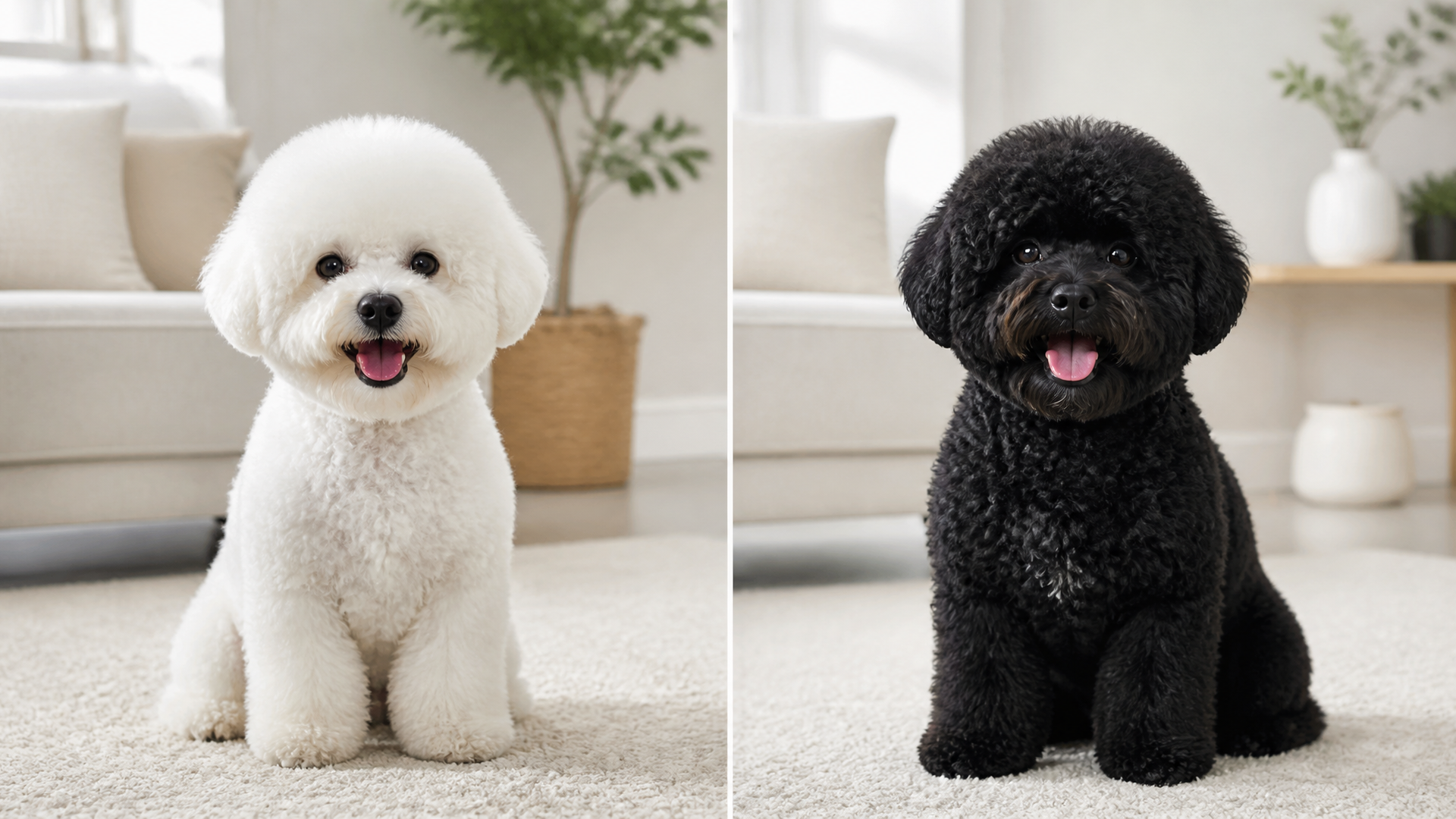
Yes, black Bichon Frise exist — but they’re rare and not accepted in AKC show rings. The breed standard calls for a pure white coat, so black color usually comes from a recessive gene or crossbreeding. If you’re considering a black Bichon, focus on health testing, sun protection, and a consistent grooming routine. Here’s what you need to know.

What Makes a Bichon Frise Black?
Black Bichons are real, but they’re uncommon. The typical Bichon coat is white (sometimes with cream or apricot shading). A solid black coat happens when both parents carry a recessive black gene — or when the dog has recent ancestry from another breed (like a Poodle or Maltese mix).
What this means for you: A black Bichon may not be registerable as a purebred Bichon. If that matters for showing or breeding, verify the breeder’s health and lineage records. If you just want a loving companion, color doesn’t affect temperament.
Applicability boundary: This guide applies to dogs sold as black Bichons. If your dog is a mix, grooming and health needs may differ — always default to your vet’s advice.
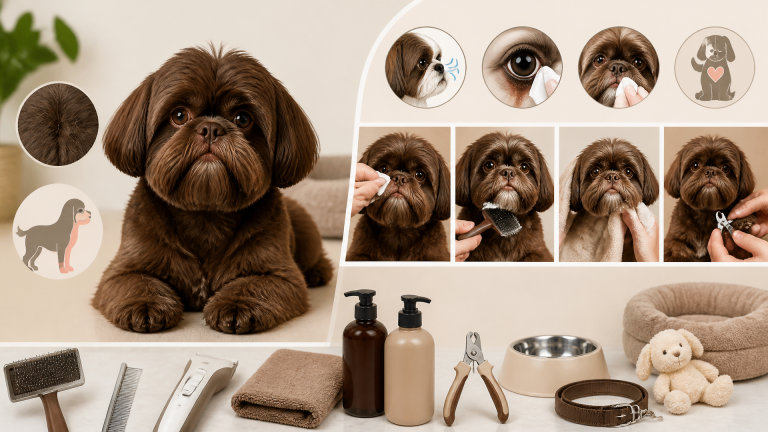
Grooming a Black Bichon: Daily Routine
The grooming routine is nearly identical to a white Bichon, but black coats come with a few extra considerations.
Daily and Weekly Grooming Flow
Opening answer: Brush your black Bichon every day to prevent mats. Black coats show dirt less, but hides tangles — you must be thorough.
Preparation: Gather a slicker brush, pin brush, metal comb, detangling spray (choose a sensitive-skin formula), and grooming scissors for paw pads. Have treats ready.
Disclosure: Some links in this article are affiliate links. We may earn a commission at no extra cost to you.
Early checkpoints:
- Before brushing, run your hands over the coat to feel for mats.
- Check ears, armpits, and tail base — these are friction hot spots.
- Look for black skin discoloration, flaking, or redness.
Ordered steps:
1. Mist coat lightly with detangling spray.
2. Brush with slicker brush in small sections, working from skin out.
3. Follow with pin brush to smooth.
4. Use metal comb to catch any hidden tangles.
5. Trim eye corners and paw pads as needed.
6. Check nails — trim every 2–3 weeks.
Likely causes of matting: Inconsistent brushing, dirt buildup, tight collars, or wearing a sweater/harness for long periods.
Friction points: Behind ears, under front legs, around the tail. These spots mat fastest.
Escalation signals: If you find a mat too tight to comb out (skin is pulling), do not cut it yourself. Visit a professional groomer to prevent injury.
Success check: Black coat looks shiny, feels smooth to the touch, and the skin underneath is pink (not red, scaly, or darkly pigmented).
Verification step: To confirm you’re brushing thoroughly, run a damp white cloth over the coat after brushing. If you see dirt or loose hair, you missed areas — go back with the metal comb.
Expert Tips for Black Bichon Coats
Tip 1: Use a metal comb after every brushing session. Most tangles are invisible in black hair. The comb will catch them. Common mistake: Relying only on a brush and missing small mats that turn into bigger problems.
Tip 2: Bathe every 3–4 weeks, no more. Over-bathing strips natural oils, leaving black coats dry and flaky. Common mistake: Bathing weekly because “he got dirty.” Instead, spot-clean with a damp cloth or dry shampoo.
Tip 3: Check black skin for color changes. Black Bichons can develop skin allergies, yeast infections, or sun damage that looks like darkening or flaking patches. Common mistake: Ignoring a black crusty spot — it could be a sign of infection or even early skin cancer. If you see persistent changes, see your vet.
Sun Protection: Extra Care for Dark Coats
Black coats absorb more heat and UV rays than white coats. Your black Bichon is at higher risk for sunburn on the nose, ears, and belly — and for skin cancer (especially in sunny climates).
Trade-off: Sunscreen helps, but many dogs lick it off. Use a zinc-free, pet-safe formula and distract your dog with a treat or toy for 10 minutes to let it absorb. Alternatively, limit outdoor time during peak UV hours (10 a.m. to 4 p.m.).
- Apply pet-safe sunscreen to exposed areas (nose, ear tips, belly) before outdoor time.
- Avoid midday walks in summer. Walk early morning or evening.
- Provide shade and fresh water at all times.
Black vs. White Bichon: Key Differences
Here’s how the two compare across key factors:
| Factor | White Bichon | Black Bichon |
|---|---|---|
| Coat color rarity | Extremely common (standard) | Rare; may indicate mix or recessive gene |
| AKC show eligibility | Yes (must be white) | No (black disqualifies) |
| Sun sensitivity | Moderate (pink skin may burn) | Higher (black coat absorbs more UV; lighter nose/belly still vulnerable) |
| Grooming frequency | Daily brushing, bath every 3–4 weeks | Same |
| Health concerns beyond breed norms | Dental, eye, allergy issues | Same plus increased risk of sunburn and skin cancer |
| Temperament | Playful, friendly, adaptable | Identical |
| Typical price | $1,000–$3,000 (breeder) | May be higher due to rarity, or lower if from a backyard breeder |
Finding a Black Bichon: Breeder Checklist
If you’re set on a black Bichon, find a breeder who is transparent about lineage and health testing.
Red flags to avoid:
- Breeder calls them “rare” to justify a high price without health records.
- Breeder can’t show you both parents or genetic testing results.
- Puppies are sold as “purebred Bichon” but the AKC registration is missing or restricted.
What to ask:
- Can you show me the results of parent health screenings (eyes, hips, patellas)?
- What color genetics are in the bloodline? Is the black coat from recessive genes or outcrossing?
- Are you willing to let me visit the puppies and see the living conditions?
Realistic mismatch: Some breeders sell “rare” black Bichons at inflated prices. Without health testing, you may get a mixed breed with unknown health risks. Always request a DNA test or AKC paperwork. If the breeder hesitates, walk away.
Health Risks Specific to Black Bichons
Beyond standard Bichon problems (dental disease, luxating patella, allergies), black-coated Bichons face two extra risks:
- Skin cancer (squamous cell carcinoma, melanoma) – especially on the nose, lips, ears, and belly. Check monthly for lumps, scabs, or color changes.
- Heat stroke – black coat absorbs heat faster. Watch for heavy panting, drooling, weakness. Never leave your Bichon in a hot car or direct sun.
Quick warning signs list: Any new bump, scab that won’t heal, darkening skin patches, excessive scratching, or sudden hair loss in a black Bichon — see your vet promptly.
Feeding Your Bichon: Quick Reference
Same as any Bichon: small-breed formula, ½ to ⅔ cup of dry food per day split into two meals. Bichons are prone to obesity, so measure portions and limit treats to 10% of daily calories.
| Weight | Daily Food (cups) | Meals Per Day |
|---|---|---|
| 10–12 lbs | ½ cup | 2 |
| 13–15 lbs | ⅔ cup | 2 |
| 16–18 lbs | ¾ cup | 2 |
Use a small-breed kibble designed for dental health — Bichons are prone to tartar buildup. Add wet food for variety if your vet approves.
Save This Guide: A black Bichon Frise is a beautiful but rare companion. Focus on daily brushing with a metal comb, sun protection for their dark coat, and a breeder who provides health clearances. Use the feeding table above to keep your dog at a healthy weight.