Famous Beagles: Guide: What Every Owner Should Know
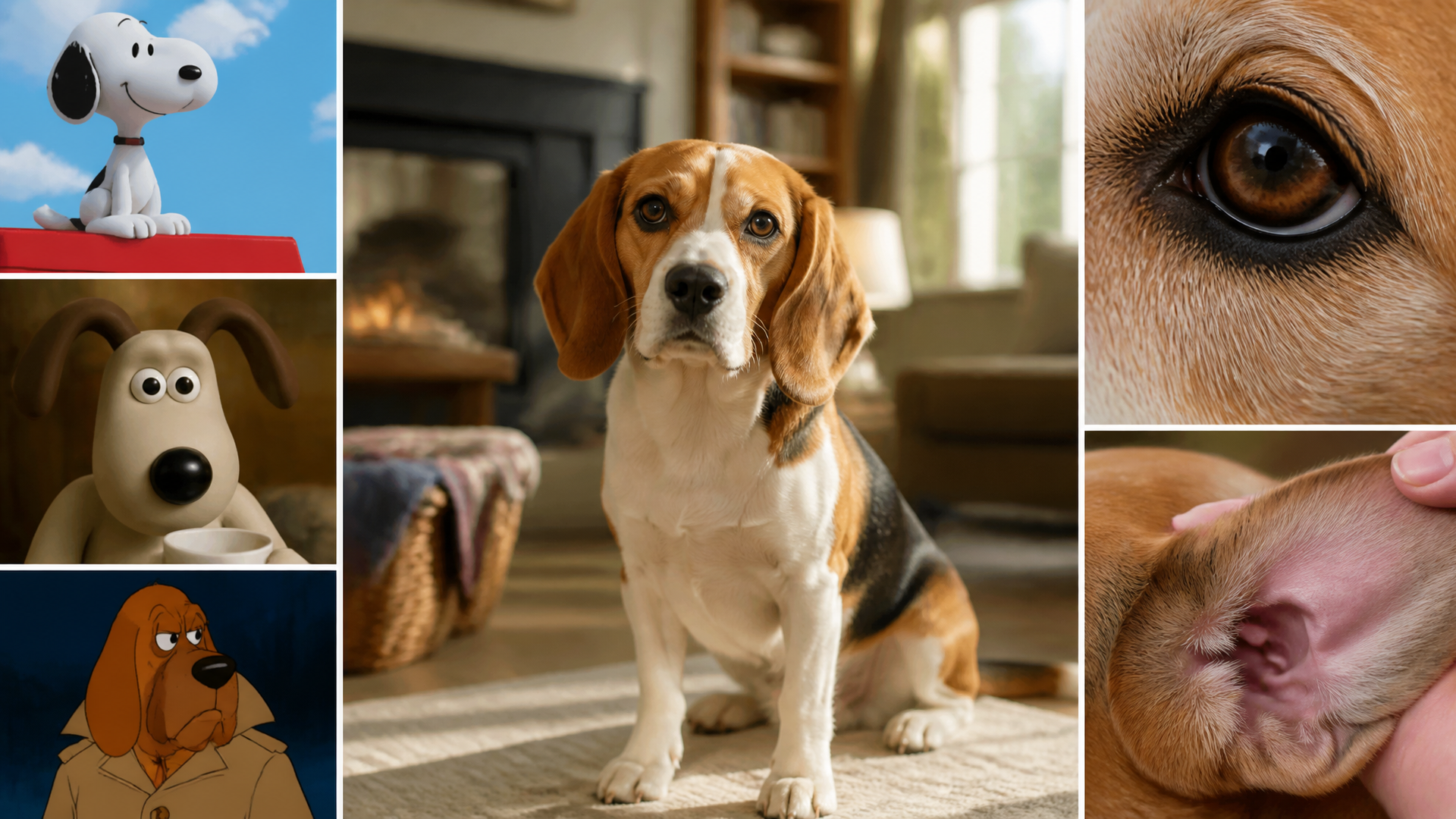
Snoopy, Gromit, and McGruff have made beagles one of the most recognized breeds on screen. But the real-life version comes with escape-artist instincts, a loud bay, and a nose that never stops. Here are the most famous beagles in pop culture, plus what you should know before bringing one home.

The Most Famous Beagles in Pop Culture
| Name | Appeared In | Why They’re Famous |
|---|---|---|
| Snoopy | Peanuts comic strip and TV specials | The world’s most famous beagle – imaginative, loyal, and master of the “happy dance.” |
| Gromit | Wallace & Gromit stop-motion films | The silent, clever beagle who always saves the day. Known for expressive eyebrows and problem-solving. |
| McGruff | U.S. Crime Prevention campaign | “Take a Bite Out of Crime” – the trench-coat-wearing beagle icon used in public service messages for decades. |
| Shiloh | Shiloh novel and film | A real rescue story about a beagle escaping an abusive owner. Highlighted the breed’s gentle, loyal nature. |
Other famous beagles include the animated The Snoopy Show cast, therapy beagles, and real-life search-and-rescue beagles. But these four capture the breed’s core traits: intelligence, loyalty, and a healthy dose of mischief.
Real-Life Famous Beagles You Should Know About
Beyond the screen, several beagles have made headlines for real-world accomplishments.
Uno was the first beagle to win Best in Show at the Westminster Kennel Club Dog Show in 2008. His victory put the breed in the spotlight and proved that beagles can compete at the highest levels of conformation, not just in the field or on TV.
Beagle 1 and Beagle 2 were beagles used in NASA’s early space program. While the spacecraft Beagle 2 (named after the dog breed) failed to land safely on Mars, the beagles who served as test animals helped pave the way for human spaceflight. Today, beagles are still used as scent-detection dogs in airports, border patrol, and search-and-rescue because of their unmatched olfactory abilities.
Therapy beagles like Bella and Hank work in hospitals, nursing homes, and schools. Their calm demeanor and friendly wag make them ideal comfort animals. If you’re looking for a beagle that serves not only your family, consider a therapy-trained rehome or rescue beagle.
These real-life examples show that beagles aren’t just cartoon characters – they’re working dogs with a serious drive to use their noses.
What Makes Beagles Screen Stars (And What That Means for Owners)
Beagles are compact, with big eyes and floppy ears that convey emotion easily – perfect for animation and live-action. Their strong noses and curious personalities make them natural storytellers. They’re small enough to work on set, trainable enough for complex cues, and their friendly bark adds character without overwhelming the sound mix.
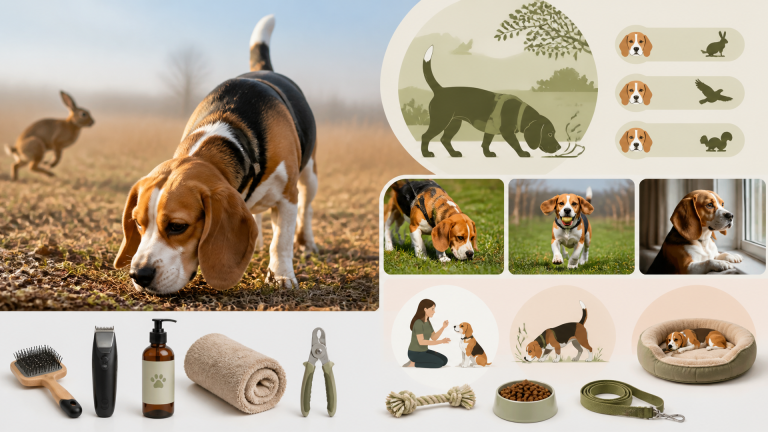
But the traits that make them great on screen are the same ones that challenge owners. That irresistible nose drives beagles to follow scents for miles – out an open door, under a fence, or through a gap you didn’t know existed. Their bark carries a long way, and a bored beagle will howl for hours. The loyalty that makes Gromit so endearing means they hate being left alone for long stretches.
What this means for you: If you’re considering a beagle because of Snoopy, understand that real beagles demand daily scent work, a secure 6-foot fence, and neighbors who tolerate barking. A beagle isn’t a low-maintenance starter dog – they’re a high-energy, independent hound that needs structure and exercise.
How to verify fit before you commit: Walk a rescue beagle in your neighborhood for a full hour. Notice how often they stop to sniff, how hard they pull when a scent hits, and how loud their bark sounds in your yard. If that doesn’t annoy you, a beagle might be a good match.
3 Expert Tips for Living with a Beagle
Tip 1: Channel Their Nose with Nose-Work Games
Actionable step: Set up a simple scent game at home. Hide a few high-value treats (like small pieces of freeze-dried liver) in a rolled-up towel or a puzzle toy and let your beagle sniff them out for 10–15 minutes daily.
Common mistake: Relying only on walks to tire them out. Beagles need mental stimulation, not just physical exercise. Without nose work, they will channel that drive into digging under fences or counter-surfing.
Tip 2: Teach a Rock-Solid “Leave It” Cue
Actionable step: Start with a low-value item (like a piece of kibble) in your closed fist. Say “leave it” and wait until your beagle stops sniffing your hand. Then reward with a better treat from the other hand. Practice daily with higher-value items.
Common mistake: Using the same value treat for “leave it” as the item you’re asking them to ignore. The reward must be clearly better than the forbidden item, or your beagle will choose the forbidden item every time.
Tip 3: Prevent Escape with a Front-Clip Harness
Actionable step: Use a front-clip harness (such as PetSafe Easy Walk Harness) for all walks. The front clip redirects your beagle’s forward momentum sideways when they pull, giving you control without choking.
Common mistake: Using a standard collar for walks. Beagles pull hard when they catch a scent – a collar can injure their trachea or slip off. A harness is safer and more effective.
Is a Beagle Right for You? A Quick Owner’s Checklist
- Exercise needs – At least 60 minutes of activity daily (walks, play, nose games). A tired beagle is a well-behaved beagle.
- Scent-driven escape risk – Open doors and gaps in fences = instant adventure. Check your fence perimeter for gaps smaller than 4 inches – beagles can squeeze through surprisingly small openings. Also look for loose boards or digging spots.
- Vocalization – Beagles bark, howl, and bay. Not apartment-friendly without serious training and exercise management.
- Grooming – Short coat, moderate shedding. Weekly brushing with a slicker brush (like Hertzko Self-Cleaning Slicker Brush) keeps loose hair off furniture.
- Training commitment – Smart but stubborn (independent hound instincts). Positive reinforcement with high-value treats works. Avoid harsh corrections – it damages trust.
FAQ About Beagles
Are beagles good family dogs?
Yes, beagles are generally great with kids and other dogs. They’re gentle, playful, and thrive as part of a pack. Always supervise interactions with very young children due to the breed’s excitable nature.
Do beagles bark a lot?
Beagles are vocal by nature – they bay, howl, and bark, especially when bored or following a scent. With daily exercise and mental stimulation, barking can be managed, but it will never disappear entirely.
How long do beagles live?
Average lifespan is 12–15 years. Common health issues include hip dysplasia, epilepsy, and hypothyroidism. Regular vet checkups and a quality diet help.
How much exercise does a beagle need?
At least one hour per day. They thrive on walks, playtime, and nose-work activities. A bored beagle becomes a destructive beagle – think chewed furniture and dug-up flower beds.
Can beagles be left alone for a full workday?
Beagles are prone to separation anxiety. If left alone for 8+ hours without preparation, they will bark, howl, and destroy things. Crate training, puzzle toys, and a dog walker mid-day can help, but this breed is not ideal for owners with long, unpredictable hours.
Save This Guide
Famous beagles like Snoopy and Gromit show the breed’s charm, but owning one takes daily commitment. Use the checklist and tips above to evaluate whether a beagle fits your lifestyle. Start with nose-work games, a front-clip harness, and plenty of sniff-friendly walks – and remember that a well-exercised beagle is a happy one.
Disclosure: Some product links in this guide are affiliate links. We may earn a small commission at no extra cost to you.