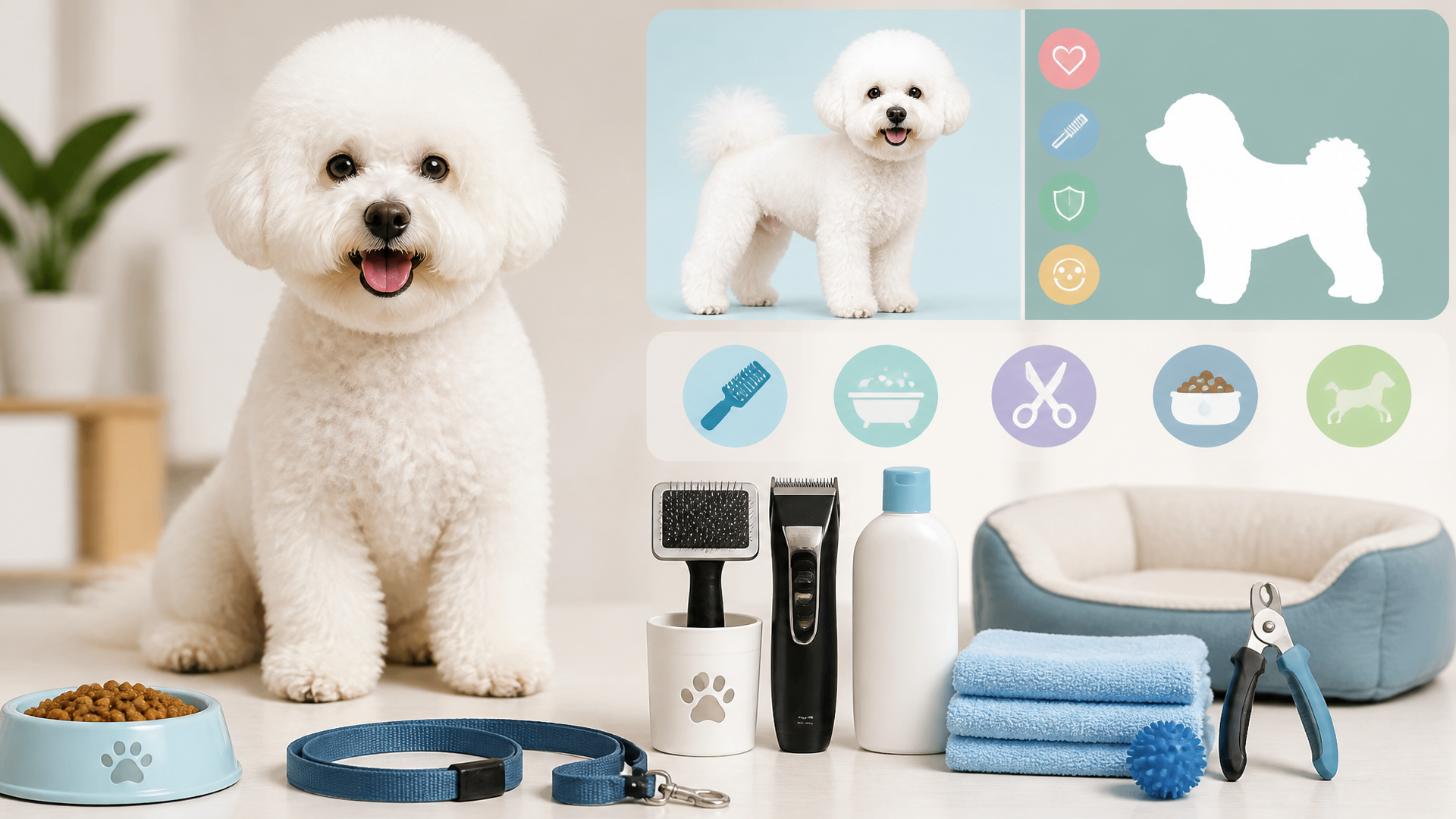
Bichon Facts: Guide: What Every Owner Should Know
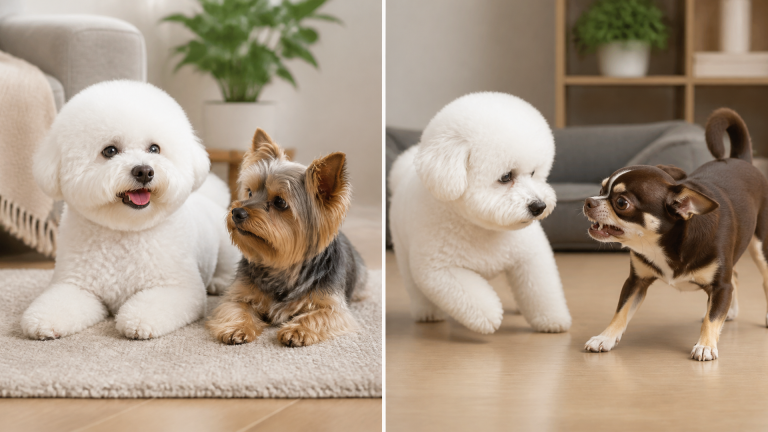
The Bichon Frise is a small, cheerful dog with a powder-puff white coat, a life expectancy of 12–15 years, and a weight range of 10–18 pounds. But here’s the truth: that beautiful coat requires daily maintenance, and ignoring it leads to painful mats, skin infections, and expensive vet bills. Whether you’re a first-time owner or a veteran, this guide covers the essential Bichon facts you need to know — from grooming and health to feeding and training.

Bichon Frise at a Glance: Key Facts Table
| Trait | Detail |
|---|---|
| Size | 9–12 inches tall at shoulder |
| Weight | 10–18 lb (males slightly larger) |
| Lifespan | 12–15 years |
| Coat type | Double coat: soft, dense undercoat + curly outer coat (non-shedding) |
| Temperament | Playful, affectionate, good with kids/other pets, can be barky |
| Energy level | Moderate (needs 20–30 minutes of daily exercise) |
| Training difficulty | Moderate (smart but stubborn; positive reinforcement works best) |
| Grooming need | High (brush every 1–2 days, professional trim every 4–6 weeks) |
| Allergy-friendly | Yes (low shed; does produce dander like all dogs) |
| Common health issues | Allergies, ear infections, patellar luxation, bladder stones, cataracts |
Daily & Weekly Care Checklist for Bichon Owners
A small dog with a big coat demands consistency. Use this checklist to stay on track.
Daily
- Brush coat with a slicker brush (1–2 minutes) – focus on behind ears, armpits, and tail.
- Wipe face and eye area with a damp cloth or tear-stain wipe.
- Check ears for redness or odor; clean weekly if needed.
- Walk or play for 20–30 minutes.
- Offer fresh water and measure meals.
Weekly
- 15-minute grooming session: pin brush, detangling spray, comb through to remove mats.
- Inspect nails: trim if they click on the floor (every 2–3 weeks usually).
- Check paw pads for debris or cracks.
- Rotate chew toys (prevents boredom chewing).
Monthly
- Full bath with a whitening shampoo (Bichons stain easily).
- Check anal glands if scooting is noticed.
- Brush teeth 2–3 times weekly (aim for daily).
Quarterly
- Professional groom for full body trim.
- Vet wellness check (annual bloodwork recommended).
- Repeat heartworm and flea/tick prevention.
BLOCKQUOTE_0
Grooming Your Bichon: Step-by-Step Guide
A well-groomed Bichon doesn’t happen by accident. Their coat mats fast if ignored. Follow this flow for weekly at-home grooming.
Prep
- Lay a non-slip mat on your table or counter.
- Have tools within reach: slicker brush, pin brush, metal comb, detangling spray, thinning shears, and a mat splitter.
Step 1: Brush thoroughly (5–10 minutes)
- Spray coat lightly with detangling spray.
- Start with the slicker brush, working in sections from back to belly.
- Focus on the friction points: collar area, behind ears, leg pits.
- Follow with a pin brush to smooth.
Step 2: Check for mats (2 minutes)
- Run a metal comb through each section.
- If you hit a snag, don’t pull — use your fingers to tease it apart or a mat splitter to cut with the coat’s grain.
- Checkpoint: If you find more than three mats smaller than your thumb, schedule a pro groom within the week. Likely cause: you skipped a brushing session or used a brush with teeth too widely spaced.
Step 3: Face and ears (3 minutes)
- Trim eye-area hair with round-tip shears (hold the Bichon’s head steady; never use scissors near eyes).
- Pluck excess hair from inside ears (only if your vet showed you how).
- Clean ears with vet-approved solution and a cotton ball.
Step 4: Sanitary and paw pads (3 minutes)
- Trim hair between paw pads with small clippers.
- Thin the hair around the anus for cleanliness.
Step 5: Nails (1–2 minutes)
- Clip just past the quick (the pink vein). If unsure, use a Dremel grinder on low speed to avoid bleeding.
Success check: After grooming, run a metal comb through the entire coat. If it glides without resistance, you’re done. If it snags, brush that section again. A completely mat-free coat should feel like soft cotton, not rope.
BLOCKQUOTE_1
Show Coat vs. Pet Trim: Choosing Your Grooming Commitment
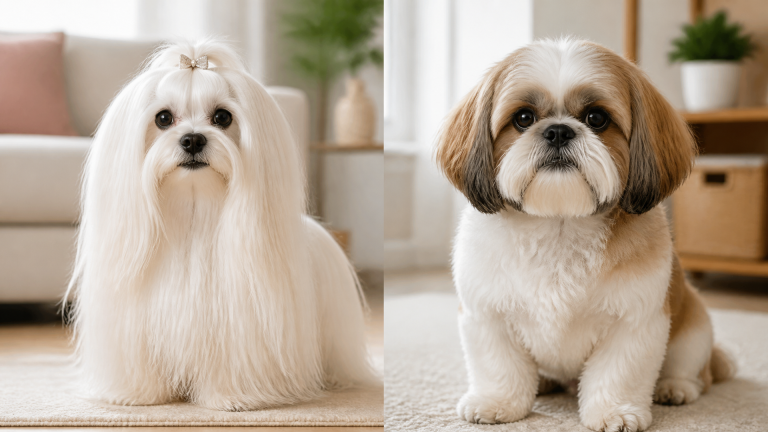
This is the biggest decision that changes everything about your Bichon’s care. A show coat (long, full, fluffy) requires daily brushing, weekly deep sessions, and a professional groom every 3–4 weeks to maintain shape. A pet trim (shorter, easier to maintain) can get by with brushing every 2–3 days and a pro groom every 6–8 weeks. Most owners should choose a pet trim — it’s far more practical for a family dog and still looks great. If you want a show coat, be prepared for 30–45 minutes of grooming per day and a higher risk of matting if you skip even one session.
Practical implication: If you’re a first-time owner or short on time, ask your groomer for a 1-inch pet trim. You’ll save hours of work each week and reduce the chance of painful mats. If you already have a Bichon with a long coat and you’re struggling, you can always switch to a shorter trim next groom — there’s no permanent commitment.
How to verify your grooming tool is working: Run the metal comb through a section after brushing. If the comb catches, your brush isn’t penetrating the undercoat. Switch to a slicker brush with fine, closely spaced wires (look for “fine-tooth” or “undercoat rake” on the label).
Trade-off to watch: Using a shorter trim reduces matting but exposes more skin to sun. If you live in a sunny area, ask your groomer to leave a little extra length on the back and top of the head. Sunburn on a Bichon’s pink skin is real and painful.
Health Issues Every Bichon Owner Should Know
Small breeds share certain risks, but Bichons have a few of their own.
Allergies (environmental and food)
- Signs: itchy skin, red paws, excessive licking, recurring ear infections.
- Action: eliminate common allergens (chicken, corn, wheat) first. If no improvement, ask your vet about allergy testing.
- Verification step: Switch to a single-protein diet (e.g., salmon and potato) for 8 weeks. If tear stains and itching improve, the previous food was the culprit. If not, the cause is likely environmental (pollen, dust mites).
Patellar Luxation (loose kneecaps)
- Signs: hopping or skipping a step while running.
- Action: weight management is critical — extra pounds worsen the condition. Mild cases don’t need surgery; severe cases do.
- Trade-off: Keeping your Bichon lean reduces luxation risk but means you must resist begging eyes. Overfeeding is the most common mistake owners make — that 2-ounce treat is 20% of a small Bichon’s daily calorie allowance.
Bladder Stones
- Bichons are genetically predisposed to calcium oxalate and struvite stones.
- Warning signs: straining to urinate, bloody urine, accidents in the house.
- Action: feed a diet designed for urinary health (ask your vet). Always have fresh water available.
BLOCKQUOTE_2
Applicability boundary for health monitoring: The frequency of vet visits changes with age. Puppies under 1 year need a vet visit every 3–4 weeks for vaccinations and growth checks. Adult Bichons (1–7 years) can go once a year if they’re healthy. Seniors (7+ years) should have a checkup every 6 months with bloodwork. Many owners miss the senior transition — if your Bichon is 7, schedule that first senior visit now.
Feeding Your Bichon: What & How Much
Bichons are prone to weight gain. A 15-lb Bichon needs about 400–500 calories per day (2 small meals).
| Life Stage | Food Type | Amount | Frequency |
|---|---|---|---|
| Puppy (2–6 mo) | High-quality small-breed puppy | 1/2 – 3/4 cup | 3 meals |
| Puppy (6–12 mo) | Same | 1/2 – 1 cup | 2 meals |
| Adult (1–7 yr) | Adult small-breed formula | 1/3 – 1/2 cup | 2 meals |
| Senior (7+ yr) | Senior formula (lower phosphorus) | 1/3 – 1/2 cup | 2 meals |
- Avoid raw diets unless your vet approves (Bichons have sensitive stomachs).
- Treats should make up no more than 10% of daily calories.
- If you notice tear stains worsening, switch to a grain-limited diet (many Bichons do better on fish or lamb-based food).
Toxic foods to avoid: grapes, raisins, onions, garlic, chocolate, xylitol (common in peanut butter and sugar-free gum).
Verification step for food sensitivity: After switching to a new diet, wait 8–10 weeks to see full results. Snap a photo of your Bichon’s face weekly to track tear-stain changes — it’s easy to miss gradual improvement. If tear stains haven’t faded after 10 weeks, the new diet isn’t the fix, and you should consider environmental allergies or a blocked tear duct.
Trade-off with grain-free diets: Grain-free formulas often use legumes (peas, lentils) as fillers, which the FDA has linked to a potential risk of dilated cardiomyopathy (DCM) in some dogs. If your Bichon has no grain sensitivity, a balanced diet with whole grains (brown rice, oatmeal) is safer. Always run a new food by your vet before switching.
Training & Temperament Tips
Bichons are smart but have a stubborn streak. They respond best to short, positive sessions.
- Housebreaking: Take them out every 2 hours at first. Crate training works well because they dislike soiling their space.
- Barking: Bichons alert-bark. Teach a “quiet” command early. A loud, sudden noise (like shaking a can of pennies) can interrupt barking, but don’t yell — it sounds like joining in.
- Socialization: Expose your Bichon to different people, dogs, and surfaces before 16 weeks old. They can become anxious or snappy if under-socialized.
- Trick training: They love learning tricks (roll over, spin). Use tiny treats (pea-sized) and keep sessions under 5 minutes.
Products that help: a flap-style crate, a no-pull harness (avoid collars — it strains the trachea), and a treat-dispensing toy for mental stimulation.
Limitation to watch: Bichons are not guard dogs and can become anxious in chaotic households. If you have loud children or frequent parties, provide a quiet room with a bed and white noise machine they can retreat to.
Save This Guide
The Bichon Frise is a joyful, affectionate companion that rewards consistent care with years of loyalty. The three most important takeaways: brush every 1–2 days to prevent painful mats, choose a pet trim if you’re short on time, and watch their weight closely to avoid joint and urinary issues. Bookmark this guide for quick reference — your Bichon will thank you.
This article contains affiliate links. If you purchase through these links, we may earn a small commission at no extra cost to you.